Coordinate the Upholstery With the Room
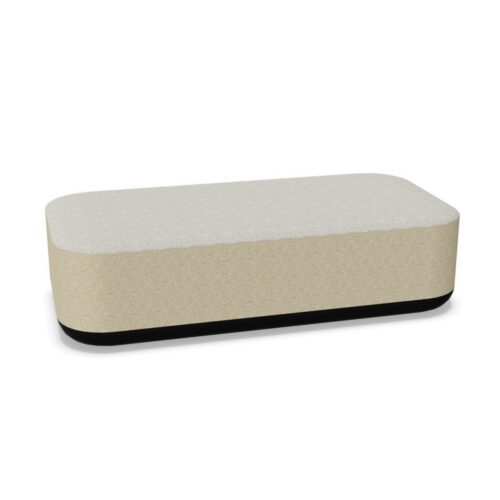
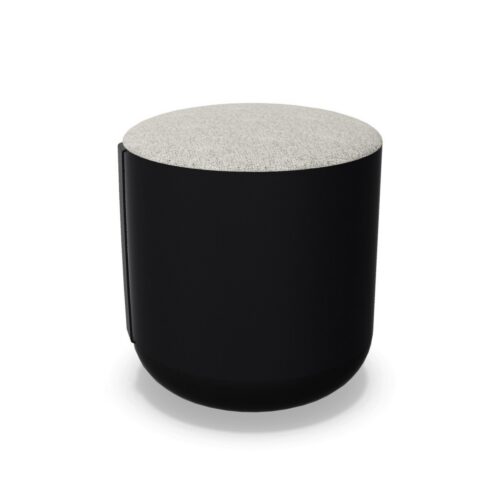
Compare the actual color under the lighting planned for the lounge. Include the backdrop behind the sofa, neighboring furniture, and the main view from the entrance. A material decision and a color decision are connected, but they should not be treated as identical. Fabric can be assessed as a covering while its particular color remains a separate visual choice.
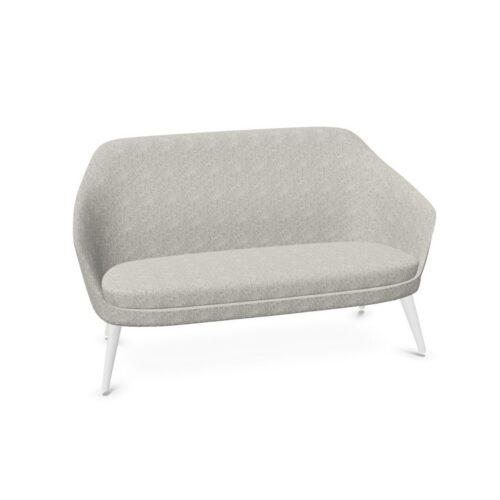
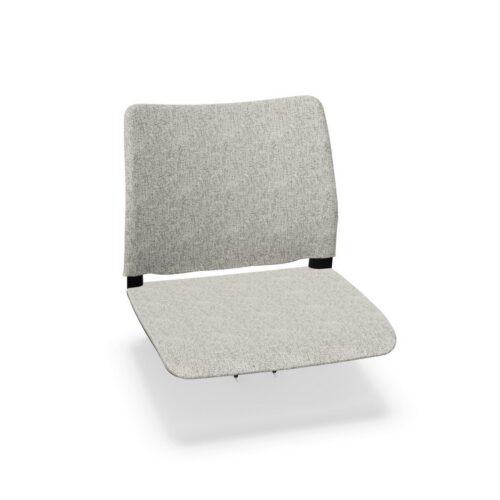
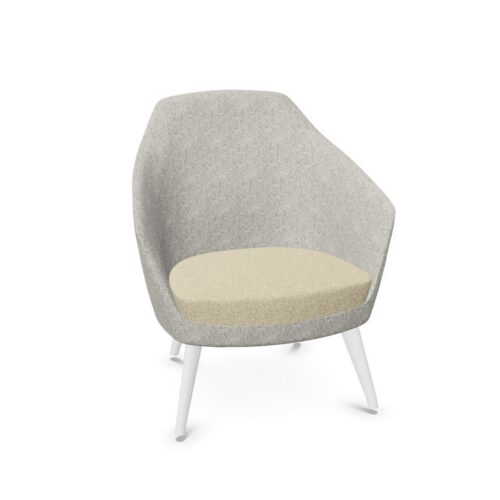
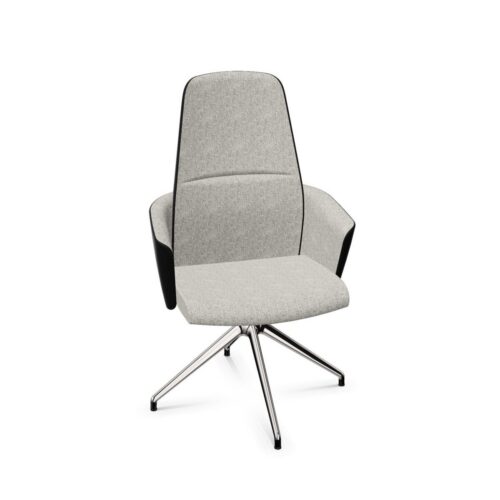
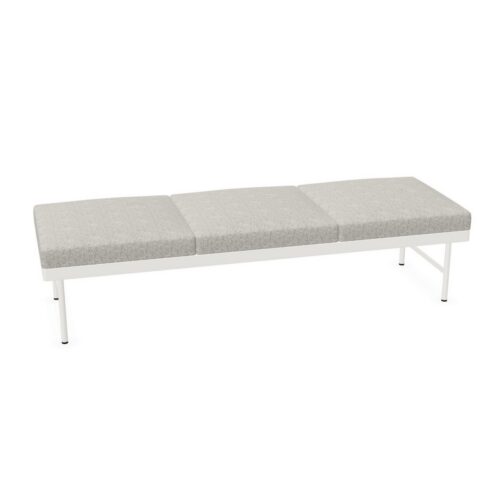
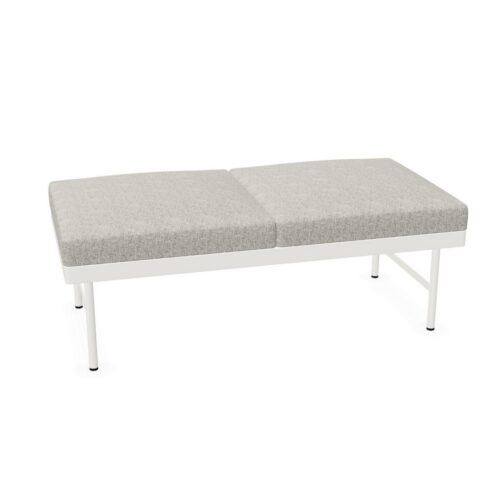
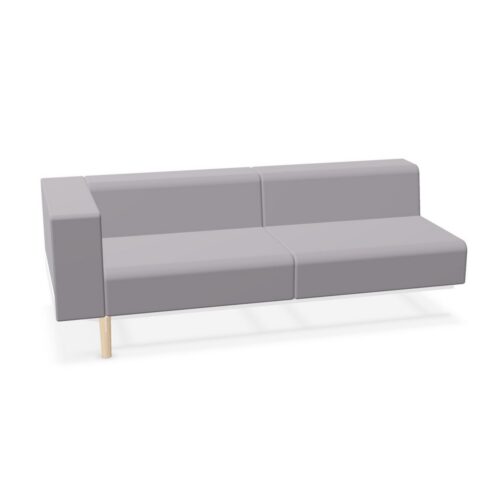
Consider whether the sofa should anchor a seating group or sit quietly within a larger arrangement. That decision helps determine the appropriate level of visual emphasis. Review the upholstered back and sides where they will be exposed, since these surfaces may contribute substantially to the composition in an open workplace lounge.
Resolve Practical Requirements From Documentation
Evaluate fabric upholstery for sofas against the actual requirements of the workplace and the information available for the specific covering. Review care instructions before establishing a maintenance routine. Do not assume that different fabrics accept the same cleaning approach or share the same performance characteristics. Any requirement that matters to the project should be checked against relevant documentation.
Keep this review connected to the intended setting. Identify who will oversee routine care and whether the documented instructions can be incorporated into existing procedures. Record questions about the upholstery separately from questions about sofa shape or layout. This makes unresolved details easier to confirm and prevents visual preferences from standing in for practical evidence.
Frequently Asked Questions
Does fabric identify the exact upholstery composition?
No. Fabric is the selected upholstery material category. The specific composition needs separate confirmation from information about the actual covering. Do not infer particular fibers or construction from the category name alone.
What is the most useful way to assess appearance?
Review the upholstery at close range and from normal room viewing positions. Compare its color and visible texture under the intended lighting, including its relationship with the sofa's shape and immediate surroundings.
Can one care routine apply to every fabric?
Care requirements should be confirmed individually. When assessing fabric upholstery for sofas, use the instructions for the specific upholstery and check any workplace maintenance requirements against that information before establishing a routine.
Explore related selections