White office furniture appears across cabinets, acoustic screens, accessories and cable management. The color can cover a large storage front or a small armrest or tray, so each product contributes differently to the room. Identify the colored component and its material before choosing a group of items. A useful workplace scheme begins with the work and movement that the furniture must support, then checks how the white surfaces relate. In a shared office, repeated white storage and screens can make the floor feel consistent but may obscure which areas serve different tasks. Use a change of material, tone or furniture height to distinguish a meeting zone from a focused desk row. This adds clarity without abandoning the overall light palette.
Use storage as an organized background
White cabinets can create a continuous wall of storage that appears visually lighter than a dark finish. Their practical role still governs size and location. Decide what will be stored and who needs access. Leave space for sliding or rolling doors to move, and check whether a tall unit blocks light or a view across the office.
White office furniture in storage categories may use metal, melamine or other materials. A white metal tambour front and a white melamine side panel may differ in sheen and tone. Compare actual finish samples in the intended light. The internal shelves, locks and door mechanism are separate decisions from the exterior color.
Position screens for the desk task
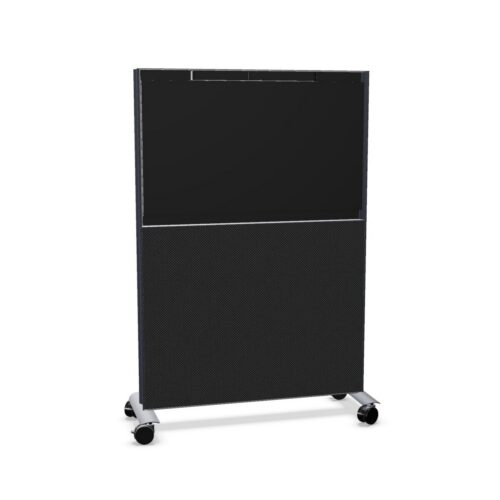
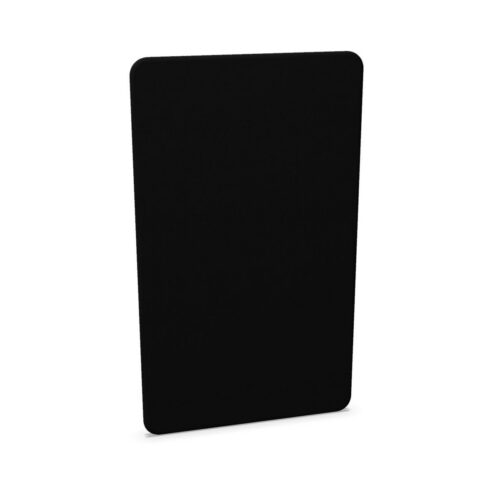
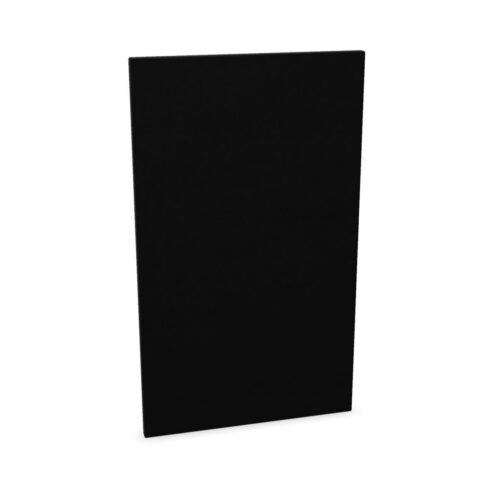
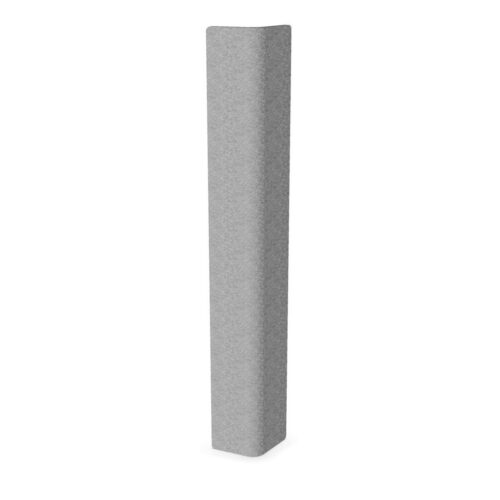
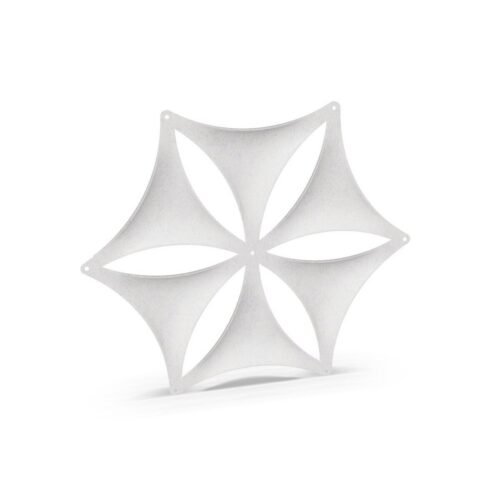
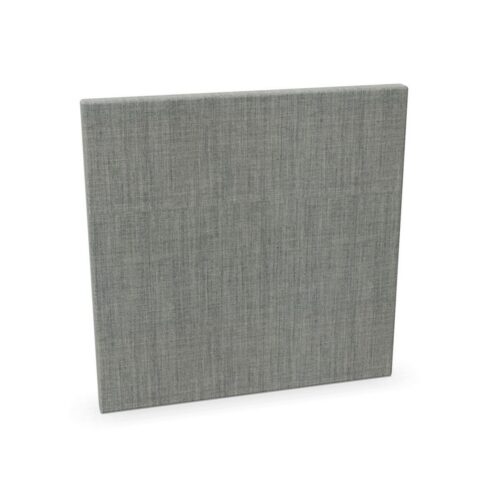
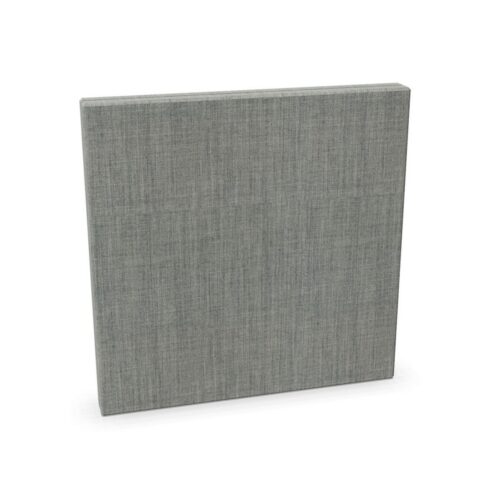
Fabric-covered desk screens can define work positions without creating permanent walls. A white or light screen may blend into a pale interior, but its height and mounting need to fit the desk. Check the user’s view toward colleagues, displays and daylight. A screen that recedes visually can still block a useful line of sight.
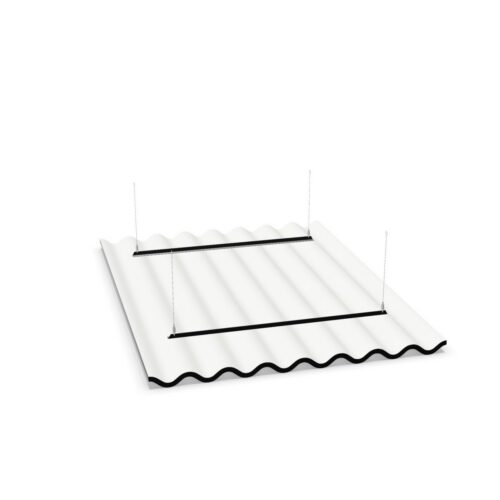
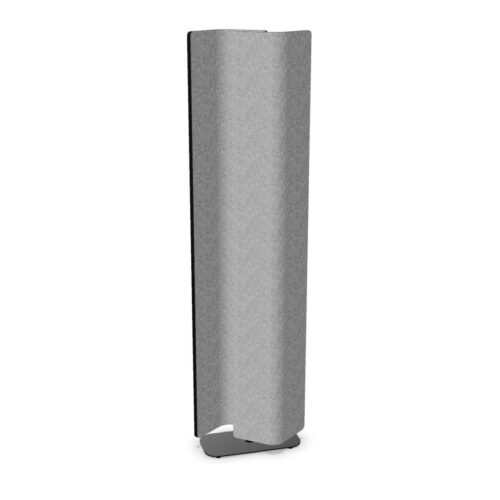
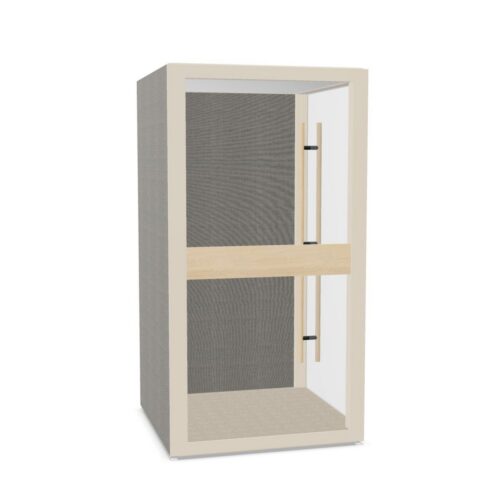
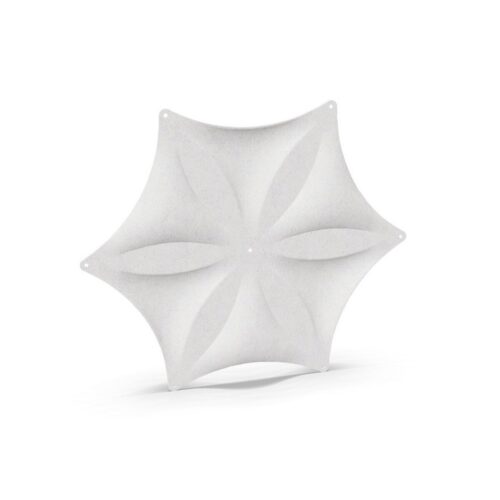
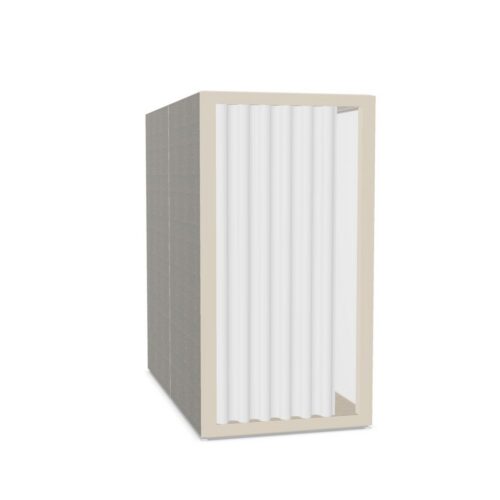
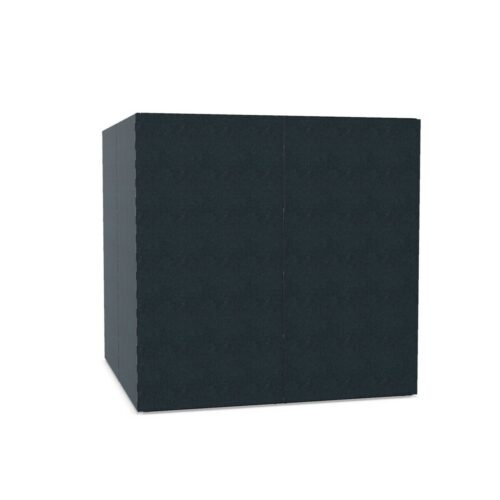
White office furniture in acoustic categories should be reviewed for its selected construction and performance data when sound control matters. A desk screen works differently from a room divider or work booth extension. Choose the format for the scale of separation needed. Then assess whether the white component is fabric, frame or bracket.
Make small parts compatible
A white cable tray or chair armrest can bring the color into a workstation detail. These parts must fit the desk or chair they serve. Trace power and data routes before choosing cable management, and leave connections accessible for maintenance. Check armrest compatibility with the specific seat rather than relying on a shared color name.
White office furniture accessories may be close to screens or cabinets, making finish differences more noticeable. Compare adjacent pieces directly. If one is a bright white and another a warmer off-white, decide whether the contrast is intentional. A deliberate mix can work, but accidental near-matches can make a carefully planned station feel uneven.
Consider light and maintenance
White surfaces can reflect light and make a room feel open, but they may also reveal marks in high-touch areas. Review care guidance for cabinet doors, tabletops, fabric and metal parts. Look at the products in daylight and under task lighting. A glossy front opposite a window may reflect more than a matte sample suggests.
White office furniture can be combined with wood-look tops, darker frames or colored acoustic fabric to give zones definition. Avoid using white everywhere simply because it seems neutral. Decide which items should recede and which should help people find a shared resource or meeting area. Contrast can improve legibility.
Check the room while occupied
Draw screens, storage and desks with people in place. Open cabinet doors and pull chairs back on the plan. This reveals access conflicts that a finish board cannot show. If many white surfaces meet, look at the whole group from the entrance as well as from individual desks.
White office furniture works best when the color supports a clear layout. Select cabinets for contents, screens for boundaries and accessories for their function. Then compare their actual white components under real lighting. The result can feel ordered while remaining easy to use throughout the working day.
- Reset all
- White