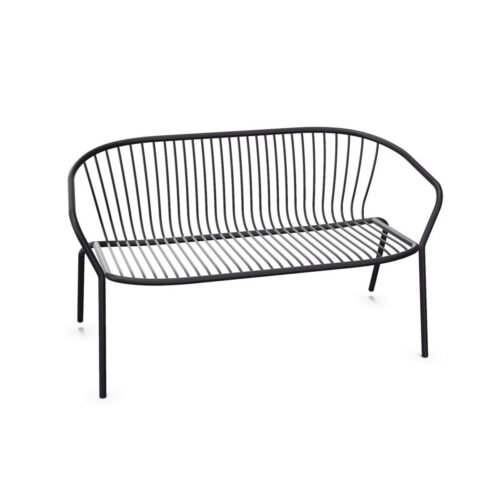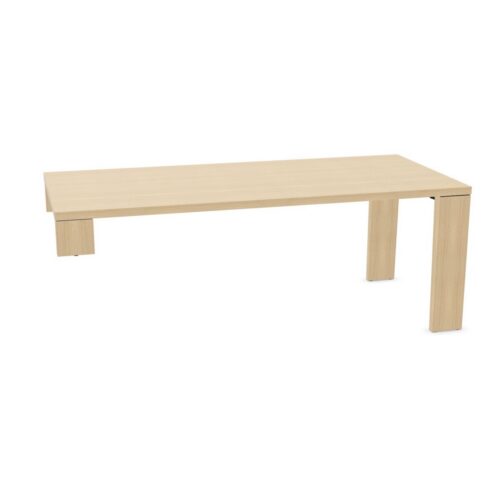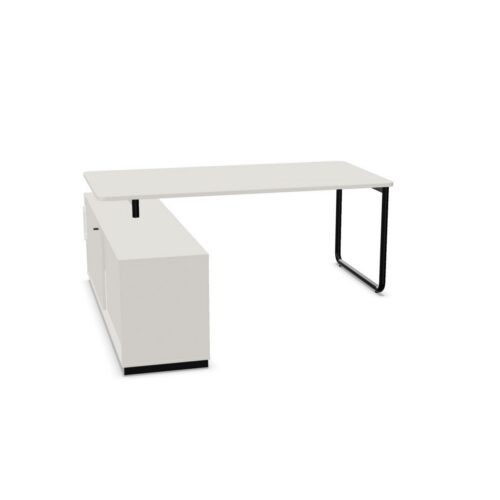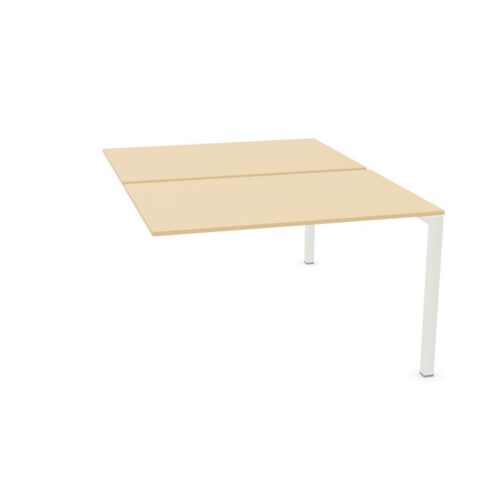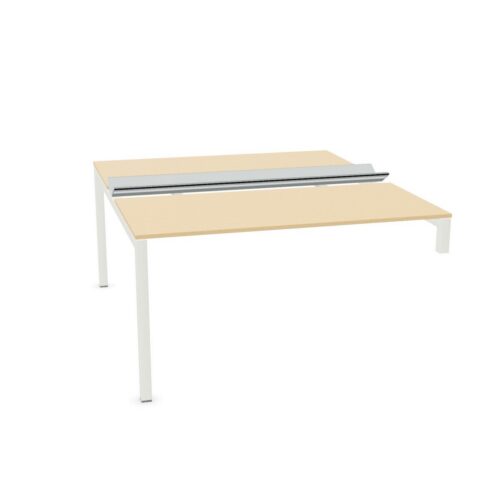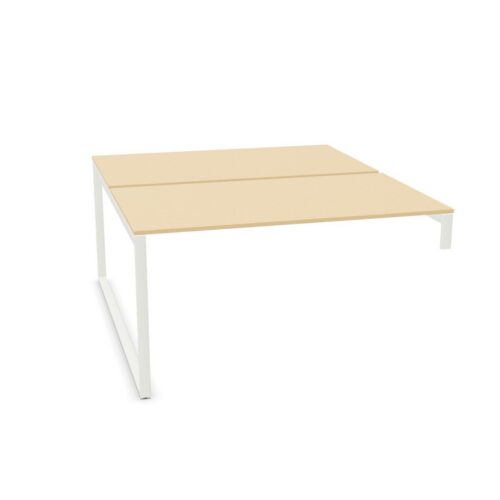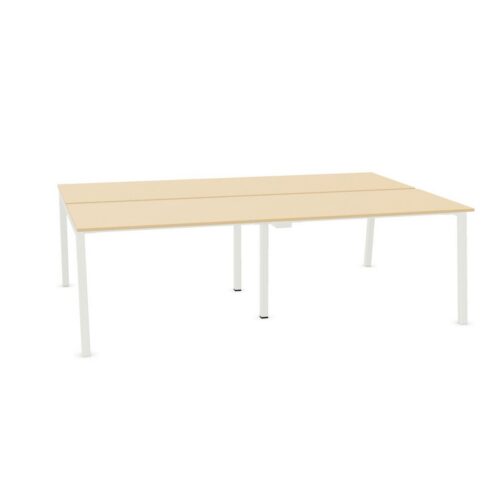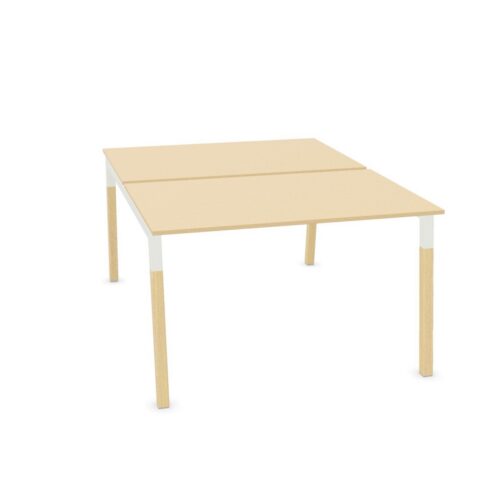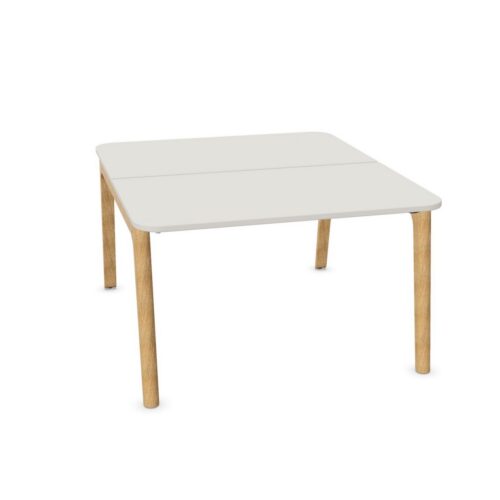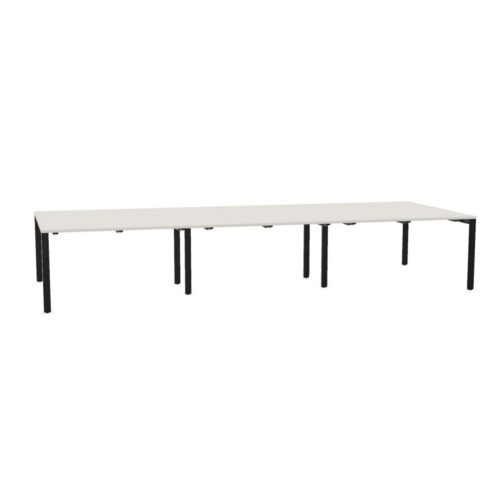


Office furniture with blue bases adds a distinctive structural colour to workstations, meeting rooms, collaborative spaces and other professional interiors. Depending on the product, a blue base may refer to the supporting structure of an office chair, desk, table, cabinet or another piece of workplace furniture.
Blue can be used as a subtle alternative to traditional black, grey or aluminum finishes or as a stronger design accent. From dark navy and muted blue-grey to brighter blue tones, a blue base can help connect furniture with a wider workplace colour scheme.
What does a blue base mean in office furniture?
The base colour describes the colour of the lower supporting structure of a furniture product. The exact component depends on the type of furniture.
A blue base may refer to:
The five-star base beneath an office chair
The legs or frame beneath an office desk
The feet and lifting columns of a height-adjustable desk
The pedestal or legs of a meeting table
The structural frame beneath a conference table
The legs or plinth beneath office storage
The frame beneath lounge or collaborative furniture
Always check the product images and technical specification to determine exactly which components are supplied in blue.
Why choose office furniture with a blue base?
Blue bases can give workplace furniture more character without necessarily becoming visually dominant. Darker and more muted blues can remain relatively understated, while brighter shades can create a clear accent within the interior.
Potential advantages include:
Adds colour to structural furniture components
Available in subtle and expressive shades
Combines well with white, grey, black and wood surfaces
Suitable for contemporary and creative workplaces
Can support workplace zoning or branding
Can be repeated across different furniture categories
Provides an alternative to conventional neutral base colours
Blue bases for office chairs
On an office chair, the base usually refers to the structure underneath the seat that connects the central column to the castors or glides.
A blue chair base may be manufactured from:
Coloured reinforced polymer
Powder-coated metal
Painted aluminium
Another structural material with a blue finish
Blue bases can be combined with matching upholstery for a coordinated appearance or contrasted with neutral seat and backrest colours.
Common combinations include:
Blue base with a blue seat or backrest
Blue base with grey upholstery
Blue base with black upholstery
Blue base with beige or cream seating
Blue base with white chair components
The colour does not determine the strength or quality of the chair. Also consider the actual base material, construction, castors, user weight specification and ergonomic features.
Explore our office chairs for ergonomic, task and professional workplace seating.
Blue bases for office desks
For desks, the base generally consists of the legs, feet and structural frame beneath the desktop. Blue desk bases can introduce colour without requiring the entire workstation to use a coloured surface.
They can work particularly well with:
White desktops
Light-grey worktops
Natural oak
Dark wood finishes
Black surfaces
Matching or contrasting coloured laminates
Blue bases may be available on fixed desks as well as height-adjustable desks. On sit-stand desks, the base may include the lifting columns, feet and connecting frame.
Browse our office desks for individual, shared and height-adjustable workstations.
Blue bases for meeting and conference tables
Blue meeting-table bases can add a distinctive detail to meeting rooms while leaving the tabletop relatively neutral.
Depending on the design, the blue base may consist of individual legs, a central pedestal, a T-frame or another supporting structure.
Blue bases can work with tabletop finishes such as:
Light oak
Walnut and darker wood
White laminate
Grey surfaces
Black tabletops
Stone-effect finishes
Coloured laminates
Darker blue bases can create a refined appearance, while brighter blue finishes may be better suited to informal meeting and collaboration spaces.
Explore our conference tables or read our meeting room planning guide for help with table size, seating capacity and circulation.
Blue bases for cabinets and storage furniture
Storage furniture may also use blue legs, plinths or supporting frames. These details can be coordinated with desks and tables to create a consistent workplace palette.
A blue base can work particularly well beneath:
White cabinets
Grey storage units
Wood veneer fronts
Matching blue cabinets
Contrasting coloured storage furniture
Browse our office cabinets for professional workplace storage.
Different shades of blue bases
Blue is a broad colour category and different shades can create noticeably different results.
Navy blue
Navy is dark and relatively understated. It can provide much of the visual depth of black while introducing a subtle colour difference.
Dark blue
Dark blue bases can create a professional and sophisticated appearance and combine naturally with wood, grey, black and white surfaces.
Muted blue
Muted blue or blue-grey finishes can function almost like a neutral and may be particularly suitable for larger furniture schemes.
Light blue
Light blue creates a softer and more contemporary appearance and works particularly well with white, pale grey and light wood.
Bright blue
Brighter blue can create a stronger visual statement and may be used in creative offices, collaboration areas or workplaces where colour plays an important role in the interior concept.
If several furniture products need to match precisely, consider physical finish samples. Manufacturers may use different interpretations of terms such as navy, cobalt, steel blue or blue-grey.
Blue bases with wood finishes
Blue and natural wood can form a strong combination in contemporary workplace furniture. The warmth of the timber balances the cooler colour of the base.
Common combinations include:
Blue base with light oak
Blue base with ash
Blue base with walnut
Blue base with natural veneer
Blue base with dark stained wood
Dark blue with walnut can create a more formal appearance, while lighter blue with pale oak can feel softer and more Scandinavian-inspired.
Blue bases with white furniture
A blue base beneath a white tabletop, chair shell or cabinet creates clear contrast while maintaining a clean overall appearance.
This can be an effective way to introduce colour into a workplace without using strongly coloured work surfaces.
Blue bases with grey furniture
Grey and blue combine naturally because both can have cool undertones. A blue base can add more character to an otherwise neutral grey furniture scheme.
Muted blue or blue-grey frames can be particularly effective where the goal is to create a subtle colour variation rather than a strong contrast.
Blue bases with beige and natural colours
Blue also works well with warmer neutral colours such as beige, taupe and cream. The contrast between cool blue and warm neutral surfaces can make both colours more visible.
This combination can suit modern workplaces that combine technical furniture with softer hospitality-inspired materials.
Blue bases and workplace branding
A coloured furniture base can be used as part of a broader workplace identity. If blue is part of an organisation’s brand palette, blue structural components can introduce the colour in a relatively subtle way.
For example, an organisation could use:
Blue desk frames
Blue chair bases
Blue meeting-table legs
Blue storage details
This creates a consistent visual reference without requiring every furniture surface to use the corporate colour.
An exact brand-colour match is not always necessary. A darker or more muted blue can sometimes integrate more naturally into a professional interior.
Using blue bases for workplace zoning
Blue bases can also help distinguish specific workplace areas. Different structural colours may be used to identify teams, floors, collaboration spaces or meeting zones.
This approach can be particularly effective where the same furniture family is used throughout the office but individual areas need a slightly different visual identity.
For long-term flexibility, avoid creating too many unrelated colour standards, as this can make future furniture redistribution more difficult.
Blue base vs black base
A black base is more neutral and usually creates stronger architectural contrast.
Blue offers more visual identity. Dark navy can provide a relatively subtle alternative to black, while brighter blue creates a much clearer colour accent.
Blue base vs grey base
A grey base is generally more neutral and can be easier to combine across different furniture schemes.
Blue introduces more colour while still working well with grey flooring, screens and other workplace components.
Blue base vs aluminum base
An aluminum base usually creates a lighter and more technical metallic appearance. Blue can make the furniture structure more visually distinctive.
Aluminum is generally easier to standardise across a neutral workplace, while blue may be preferable where furniture should contribute more actively to the interior identity.
Blue base vs beige base
A beige base creates a warmer and softer appearance, while blue generally feels cooler and more graphic.
The two colours can also work well together, particularly alongside natural wood and neutral textiles.
Matte and textured blue finishes
Blue furniture bases are commonly finished using paint or powder coating. The finish can significantly affect the final appearance.
Matte blue
Matte blue creates a contemporary appearance with relatively little reflection and is suitable for desks, tables and chair components.
Textured blue
A lightly textured powder coating can give metal frames a more architectural surface and may help make minor handling marks less noticeable.
Satin blue
Satin finishes provide slightly more sheen while remaining less reflective than glossy paint.
Check physical samples if finish matching is important, as differences in texture and gloss can be noticeable even when the colour itself is similar.
Cleaning and maintaining blue furniture bases
Maintenance depends primarily on the base material and surface treatment.
Dark blue surfaces may show dust or light scratches differently from lighter colours, while brighter finishes may make damage more visually noticeable.
For commercial environments, consider:
Manufacturer cleaning instructions
Scratch resistance
Quality of paint or powder coating
Resistance to cleaning products
Availability of replacement components
Base colour does not determine base material
A blue base can be manufactured from steel, aluminium, reinforced plastic or another structural material.
Colour and material should therefore be evaluated separately. For example, a blue office-chair base may use coloured polymer while a matching blue desk frame is made from powder-coated steel.
Check the product specification when structural performance, durability, weight or environmental characteristics are important.
Blue bases and long-term furniture flexibility
Colour can give workplace furniture more identity, but future reuse should also be considered when specifying larger quantities.
Muted navy and blue-grey finishes may be easier to integrate into different future interiors than highly saturated blue.
If furniture is likely to move between departments or locations, consider whether the chosen blue works with a sufficiently broad range of tabletops, upholstery and surrounding finishes.
Read more about furniture lifecycle and reuse on our circularity page.
What else should you consider besides base colour?
Base colour primarily affects the visual appearance of office furniture. The complete product should still be selected according to its intended function and technical requirements.
Depending on the product, also consider:
Base material
Frame construction
Product dimensions
Maximum load
Adjustability
Mobility
Tabletop, seat or cabinet material
Applicable furniture standards
Warranty
Replacement-part availability
Questions to consider
Which component of the furniture is described as the base?
What exact shade of blue is used?
Is the base made from steel, aluminium, plastic or another material?
Is the finish matte, textured, satin or glossy?
Does the blue base work with the selected tabletop or upholstery?
Does it need to match furniture from another product range?
Is the colour intended as a neutral finish or a workplace accent?
Are physical finish samples available?
Are replacement components available?
Explore office furniture with blue bases at Myntwork
Office furniture with blue bases provides a distinctive foundation for contemporary workplaces. From office-chair bases and desk frames to meeting-table legs and storage furniture, blue can introduce colour while maintaining a professional and coordinated furniture scheme.
When comparing products, consider the blue base together with its exact shade, material, surface finish, construction and complete product specification.
Explore our office furniture categories, including desks, office chairs, conference tables and office cabinets.