


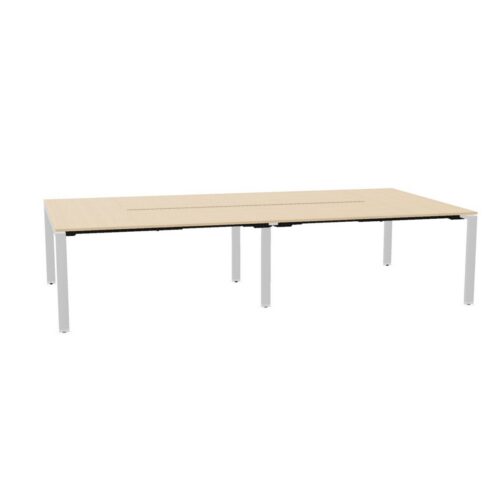
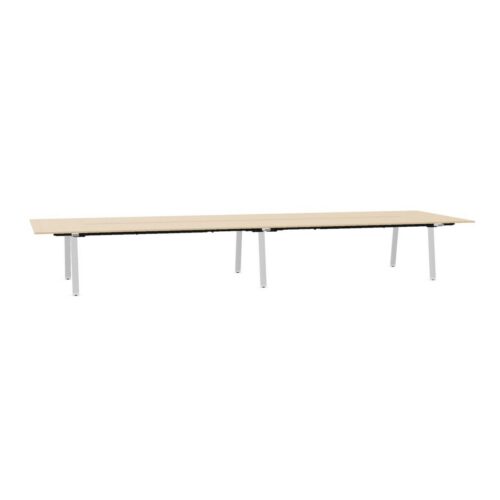
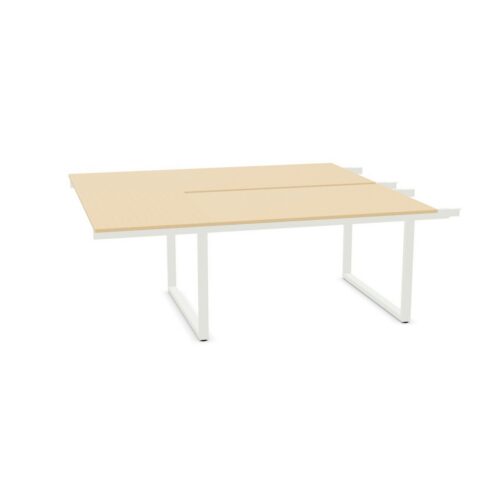
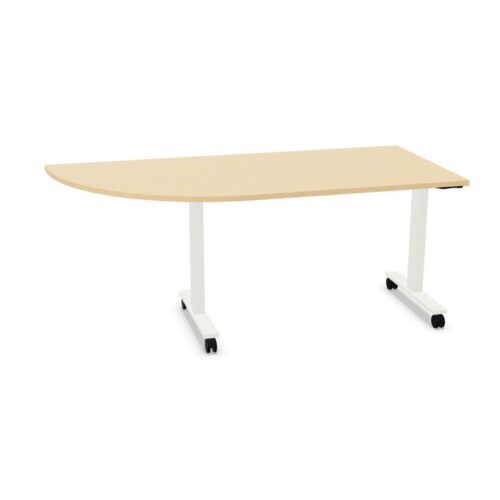
Le postazioni da ufficio per 3 persone permettono a un piccolo gruppo di lavorare vicino. La selezione comprende scrivanie in bench e alcuni tavoli collaborativi, che non svolgono lo stesso compito. Il bench dà a ciascuno una posizione stabile; il tavolo riunisce i partecipanti per una sessione. Decidi quale attività il mobile deve sostenere prima di pianificare sedie, strumenti e passaggi.
Dividere il bench in posti utili
Una fila per tre persone ha bisogno di spazio per schermo, dispositivi di input e materiali quotidiani di ciascuno. Considera il posto centrale e il modo in cui quella persona entra o esce quando i colleghi restano seduti. Una struttura condivisa può contenere l’ingombro, ma non dovrebbe comprimere i gomiti o far attraversare i cavi nelle zone vicine.
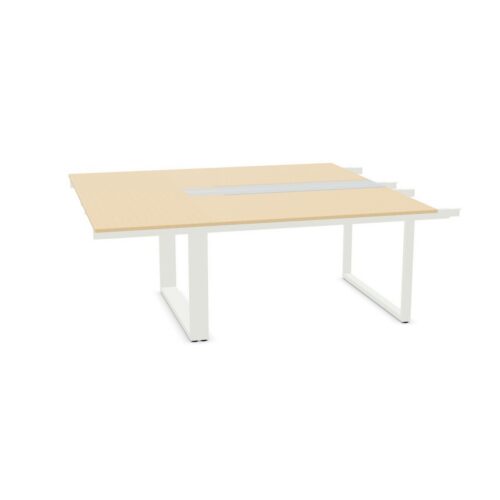
Le postazioni da ufficio per 3 persone possono avere un piano continuo o sezioni accostate. Controlla dove cadono gambe e traverse sotto ogni posto. Tutti devono avere spazio per i piedi e accesso a eventuali contenitori inferiori. Se una cassettiera è comune, decidi chi la apre e da quale lato: ante e cassetti non devono urtare la sedia vicina.
Scegliere la disposizione delle sedute
Una fila lineare colloca i colleghi fianco a fianco. Una disposizione intorno al tavolo può metterli faccia a faccia per discutere. La forma influenza conversazione e concentrazione. Chiediti se le persone collaborano continuamente o semplicemente lavorano vicine nella stessa squadra.
Su una superficie d’incontro, tutti devono vedere i materiali condivisi senza che un posto sia aggiunto come ripiego. Verifica larghezza delle sedie, sostegni e vista verso uno schermo. Le postazioni da ufficio per 3 persone destinate alla discussione richiedono una relazione fra sedute diversa da quella di un bench permanente con computer.
Progettare gli strumenti per ciascuno
In un bench ogni persona può usare monitor, portatile, telefono e lampada. Decidi come arrivano alimentazione e dati a ciascun posto. Una canalina comune funziona se i cavi individuali restano riconoscibili e raggiungibili. Se i piani si regolano indipendentemente, lascia margine a ogni movimento.
Schermi o stampanti condivisi dovrebbero stare dove tutti possono raggiungerli senza attraversare l’area di lavoro altrui. Un tavolo collaborativo può richiedere collegamenti soltanto occasionali. Abbina le aperture e i moduli alla routine reale, invece di riempire ogni possibilità con apparecchi. Una disposizione chiara facilita anche la manutenzione successiva. Tieni accessibili le connessioni se cambiano gli strumenti della squadra.
Mantenere liberi i passaggi
Disegna le sedie occupate e arretrate. Un bench contro una parete concentra il movimento in un corridoio; un tavolo indipendente richiede spazio su più lati. Le persone devono poter raggiungere il posto centrale e i contenitori senza chiedere ai colleghi di spostarsi.
Le postazioni da ufficio per 3 persone possono trovarsi vicino a sale comuni o percorsi. Considera come conversazioni, schermi e visuali influenzano chi lavora. Uno schermo divisorio o un armadio può delimitare l’area, ma non deve bloccare l’accesso o creare una nicchia troppo stretta. Controlla anche le porte aperte nella pianta.
Scegliere superficie e telaio
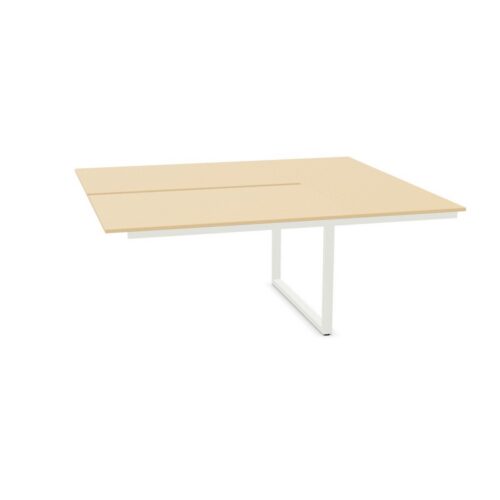
Un bench fisso può offrire una linea uniforme di piani; una disposizione regolabile può permettere al singolo di trovare un’altezza diversa. Conferma quali parti si muovono insieme e quali indipendentemente. Controlla stabilità del telaio e compatibilità di bracci monitor o altri accessori fissati.
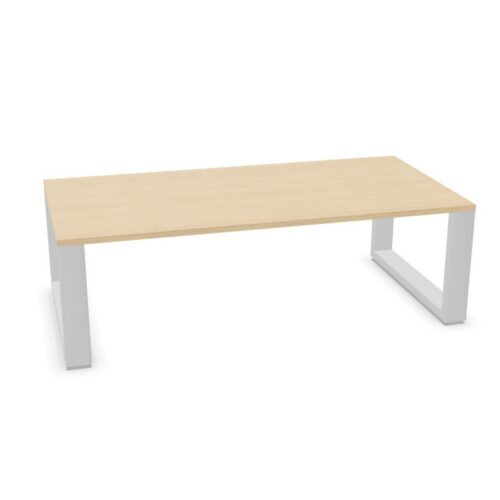
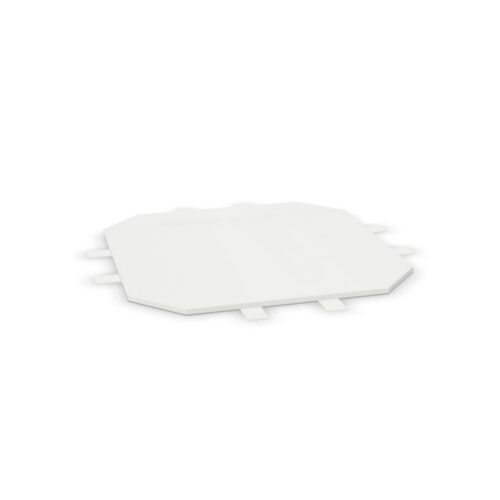
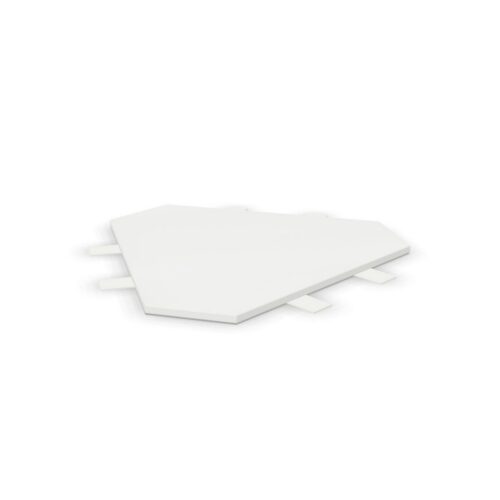
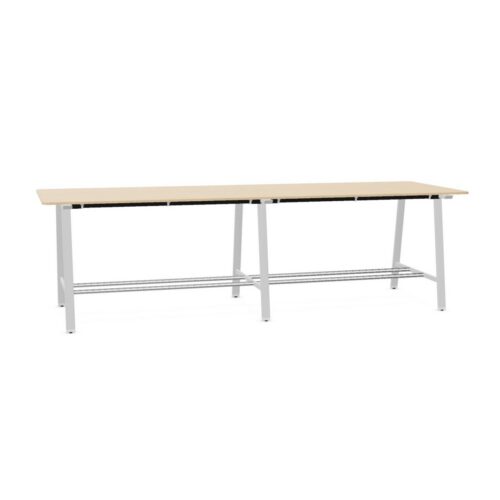
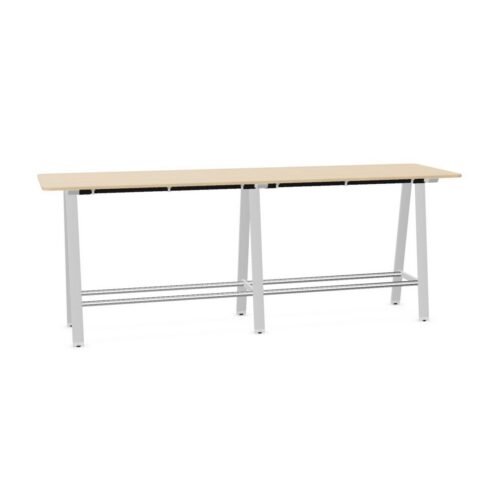
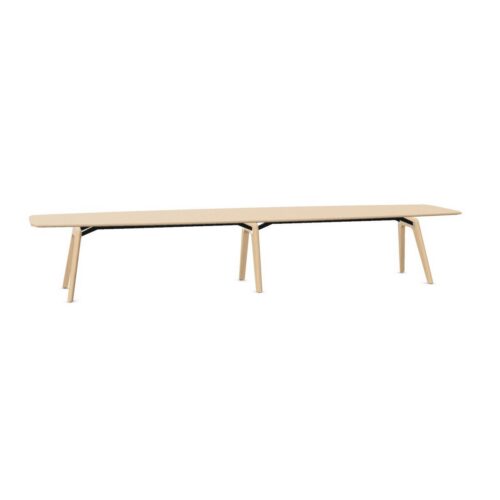
Per un tavolo d’incontro, la forma del piano cambia la comodità con cui tre persone condividono documenti. Una superficie rotonda o morbida può favorire una conversazione equilibrata; una rettangolare può adattarsi a una stanza con direzione di presentazione definita. Scegli forma e posizione per l’uso, non soltanto per l’aspetto.
Provare la disposizione occupata
Colloca tre sedie, dispositivi abituali e contenitori nella pianta della stanza. Verifica se tutti possono sedersi, raggiungere, alzarsi e uscire senza disturbarsi. Controlla il percorso verso le prese, lo spazio dietro i posti e la vista oltre il piano. Una prova con le sedie reali rivela differenze che la sola capacità dichiarata non mostra.
Scegli le postazioni da ufficio per 3 persone assegnando a ciascuno un luogo chiaro. Che il mobile serva al lavoro quotidiano o a una breve riunione, piano, telaio e stanza devono funzionare per tutti contemporaneamente.










Bralco
Bralco

Bralco
Bralco

Bralco
Bralco