


Le sedie da ufficio con materiali riciclati possono introdurre componenti ottenuti da risorse recuperate in sale riunioni, mense e postazioni senza rendere tutti i modelli uguali. L’elemento interessato può essere la scocca, una parte del telaio, il tessuto o un altro componente indicato. La dicitura da sola non spiega quale quota della sedia finita provenga da materiale riciclato. Confronta la dichiarazione relativa al componente preciso con costruzione, comfort e uso previsto, e cerca informazioni di prodotto che descrivano chiaramente il materiale.
Capire la dichiarazione sul materiale
Il materiale riciclato può provenire da flussi recuperati prima o dopo l’uso da parte dei consumatori. L’origine e qualsiasi percentuale dichiarata devono essere sostenute da documentazione. Una sedia descritta come contenente materiale riciclato può includere un solo componente di questo tipo, senza essere interamente realizzata con risorse riciclate. Le indicazioni ISO sulle autodichiarazioni ambientali richiamano l’uso di termini chiari e prove a sostegno.
Per le sedie da ufficio con materiali riciclati, cerca la parte nominata, il tipo di materiale e la base della dichiarazione. Una scocca riciclata, un rivestimento con contenuto riciclato e la possibilità di riciclare un mobile a fine vita non sono la stessa informazione. Mantieni separate queste caratteristiche quando confronti prodotti.
Forme diverse, componenti diversi
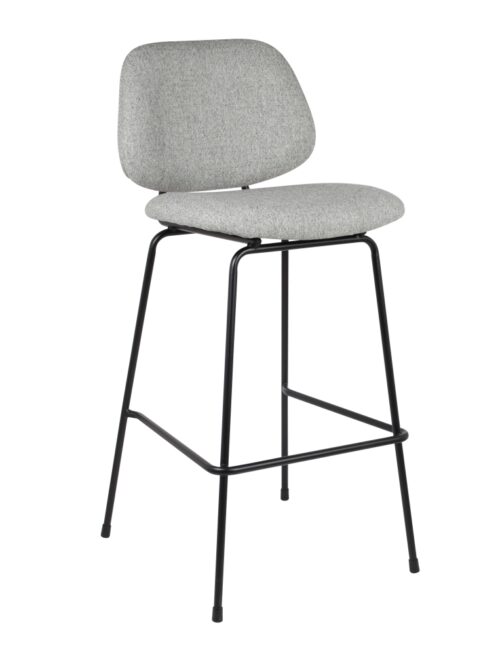
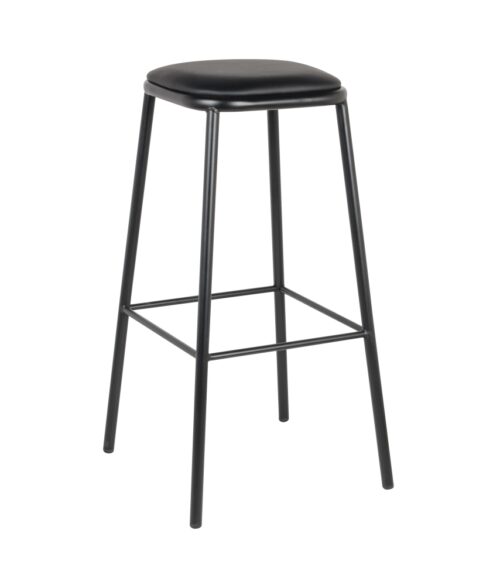
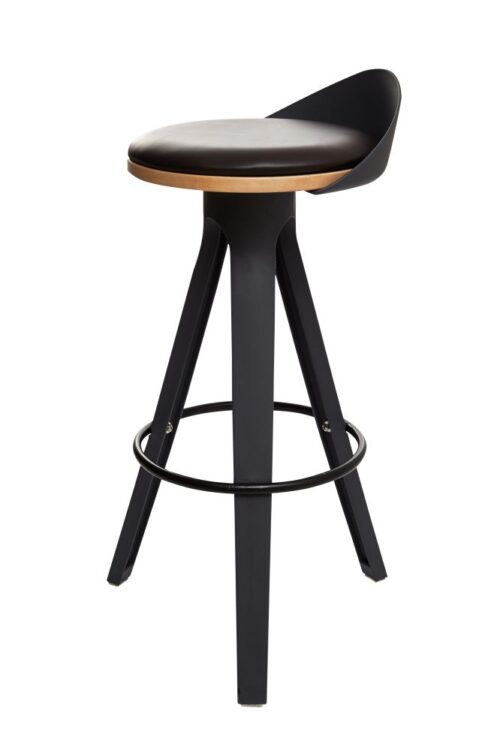
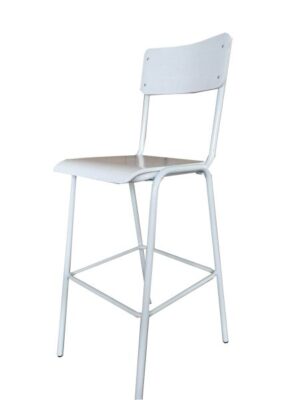
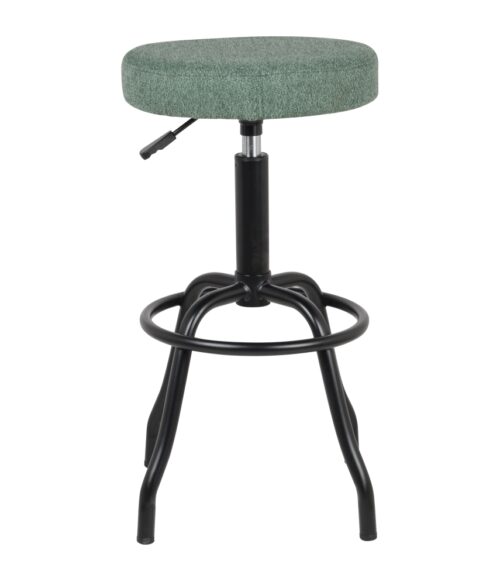
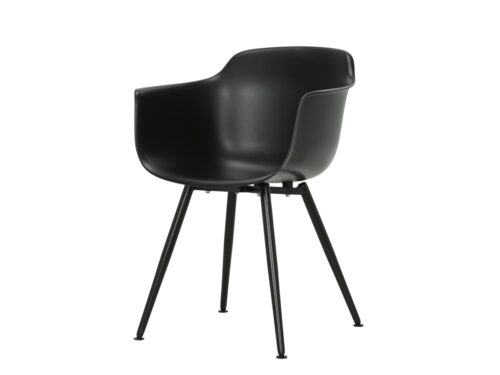
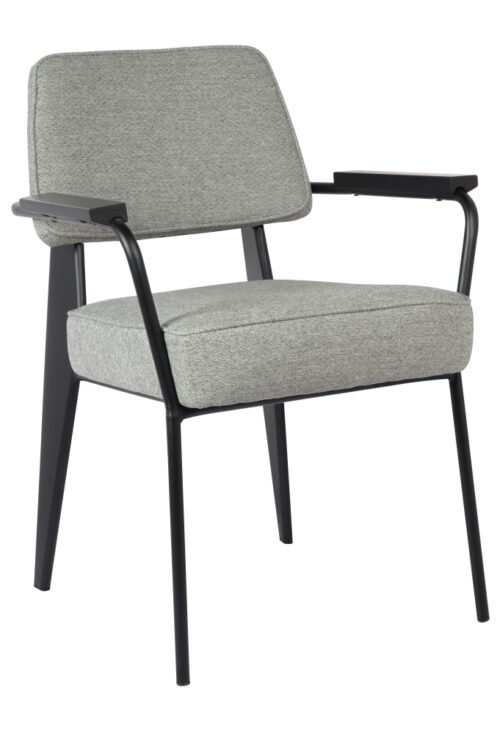
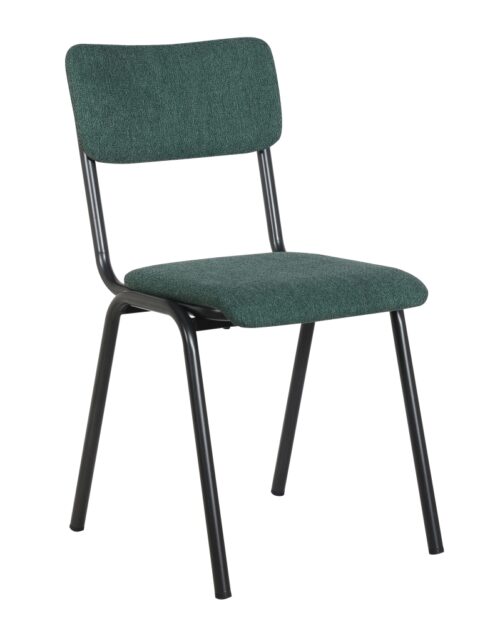
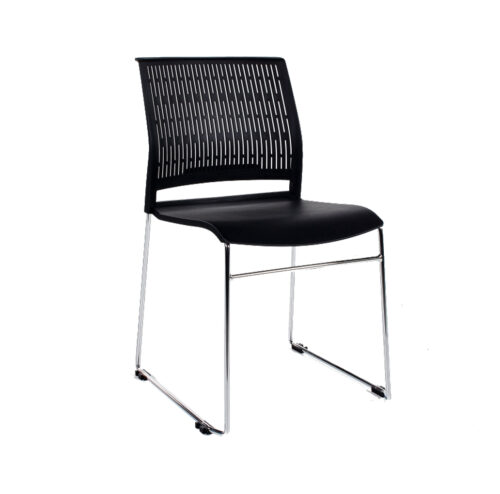
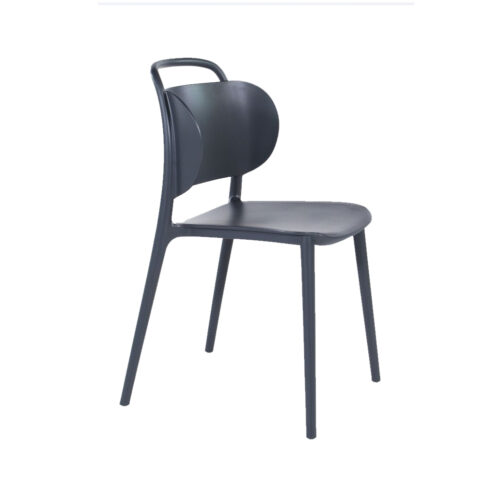
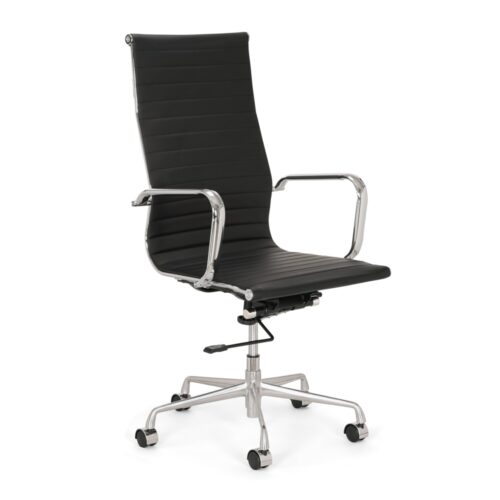
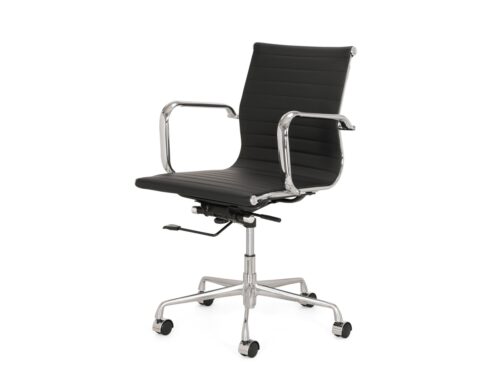
Una sedia impilabile da mensa può avere sedile stampato e telaio semplice. Un modello da conferenza può unire seduta imbottita, base metallica e braccioli. Una sedia operativa aggiunge spesso ruote e meccanismi di regolazione. Queste costruzioni offrono punti diversi in cui può essere utilizzato materiale riciclato.
Verifica la variante specifica: passare da una seduta non imbottita a una rivestita può cambiare la composizione. Le sedie da ufficio con materiali riciclati devono comunque essere scelte per l’attività e per lo spazio in cui verranno usate. La presenza di un componente riciclato non indica la postura, l’ingombro o la facilità di spostamento.
Considerare l’intera vita d’uso
Il contenuto riciclato è un aspetto della decisione. Anche un modello semplice da mantenere e utile quando cambia la disposizione dell’ufficio può sostenere un uso più attento delle risorse. Osserva parti sostituibili, istruzioni di pulizia e costruzione delle giunzioni. In una mensa possono contare superfici pulibili e impilabilità; in una sala riunioni, comfort e protezione del pavimento.
Le sedie da ufficio con materiali riciclati devono funzionare nell’uso quotidiano, senza affidare tutta la scelta alla dichiarazione ambientale. Controlla come si spostano, quale manutenzione richiedono e se le loro dimensioni si adattano ai tavoli previsti. Una caratteristica di materiale resta utile quando accompagna un prodotto adatto al contesto.
Chiedere prove precise
Una scheda utile identifica il componente riciclato e, quando riporta una percentuale, spiega che cosa misura. Verifica se il valore riguarda un pezzo, l’intera sedia o un lotto di materiale. Controlla anche se la dichiarazione si applica al colore, al rivestimento e al telaio scelti. Le varianti di una stessa famiglia non hanno necessariamente la medesima composizione.
Se è disponibile una verifica indipendente, esaminane l’ambito invece di considerare un logo una prova di ogni caratteristica ambientale. Una documentazione chiara distingue un dettaglio verificabile da una frase generale. Per le sedie da ufficio con materiali riciclati, conserva le informazioni legate al modello esatto che verrà installato.
Adattare la sedia alla stanza
In una mensa, le sedie possono essere spostate e pulite spesso. In una sala conferenze contano la disposizione intorno al tavolo e il comfort durante incontri più lunghi. Alla postazione individuale diventano importanti regolazioni e movimento. Valuta forma del sedile, braccioli, base e pavimento insieme. Un componente riciclato non rende la sedia adatta a ogni attività.
La categoria delle sedie aiuta a confrontare forme per usi diversi. Scegli sedie da ufficio con materiali riciclati che rispondano prima ai requisiti pratici della stanza, poi conserva la documentazione del materiale con la specifica dell’arredo. Sarà più facile capire la scelta quando lo spazio verrà modificato.
Confrontare le dichiarazioni senza scorciatoie
Quando due sedie citano materiali riciclati, confronta il contenuto delle affermazioni. Una può indicare una scocca in plastica riciclata; un’altra un tessuto o un componente in metallo recuperato. Le dichiarazioni non sono intercambiabili e non si estendono automaticamente all’imballaggio o al riciclo a fine vita. Chiedi quali parti possono essere riparate o separate quando serve un intervento.
Una valutazione concreta unisce dati verificabili, caratteristiche del prodotto e uso previsto. Per le sedie da ufficio con materiali riciclati, lega le prove alla finitura e al modello scelti. Così la dichiarazione resta comprensibile anche dopo un cambiamento degli arredi, mentre le persone continuano a usare sedute adatte alla loro attività.
Myntwork
Myntwork
Myntwork
Myntwork
Myntwork
Myntwork
Myntwork
Myntwork
Myntwork

Myntwork

Myntwork

Myntwork
Myntwork
Myntwork

Myntwork
Myntwork
Myntwork

Myntwork

Myntwork

Myntwork

Myntwork