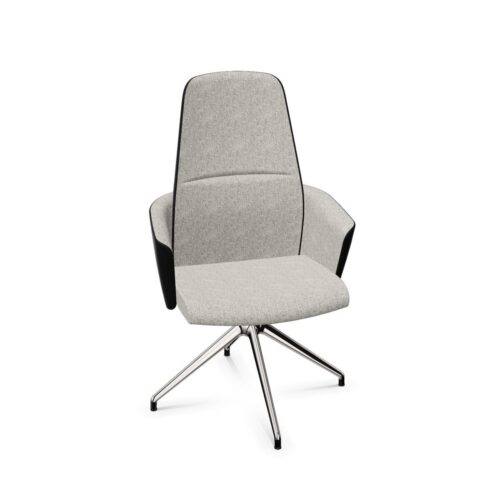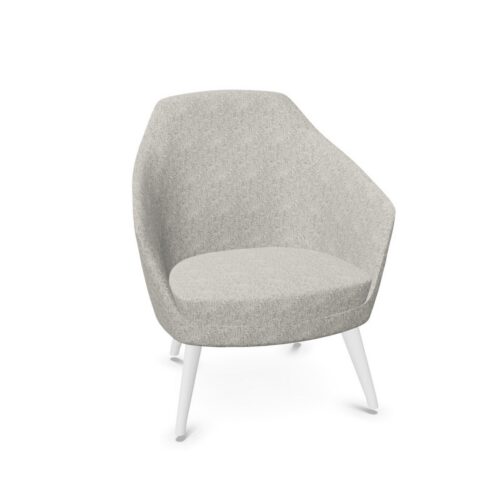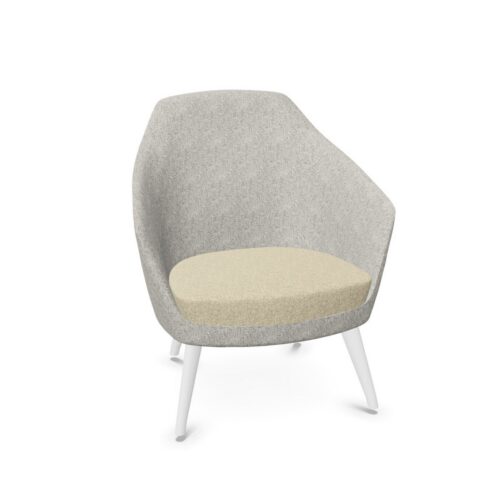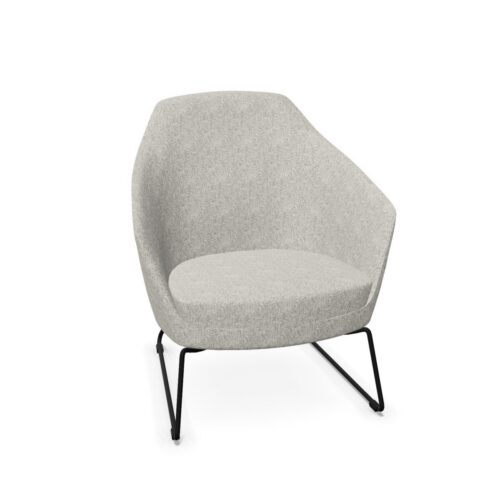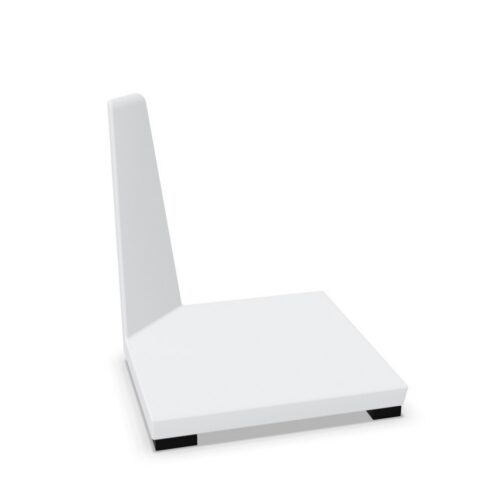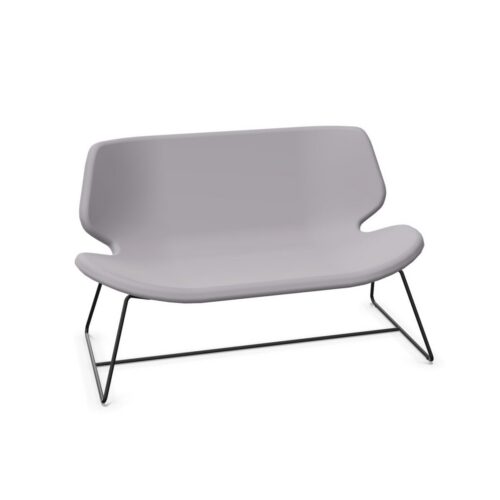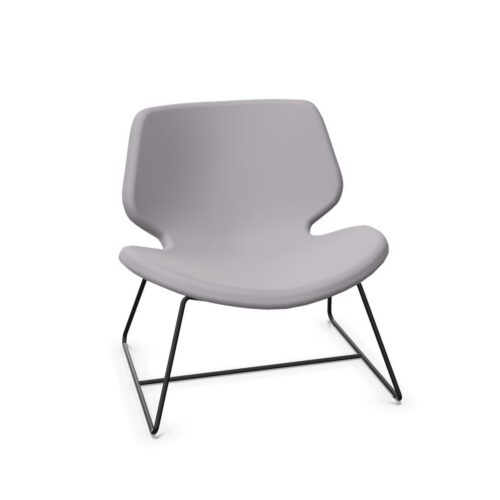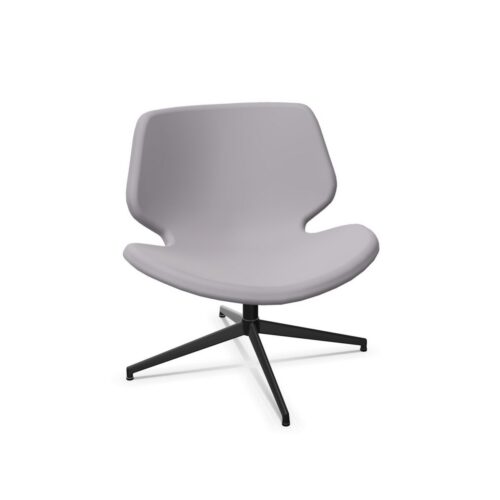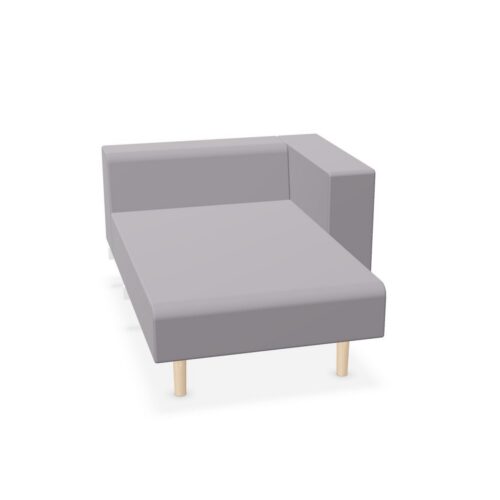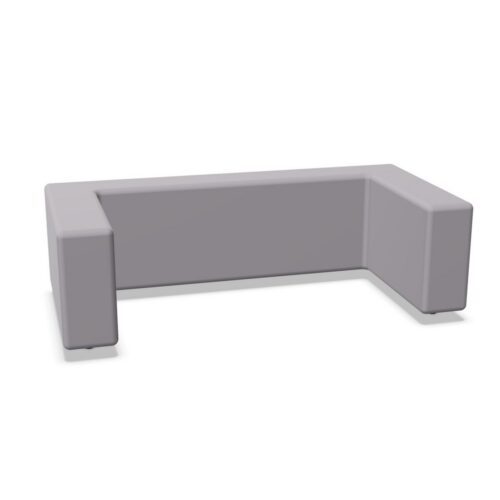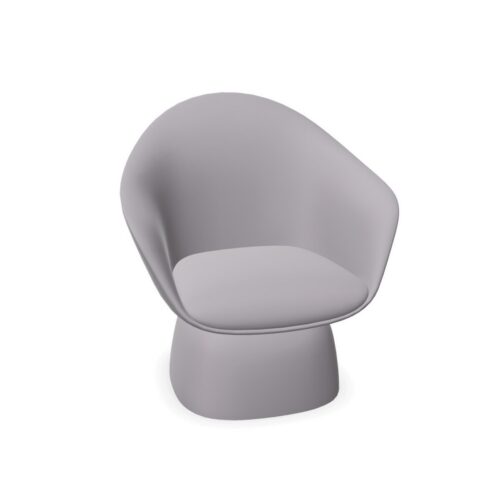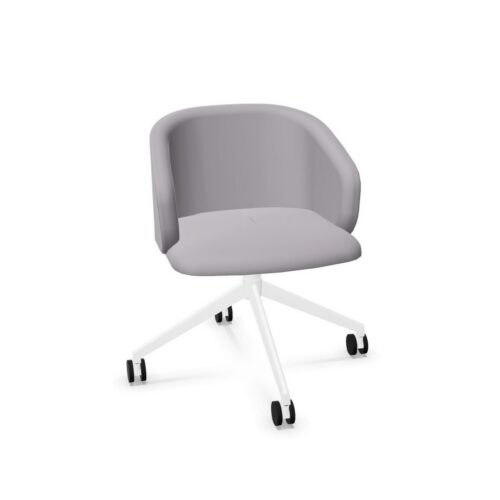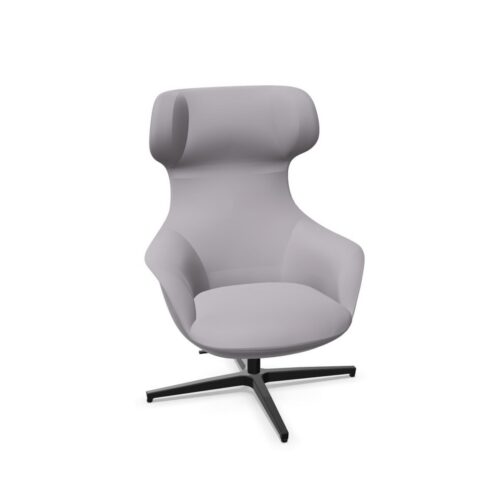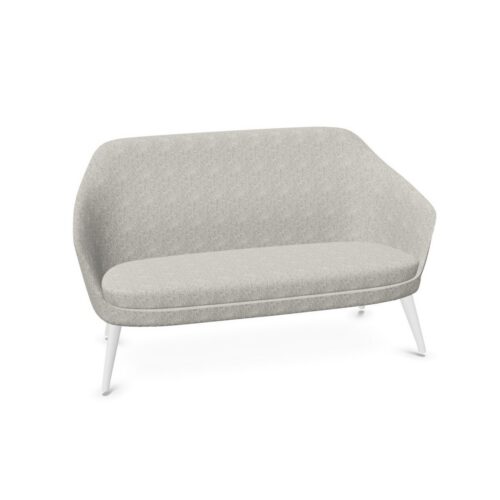


Lounge chairs for offices provide a more relaxed form of workplace seating for reception areas, informal meeting spaces, breakout rooms and executive settings. Unlike task chairs, they are intended for short periods of sitting, waiting, conversation or quiet work away from a desk.
This selection brings together office lounge chairs in a range of shapes, finishes and support styles. They can help make shared spaces feel considered and comfortable while allowing facilities and procurement teams to specify seating that suits the practical demands of each area.
What is an office lounge chair?
An office lounge chair is a freestanding, lower-profile chair designed primarily for comfort and informal use. It may have an upholstered shell, padded seat and back, armrests, a high back, a swivel base or fixed legs. The defining characteristic is its relaxed seating position rather than desk-focused adjustability.
Lounge seating is different from a conventional operator chair. It is not generally intended to support a full working day at a workstation, and it may not include features such as height adjustment, castors or synchronised movement. Instead, it gives people a comfortable place to pause, meet, read or wait.
Why lounge seating matters in the workplace
Workplaces need a mix of settings for different activities. A well-planned lounge chair arrangement can create an inviting transition between focused workspaces and more social areas, without relying on formal meeting-room furniture for every conversation.
- It supports informal one-to-one conversations and small catch-ups.
- It gives visitors and guests a comfortable waiting place.
- It can define a breakout zone within an open-plan floorplate.
- It provides an alternative seating posture away from desk and meeting chairs.
- It helps reception, hospitality and client-facing areas feel appropriately furnished.
The right configuration depends on the space. A single statement chair may suit a private office or reading corner, whereas several matching lounge chairs can form a conversation group in a reception or collaboration area.
Common places to use lounge chairs
Lounge chairs work across many commercial interiors, from compact offices to larger multi-zone workplaces. Their use should reflect footfall, the expected length of stay and whether users will need a surface for laptops, drinks or documents.
- Reception and waiting areas: provide welcoming seating for visitors before appointments.
- Breakout spaces: create a less formal setting for employees to take a break or speak privately.
- Informal meeting zones: combine chairs with occasional tables for short discussions.
- Executive offices: offer guest seating that is distinct from the desk chair.
- Hospitality and client spaces: support a calm, comfortable atmosphere for meetings and events.
- Quiet corners: give users a place for reading, reflection or individual work away from busier desks.
In open-plan settings, lounge chairs can be paired with rugs, planting, screens or storage to give the area a clearer identity. Consider circulation routes carefully so that seating does not restrict access or create congestion around entrances.
Styles and formats to consider
Office lounge chairs are available in many formats, each with a different visual and functional role. Low, open designs can keep a room feeling spacious, while high-backed or winged forms can offer a stronger sense of enclosure. Chairs with arms may feel more supportive for longer conversations; armless models can be easier to position tightly within a group.
Base design also affects how a chair works in a space. Fixed four-leg and sled-style bases are familiar choices for reception and lounge areas. Swivel bases can make it easier to turn towards colleagues or a nearby table. Some designs are compact enough to use in pairs, while larger lounge chairs may be better as standalone pieces with enough surrounding space.
Upholstery, frame material and colour should be assessed alongside the existing interior scheme and anticipated level of use. In public-facing areas, it can be useful to consider how finishes will look alongside flooring, wall colours and other shared furniture over time.
How to choose lounge chairs for an office
Begin with the activity the chair will support. A visitor waiting for a meeting has different needs from a colleague holding an informal discussion or spending time on a laptop. Seat height, depth, back support and arm position all influence comfort, access and the way people use the chair.
Questions to consider
- Who will use the seating: visitors, employees, clients or a mixture of users?
- How long are people likely to sit in the area?
- Does the space need individual chairs, a pair, or a larger conversational arrangement?
- Will side tables or coffee tables be needed for drinks, devices or notes?
- Is a fixed base more appropriate, or would a swivel chair suit the setting?
- How much floor space is available once access routes and table clearances are allowed for?
- Does the chair need to coordinate with existing meeting, reception or breakout furniture?
For desk-based work lasting several hours, a purpose-designed task seat will usually be more suitable. Our guide on how to choose an office chair can help distinguish the considerations for workstation seating from those for occasional and lounge use.
Planning a balanced seating layout
A lounge chair rarely needs to work alone. In a waiting area, placing chairs at a comfortable distance with a small table can make the layout feel useful without making it overly formal. In a collaborative zone, positioning seats so that people can talk naturally is often more important than creating rigid rows.
Allow space around each chair for people to enter, stand up and move through the area. Where lounge seating is part of a larger furniture plan, consider its relationship with meeting tables, power access, storage, acoustic elements and sightlines. A mix of lounge chairs, sofas and occasional tables can give users choice while retaining a consistent visual language.
Related office seating at Myntwork
Lounge chairs are one part of a broader workplace seating strategy. Alongside relaxed, occasional seating, offices may require adjustable chairs for individual workstations, meeting chairs for shared tables and visitor seating for flexible spaces. Reviewing these requirements together can help create a coherent fit-out across different areas.
Explore the wider range of office chairs to compare seating types for task work, meetings, visitors and informal workplace settings. Relevant category pages can also help when planning a complete reception, breakout or office furniture scheme.