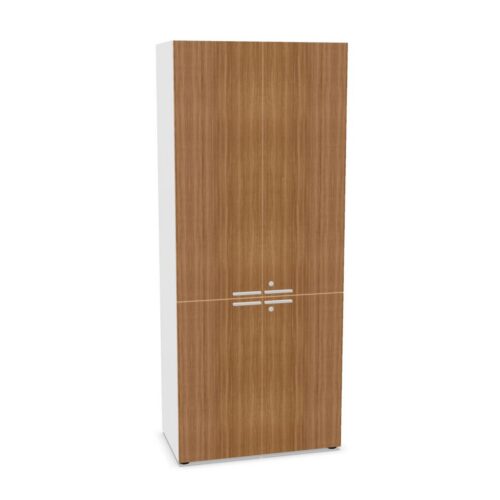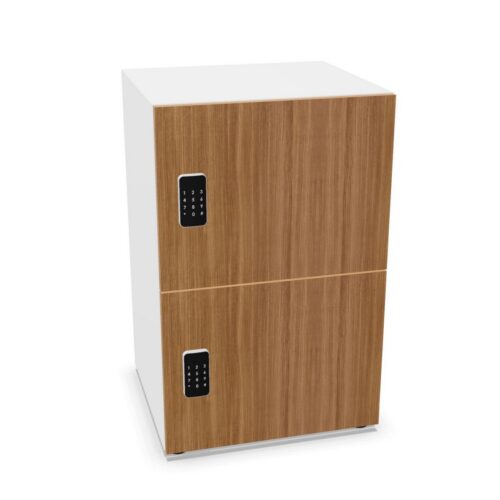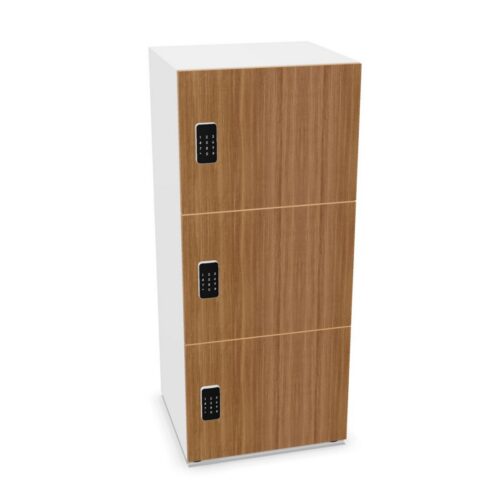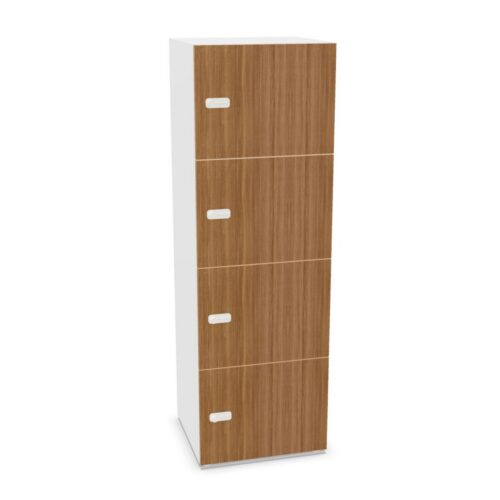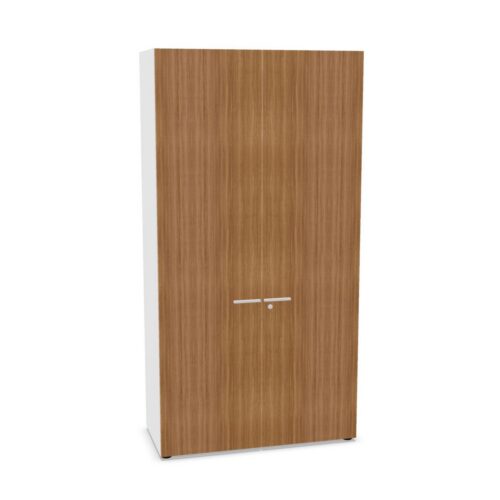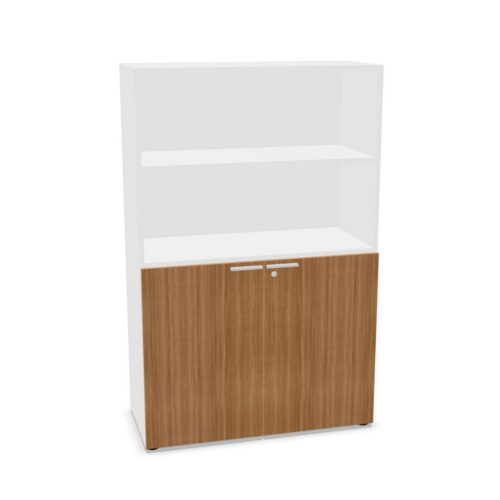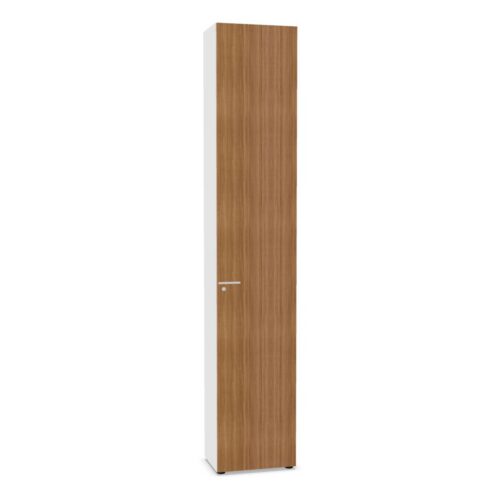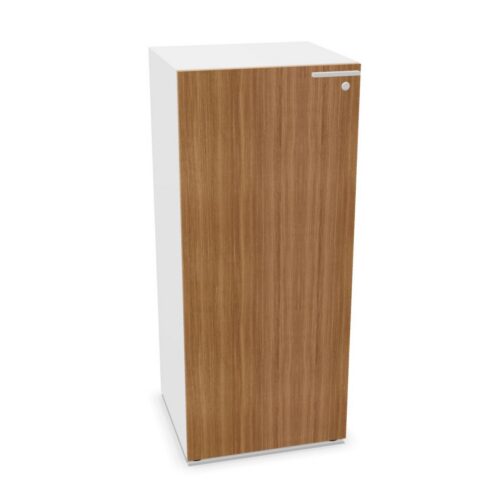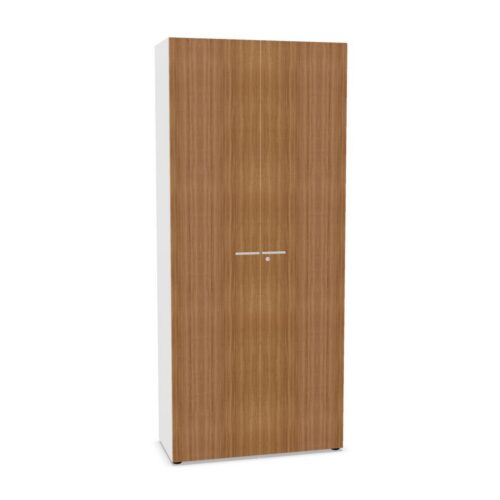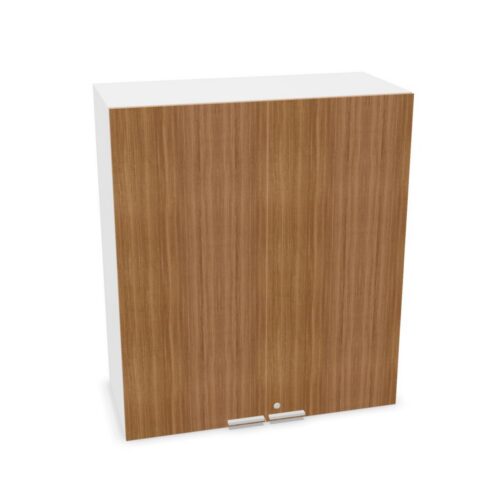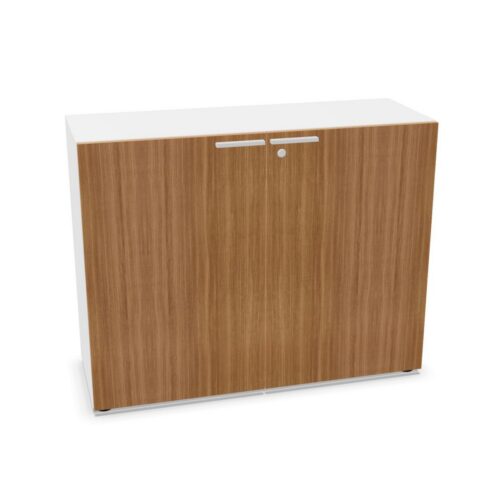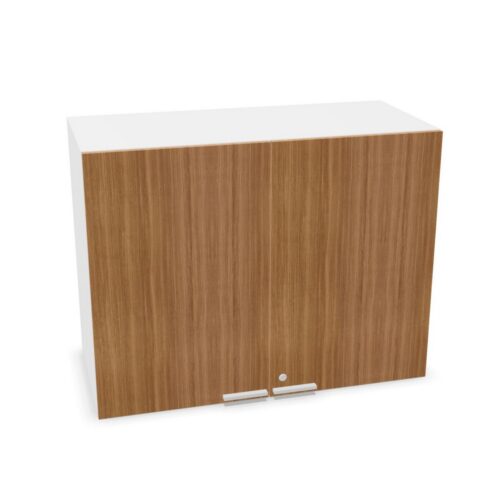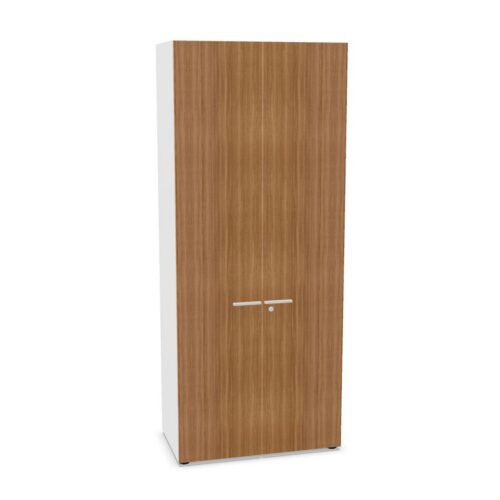


Office furniture marked as not acoustic has not been specifically designed to absorb, reduce or control sound within a workplace. This does not mean the product is unsuitable for office use. It simply means that acoustic performance is not one of its primary functions.
Many desks, chairs, tables, cabinets and accessories fall into this category. They can still be used successfully in offices where noise and speech privacy are managed through the overall layout, building materials or separate acoustic products.
What does “not acoustic” mean for office furniture?
An office furniture product without acoustic properties is generally intended for functions such as working, seating, storage, meeting or space organisation. It may contain soft or upholstered materials, but it has not necessarily been developed or tested as a sound-absorbing product.
The distinction is important when planning open-plan offices, call areas, meeting spaces and focus zones. A visually soft product should not automatically be treated as an acoustic solution unless the manufacturer provides relevant performance information.
When is non-acoustic office furniture suitable?
Furniture without a dedicated acoustic function can be suitable in many workplace environments, including:
- Private offices and enclosed workrooms
- Meeting rooms with acoustic ceilings or wall treatments
- Reception areas where sound control is addressed elsewhere
- Quiet workplace zones with limited telephone activity
- Offices using separate acoustic screens, panels or pods
- Workplaces where furniture is selected primarily for ergonomics, flexibility or design
The suitability of a product therefore depends on the complete room rather than on one furniture characteristic alone.
Non-acoustic furniture and workplace noise
Workplace acoustics are influenced by several factors, including room volume, hard surfaces, ceiling construction, wall separation, ventilation, layout, occupancy and user behaviour. Furniture is only one part of this system.
A non-acoustic desk or chair can still be used in a comfortable workplace when sound is controlled through appropriate zoning and dedicated acoustic solutions. Noisy activities can be separated from concentration work, while absorptive materials can be positioned close to the most important sound sources.
For a broader explanation, read our office acoustics planning guide.
When should you choose acoustic furniture instead?
Dedicated acoustic furniture may be beneficial where employees regularly make calls, collaborate in open areas or require more speech privacy. Examples include desk screens, room dividers, wall panels, ceiling elements and enclosed office pods.
Acoustic products can help when they are selected for a clearly defined problem, such as excessive reverberation or distraction between nearby workstations. They should not, however, be expected to correct every acoustic issue within a building.
Explore our range of acoustic office furniture when sound absorption or visual separation forms an important part of the workplace brief.
How to choose the right furniture
Start by considering the primary purpose of the product. A chair should fit its users and daily working duration, while a desk should provide the correct dimensions, adjustment range and cable-management options. Acoustic performance should be evaluated separately where it is relevant to the room or activity.
Questions to consider
- Will the furniture be used in an open or enclosed space?
- Are telephone calls or confidential conversations common?
- Does the room already contain acoustic ceilings, walls or panels?
- Is the product intended to absorb sound or perform another function?
- Are acoustic test results available where performance is required?
Browse the complete Myntwork office furniture collection to compare products by function, dimensions, materials and workplace application.