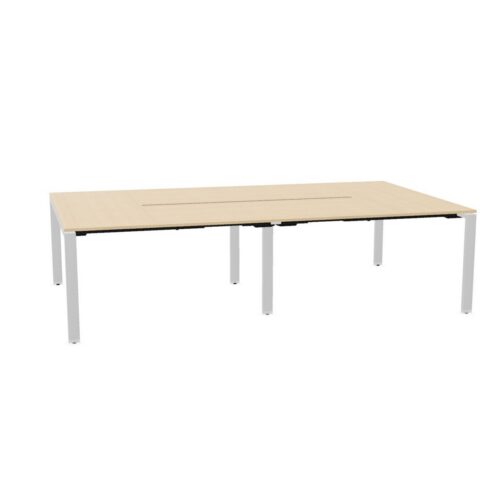


Fixed-height tables have a non-adjustable working height and are designed to remain at one consistent level during normal use. They are widely used in offices, meeting rooms, conference spaces, canteens, training rooms and other professional environments where frequent height adjustment is not required.
A fixed-height table can be a practical and durable choice when the intended users, activities and room layout are relatively consistent. The absence of a height-adjustment mechanism also means there are fewer moving parts to operate or maintain.
What is a fixed-height table?
A fixed-height table has a tabletop positioned at a predetermined height that cannot normally be raised or lowered by the user. The exact height depends on the type of table and its intended application.
Some fixed tables are designed primarily for seated desk work, while others are made for meetings, collaboration, dining, project work or standing applications. It is therefore important to compare the actual product dimensions rather than assuming that all non-adjustable tables have the same height.
Benefits of fixed-height tables
Fixed-height tables can offer several practical advantages in professional workplaces:
- Simple and straightforward construction
- No adjustment mechanism or electrical connection required
- Suitable for workplaces where the required height remains consistent
- Often easy to install and reposition
- Available in a wide range of sizes, shapes and frame designs
- Suitable for meeting, conference, training and general office applications
- Fewer moving components to operate or maintain
When is a fixed-height table a good choice?
A non-adjustable table can be suitable where users do not need to change the working height regularly. This is common in meeting rooms, conference spaces, reception areas, collaboration zones and many traditional office environments.
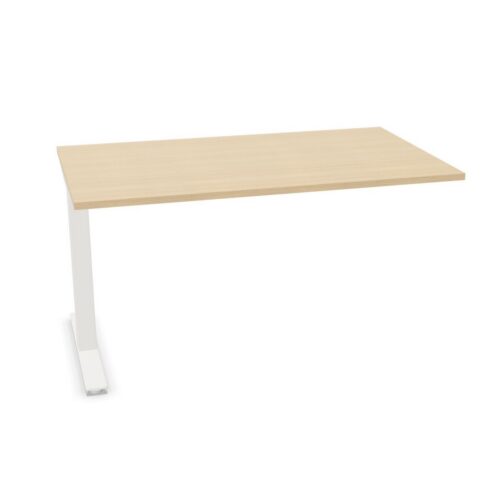
Fixed-height tables can also work well for assigned workstations when the table height, office chair and equipment can be configured appropriately for the intended user.
The decision should be based on how the table will actually be used rather than assuming that an adjustable table is automatically necessary in every workplace.
Fixed-height tables for office workstations
For desk-based work, the complete workstation should be considered together. A fixed table should be combined with a suitable adjustable office chair and correctly positioned monitor, keyboard and mouse.
If the table is too high for a particular user, raising the chair may help create an appropriate working position, but suitable foot support may then be required. A table that is too low may provide insufficient leg clearance or make comfortable equipment positioning difficult.
Our ergonomic workstation setup guide explains how the desk, chair and computer equipment should work together.
Fixed-height tables in meeting and conference rooms
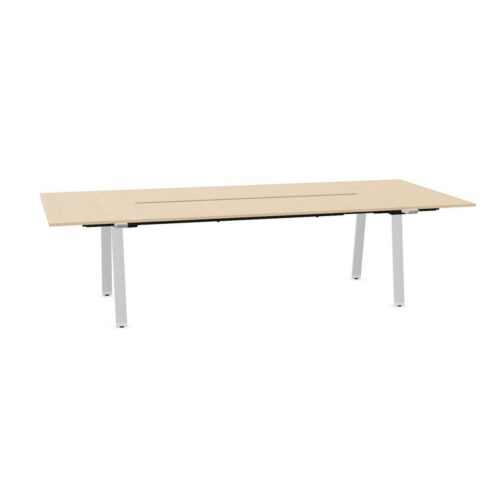
Fixed-height tables are particularly common in meeting and conference environments because users generally remain seated for a defined period and frequent height changes are unnecessary.
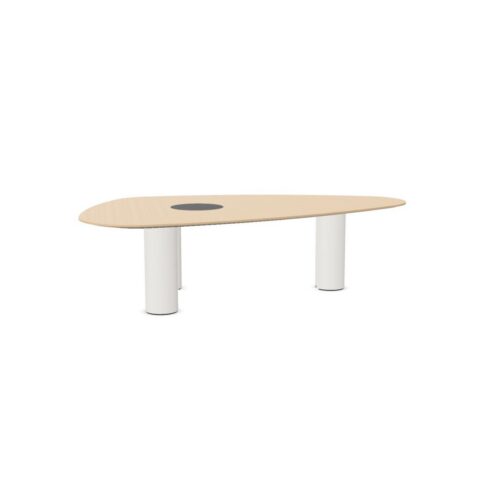
When selecting a meeting table, consider more than the table height. The overall dimensions, shape, number of users, chair clearance, power access and video-conferencing equipment can have a greater impact on how effectively the room functions.
Read our meeting room planning guide for more information about table dimensions, seating, circulation and technology.
Fixed-height tables in shared workplaces
A fixed-height table can also be used in shared and hybrid offices, but the workstation must accommodate a sufficiently broad range of users through the other adjustable components.
An adjustable office chair, monitor arm and suitable accessories can provide some flexibility even when the table itself does not move. However, a fixed desk may be less suitable where users have significantly different requirements or where sit-stand working forms part of the workplace strategy.
For highly shared workstations, compare the advantages of fixed furniture with height-adjustable tables before standardising the workplace.
Fixed-height vs height-adjustable tables
The main difference is whether the user can change the tabletop height after installation.
A height-adjustable table can adapt to different users or working positions and may be especially useful in shared workstations or environments where sitting and standing are both required.
A fixed-height table provides a simpler solution where these adjustments are unnecessary. It can be particularly appropriate for meeting tables, collaboration tables or assigned workstations with relatively stable requirements.
Choose a fixed-height table when:
- The required working height is unlikely to change
- The table is primarily used for meetings or collaboration
- Users can be accommodated through adjustable seating and equipment
- A simple furniture configuration is preferred
- There is no requirement for regular sit-stand working
Consider an adjustable table when:
- Different users regularly share the same workstation
- The workplace needs to accommodate a broad range of user heights
- Regular seated and standing work is required
- Individual height adjustment is an important part of the workplace brief
- Furniture needs to adapt frequently to changing activities
Table height is only one part of the specification
Whether a table is fixed or adjustable, its suitability also depends on other product characteristics. Important factors can include:
- Tabletop width and depth
- Available legroom
- Frame construction and stability
- Tabletop material and finish
- Number of intended users
- Load capacity
- Cable-management options
- Power and data integration
- Compatibility with screens or accessories
For a complete workplace project, these characteristics should be evaluated together rather than selecting furniture on table height alone.
Fixed-height tables and workplace flexibility
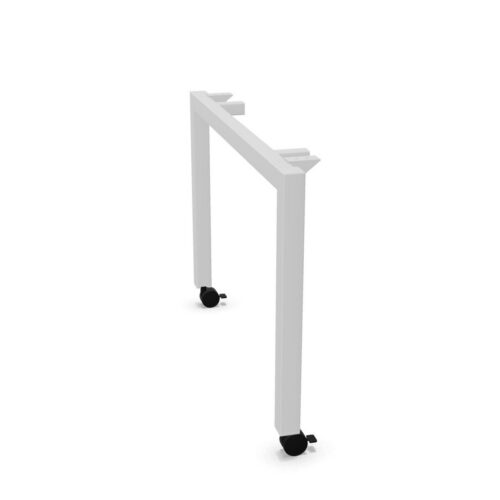
Choosing a fixed-height table does not necessarily mean creating an inflexible office. Workplace flexibility can also come from modular layouts, standardised dimensions, mobile furniture and products that can be moved between different rooms or teams.
A well-planned furniture standard can make fixed-height tables easy to reuse when departments move or the office layout changes.
Read our office space planning guide for more information about designing layouts that can adapt over time.
Questions to consider
- What activity will take place at the table?
- What is the actual tabletop height?
- Will the table be assigned or shared?
- Can different users be accommodated through adjustable seating?
- Is sit-stand working required?
- How much legroom is available beneath the table?
- What tabletop dimensions are needed?
- Does the table require integrated power or cable management?
- Will the furniture need to move between different workplace areas in the future?
Explore fixed-height tables at Myntwork
Fixed-height tables provide a straightforward solution for many office, meeting and collaboration applications. They are particularly suitable where the working height remains consistent and the flexibility of a height-adjustment mechanism is not required.
Compare the dimensions, shape, frame, materials, number of users and intended application of each table before making a selection.
Explore our office desks, conference tables or browse the complete Myntwork office furniture collection.

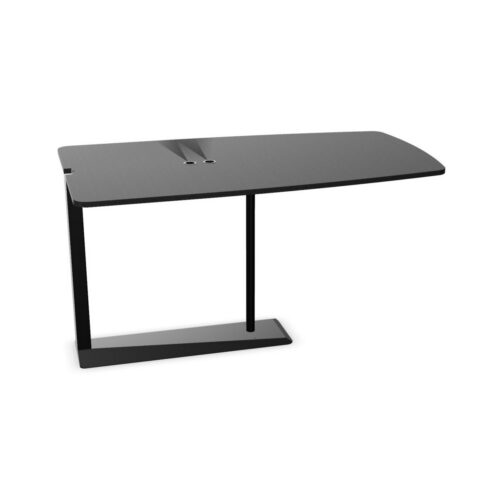


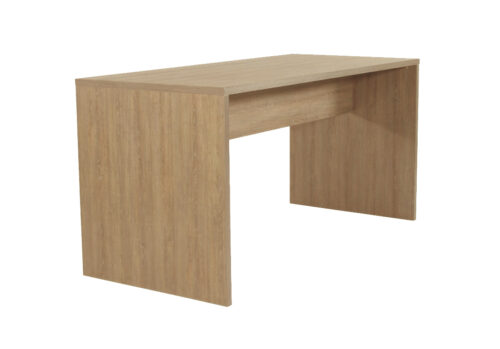
Myntwork

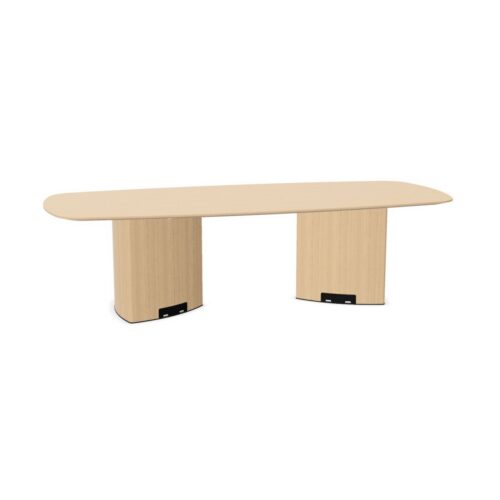




Bralco


Bralco