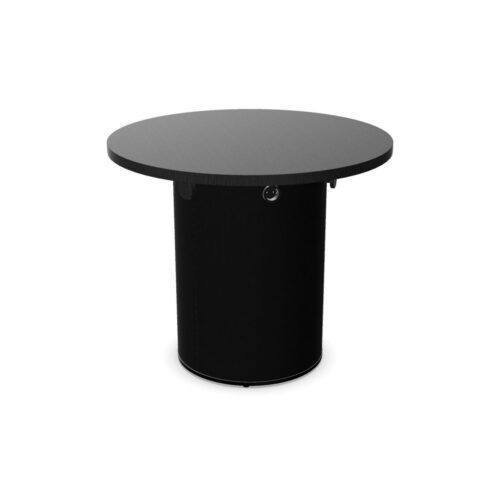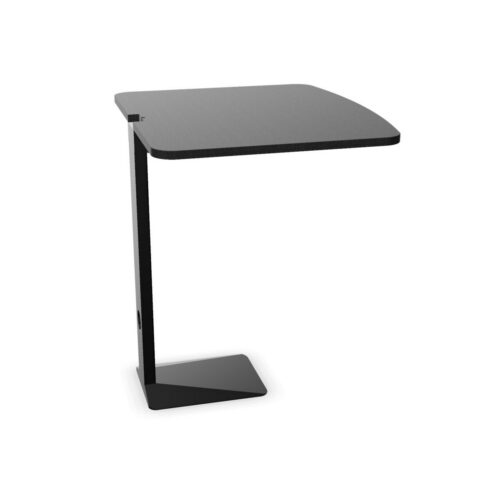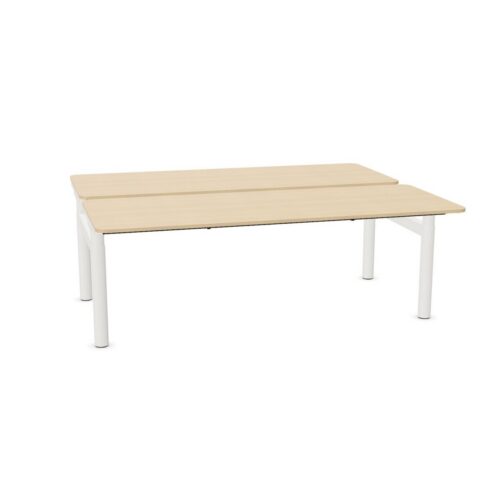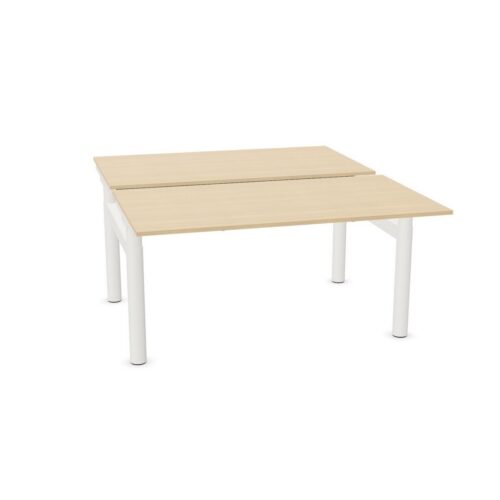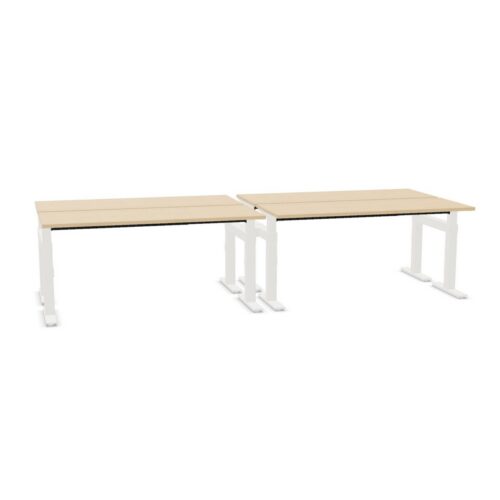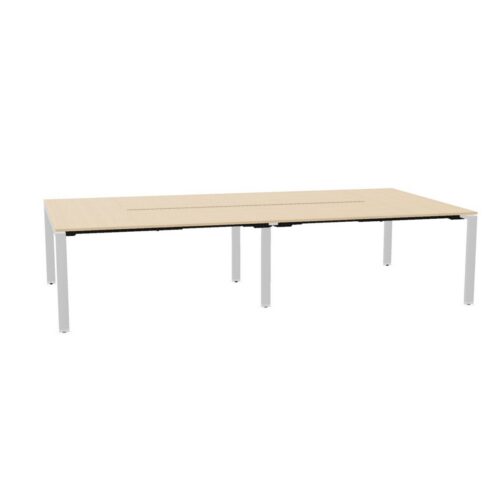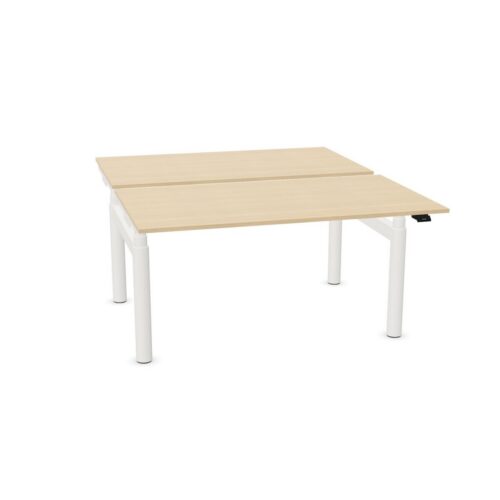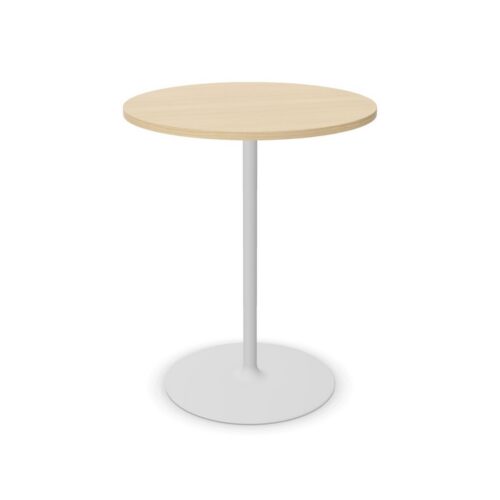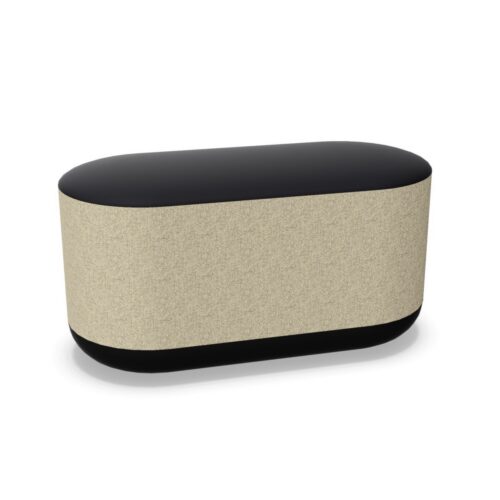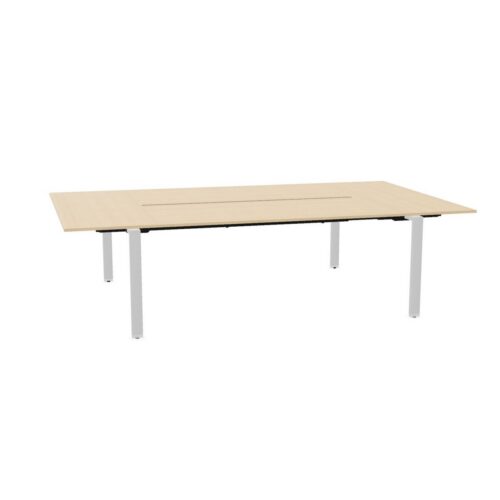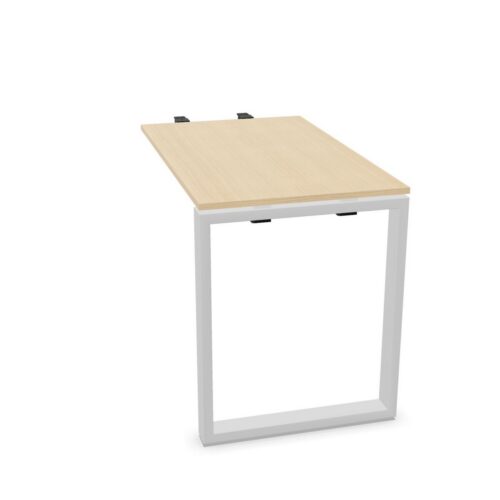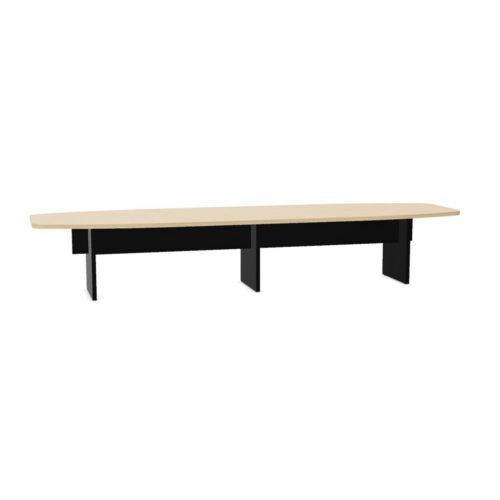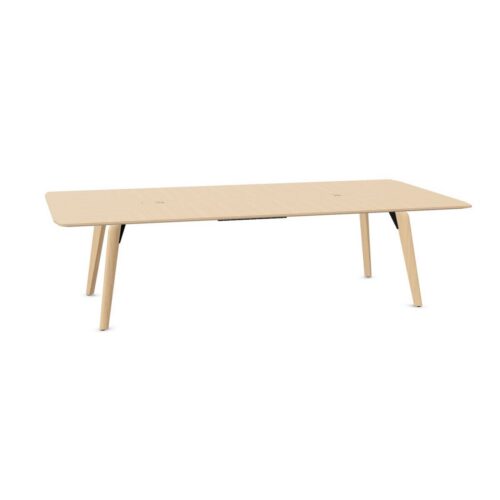


Office furniture for 2 people brings together tables, desks and meeting solutions intended to support a pair of users in shared work, short discussions and focused one-to-one sessions. On this page, the number refers to the typical workplace or seating capacity stated for the item, particularly for meeting and table furniture.
A two-person arrangement can be a practical choice where space needs to work hard. It creates a defined setting for collaboration without introducing the footprint, visual weight or circulation demands of a larger meeting table. Always review the individual product dimensions and layout details before deciding whether a particular item suits its intended room.
What does 2 people mean for office furniture?
The 2 people filter identifies furniture commonly configured for two users. For a meeting table, this usually means two seats can be positioned comfortably for a conversation or compact working session. For a bench desk or shared workstation, it may describe two adjacent work positions.
Capacity is a useful starting point rather than a complete specification. The practical number of people around a table can vary with chair size, armrests, the need for laptop space, monitor arms, cables, power modules and the room available around it. A small round table and a rectangular desk may both be described as suitable for two people, while serving very different activities.
Why choose a two-person layout?
Two-person furniture supports the everyday interactions that do not always require a formal meeting room. It can make room for quick project reviews, interviews, mentoring, private conversations and side-by-side work, while keeping teams close to their wider workplace.
- It uses less floor area than larger collaborative settings.
- It gives pairs a dedicated place to meet without occupying a larger room.
- It can suit compact offices, satellite spaces and adaptable floorplans.
- It provides a clear scale for one-to-one work and informal discussions.
- It can be easier to position near workstations, breakout areas or reception spaces.
For procurement teams, selecting by capacity can also help create a balanced mix of settings. A workplace may need several small meeting points alongside larger tables, individual desks and soft seating, rather than relying on one format for every conversation.
Where two-person furniture is commonly used
Furniture designed for two people appears across a wide range of professional environments. In open-plan offices, a compact table can provide a nearby place for a manager and colleague to talk. In a dedicated meeting room, it may form a simple setting for confidential one-to-ones, interviews or video calls.
Two-person configurations are also useful in coworking spaces, client-facing offices, training areas and project zones. They can define a smaller destination within a larger room, particularly when placed with suitable chairs, lighting and access to power. In hospitality-style breakout spaces, a small table may support an informal catch-up or a short laptop session.
Consider the activity as well as the headcount. A pair reviewing drawings or using two large screens may need more surface area than two people having a brief conversation. Likewise, a table intended for regular video calls may benefit from a position that considers background, acoustics and screen visibility.
Furniture types included in this filter
The products shown may include different types of office furniture with a stated capacity of two people. The exact mix changes as ranges are updated, but two-person capacity is particularly relevant to compact meeting tables, shared desks, benching arrangements and occasional tables.
- Small meeting tables for scheduled or spontaneous conversations.
- Two-person desks for paired workstations or shared task areas.
- Compact conference tables for focused client, management or interview meetings.
- Breakout tables for informal work, coffee meetings and touchdown use.
- Project tables where two colleagues need a shared surface for short-term work.
Use the product page to check the intended application. A table’s dimensions, height, shape, finish and base design all affect where it will work most effectively, even when its listed capacity is the same.
Planning space around a two-person table
A successful layout allows people to sit down, move their chairs and pass through the room without obstruction. Start with the table dimensions, then account for the chairs selected and the clear space needed behind them. In a busy route, avoid placing seating where someone must move a chair into the main circulation path.
Shape is important. Round and square tables can work well for equal, face-to-face conversation in compact areas. Rectangular formats can offer a more conventional meeting position or a longer shared work surface. Base placement matters too: pedestal bases may make it easier to position chairs, whereas leg positions should be checked against where users will sit.
For a fuller view of room sizes, seating clearances and meeting settings, see the meeting room planning guide. It can help place a two-person solution within an overall office plan rather than assessing the furniture in isolation.
How to choose furniture for two people
Begin by defining the main purpose. A table used for ten-minute check-ins may prioritise a compact footprint, while a setting for regular laptop work needs adequate depth, cable access and a surface that accommodates both users’ equipment. If the item will be moved or reconfigured often, consider its weight, construction and relationship with surrounding furniture.
Questions to consider
- Will the space be used mainly for conversation, laptop work or both?
- What table size is needed once chairs and equipment are in place?
- Does the room have sufficient clearance for seated users and circulation?
- Are power and data access required at or near the furniture?
- Will users need visual privacy, acoustic separation or a more open setting?
- Does the finish coordinate with existing desks, seating and storage?
It is also sensible to consider how the configuration may change over time. A two-person table can be a permanent meeting point, but it may also be part of a flexible layout that is rearranged as team sizes, work patterns or room uses evolve.
Two-person settings within a wider meeting strategy
Small settings work most effectively when they complement, rather than replace, other room capacities. Teams often need a combination of private one-to-one spaces, informal tables for pairs, medium-sized rooms for project groups and larger settings for presentations or workshops.
When comparing options, browse the wider range of conference tables to see how different shapes and capacities can support a coordinated meeting environment. A consistent approach to finishes and proportions can help separate spaces feel connected while allowing each area to serve its own purpose.
Related Myntwork ranges
Use this filter to narrow the catalogue to furniture typically intended for two people, then compare individual dimensions, materials and product details. For broader meeting-space options, the conference table category provides a useful route to larger and alternative table formats, while the planning guide supports decisions about room layout, seating and circulation.
Two-person furniture is a considered addition to offices that need practical places for paired work and conversation. It offers a compact scale for everyday collaboration while leaving space for the other work settings a well-planned workplace requires.