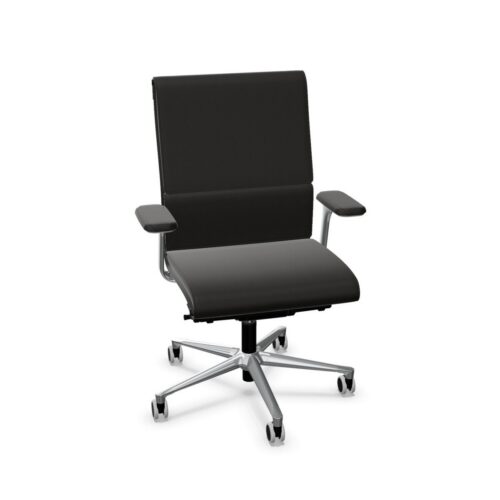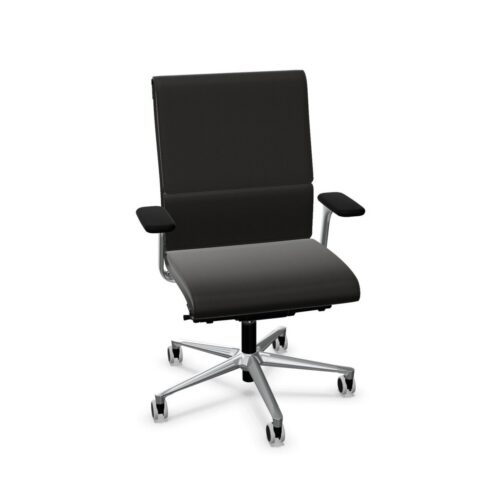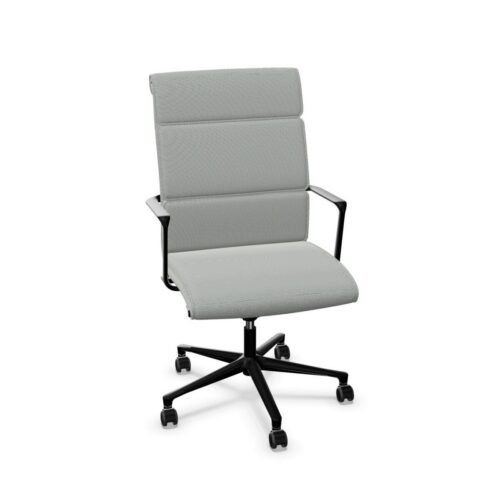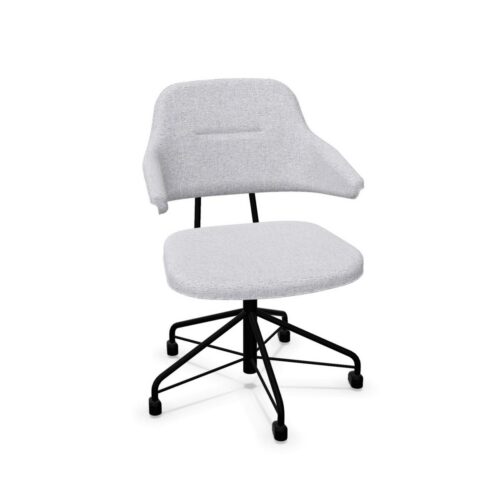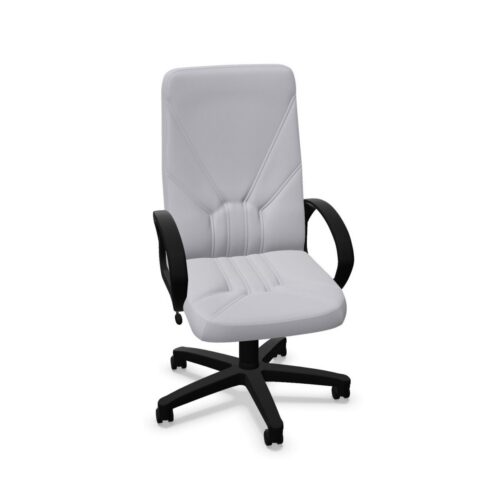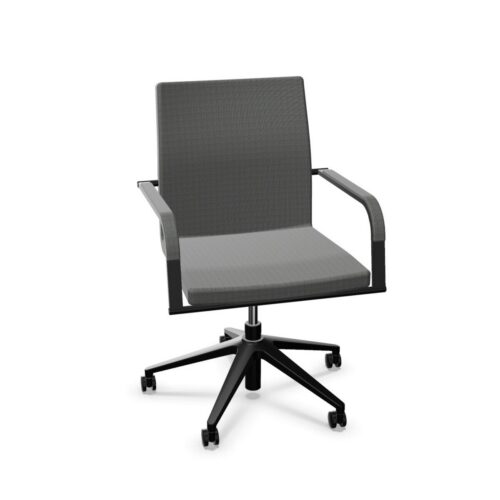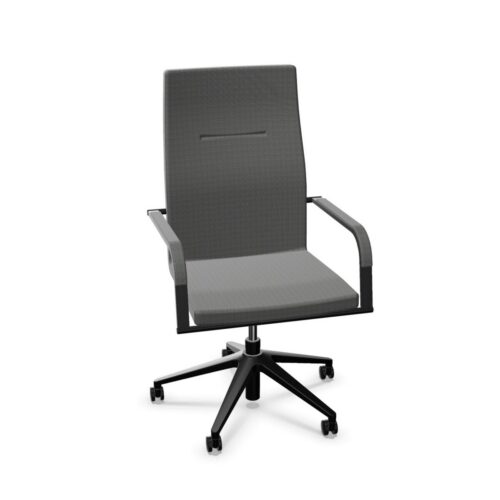


Executive office chairs are designed for individual workspaces where comfort, support and a considered visual presence are important. Often specified for private offices, leadership teams and client-facing rooms, this chair type can suit people who spend a substantial part of the working day seated at a desk.
The executive chair label describes a typology rather than one fixed construction. Products on this page may differ in upholstery, back height, adjustment options, base finish and overall proportions, so it is useful to compare each chair’s individual specification before selecting it for a workplace.
What is an executive office chair?
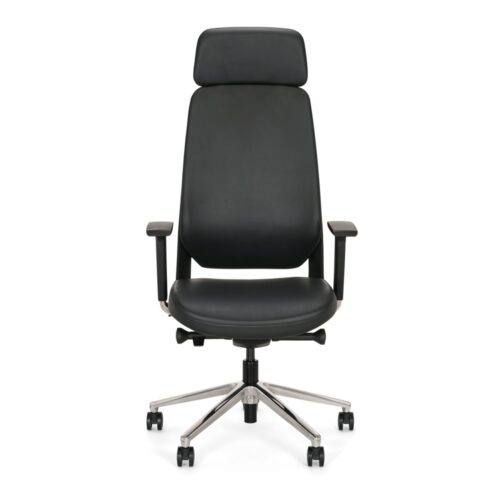
An executive chair is generally a more substantial desk chair intended for a dedicated workstation. It commonly has a higher back than a compact task chair and may have a broader seat, armrests or a more pronounced silhouette. These characteristics can make it a natural choice for offices where one person uses the same chair regularly.
Executive seating is not simply about appearance. The right chair should support the way the user works, the desk they use and the movements they need to make during the day. Some models prioritise a classic boardroom or private-office look, while others have a contemporary form and workplace-focused controls.
Why executive seating matters in a workplace
For assigned desks and individual offices, a chair needs to work reliably across concentrated computer work, calls, meetings and short periods away from the screen. A well-chosen executive chair can help create a workstation that feels appropriate for sustained use without making assumptions about a single user’s needs.
- A higher or more enveloping back can provide a distinct seating profile for private offices and leadership workspaces.
- Armrests can offer a place to rest the arms between keyboard tasks, depending on the chair’s configuration and the user’s desk setup.
- A more substantial form can help distinguish a dedicated workstation from shared touchdown seating.
- Its finish and proportions can contribute to a coordinated interior in client-facing or formal areas.
These benefits depend on the particular product and its adjustment range. A chair that looks suitable still needs to fit the user and allow an effective working posture at the desk.
Where executive chairs are commonly used
Executive chairs are often used in private offices, senior leadership spaces and assigned workstations. They can also be considered for home offices where a permanent work setup calls for a full-sized desk chair rather than occasional seating.
In meeting environments, an executive-style chair may be selected for a chairperson position or for smaller formal meeting rooms. However, the visual weight of the chair should be considered alongside the table, circulation space and the number of seats in the room. A large chair can make a compact meeting room feel crowded, while a lighter-profile option may better suit a collaborative setting.
- Private offices with dedicated desks.
- Leadership and management workstations.
- Client-facing offices and consultation rooms.
- Formal meeting rooms with regular seated discussions.
- Home-office setups used for frequent desk-based work.
Executive chairs and ergonomic workstations
Executive is not a substitute for ergonomic suitability. Ergonomics concerns the relationship between the user, chair, desk, screen and work pattern. When reviewing executive chairs, look beyond the category name and assess the features shown on each product listing.
Useful functions may include seat-height adjustment, a reclining or tilting mechanism, adjustable arms, lumbar support or controls that alter resistance. Not every chair will include every feature, and the importance of each one varies by user. For example, a chair used by several people may benefit from straightforward, easy-to-find adjustments, whereas an assigned chair can be set up around one regular user.
For guidance on the wider workstation, read how to choose an office chair. It is also worth considering desk height, monitor position and the room available for movement, rather than treating the chair as an isolated purchase.
How to choose an executive office chair
Start with the intended user and pattern of use. A chair for frequent desk work should be assessed differently from a chair used mainly for meetings or occasional administration. Measure the workstation and check the chair’s dimensions, including its footprint, arm width and any space needed when reclining or moving around the desk.
Questions to consider
- Will the chair be used by one person or shared between different users?
- How many hours is it likely to be used on a typical working day?
- Does the desk allow enough clearance for armrests and the chair base?
- Which adjustments are needed for the intended user or users?
- Is a high back appropriate for the room’s scale and the surrounding furniture?
- Does the upholstery or finish suit the practical demands of the space?
- Will the chair be used on carpet, a hard floor or another surface that affects castor choice?
When comparing options, use the product information to check dimensions, materials and available configurations. Where seating forms part of a larger furnishing plan, consider whether matching finishes, consistent base details or a common design language are needed across desks, meeting tables and storage.
Materials, finishes and visual character
Executive chairs can be upholstered in a range of materials and may have differing base, arm and back details. A soft, upholstered appearance can add warmth to an office, while a more structured design may support a cleaner contemporary scheme. The most suitable finish will depend on the room’s use, existing palette and cleaning requirements.
For leadership offices, it can be helpful to balance individuality with consistency. An executive chair may have a distinct presence without needing to look disconnected from visitor chairs, meeting seating or the wider workplace furniture selection. Consider texture, colour, stitching and base finish as part of the complete room rather than in isolation.
Planning executive seating within a furniture lease
Office furniture leasing can make it easier to plan executive seating as one element of a broader workplace requirement. Alongside the chair itself, teams may need desks, visitor seating, meeting-room furniture and storage that work together operationally and visually.
For procurement teams, maintaining a clear schedule of quantities, locations, finishes and user requirements helps compare chair options consistently. It also supports future planning where additional workstations, replacement chairs or changes to office layouts may be required. Product-level details remain important, particularly where chairs are being selected for different users or working environments.
Related office seating ranges
Executive chairs are one part of a wider seating specification. Depending on the layout, a workplace may combine dedicated desk chairs with task seating for shared desks, meeting chairs for collaboration and visitor seating for reception or private offices.
Browse the wider range of office chairs to compare chair types for different work settings and to build a more coordinated seating plan across the workplace.
Myntwork