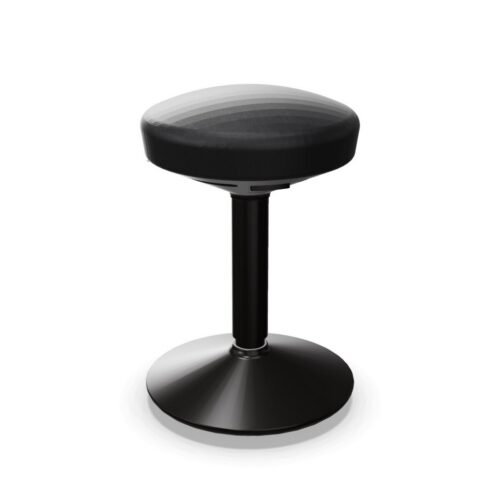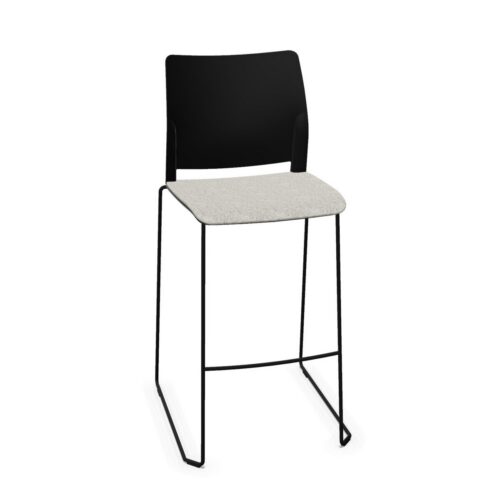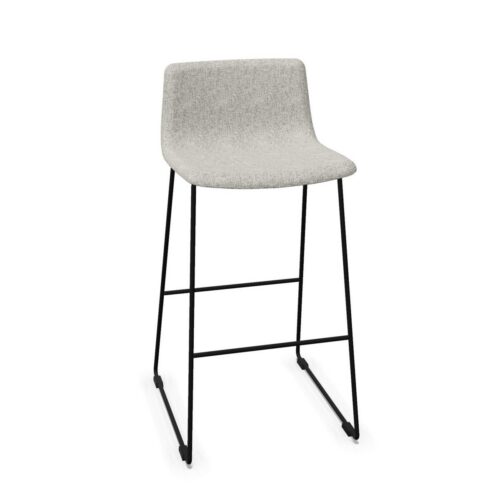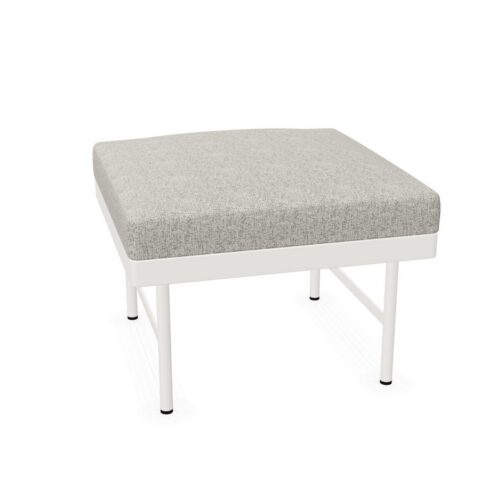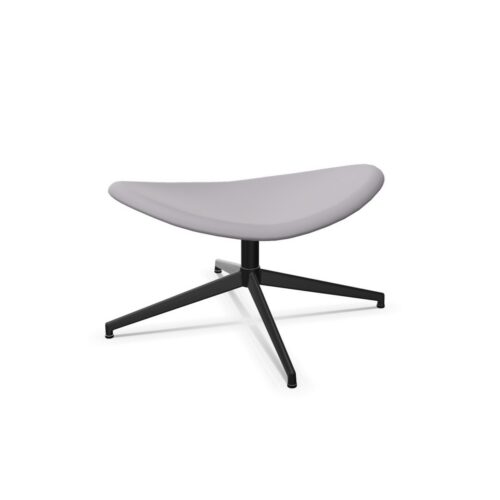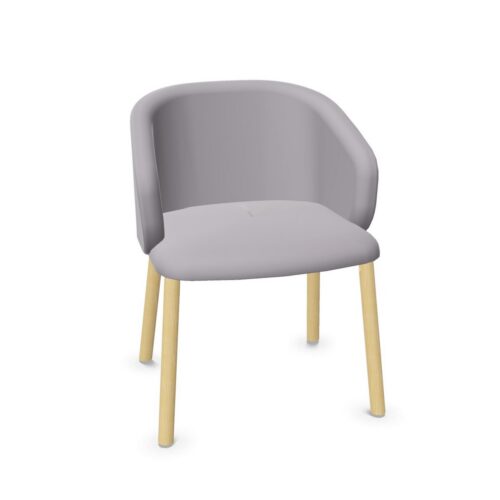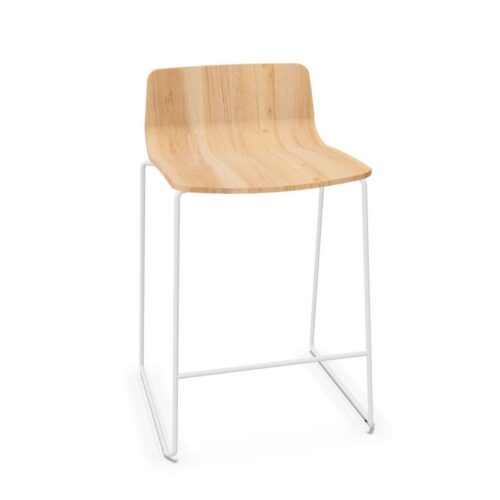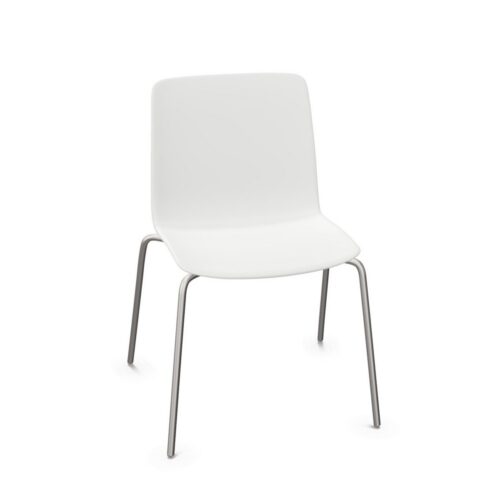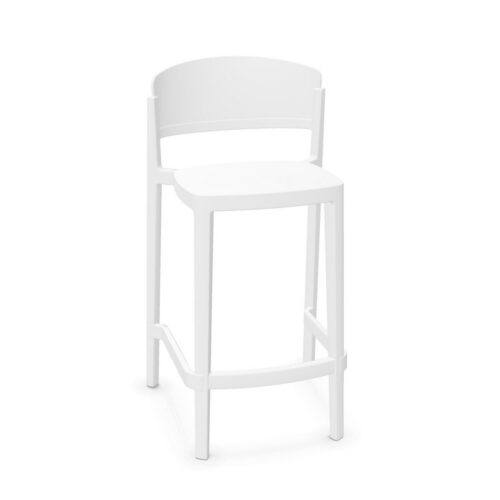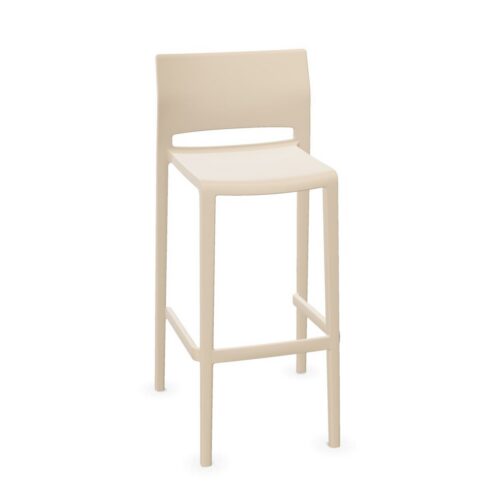


Office stools provide a compact, flexible seating option for workplaces where people need to move easily between tasks, work at elevated surfaces or keep circulation areas clear. Within an office-chair specification, a stool refers to a seat designed without the conventional full-height chair format; individual models may differ in height, back support, base style and adjustment options.
They can be used alongside desks, counters, benches and specialist workstations, helping procurement teams select seating that suits both the work being done and the dimensions of the space. The stool listings in this archive include a range of designs for commercial interiors, from simple task stools to more supportive seating intended for longer periods of use.
What is an office stool?
An office stool is a work seat with a small footprint and a simple construction, commonly based around a central pedestal or a four-legged frame. Unlike a typical task chair, it may have no backrest or armrests. Some stools include a back or a foot ring, while others are deliberately minimal for short-duration and mobile work.
The defining consideration is not simply appearance. Stool seating is usually selected for its suitability at a particular work height, the freedom it gives users to turn or reposition, and the amount of support required for the task. It should therefore be specified as part of the workstation rather than chosen as an interchangeable substitute for every desk chair.
Why choose stools for a workplace?
Stools can make practical use of areas where a larger chair would be awkward. Their reduced visual and physical bulk can also support flexible layouts, particularly where seats are regularly moved, tucked away or shared between users. For teams working around high tables, counters or adjustable-height desks, an appropriate stool can help establish a more workable seated position.
- They can suit worktops, reception counters and elevated collaboration tables.
- Compact forms can help keep narrow work zones and circulation routes less obstructed.
- Swivelling or wheeled variants may support movement between nearby equipment or surfaces.
- Models with foot support can be useful where the seat height places feet above floor level.
- A mixture of stool types can accommodate focused, occasional and specialist tasks within one site.
These benefits depend on the product and its intended use. A stool that works well at a laboratory bench or touchdown counter may not provide the support needed for a full day of concentrated screen work.
Common settings for office stools
Office stools are found in a broad range of business environments. In open-plan offices, they may be placed at high project tables or agile work points. In reception and visitor-facing settings, they can support staff positions behind a raised counter. Design studios, training rooms and technical spaces may use them where users need close access to materials, tools or shared equipment.
They are also relevant to hybrid layouts, where conventional desks sit alongside standing-height tables and informal meeting points. In these settings, stools give users a seated option without changing the intended height or function of the furniture around them.
Types of stool seating to consider
The type of stool should reflect both the workstation and the anticipated duration of use. A backless perch may be appropriate for brief tasks, whereas a model with a shaped seat, backrest or greater adjustability may be more suitable for repeated use. Base construction matters as well: castors can make repositioning easier on suitable floor finishes, while fixed feet can provide a more settled position.
- Backless task stools: compact options for short tasks and spaces where unrestricted movement is useful.
- Stools with back support: a choice to consider where users need more support while retaining a stool-height format.
- Counter-height stools: intended for elevated surfaces, subject to checking the actual seat-height range against the counter.
- Foot-ring stools: may offer a footrest at higher sitting positions.
- Fixed-base stools: suitable where a stable, non-mobile seat is preferred.
Choosing the right height and configuration
Seat height is central to successful stool selection. Measure the underside and working height of the desk, bench or counter, then allow for the user’s legroom and for a comfortable relationship between the seat and work surface. Where more than one person will use the stool, an adjustable model can provide useful flexibility, but its range still needs to suit the furniture it accompanies.
Consider whether a footrest is required. At raised workstations, unsupported feet can affect comfort and posture. A foot ring or integrated support may be relevant, although its placement and adjustability should be assessed alongside the seat height. Also review the floor finish, the need for mobility and whether the stool will be moved frequently between work areas.
Ergonomics and duration of use
Ergonomic suitability depends on the individual, the task and the time spent seated. A simple stool may be a sensible choice for occasional use, but it is not automatically appropriate for prolonged computer-based work. Users who require regular postural changes, lumbar support, arm support or extensive controls may be better served by a different chair typology.
For shared workplaces, it is helpful to establish how the seat will be used in practice rather than relying on a layout drawing alone. The relationship between monitor height, keyboard position, worktop level and foot support should be considered together. Our guide on how to choose an office chair outlines wider points to review when matching seating to people and tasks.
Questions to consider before specifying stools
Assess the workstation as well as the seat
- What is the measured height of the desk, bench, counter or table?
- Will the stool be used briefly, intermittently or for extended periods?
- Is a backrest, foot support or height adjustment required for the planned users?
- Should the base be mobile, fixed, or selected to suit a particular floor surface?
- Will the stool be shared across shifts or need to fit beneath the work surface when not in use?
- Are there space, access and cleaning requirements specific to the room?
Answering these questions early can help create a coherent seating schedule and avoid pairing a suitable stool with an unsuitable work height.
Related seating ranges from Myntwork
Stools are one part of a wider workplace seating plan. A project may combine them with task seating at standard desks, visitor chairs in meeting areas and specialist seating in technical zones. Browse the broader selection of office chairs to compare other formats and identify options for different work settings.
For procurement teams planning varied workspaces, the relevant category pages can help distinguish seating by intended use, features and workplace context, while this stool archive provides a focused starting point for elevated, compact and flexible seating requirements.
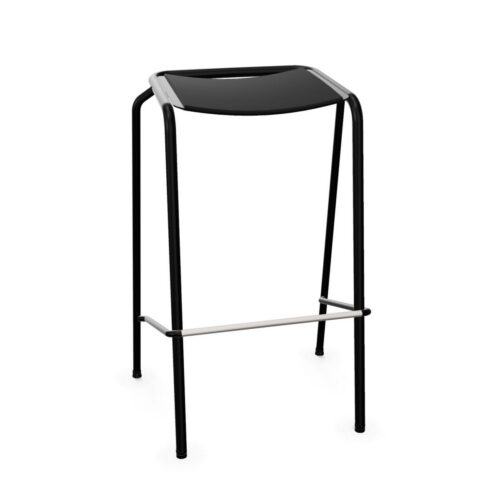
Abstracta