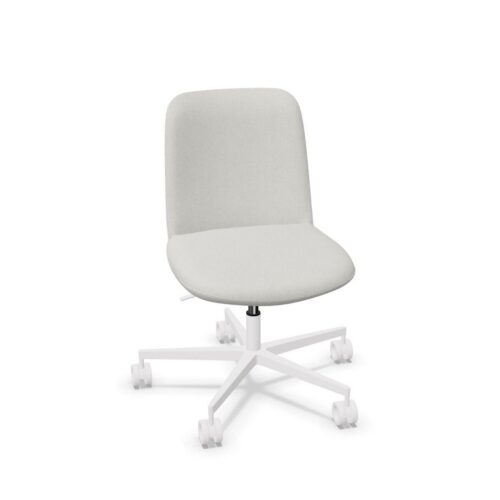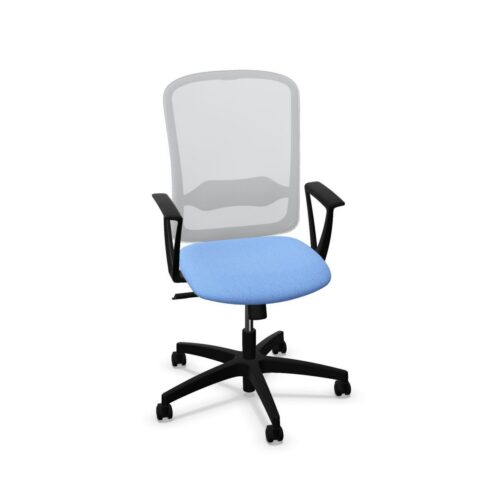


Task chairs are office chairs intended for regular desk-based work. They are commonly specified for individual workstations, shared desks and home-working setups where people may sit for sustained periods while using screens, keyboards and other equipment.
Within a workplace furniture scheme, a task chair is usually selected for its adjustability, fit and suitability for the person and the work being done. Designs vary considerably, from straightforward operator chairs to more fully adjustable models with different back, seat, arm and support options. This archive brings together chairs identified by their task-chair typology, helping procurement teams compare suitable options in one place.
What is a task chair?
A task chair is a movable office chair designed around focused, everyday work at a desk. It normally has a swivel base and castors, allowing the user to turn, reach and move around a workstation without repeatedly standing up. Many task chairs also include adjustment mechanisms intended to help tailor the seating position.
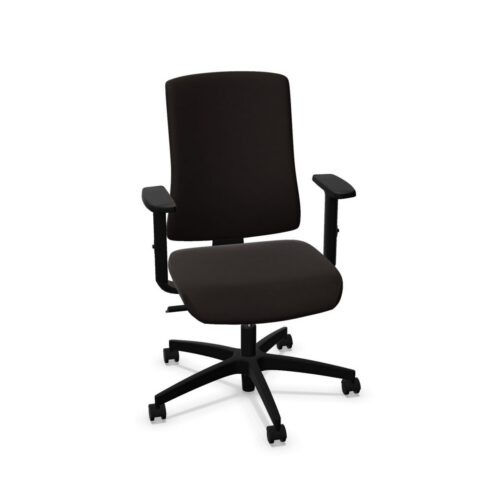
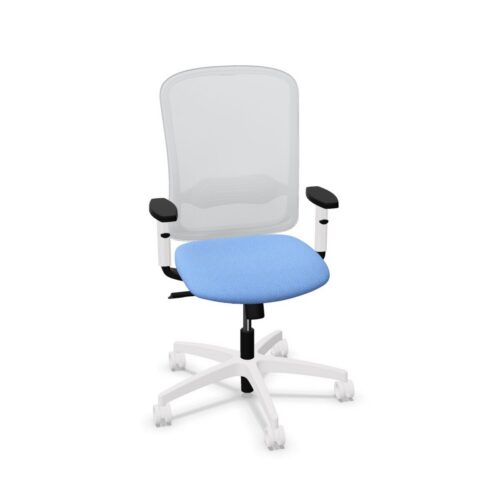
The term describes the chair’s primary purpose rather than one fixed design. A task chair may have a mesh, upholstered or plastic back; fixed or adjustable arms; a low, medium or high back; and a range of control types. The individual product specification should always be checked because not every task chair offers the same adjustments or components.
Why task seating matters in a workplace
Desk work can involve long stretches of concentration, frequent screen use and changes between typing, reading, meetings and calls. A chair that can be set up appropriately for its user and workstation helps make the working position more practical to maintain throughout the day.
For facilities and procurement teams, task seating also supports a more consistent approach across a floorplate. Choosing a suitable family of chairs can make it easier to plan replacement cycles, accommodate different workstations and retain a coherent appearance in open-plan areas.
- It is suited to assigned desks as well as flexible desk neighbourhoods.
- Swivel and castor bases support movement within the immediate work area.
- Available adjustments can help accommodate different users and desk configurations.
- A broad choice of finishes and components can support workplace design requirements.
Common settings for task chairs
Task chairs are most often used at computer workstations in offices, studios, call-handling environments and administrative spaces. They are also relevant for hybrid workplaces where desks may be used by different people on different days, provided that the chair’s adjustment range and operating controls are appropriate for the intended users.
They can be used in private offices, shared workrooms and touchdown areas, although the right choice may differ between locations. A chair for intensive individual work may need a different level of adjustability from one used only occasionally at a hot desk. In meeting rooms, a task chair can work where participants need to use laptops or stay seated for longer sessions, but a meeting-specific chair may be preferable where a lighter, more occasional-use format is required.
Task chair features to compare
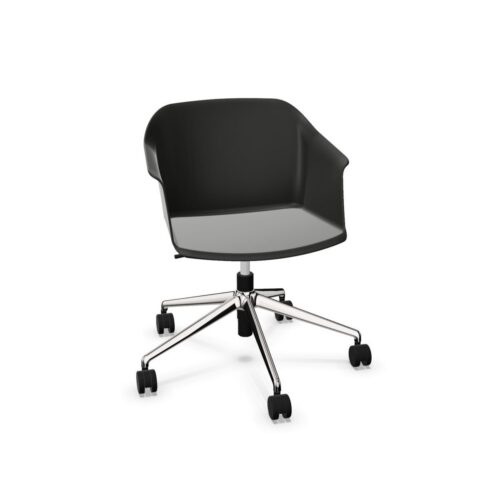
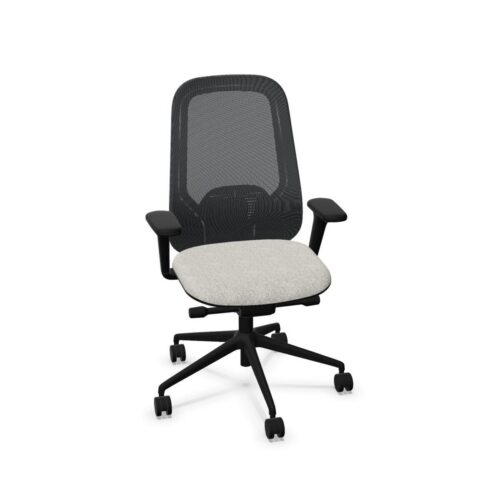
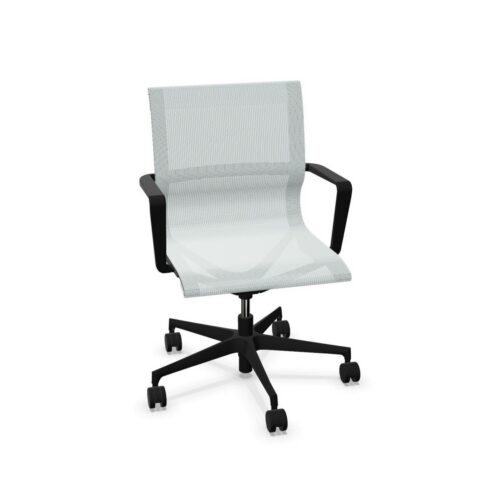
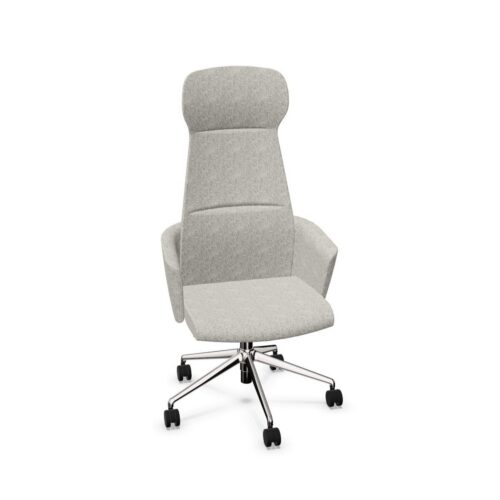
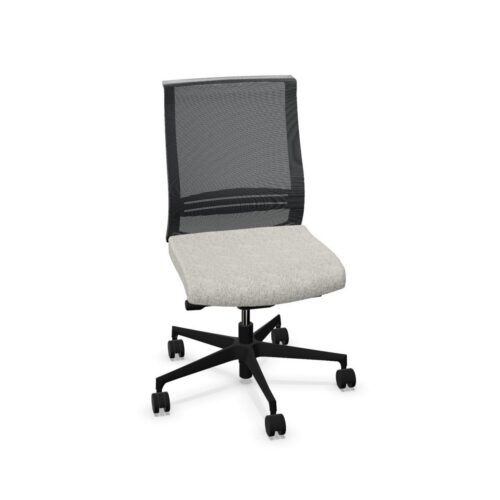
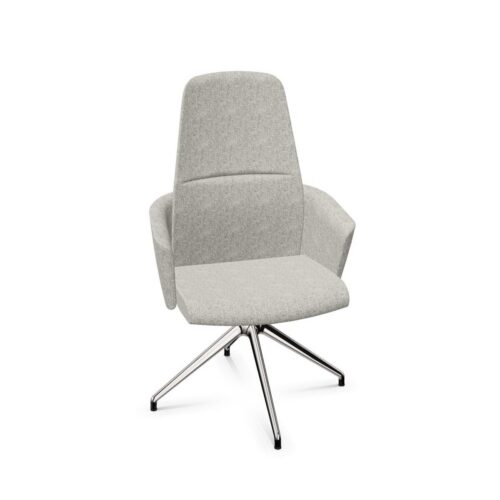
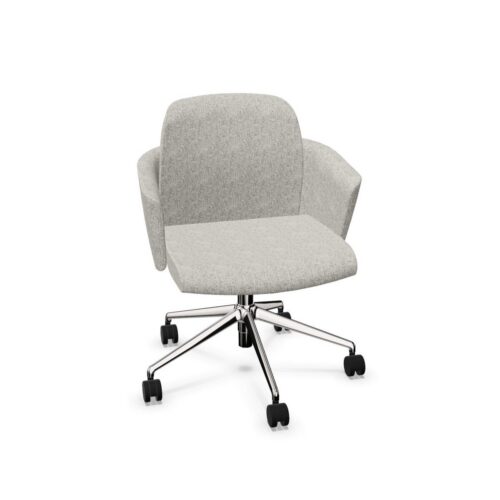
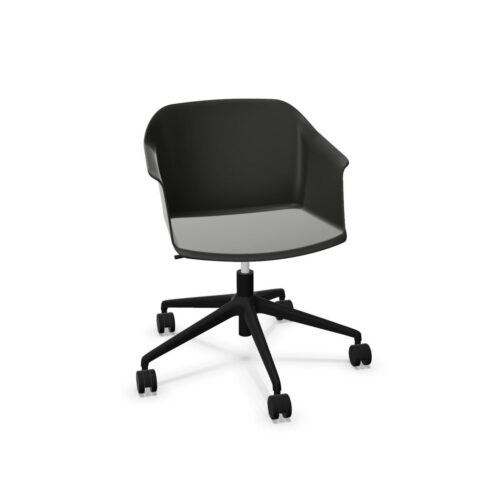
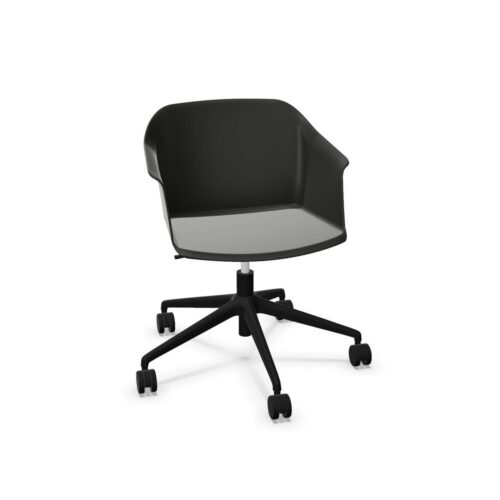
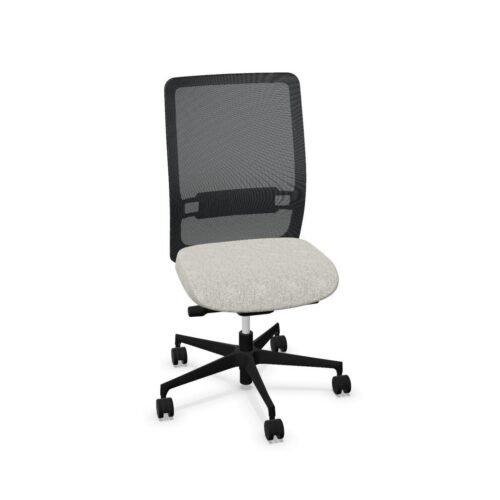
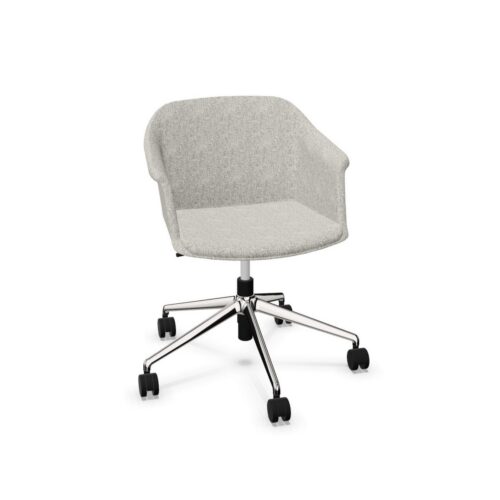
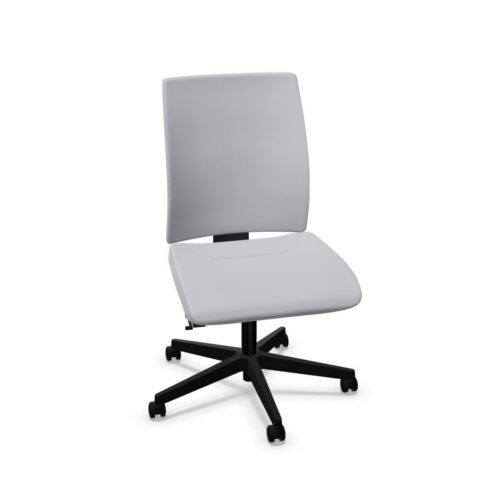
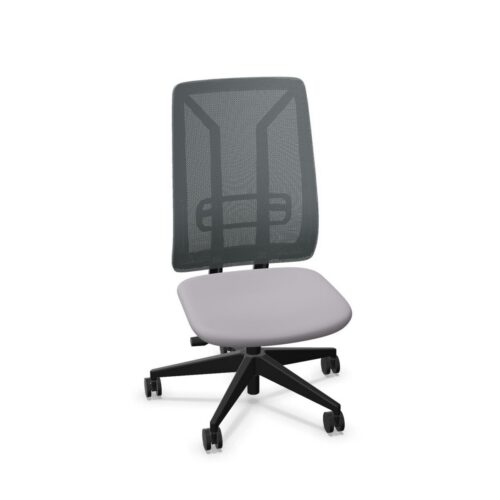
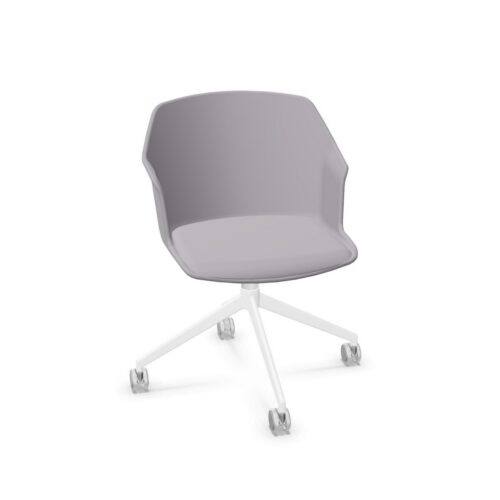
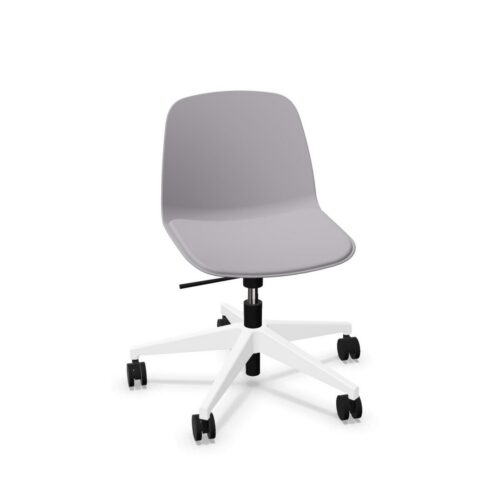
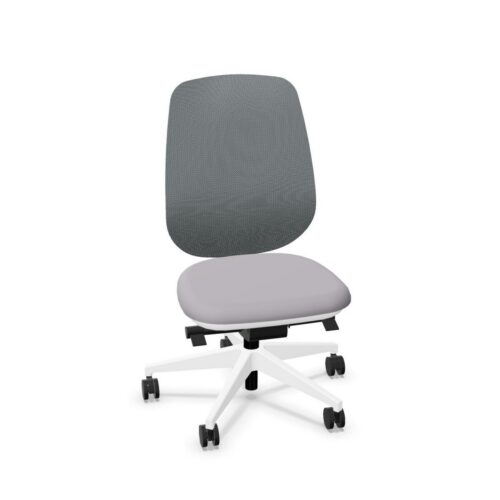
When reviewing task chairs, begin with the functions that affect setup, daily use and compatibility with the wider workstation. Product imagery is useful for assessing form and finish, while the technical information confirms what is supplied and which options are available.
- Seat-height adjustment: allows the seat position to be altered in relation to the desk and user.
- Back and recline controls: may include tension adjustment, locking positions or independent back movement, depending on the model.
- Lumbar support: can be integrated, adjustable or absent; assess the product detail rather than assuming it is included.
- Arm options: chairs may be armless, fixed-arm or adjustable-arm designs, with different widths and heights.
- Seat dimensions and depth: these affect fit and should be considered alongside the expected user group.
- Base and castors: base finish, castor type and suitability for the floor surface may vary.
- Back material: mesh, fabric and other constructions can give a different visual character and sitting feel.
Choosing task chairs for shared and assigned desks
For an assigned workstation, it can be sensible to select a chair with the adjustment options needed by the individual user and the tasks undertaken there. Consider the desk height, monitor arrangement, available clearance under the desk and whether arms need to fit beneath the worktop.
For shared desks, simple and intuitive controls can be particularly important. Chairs used by a changing group of people should be easy to reset and offer a useful range of adjustment without making everyday operation unnecessarily complicated. Consistency across a bank of desks can also help users understand how to make basic changes before beginning work.
In either arrangement, assess the chair as part of the complete workstation rather than in isolation. Desk dimensions, screen equipment, storage placement and the type of flooring all influence whether a particular specification is appropriate.
Questions to consider before specifying
Work pattern and user needs
The length and nature of use should inform the level of adjustment and support you seek. Consider whether the chair will primarily be used for keyboard work, mixed desk activity, collaborative work or occasional laptop use. Where a workforce has varied needs, a chair range with appropriate configuration options may assist planning.
Space, finish and maintenance
Check footprint and movement space around each desk, especially in denser layouts. Consider how the chair’s back height, base finish and upholstery or mesh colour sit with surrounding desks, screens and storage. Cleaning requirements and the availability of replaceable parts or different upholstery grades may also be relevant to an ongoing furniture programme.
- How many hours a day is the chair likely to be used?
- Will it be assigned to one person or used at a shared desk?
- Which adjustments are necessary for the intended setting?
- Are arms required, and do they need to clear the desk?
- What floor surface will the castors run on?
- Does the chair need to coordinate with an existing furniture range?
Task chairs within a wider seating plan
A well-considered office seating plan often combines task chairs with other chair types for different activities. Task chairs serve individual desk work, while meeting seating, stools, lounge seating and visitor chairs support collaboration, informal conversations and short-stay use. Defining the purpose of each area first can prevent a single chair type being asked to cover incompatible needs.
When comparing options, explore the wider collection of office chairs to identify seating for desks, meeting spaces and other workplace zones. For further guidance on assessing adjustments, workstation fit and use patterns, see Myntwork’s resource on how to choose an office chair.
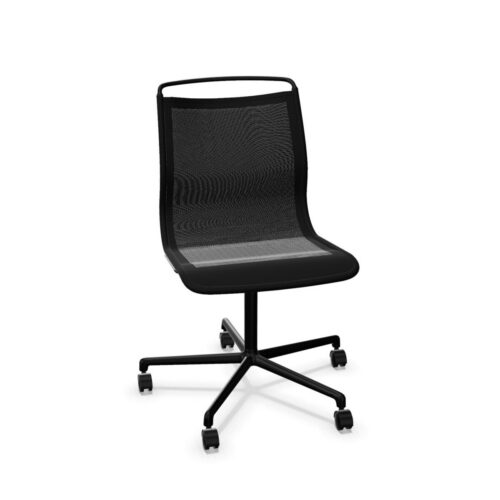
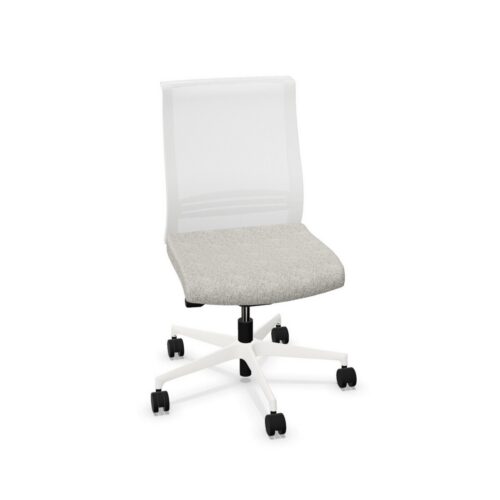
Bralco



Diemme



Frezza