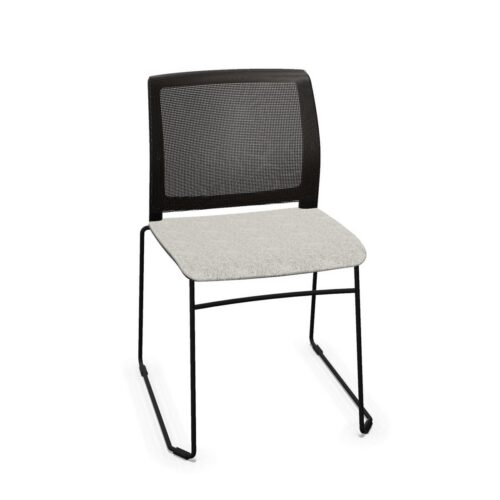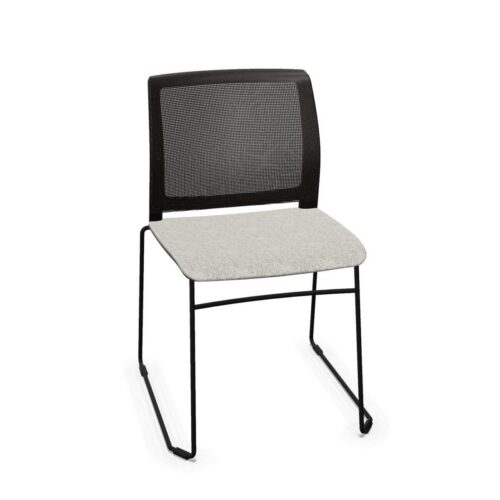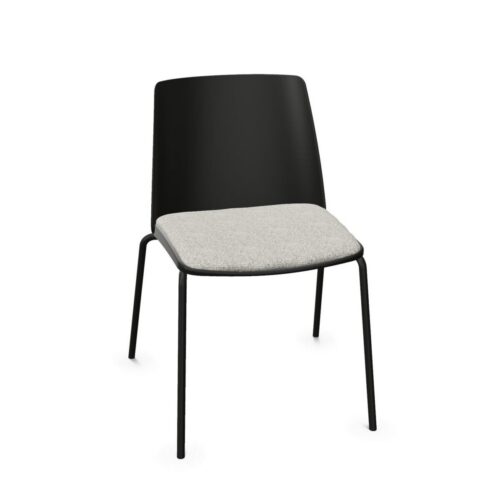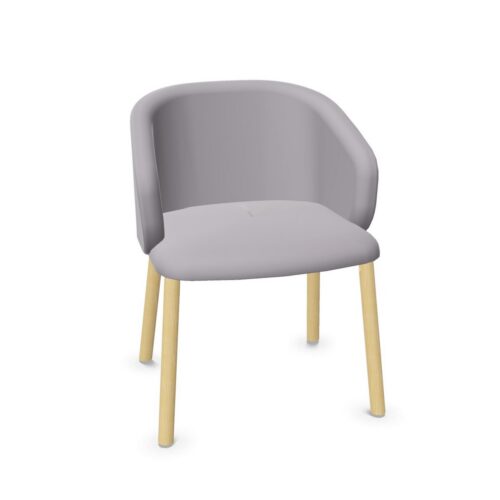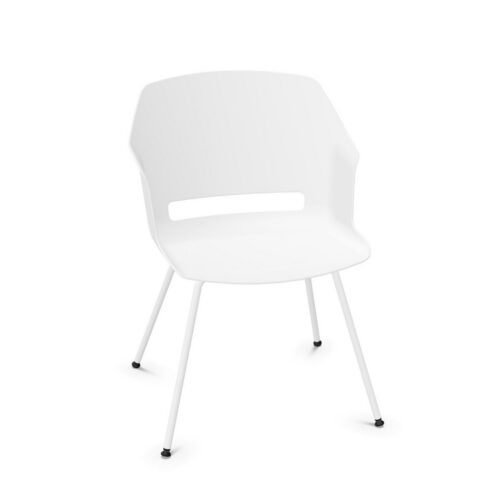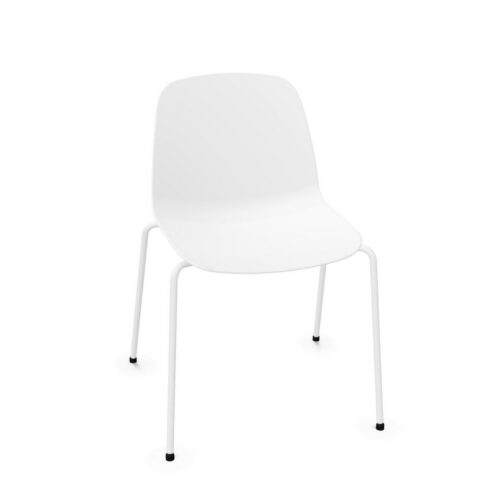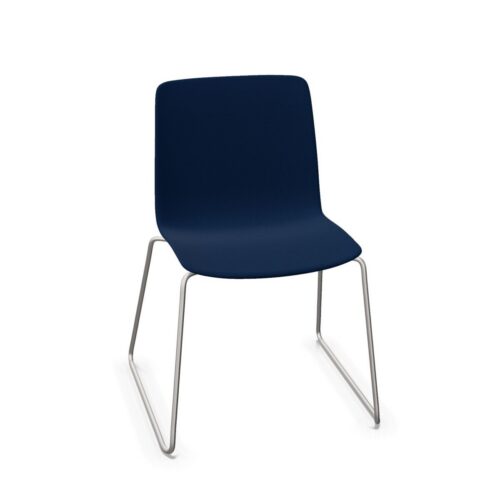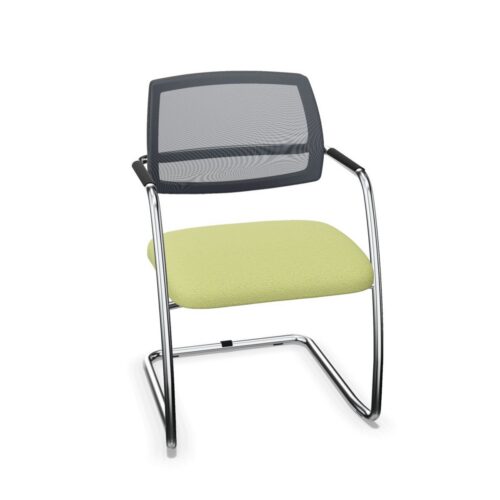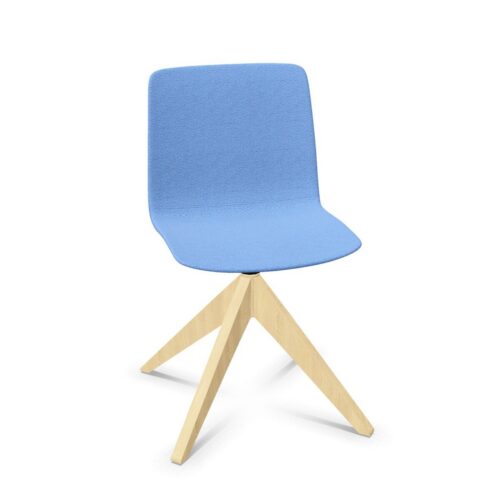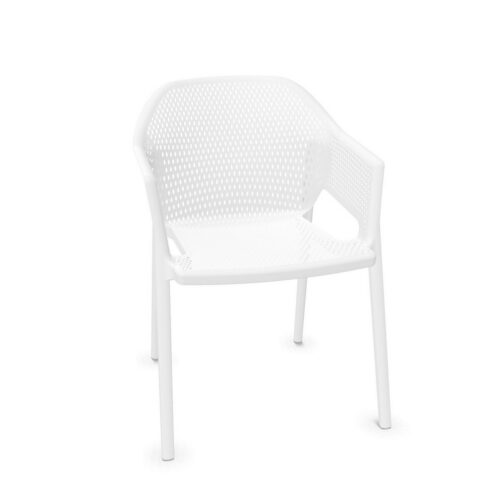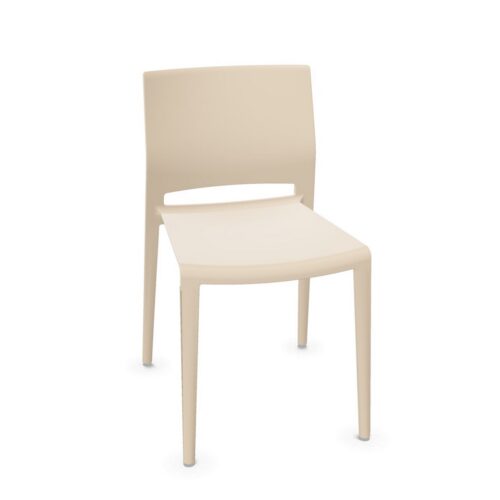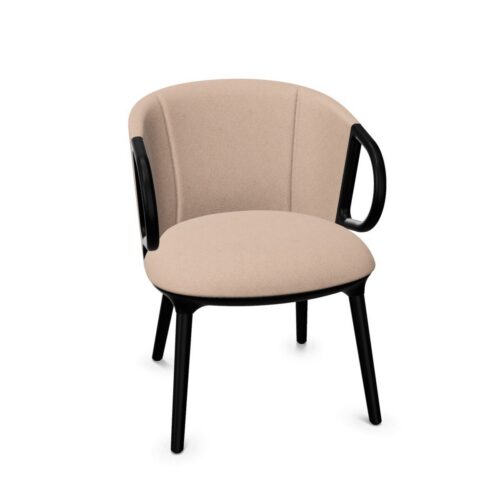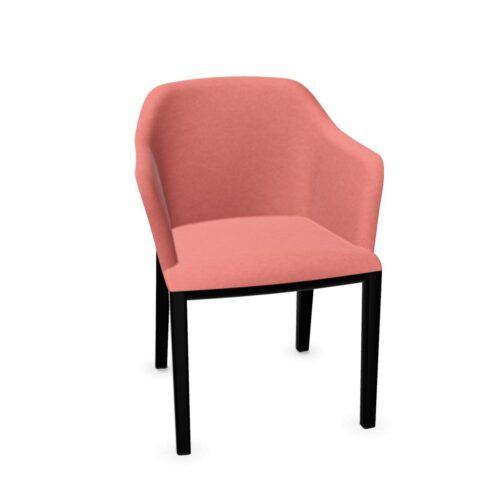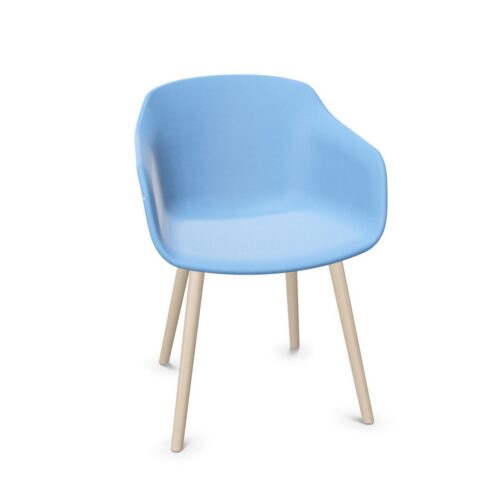


Visitor chairs provide practical, welcoming seating for people who are visiting, waiting, meeting or taking part in short-duration collaborative work. In an office setting, they help create usable places for clients, interview candidates, suppliers and colleagues without relying on task seating intended for a dedicated workstation.
The visitor chair range on Myntwork brings together seating suited to reception areas, meeting rooms, private offices, training spaces and other shared environments. Designs, materials, bases and levels of support vary, so the right choice depends on the room, anticipated usage and the impression the space needs to make.
What is a visitor chair?
A visitor chair is a non-task chair intended primarily for occasional or shared use. Unlike a desk chair, it is not usually selected around a single user’s daily screen-based work. Its role is to offer comfortable, appropriate seating for a visit, a conversation, a meeting or a period of waiting.
Many visitor chairs have a simpler profile than operator chairs, with fixed legs, sled bases or four-leg frames rather than a wheeled five-star base. Some include arms for added support when sitting down or standing up, while others are armless to keep meeting and waiting areas visually lighter and easier to configure.
Why visitor seating matters in the workplace
Shared seating shapes how an office functions for guests as well as employees. A suitable visitor chair can make a reception feel organised, give one-to-one meeting areas a more considered layout and support rooms where groups gather for presentations or discussion.
- It provides a defined place for guests in reception, interview and meeting settings.
- It can help distinguish informal guest seating from staff workstations.
- It supports consistent layouts across rooms with repeated seating needs.
- It can be selected to complement desks, tables, storage and other workplace furniture.
- It gives facilities teams flexible seating options for changing room arrangements.
Comfort remains important, even where sitting periods are relatively short. Seat shape, back support, armrests and upholstery all affect the experience of a visitor, particularly in areas where appointments, meetings or events may run longer than expected.
Common places for visitor chairs
Visitor chairs are used wherever people need a seat but do not require a permanently assigned workstation. The number needed, the chair format and the preferred finish will differ from one space to another.
- Reception and waiting areas: seating for arriving guests, candidates and clients.
- Meeting rooms: chairs arranged around boardroom, conference or smaller meeting tables.
- Private offices: guest chairs positioned opposite a desk for conversations and reviews.
- Interview rooms: seating that creates a calm, professional and balanced environment.
- Training and seminar rooms: layouts for attendees that may need to be reset between sessions.
- Breakout and touchdown spaces: occasional seating for informal discussions away from desks.
For reception areas, appearance, ease of cleaning and suitability for frequent turnover can be central considerations. In meeting or training rooms, footprint, spacing and the ability to arrange chairs efficiently may take priority.
Types of visitor chair to consider
The visitor chair category includes several familiar formats. A four-leg chair is a straightforward option for meeting rooms and offices, offering a stable, conventional seating position. Sled-base chairs can provide a clean, contemporary look and are often considered where chairs need to line up neatly in rows or around tables.
Upholstered visitor chairs may bring a softer feel to executive offices, lounges and client-facing areas. Plastic, mesh or mixed-material designs can be appropriate for high-use shared areas where a more practical finish is preferred. Chairs with armrests may offer a more supportive, formal experience, whereas armless options can make it easier to place more seats around a table.
Some visitor seating is designed with stacking or linking in mind, which can be useful for flexible rooms. Check the individual product details rather than assuming that a chair can be stacked, stored compactly or connected in rows.
Choosing visitor chairs for your space
Start with the purpose of the room and the length of time people are likely to sit there. A chair for a quick reception wait may be selected differently from one used for lengthy client meetings, training sessions or interviews. Consider the room as a whole: table height, available circulation space, floor finish and the character of existing furniture all influence a practical choice.
Questions to consider
- Who will use the chairs, and how long are they likely to be seated?
- Will chairs sit around a meeting table, along a wall or in a waiting-area grouping?
- Are arms helpful for the intended users and setting?
- Is an upholstered, plastic, mesh or mixed finish most suitable for the environment?
- Does the room need chairs that can be moved or rearranged regularly?
- How many chairs can fit while leaving clear access routes and comfortable personal space?
- Should the chair’s frame and upholstery coordinate with the wider office scheme?
Where chairs are used at a meeting table, compare their overall width, arm height where applicable and seat height with the table dimensions. This helps avoid a crowded arrangement or arms that do not sit comfortably beneath the table edge.
Comfort, durability and shared use
Because visitor seating is shared, it should be considered from both a user and facilities perspective. A shaped back, supportive seat and suitable arm configuration can improve comfort for a range of visitors. At the same time, material choice affects how a chair works within its environment, including its appearance alongside other furnishings and the practical care it may need.
Think about expected frequency of use. A seldom-used guest chair in a private office may allow for a different emphasis than seating in a busy reception or multi-use training room. Reviewing product dimensions, construction, finishes and care information for each item will help procurement teams select seating that suits the intended application.
Creating a coordinated guest and meeting area
Visitor chairs often form part of a larger furniture plan rather than a standalone purchase. In a meeting room, they may be paired with a table and arranged for clear sightlines. In a reception, they may sit alongside occasional tables or soft seating. In a manager’s office, two matching guest chairs can create a clear place for confidential conversations.
Using the same chair model across comparable rooms can bring consistency to a workplace, while different finishes or formats may help identify the purpose of distinct spaces. Keep the practical requirements of each location in view: a polished client area, a high-turnover waiting room and a flexible training space do not necessarily need the same chair.
Explore Myntwork office seating
Browse the wider collection of office chairs to compare visitor seating with task, executive and other workplace chair types. For guidance on assessing seating requirements, dimensions and user needs, see our resource on how to choose an office chair.

Bralco