

Purple office furniture brings a distinctive, considered colour accent to workplaces while supporting the practical needs of everyday work. On this page, purple describes the primary visible colour of the product as a whole, rather than only its base, frame or upholstered element.
From softer lavender and lilac tones to deeper plum-inspired shades, purple can be used to introduce character into a workplace without making every area feel the same. The products shown here may vary in form, material, finish and intended use, so colour should be assessed alongside dimensions, comfort, durability and suitability for the space.
What does purple mean in office furniture?
Colour is an important part of specifying furniture for a commercial interior. A purple item may be a task chair, visitor chair, lounge seat, table, storage unit, screen or another workplace product where purple is the dominant visible finish. Individual product imagery and specifications remain the most useful source for confirming the precise shade and the parts of the product to which it applies.
Purple has a broad visual range. A pale violet can feel light and calm in a shared setting, while richer purple tones can create stronger definition in a reception area, breakout space or branded zone. The same shade can also appear different according to surrounding finishes, natural light and artificial lighting.
Why use purple in a workplace?
Well-planned colour can help organise an interior and make different settings easier to recognise. Purple furniture can provide contrast against neutral floors, timber finishes, white walls and darker workstations, or it can sit within a wider palette that includes related blue, pink or grey tones.
- Create a recognisable visual feature in client-facing or shared areas.
- Help distinguish informal collaboration spaces from focused desk areas.
- Support colour zoning across floors, departments or types of activity.
- Add variety to a neutral scheme without changing the architectural finishes.
- Coordinate with an existing interior palette, signage or soft furnishings where appropriate.
Colour alone does not determine whether a product is suitable for a particular task. For example, a purple chair still needs the right level of adjustment, support and use rating for its intended setting; a purple table needs appropriate size, stability and surface properties.
Where purple furniture can work well
Purple is often most effective when used with a clear purpose. It can be applied as a repeated accent across a workplace, or concentrated in one area to give that setting its own identity. The amount of colour used should reflect the scale of the space and the atmosphere the organisation wants to create.
Reception and welcome areas can use purple seating or occasional furniture to establish an immediate visual impression. In breakout rooms and social spaces, it can help make a setting feel separate from formal work zones. Purple chairs may also be useful in meeting rooms, training spaces and touchdown areas where a distinctive but coherent scheme is required.
In larger offices, selecting one colour for a particular neighbourhood can help users navigate a varied floorplate. Consider how the furniture will look from adjacent zones as well as from within the room itself, particularly in open-plan environments.
Product types to consider
The purple products available within an office-furniture catalogue can cover a range of categories. Their suitability depends on how people will use them, how often the area changes and whether the furniture needs to work with existing items.
- Office and task seating: assess adjustment options, working posture and the number of hours the chair will be used.
- Visitor and meeting chairs: consider comfort, footprint, stackability where relevant and ease of rearrangement.
- Soft seating: useful for receptions, lounges and informal meeting areas, with attention to access, cleaning and layout.
- Tables and occasional furniture: check the available surface area, height and relationship with surrounding seating.
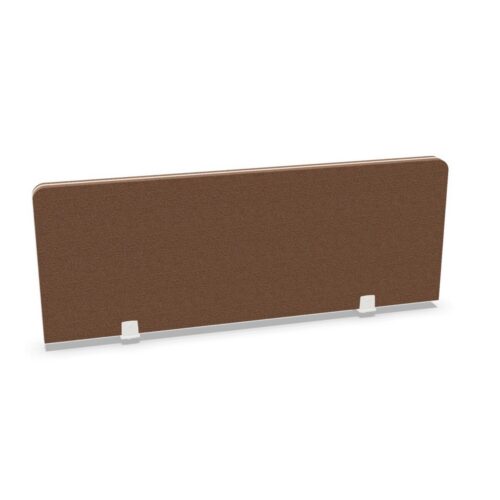
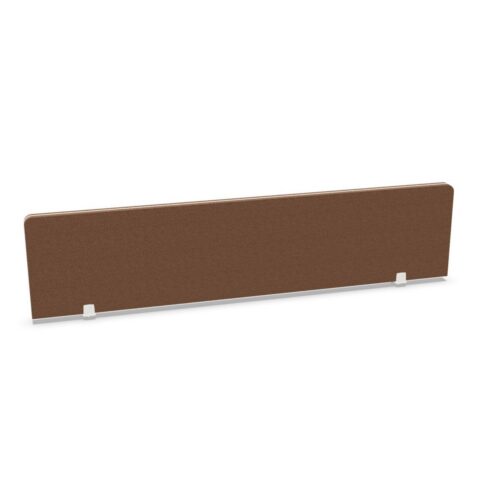
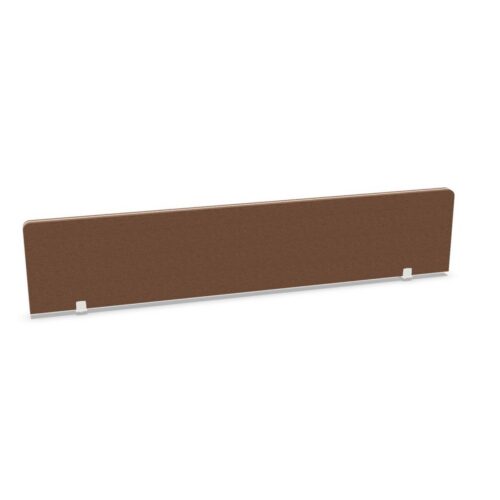
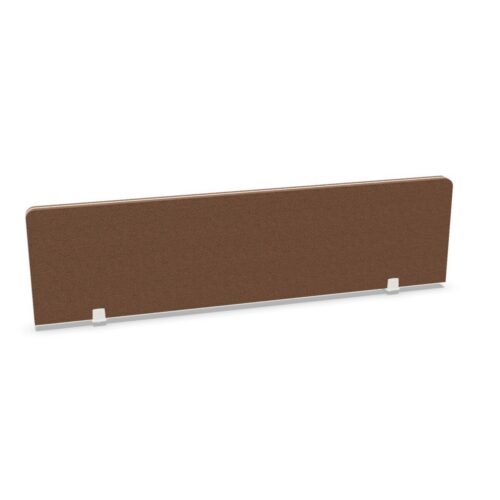
- Screens and accessories: can introduce colour in shared workspaces while serving a practical role, subject to the individual product design.
For an overview of available product groups, see the wider office furniture collection. Reviewing categories before selecting a colour helps ensure the specification begins with function as well as appearance.
How to choose the right shade and finish
Start by looking at the permanent elements of the room: flooring, wall finishes, joinery, glazing and lighting. Purple can appear cooler beside blue-grey finishes or warmer next to timber and cream tones. If several furniture items will be specified together, compare images, material information and, where available, finish samples to avoid assuming that similarly named colours are identical.
Consider maintenance as part of the decision. High-contact items in busy shared areas may need a finish that is appropriate for frequent cleaning and the expected level of wear. The material matters as much as the colour: fabric, plastic, metal, laminate and other finishes will each present purple differently and may suit different settings.
Questions to consider during specification
- Is purple intended as an accent, a wayfinding tool or the main colour of the room?
- Will the chosen tone work under the lighting used throughout the day?
- Does the product meet the practical needs of its users and location?
- How will it coordinate with existing furniture that is being retained?
- Is a consistent colour required across several product types, or is a varied palette preferable?
- Will the selected finish remain appropriate for a reception, meeting room, desk area or breakout zone?
Planning colour across an office
A colour plan is most useful when it supports the wider layout. Repeating purple across selected chairs, screens or occasional pieces can provide continuity between different rooms without requiring every item to match. Alternatively, placing purple only in collaborative settings can make the transition from focused work areas more legible.
Balance stronger tones with quieter finishes to prevent visual clutter, especially where multiple teams share an open office. Allow for circulation routes, sightlines and the visual weight of larger items. The office space planning guide provides useful context for considering furniture placement alongside the needs of the workplace.
Coordinating purple furniture with your requirements
Procurement decisions are easier when colour is considered at the same time as quantity, room function, dimensions and future flexibility. Record the intended product location, required finish, key measurements and any compatibility requirements with existing furniture. This creates a clearer brief when comparing options across categories.
For more guidance on balancing usability, layout and visual requirements, consult the resource on choosing office furniture. Relevant products can also be explored through the broader office furniture collection, with individual listings used to confirm the features and finish of each item.