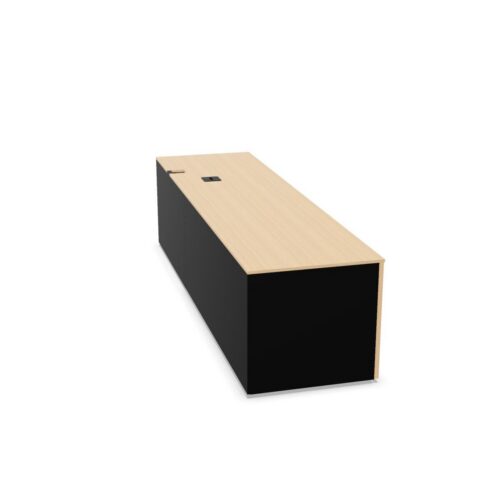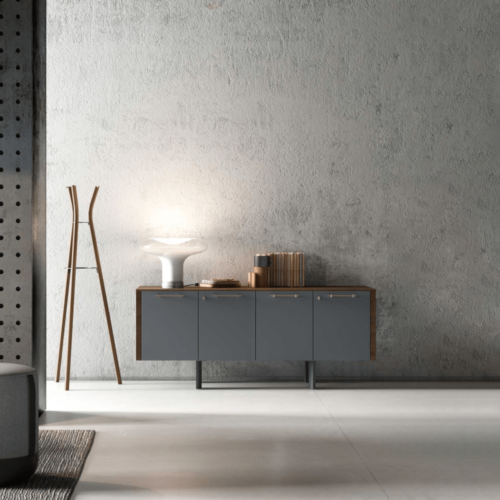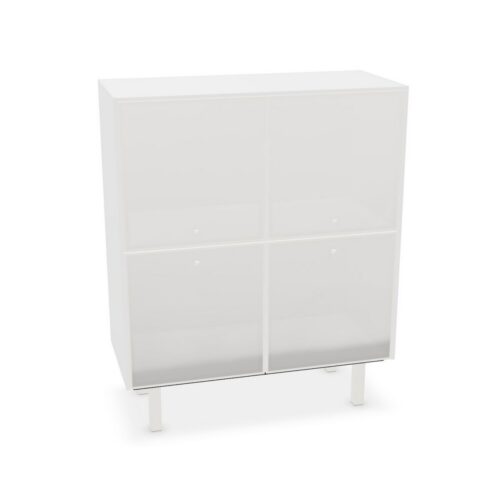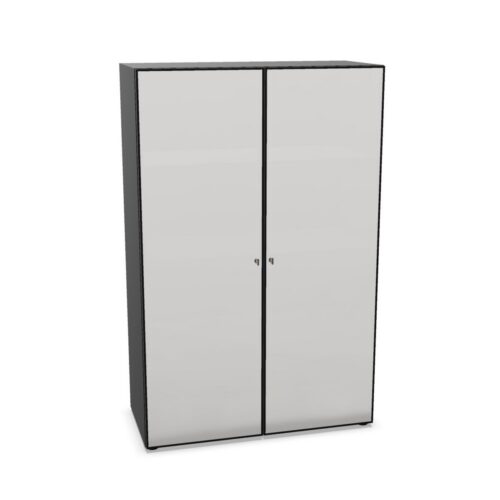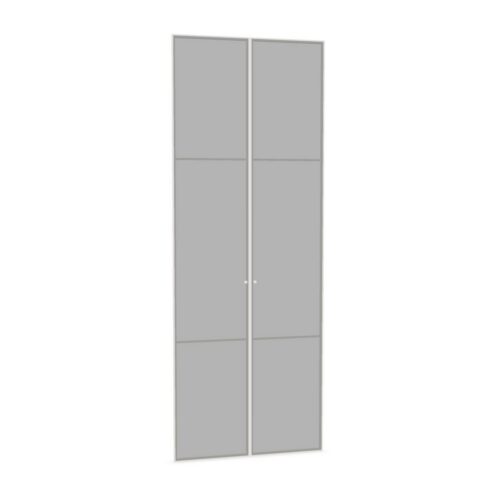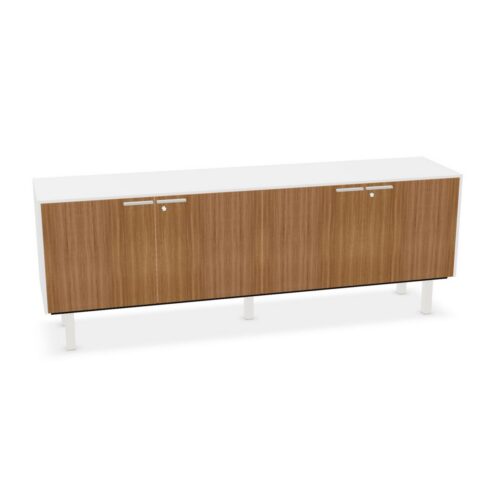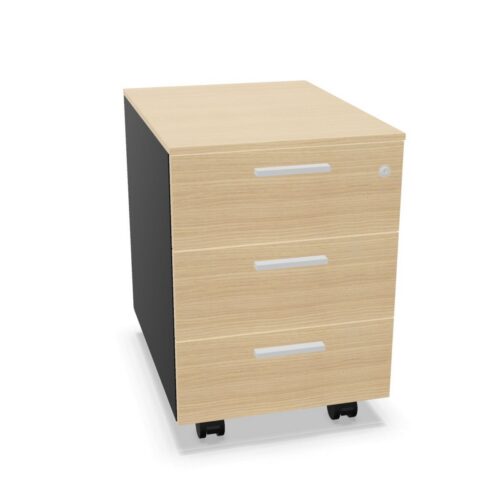


Silver office furniture gives workplaces a clean, technical and understated visual character. On this page, silver refers to the primary visible colour of the product as a whole, rather than solely a leg frame, base or upholstered element. It can include metallic finishes as well as silver-coloured surfaces used across desks, storage, seating and workplace accessories.
For procurement teams, silver is a practical neutral that can sit comfortably within a wide range of interior schemes. It works alongside white, black, grey, timber and stronger accent colours, making it useful when furnishing shared offices, phased fit-outs or spaces where furniture may be moved between departments.
What does silver mean for office furniture?
A silver finish usually creates a light, contemporary appearance with a more industrial or architectural feel than a warmer neutral. Depending on the product, the colour may appear as painted metal, polished or brushed metal, laminate, coated plastic, mesh or another hard-wearing office-furniture material. Its exact tone can range from pale aluminium-like silver to darker grey-silver shades.
Because this archive is based on the product’s overall visible colour, products listed here are selected for a predominantly silver appearance. Individual components may still differ: for example, a silver desk may have contrasting worktop edging, castors or cable-management parts. Product imagery and specifications should be checked where a particular finish match is important.
Why choose silver for a workplace?
Silver can help create consistency without making a workplace feel overly uniform. Its neutral quality allows it to support corporate colours, existing architectural finishes and changing departmental requirements. It can also be a considered choice for practical environments where a refined but uncomplicated visual language is needed.
- It pairs readily with common office finishes, including white worktops, black task chairs and natural timber details.
- It can complement metal-framed glazing, exposed services and contemporary building materials.
- It offers a restrained backdrop for signage, screens, plants and branded accessories.
- It can help different furniture types look coordinated across open-plan areas, meeting rooms and support spaces.
- It is suitable for schemes that need a neutral colour rather than a strongly warm or dark finish.
Colour alone does not determine durability, cleanability or suitability for a particular task. These depend on the material, construction and intended use of each item, so it is useful to review individual product details alongside the overall colour requirement.
Where silver furniture is commonly used
Silver furniture can be used in both customer-facing and operational parts of an office. In reception and collaboration settings, it can contribute to a crisp, organised first impression. In focused work areas, it may support a calm scheme when combined with softer acoustic finishes or neutral flooring.
It is also often considered for spaces with a technical, studio or light-industrial character, such as project rooms, design teams, training areas and IT-adjacent workplaces. A silver colour scheme can be particularly useful in multi-occupancy buildings, where furniture needs to work with landlord finishes or existing partitions rather than a fully bespoke interior.
Furniture types available in silver
The selection may include different product categories, subject to the current catalogue. Silver can appear across desking, tables, storage, chairs, screens, accessories and other workplace equipment. A matching colour does not necessarily mean that products share the same material, dimensions or performance characteristics.
- Desks, benching and work tables for individual and shared workstations.
- Meeting, café and breakout tables for formal and informal collaboration.
- Task seating, visitor seating and stools with silver-coloured visible structures or shells.
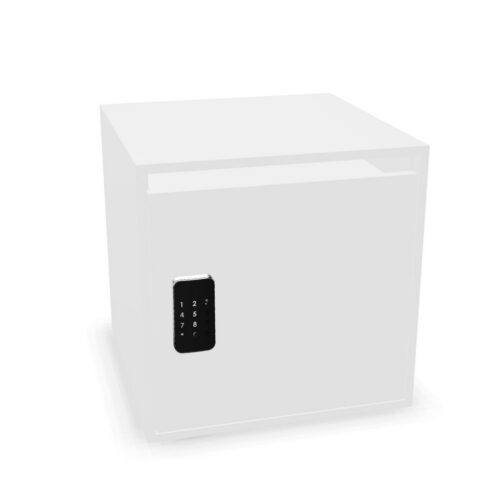
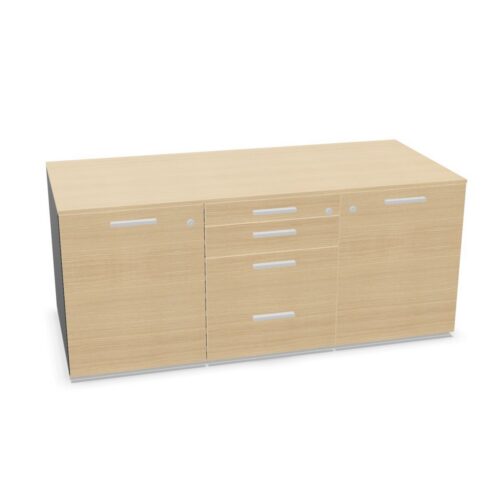
- Pedestals, cabinets, lockers and shelving for storage requirements.
- Monitor arms, desk accessories, cable-management items and other workstation components.
When specifying several categories, compare the finish descriptions rather than relying on the word silver alone. Brushed, satin, metallic and grey-silver surfaces can look different under natural light, LED lighting and neighbouring colours.
Planning a silver colour scheme
A silver-led scheme benefits from considering contrast and visual balance. Lighter silver products can blend into pale interiors, while darker or more reflective versions can define a workstation or meeting setting more clearly. Contrast may be needed between furniture, floor finishes and circulation routes so that rooms remain easy to read.
Silver also provides a useful bridge between warm and cool elements. Pair it with oak or other timber tones for a softer, mixed-material appearance, or use it with white, charcoal and black for a more minimal workspace. In spaces with frequent technology use, silver can sit naturally beside monitors, docking equipment and aluminium-finished devices without requiring every item to match exactly.
How to choose silver office furniture
Start with the role of the item and the needs of the people using it, then assess colour as part of the wider specification. Dimensions, ergonomic requirements, storage capacity, power access and reconfiguration needs are generally more important than finish alone. Colour should support a coherent workplace plan rather than override functional decisions.
Questions to consider
- Is the silver tone intended to match existing furniture, building finishes or a new design palette?
- Will the product be viewed mainly in daylight, artificial light or both?
- Does the required item need a matt, satin, brushed or more reflective surface?
- Are there contrasting materials or colours needed to distinguish different zones?
- Will several items be ordered together, and do their finish descriptions represent a close visual match?
- Are the product’s size, use case and material appropriate for the proposed location?
For larger projects, it can be helpful to group decisions by space type: workstations, meeting rooms, social areas and storage zones may each need a different balance of silver, contrast and softer finishes. This approach can maintain continuity while allowing each area to serve its own purpose.
Silver furniture within a broader specification
Silver is one way to create a flexible, long-lasting visual framework for an office. It can be used throughout a single workplace or selectively, such as on shared tables, storage and workstation accessories, with other colours used for seating, privacy elements or wayfinding. The result can be coordinated without depending on an exact one-colour match across every component.
Browse the wider office furniture collection to compare categories and finishes. For help balancing appearance, function and workplace requirements, see our guidance on choosing office furniture and the office space planning guide.