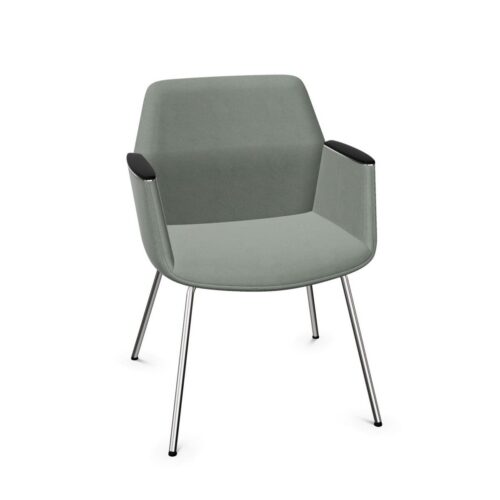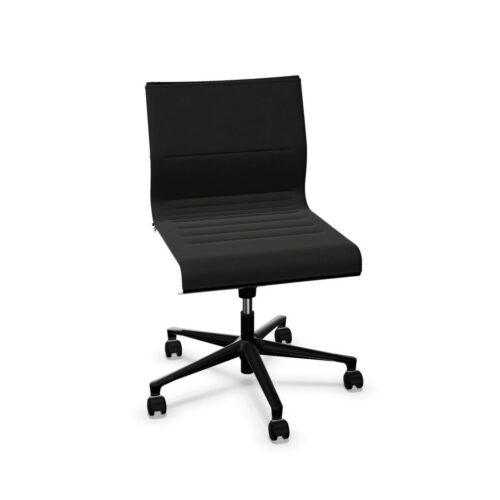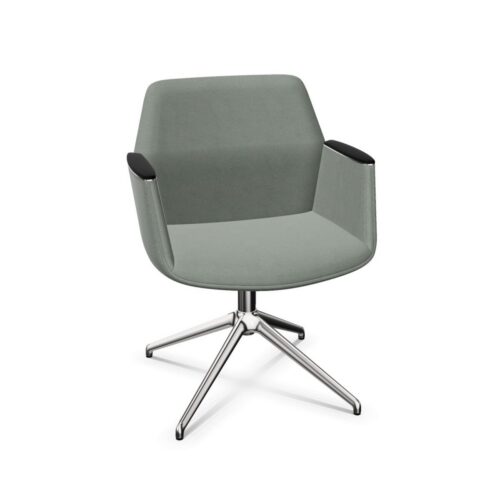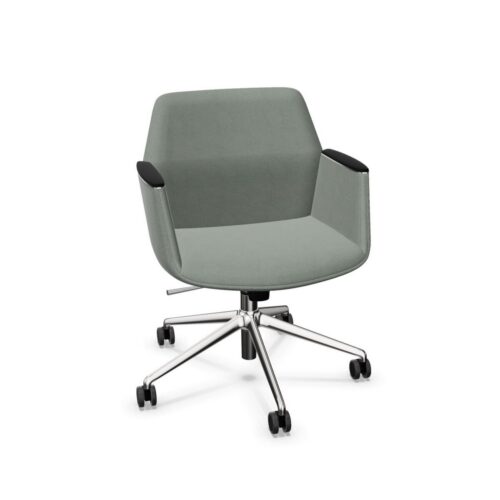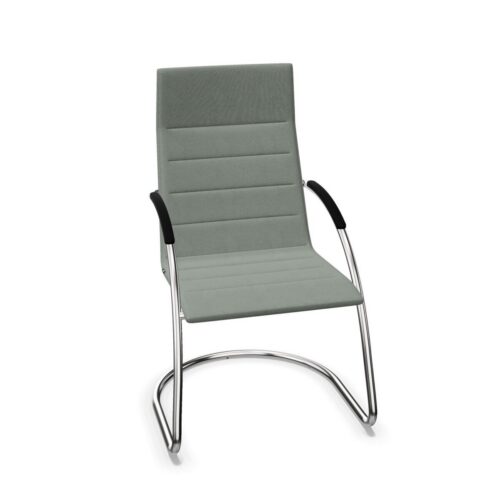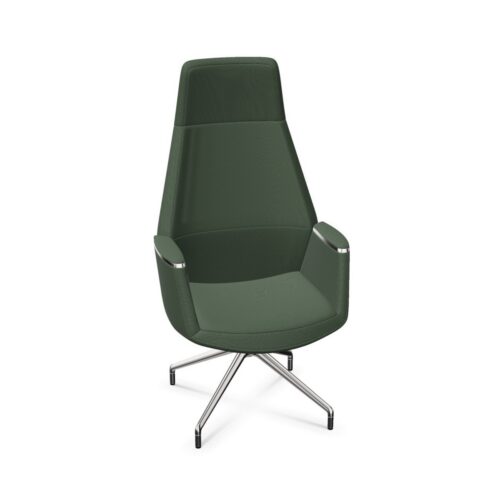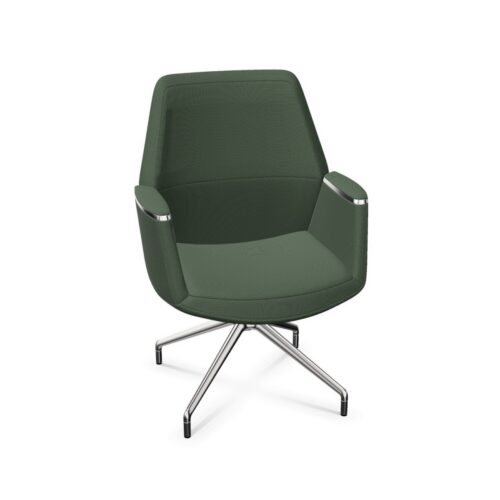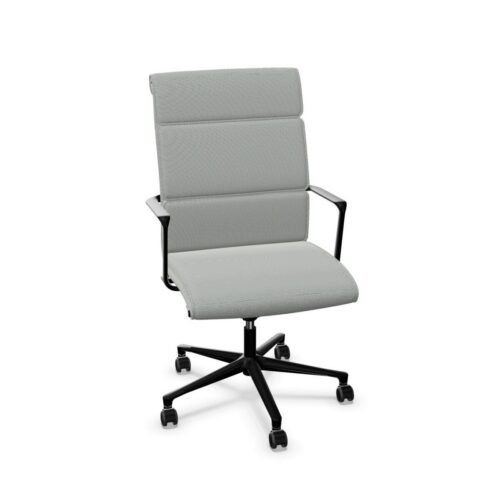


EN 1021-1 fire resistance office furniture identifies upholstered seating and related furniture designed with materials assessed for their response to a smouldering cigarette ignition source. It is a commonly referenced upholstery standard when specifying chairs, sofas, booths and other soft-seating items for workplace environments.
For procurement teams, facilities managers and designers, this filter provides a practical way to narrow a furniture selection where EN 1021-1 is a relevant requirement. The standard concerns the ignitability of an upholstery composite under defined test conditions; it should be considered alongside the intended use, upholstery choice and any wider project, building or insurer requirements.
What does EN 1021-1 mean?
EN 1021-1 is a European standard for assessing the ignitability of upholstered furniture composites when exposed to a smouldering cigarette. In straightforward terms, the test considers how a combination of upholstery cover and filling materials behaves with this specified ignition source.
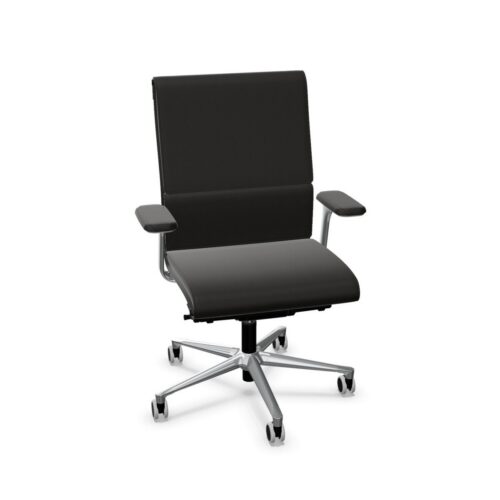
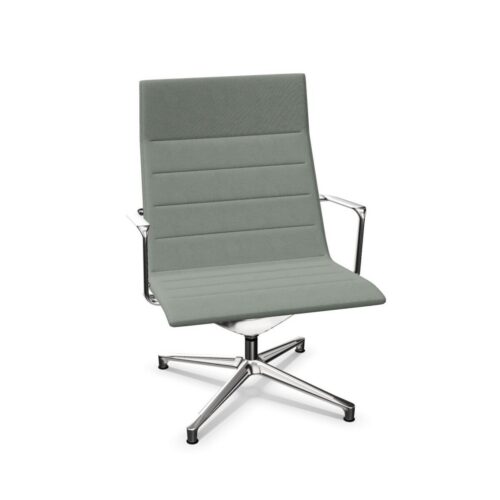
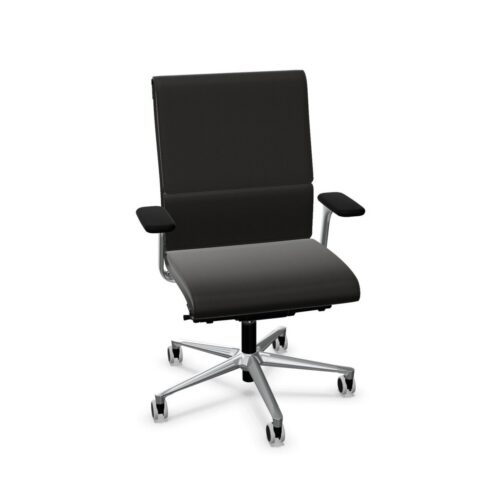
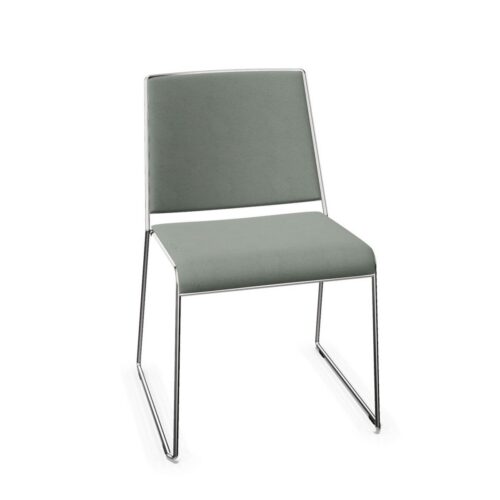
It is particularly relevant to furniture with upholstered surfaces, including task chairs, meeting chairs, lounge seating, reception seating and upholstered pods. A listing with this value indicates that EN 1021-1 is associated with that product or its specified upholstery configuration. It does not mean that the item is non-combustible or fireproof.
Why upholstery fire resistance matters in an office
Upholstered furniture is often used throughout a workplace, from individual desks and meeting rooms to shared breakout settings. Considering fire-resistance information early can help keep a furniture schedule aligned with a project brief and make product comparison more consistent.
- It gives specifiers a recognised reference point for upholstered seating.
- It helps identify products for projects where a smouldering-cigarette assessment is requested.
- It supports clearer conversations between workplace teams, designers, landlords and building advisers.
- It allows fire-resistance requirements to be reviewed alongside comfort, durability, dimensions and finish.
The appropriate standard for a project depends on the building, furniture location, local requirements and the client’s risk approach. EN 1021-1 may be one part of a broader specification rather than the only criterion.
What the standard does and does not cover
The key point is the ignition source. EN 1021-1 addresses a smouldering cigarette and the response of an upholstered composite in the defined test. It is not the same as a test using a small open flame. EN 1021-2, for example, is a separate standard associated with a match-flame equivalent ignition source.
It is also important not to treat a standard attached to one configuration as a blanket statement about every version of a product. Fabric, leather or other cover choices, foam and filling options, and product construction can affect the applicable documentation. Where fire resistance is a formal requirement, confirm the precise product, upholstery and configuration being ordered with the relevant product information.
Furniture commonly specified with EN 1021-1
This attribute is most likely to be useful when browsing upholstered office and contract furniture. Depending on the collection and specification, it can apply to seating used for focused work, collaboration or informal waiting areas.
- Upholstered task and operator chairs.
- Meeting, conference and visitor chairs.
- Reception chairs, sofas and lounge seating.
- Booth seating and collaborative workplace seating.
- Soft seating used in breakout, café or quiet areas.
Hard-surface furniture such as desks, tables, storage and metal-framed chairs may be assessed against different considerations. For mixed furniture schemes, it is sensible to review the relevant information by product type rather than assuming one seating standard applies across the full fit-out.
Using this filter during procurement
The EN 1021-1 filter can make a large office-furniture search more manageable, especially where a brief names this standard. Start by identifying the seating types needed and the spaces in which they will be used. You can then compare products on practical factors such as scale, support, mobility, upholstery appearance and compatibility with the rest of the scheme.
For leased furniture, the same principle applies: the selected product should suit both the workplace layout and the specification requirements recorded for the project. Keep a clear schedule of the product reference, selected finish and any relevant technical documentation so that the final order reflects the approved configuration.
Questions to consider when specifying upholstered furniture
Check the requirement in context
- Does the project brief specifically request EN 1021-1, or a different fire-resistance standard?
- Is the requirement for a particular room, floor or building-wide furniture package?
- Which exact upholstery, colourway and filling configuration is proposed?
- Are there landlord, building-management, insurer or local regulatory requirements to consider?
- Is a separate open-flame assessment, such as EN 1021-2, also required?
- Who needs to retain or review the supporting product information before sign-off?
These questions help prevent a common specification issue: selecting a suitable chair model but overlooking whether the chosen upholstery option matches the required performance information. They also make it easier to compare like-for-like alternatives where aesthetic and budget considerations are being balanced with technical needs.
Balancing compliance, use and workplace design
Fire-resistance information is one element of a considered furniture specification. Seating still needs to work for the people using it and the setting it occupies. A reception chair may need an inviting profile and durable upholstery; a meeting chair may need to be easy to move and maintain; a desk chair may require adjustment features appropriate to regular use.
Consider the whole setting as well. Upholstery tone and texture, cleaning needs, expected footfall, acoustic requirements and furniture arrangement can all influence the final selection. Reviewing these factors together avoids treating compliance information as separate from day-to-day workplace performance.
Related office furniture ranges
Browse the wider office furniture collection to compare seating, tables, storage and workplace accessories across different settings. For a broader view of how product choices support layouts, teams and operational needs, see Myntwork’s guidance on choosing office furniture.