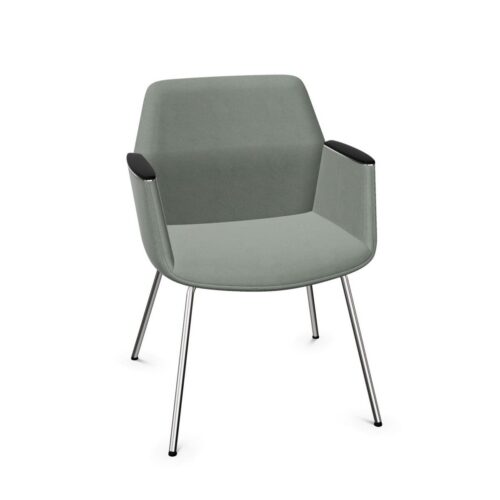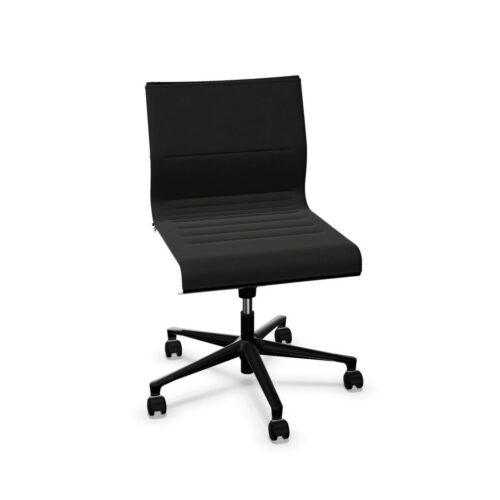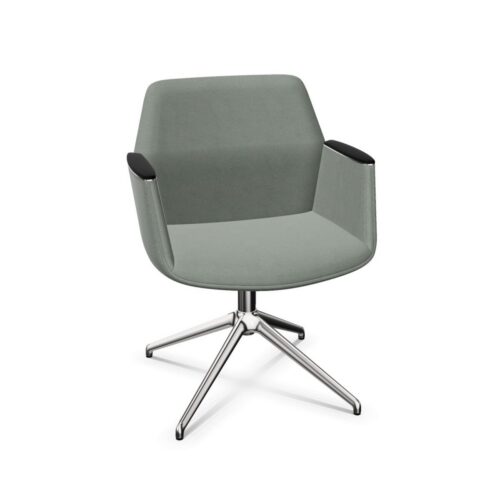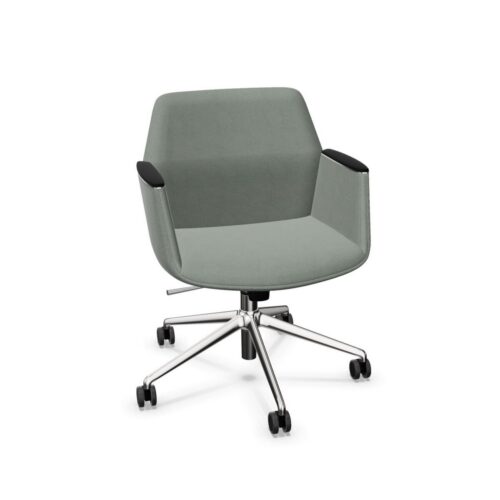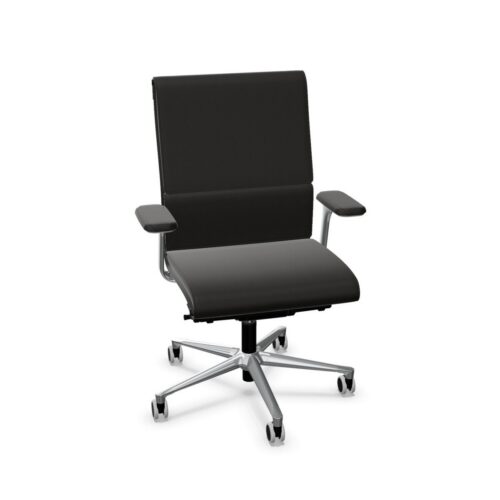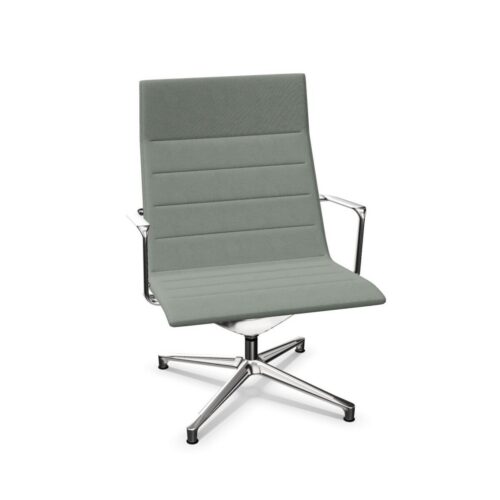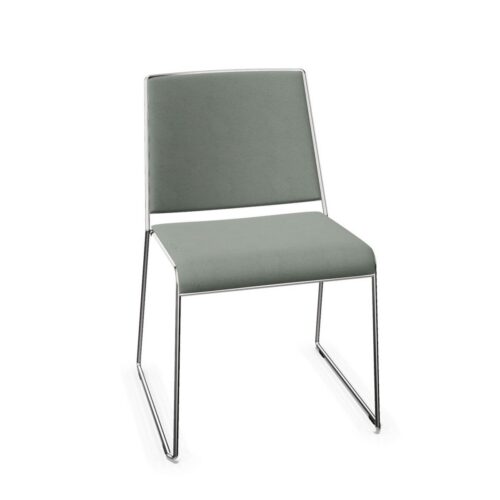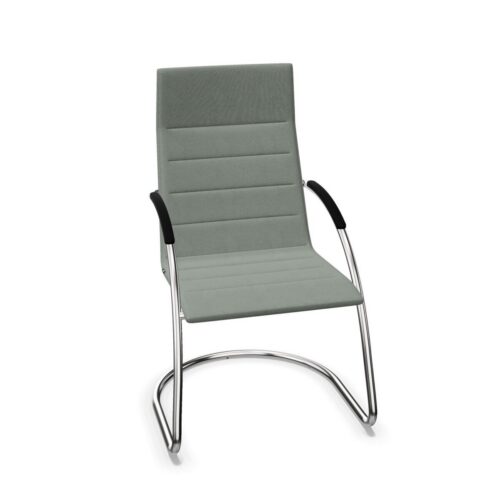


NFPA 260 fire resistance office furniture refers to upholstered items assessed for resistance to ignition from a smouldering cigarette, using the test methods and classification approach set out by the National Fire Protection Association standard. In an office-furniture specification, this value can help procurement teams identify seating and other upholstered products where cigarette-ignition resistance is a relevant requirement.
NFPA 260 is principally concerned with upholstery materials and composites, rather than the complete range of fire scenarios a workplace may face. It should therefore be read alongside the product information, the intended setting and any fire-safety, building or insurer requirements that apply to the project.
What does NFPA 260 mean?
NFPA 260, commonly known as the Standard Methods of Tests and Classification System for Cigarette Ignition Resistance of Components of Upholstered Furniture, addresses whether upholstered furniture components resist ignition when exposed to a smouldering cigarette. The method considers the interaction of relevant upholstery components, which may include the cover fabric, cushioning and other materials used in the upholstered construction.
For office environments, the standard is most relevant to upholstered task chairs, meeting chairs, lounge seating, sofas, booths and similar furniture. It is not a general statement that furniture is non-combustible, fireproof or suitable for every fire-risk application. A product listed with this attribute should be checked against its own documentation and the precise specification required for the site.
Why cigarette-ignition resistance matters in workplace planning
Upholstered furniture is a substantial part of many offices, particularly in reception areas, collaboration spaces and visitor settings. Considering ignition resistance at the specification stage supports a more informed approach to material selection, especially where furniture will be used by a wide range of people or located in shared parts of a building.
- It provides a defined standard to discuss with project stakeholders and facilities teams.
- It helps distinguish cigarette-ignition resistance from broader, and different, fire-performance requirements.
- It can be relevant when comparing upholstered seating with different fabrics, foam constructions or intended uses.
- It encourages a review of product-level technical information rather than relying on appearance alone.
The applicable requirement may vary between offices, landlords, managed buildings and sectors. Local regulations, lease obligations, building policies and the advice of the responsible fire-safety professionals should guide the final specification.
Furniture commonly associated with this requirement
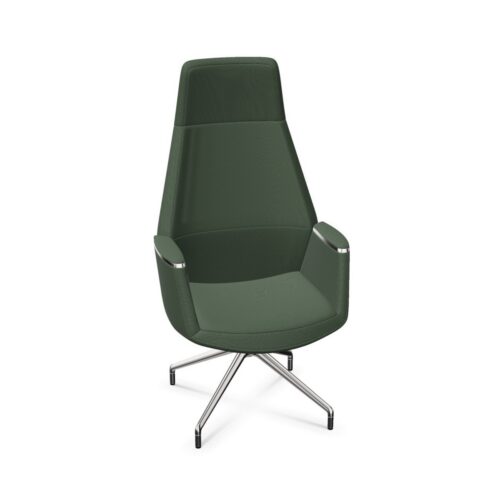
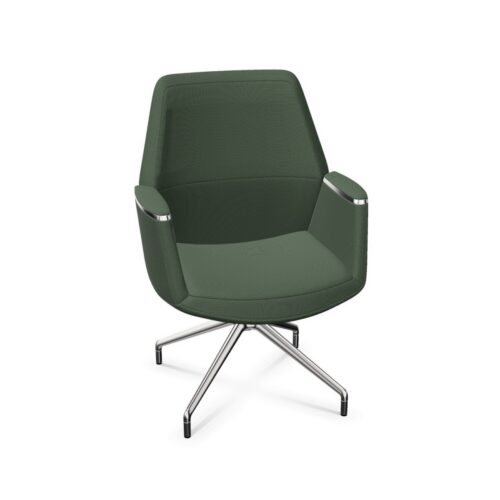
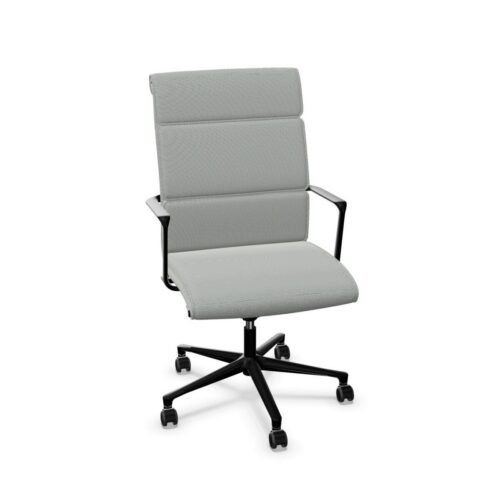
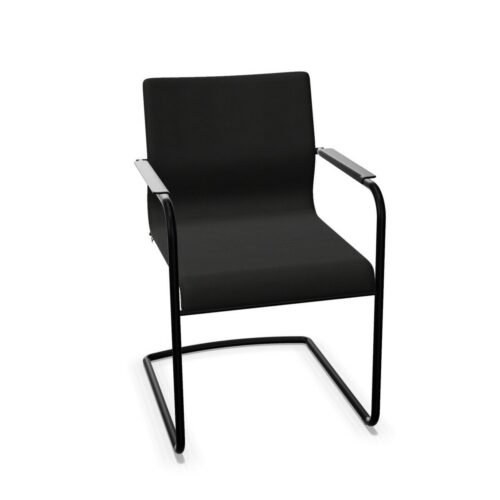
NFPA 260 is an upholstery-related attribute, so it is generally most useful when filtering furniture with padded or upholstered elements. The selection on this page may include products intended for focused work, meetings and informal spaces, depending on their individual configurations.
- Office and executive chairs with upholstered seats or backs
- Visitor, conference and training chairs
- Reception seating and waiting-room chairs
- Lounge chairs, sofas and modular soft seating
- Collaborative booths and upholstered meeting furniture
Not every product type uses the same materials or construction. A chair with a fabric seat and a mesh back, for example, should be considered according to the stated materials and the relevant product documentation. Where a particular upholstery, finish or option is needed, confirm that the fire-resistance information applies to the selected configuration.
Understanding the limits of the standard
It is important not to treat NFPA 260 as a complete fire-safety assessment. The standard concerns resistance to ignition from a smouldering cigarette; it does not by itself describe performance in an open-flame test, a room fire or every possible ignition source. Nor does the attribute alone establish compliance with regulations in the country or building where furniture will be installed.
Similarly, an NFPA 260 listing is not a substitute for a workplace fire-risk assessment. The placement of furniture, escape routes, occupancy, smoking policy, electrical equipment, cleaning arrangements and building management procedures all form part of the wider safety picture. For projects with prescribed standards, request the appropriate evidence for the exact model, upholstery and market before ordering.
How to choose upholstered office furniture with fire resistance in mind
Start with the brief for the space. A small meeting room, a busy reception and a staff breakout area can have very different furniture needs, even where the same ignition-resistance criterion is requested. Balance the requirement with comfort, durability, cleanability, layout and the amount of use the furniture will receive.
Questions to consider
- Is NFPA 260 specifically required by the client, building operator or project specification?
- Does the requirement apply to the whole furniture item or to particular upholstered components?
- Which fabric, leather or alternative upholstery finish is being selected?
- Are there additional fire-performance standards required for the site or jurisdiction?
- Will the furniture be used in a public-facing, shared or higher-traffic area?
- What documentation is needed for handover, facilities records or compliance review?
These questions help avoid assuming that a standard associated with one material option automatically applies to all available finishes. They also make it easier to compare like-for-like products during procurement.
Specifying by configuration and documentation
Office furniture is often ordered in a chosen combination of upholstery, base, frame and accessories. Fire-resistance information can depend on that combination, particularly where the cover material or internal cushioning changes. Keep the selected product code, finish details and supporting information together in the project schedule so that the requirement remains clear from design through installation.
Where a tender, fit-out guide or facilities policy names NFPA 260, use the wording in that document as the starting point. If the requirement is unclear, establish whether it is intended as a minimum upholstery criterion or whether other standards are also expected. This is particularly useful for multi-site programmes, where the same furniture range may be used in buildings with different operational policies.
Planning furniture across office settings
An effective furniture plan considers the use of each zone as well as its visual consistency. Task seating may need adjustment and daily comfort, while reception and soft-seating areas may prioritise visitor experience, circulation and ease of maintenance. For upholstered pieces, fire-resistance information is one of several practical details to record alongside dimensions, finish, cleaning guidance and intended location.
For a wider view of available products, browse the office furniture collection. Guidance on setting requirements, evaluating workplace needs and comparing furniture types is also available in our resource on choosing office furniture.