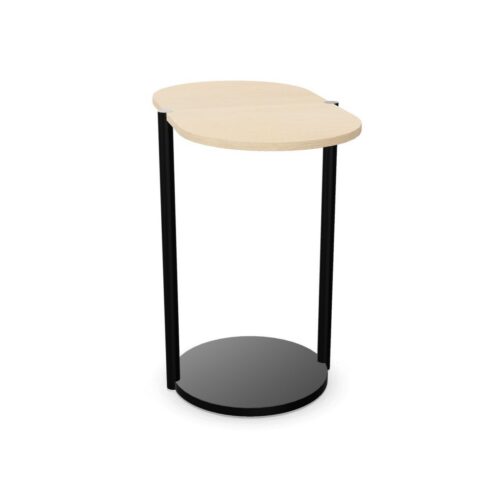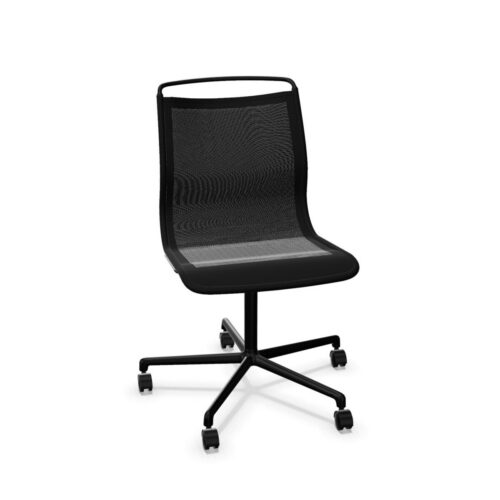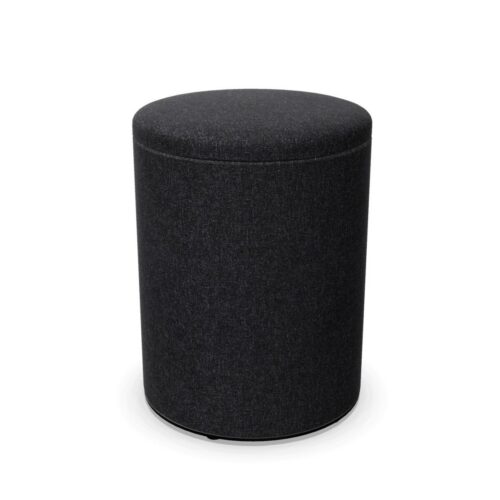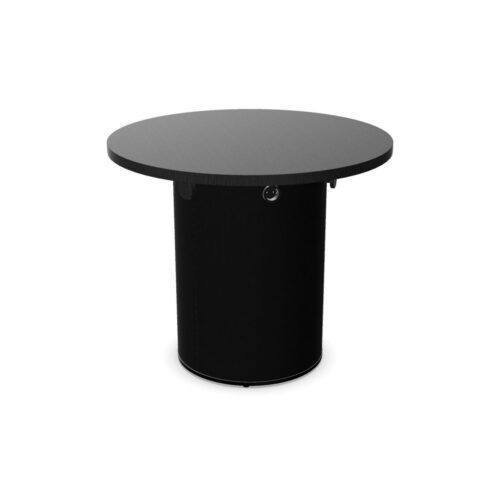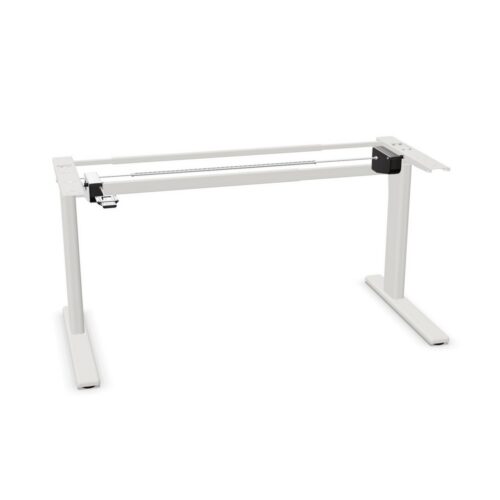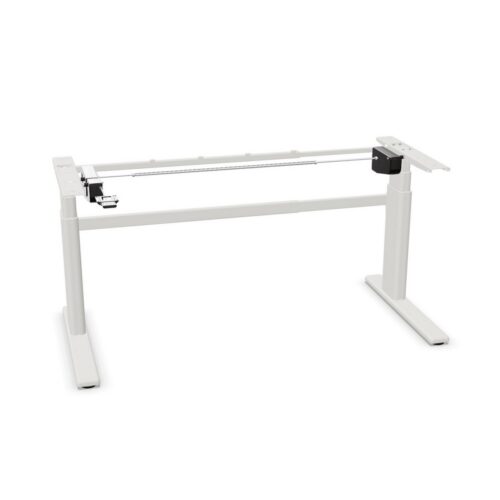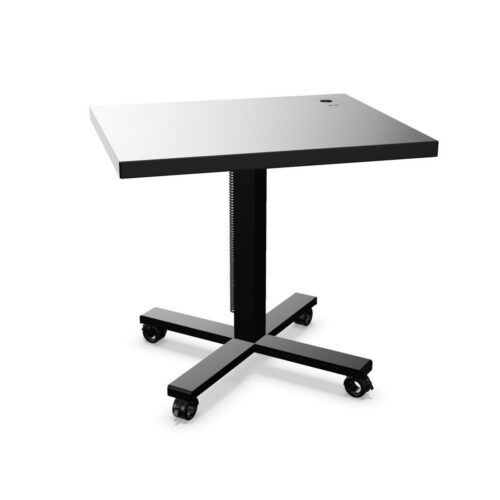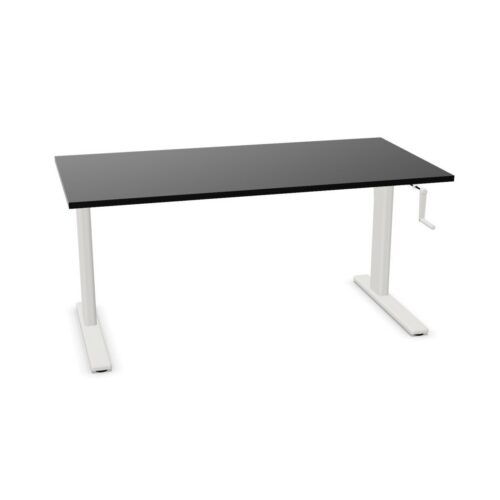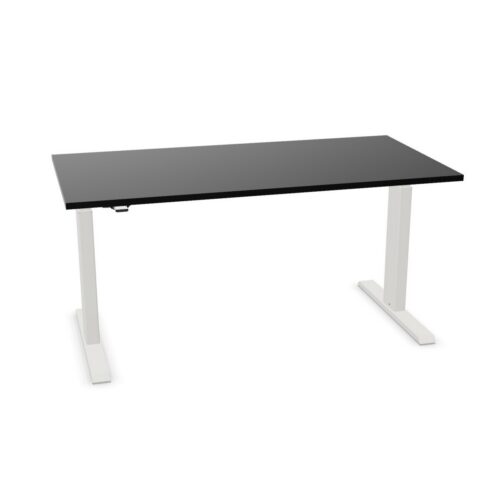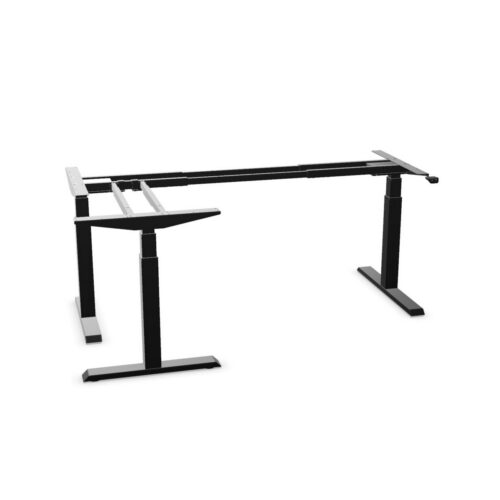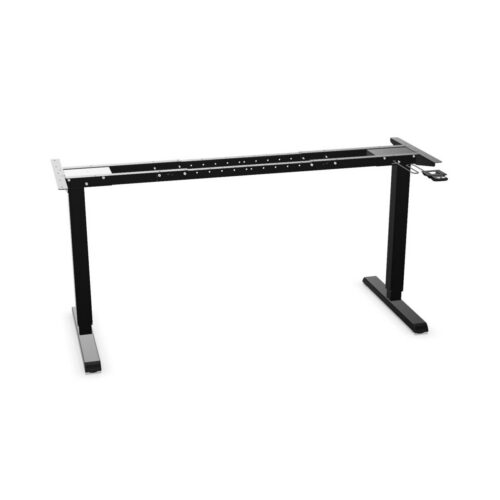


Office furniture with a 2 year warranty brings together workplace products where a two-year warranty period is stated in the available product information. For procurement teams, facilities managers and workplace designers, warranty information can be a useful part of comparing furniture alongside suitability, dimensions, materials, finish and expected use.
A stated warranty period is not, on its own, a description of every aspect of cover. The precise terms, conditions, exclusions and process for making a claim can differ between products and suppliers, so the individual product information should always be reviewed before an order is finalised.
What does a 2 year furniture warranty mean?
This archive identifies products with a stated two-year warranty period. It provides a practical way to narrow a broad furniture search when your organisation has a warranty requirement or wants consistent information available for purchasing records.
Warranty documentation may address matters such as manufacturing faults or component failure, but the scope is set by the relevant supplier or manufacturer terms. It should not be assumed that a two-year period covers accidental damage, normal wear, misuse, unauthorised alterations, installation in unsuitable conditions or every part of a product in the same way.
For that reason, a warranty should be considered alongside the product specification rather than as a substitute for it. A chair, desk, storage unit or meeting table still needs to be appropriate for the people, space and working pattern it is intended to support.
Why warranty information matters in furniture procurement
Workplace furniture is often purchased as part of a wider project, whether that is a small office refresh, a relocation or a multi-area fit-out. Recording the stated warranty period can help teams compare options on a like-for-like basis and retain useful information after installation.
- It supports internal approval processes where warranty information is requested.
- It can help create clearer asset, handover and purchasing records.
- It gives project teams a defined point to check against supplier documentation.
- It enables more structured comparison across furniture categories and product ranges.
- It encourages consideration of aftercare, maintenance and intended use at the point of selection.
A two-year warranty may be one factor within a wider total-cost and suitability assessment. Budget, space planning, service access, cleanability, reconfiguration needs and the expected intensity of use can all be equally important to the long-term performance of an office environment.
Furniture types included in this archive
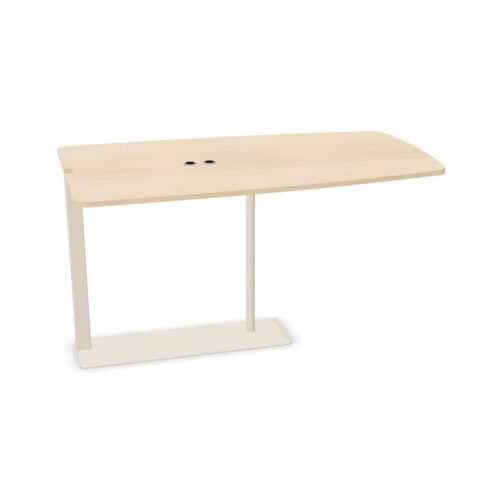
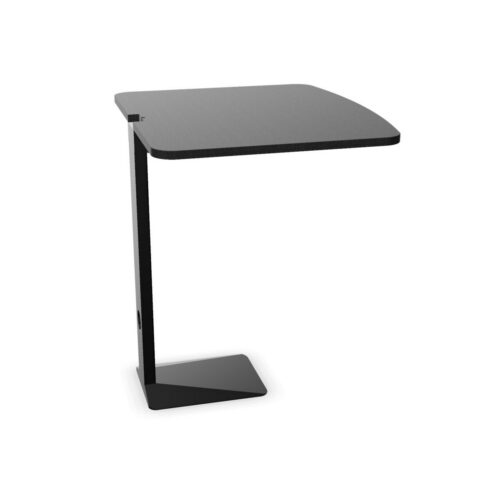
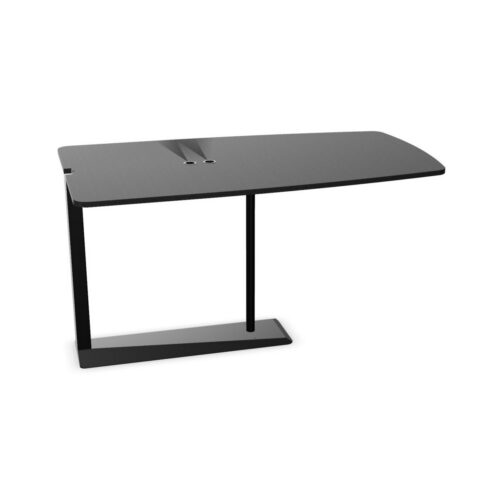
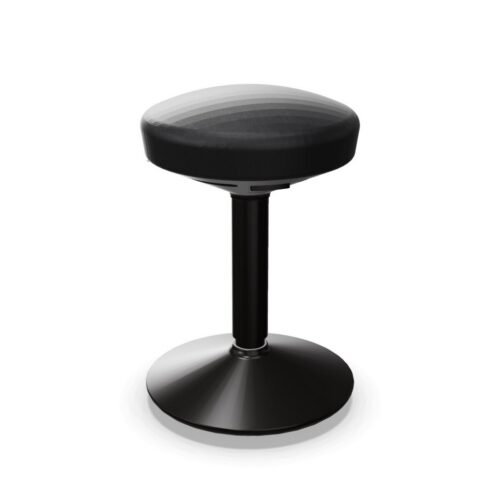
The products shown may span a range of workplace furniture categories, depending on the current catalogue. These can include task and meeting seating, desks and tables, storage, reception furniture, breakout pieces and other items used in offices, education settings and shared workplaces.
Even when products have the same stated warranty period, they are not necessarily intended for the same application. For example, a workstation needs to fit the room layout and accommodate equipment, while seating should be selected with its setting, user turnover and adjustment requirements in mind. Compare each item’s dimensions, construction, finishes and stated features individually.
Using the 2 year warranty filter for projects
Filtering by warranty can be particularly useful when building a shortlist for a defined procurement brief. It allows a project team to identify relevant products first, then refine the selection by furniture type, material, colour, size or other attributes available in the catalogue.
For a coordinated scheme, it can be sensible to keep a simple schedule showing the product name, quantity, location, finish, supplier information and stated warranty period. This makes it easier to reconcile delivered items with the original specification and retain details for facilities teams.
- Use the filter to create an initial product shortlist.
- Check that each product suits the intended setting and user group.
- Review product-level warranty wording and any accompanying documents.
- Keep order references, product codes and warranty information with project records.
- Plan appropriate cleaning, inspection and routine maintenance after installation.
How to compare warranty periods responsibly
Warranty length is easy to compare, but length alone does not establish the level of cover or the quality of a product. Two products may both state a two-year period while having different conditions, included components or reporting requirements. The most useful comparison is one that looks at the complete specification and the relevant terms together.
When evaluating alternatives, avoid assuming that a longer or shorter period automatically makes one item suitable for every project. Consider how the furniture will be used, whether it will be moved frequently, the availability of replacement parts where relevant, and the practical requirements for maintaining the chosen materials and finishes.
Questions to consider before ordering
- Is the two-year period clearly stated for the exact product and configuration being selected?
- What documentation explains the applicable terms, exclusions and claim procedure?
- Does the product specification meet the functional needs of the space?
- Are the dimensions, finishes and components correct for the final layout?
- Who will retain purchase information and product details once the project is complete?
Maintaining furniture during its working life
Appropriate care helps furniture remain fit for purpose and presentable in day-to-day use. Follow the cleaning and maintenance guidance provided for the specific product, particularly where upholstery, wood-effect surfaces, metal finishes, mechanisms or electrical elements are involved. Routine checks can also help identify loose fixings, worn glides or damaged surfaces before they affect use.
For managed workplaces, a planned approach to inspections and cleaning can be helpful across both individual workstations and shared areas. Keeping furniture records up to date also makes future moves, replacements and additions easier to manage, irrespective of the stated warranty period.
Planning a wider office furniture specification
A warranty filter is most valuable when used as part of a complete furniture selection process. Start with the activities that will take place in each zone, then establish the required furniture types, quantities, clearances and finishes. From there, product details and warranty information can be assessed within a consistent brief.
Browse the wider office furniture collection to compare products across workplace settings, or consult our guide to choosing office furniture for broader planning considerations. These category and resource pages can help place warranty information alongside the practical requirements of a well-organised office.
Abstracta