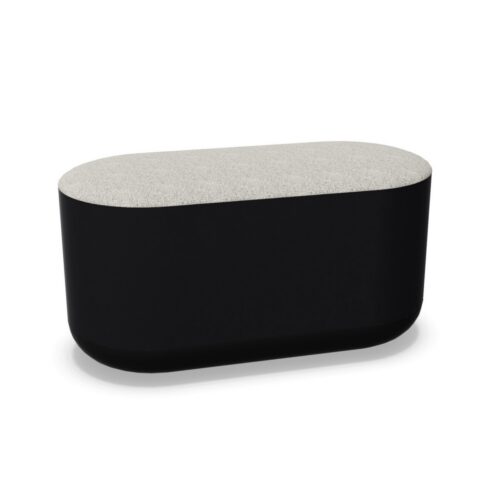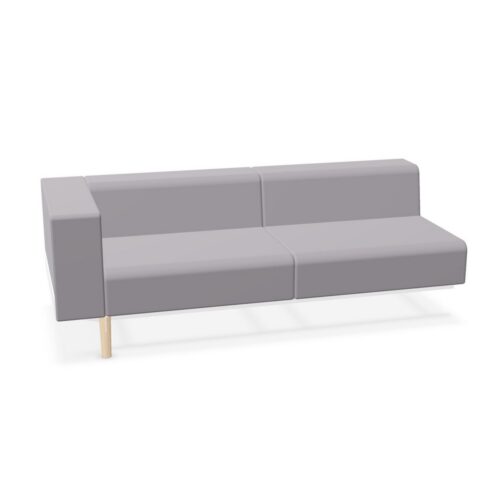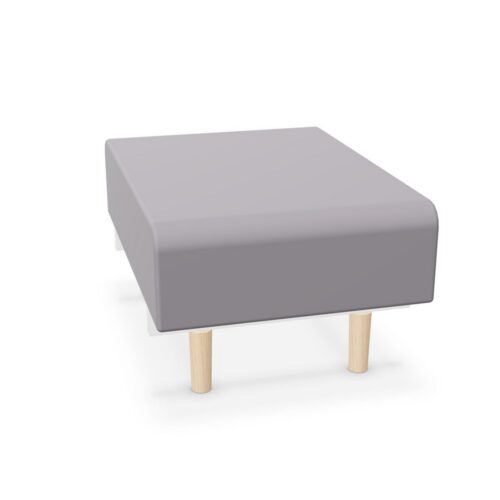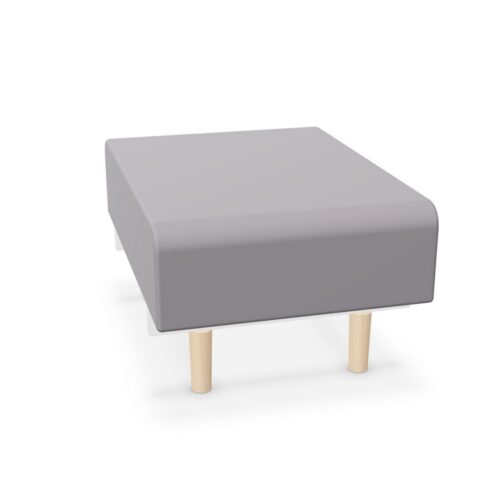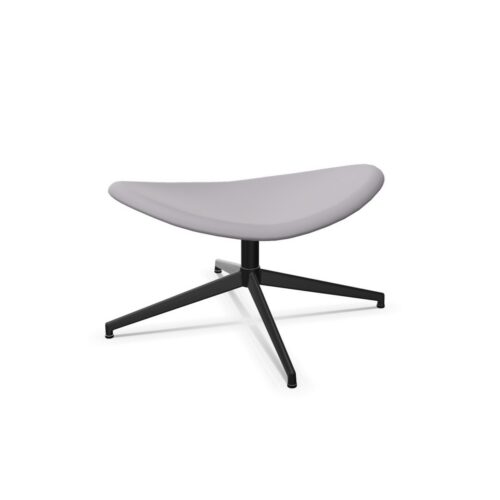


Office furniture with no mechanism covers products without an integrated adjustment, tilt, height-control or movement system. On this archive, the term is used for furniture whose relevant structure is fixed rather than operated through a chair or desk mechanism.
This can include straightforward seating, tables, storage and other workplace pieces where movement is not part of the product’s intended function. It is a useful filter for procurement teams seeking simple, consistent furniture specifications, or for projects where adjustable components are not required.
What does no mechanism mean?
In office furniture, a mechanism usually refers to the working parts that allow an item to move or be adjusted. For chairs, this may include seat-height adjustment, reclining, synchro tilt or a lockable back movement. For desks, it may refer to a manual or electrically operated height-adjustment system.
The no mechanism value indicates that such a system is not present for the relevant product. It does not, by itself, describe every other feature of an item. A fixed chair may still have a shaped shell, upholstery, arms or a particular base design, while a fixed-height table may have a range of finish, top-size and frame options.
Why specify furniture without a mechanism?
A fixed design can be appropriate where dependable, uncomplicated use is more important than individual adjustment. With fewer moving parts to consider, this type of furniture can make it easier to create a uniform specification across a large area.
- It suits spaces where furniture is used briefly or by changing visitors.
- It can support a consistent look across meeting, dining, reception or training areas.
- It is useful where a fixed-height work surface is already the intended design solution.
- It can simplify comparison when selecting furniture by dimensions, material, finish and intended setting.
- It may be preferred for layouts where users should be able to move and reset furniture easily without operating controls.
The right choice remains dependent on the task, length of use and people using the space. The absence of a mechanism should not be treated as a substitute for considering comfort, posture or access needs.
Common workplace settings
Furniture without a movement mechanism is often found in shared and purpose-led settings. Visitor and reception seating, café and breakout areas, meeting rooms, training rooms and collaborative spaces can all use fixed furniture effectively, depending on how long people will be seated and what they need to do.
Fixed tables and desks are also common in touchdown areas, project spaces, cafés and meeting rooms. In these applications, the required working height, available floor space and cable-management requirements usually matter more than height adjustment.
For a permanent individual workstation, a more adjustable solution may be appropriate, particularly when different people will use the same position over time. Procurement should assess the full workstation rather than selecting solely by this filter value.
Product types on this archive
This filter may return different furniture categories because mechanism is a functional attribute rather than a product type. The range can include fixed seating as well as furniture for working, meeting, storing or furnishing shared areas.
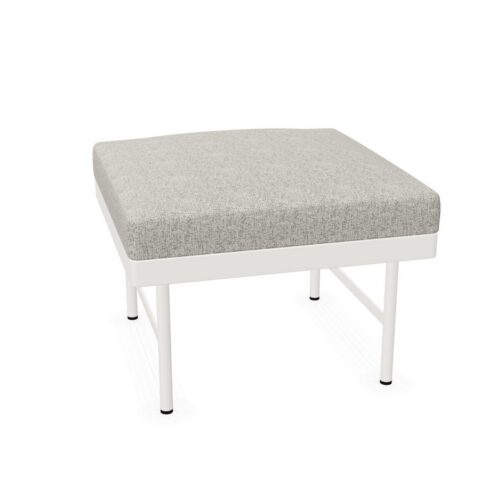
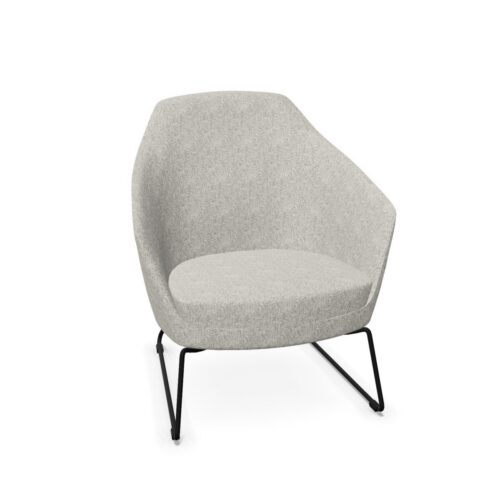
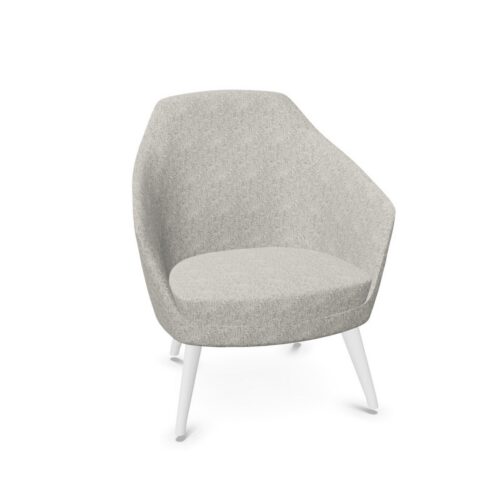
- Visitor, meeting and café chairs with fixed structures.
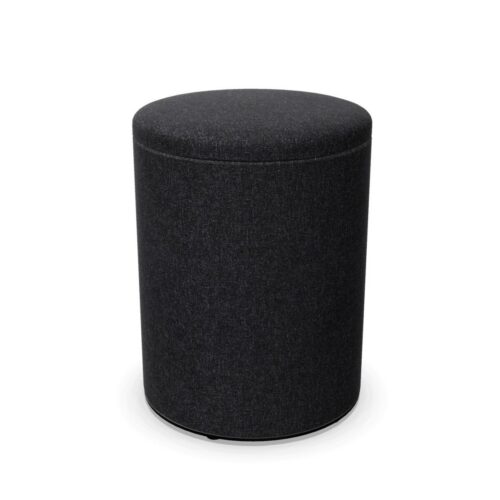
- Stools, benches and occasional seating intended for informal settings.
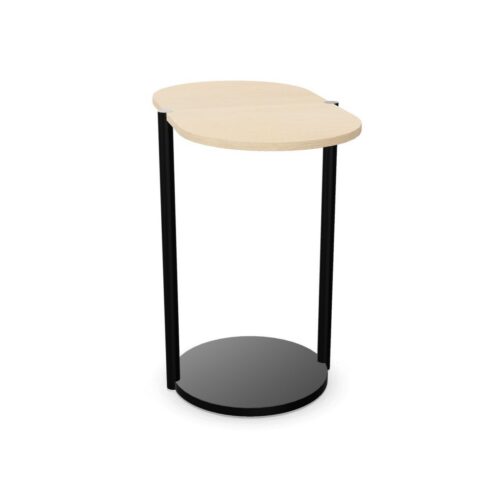
- Fixed-height desks, tables and work surfaces.
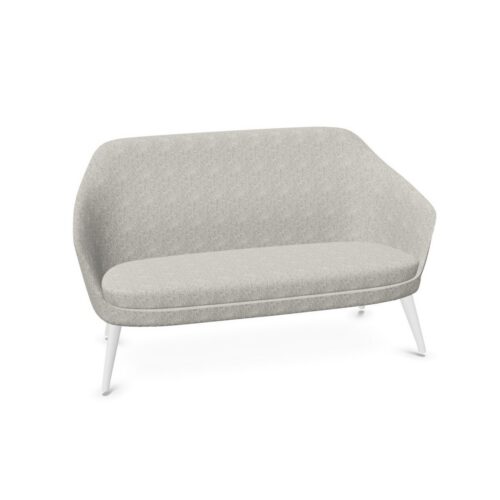
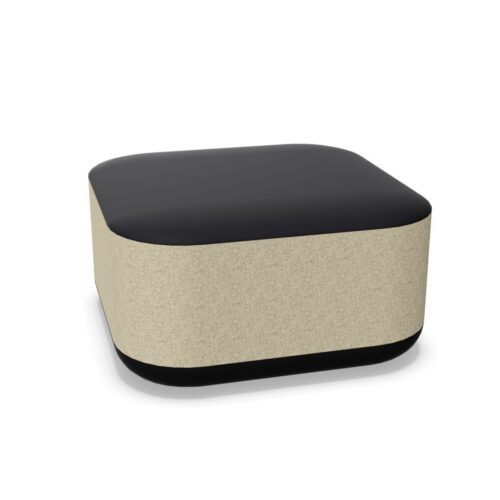
- Reception, breakout and collaborative furniture.
- Storage and supporting workplace items where no operating adjustment mechanism applies.
Individual product pages provide the detail needed to confirm dimensions, materials, base or leg style, upholstery where relevant, and any configuration options. Use the archive filters alongside category and product information to narrow the selection.
Choosing fixed seating
When choosing a chair with no mechanism, start with its expected use. A chair for a short meeting, waiting space or café table can be assessed differently from one intended for several hours of concentrated desk work. Consider seat height in relation to the table or desk, the support offered by the shell or back, the availability of arms, and how easily the chair can be moved, stacked or arranged where applicable.
For teams fitting out assigned desk positions, adjustment can help accommodate varied users and working preferences. Review the role of the chair and the workstation as a whole before deciding whether a fixed model is suitable. Our guide on how to choose an office chair explains the practical points to review when comparing workplace seating.
Choosing fixed-height desks and tables
A desk or table without a height-adjustment mechanism should be selected around the activities it needs to support. Confirm the top height and dimensions, then consider the seating that will be paired with it. Meeting tables, café tables and shared project surfaces may all have different requirements for clearance, circulation and occupancy.
Also consider how the piece will work within the room: access routes, chair movement, power provision, screen use and the need for reconfiguration can all affect the specification. A fixed frame can be a clear choice where the layout and user needs are already well defined.
Questions to consider before specifying
Fit, use and future flexibility
- Who will use the furniture, and for how long at a time?
- Is the item for focused individual work, a meeting, waiting, dining or informal collaboration?
- Does a fixed seat or surface height suit the surrounding furniture?
- Will users have different accessibility or ergonomic requirements?
- How much floor space is available for chairs, circulation and layout changes?
- Which finish, material and visual style should align with the wider workplace scheme?
These questions help separate a suitable fixed product from one that needs greater adjustability. They also help ensure that furniture selected through a functional filter works with the operational requirements of the space.
Related Myntwork ranges
Browse the wider selection of office chairs to compare fixed and adjustable seating for workstations, meeting rooms and shared spaces. Category pages and individual product listings can then be used to review complementary workplace furniture for the setting you are planning.
- Reset all
- Sofas & Lounge


Bralco