


Oak surface office furniture brings a warm, natural-looking finish to workstations, storage and shared workplace settings. On this page, Oak refers to the colour of the visible work surface or outer furniture surface, such as a desktop, tabletop or cabinet face; it does not describe the colour of the frame, legs or base.
An oak-toned surface can help a workplace feel considered without making the furniture difficult to coordinate. It is often selected for offices that need practical, hard-working furniture alongside a less stark visual character than an all-white or dark surface scheme.
What does an oak surface colour mean?
Surface colour identifies the finish seen on the main usable or outward-facing part of a product. For desks and tables, this is normally the top. For cupboards, pedestals and cabinets, it may be the door, drawer front, top or side panel. The exact areas covered can vary by product design, so the product specification and imagery remain important when comparing items.
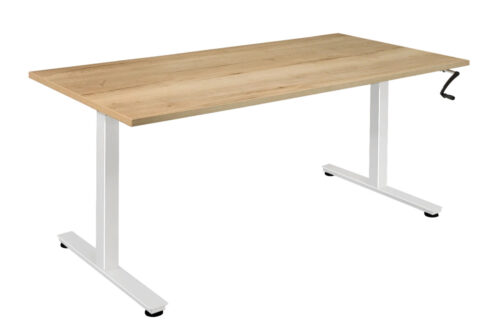
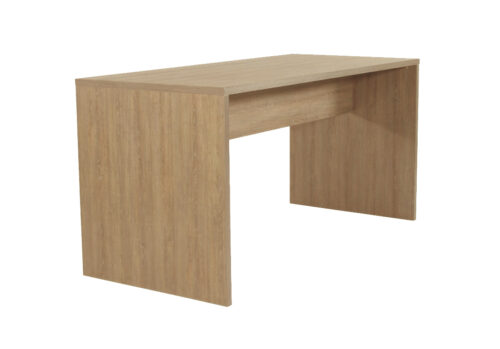
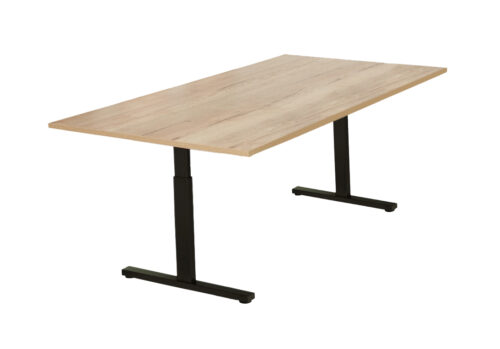
Oak is used here as a colour and finish description rather than a statement about the material beneath it. A worktop may have an oak appearance while being made from a different core material, and its edge detail, texture and grain pattern can differ between ranges. Likewise, an oak surface may be paired with a contrasting metal, black, white or coloured frame.
Why choose oak-toned office surfaces?
Oak is a versatile choice for organisations looking to balance professional consistency with a welcoming interior. Its mid-tone appearance can sit comfortably between pale finishes and darker furniture, making it useful when a workplace needs visual warmth without introducing a highly decorative colour.
- It can soften the look of open-plan desk banks and larger meeting tables.
- It works alongside neutral walls, flooring and storage finishes in many office schemes.
- Its natural-looking tone can help break up spaces dominated by metal, glass or white laminate surfaces.
- It may coordinate with existing timber-inspired joinery or interior details without requiring every element to match exactly.
For procurement teams, a defined surface colour can also make it easier to maintain a coherent look across phased fit-outs, departmental moves or additions to an existing furniture schedule.
Where oak surfaces are commonly used
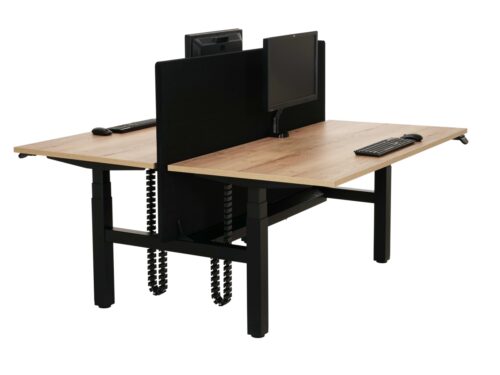
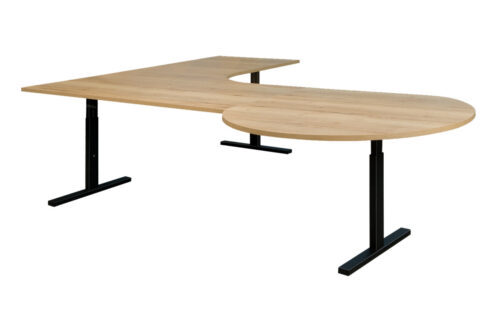
Oak-coloured furniture is suitable for a broad mix of workplace environments. Individual desks and benching can use the finish to create a more relaxed working area, while meeting tables can provide a clear focal point in rooms used by staff, visitors and clients. Storage with oak-facing surfaces may be useful where cupboards are visible from reception, collaboration zones or cellular offices.
The finish can be particularly appropriate in hybrid offices that combine focused work settings with informal meeting points. In these spaces, surface colour can help distinguish furniture groups while still allowing chairs, screens and bases to remain consistent across the floorplate.
Furniture types with oak visible surfaces
The products filtered on this archive may include different furniture types with oak on their primary visible surface. Availability and the precise application of the finish depend on the individual item, so consider both the intended use and the dimensions before specifying a product.
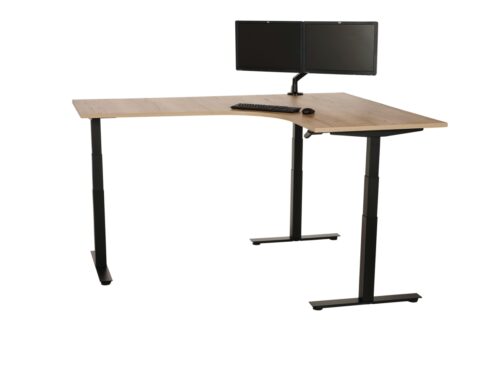
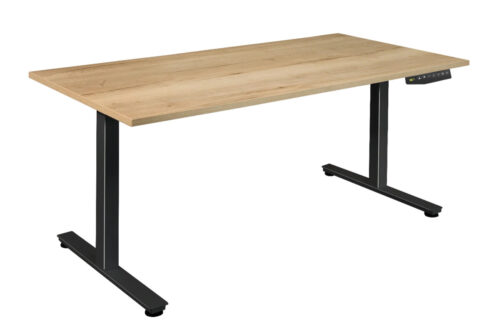
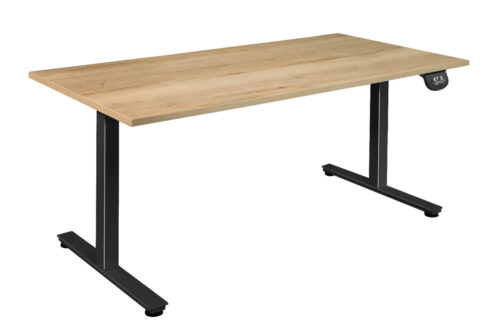
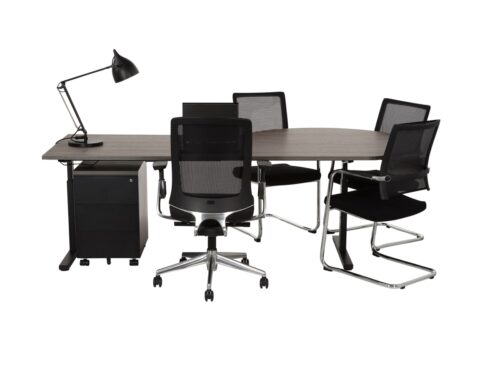
- Desks and workstations for dedicated or shared work areas.
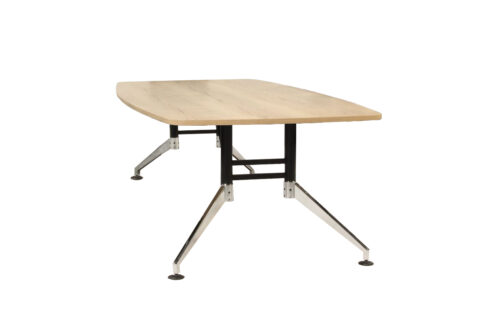
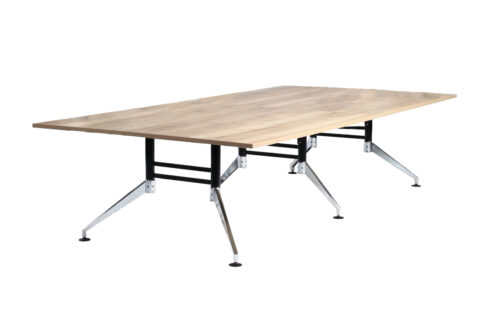
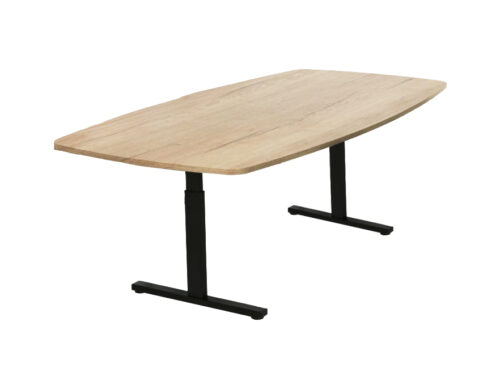
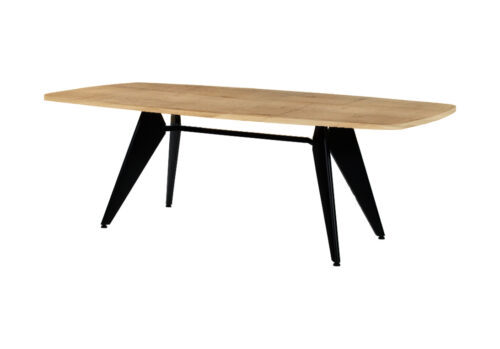
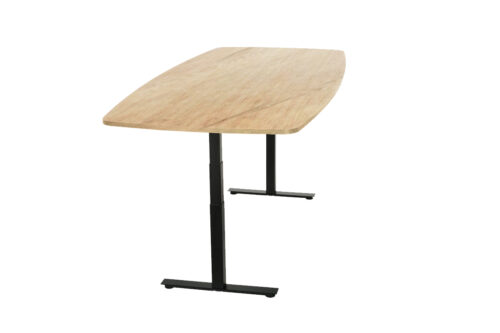
- Meeting, boardroom and collaboration tables.
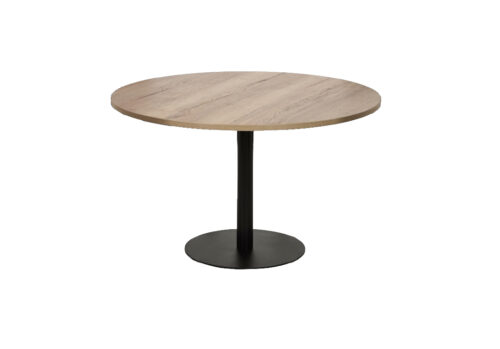
- Occasional tables for breakout spaces and informal discussions.
- Office storage, including cabinets, cupboards or drawer units where the face or top is visible.
- Reception or multipurpose furniture with an outward-facing oak finish.
When combining products, check whether the oak tone is intended to match across the selected ranges. Similar colour names do not always indicate identical grain direction, texture, edging or shade.
How to choose the right oak finish
Start with the room’s existing palette and the role of the furniture. A large desk run or boardroom table will show more surface area than a small storage unit, so its finish may have a greater effect on the overall appearance of the room. Consider samples, product images and the light conditions in the intended location where these are available.
Also distinguish between surface finish and structural finish. If a scheme requires black legs, white frames or another base colour, use the relevant product details and filters to confirm that combination. Selecting Oak on this archive alone does not determine the colour of the supporting frame.
Questions to consider when specifying
- Which visible surfaces need to coordinate: desktops, table tops, storage fronts or all of these?
- Will the furniture sit beside existing wood-effect finishes, flooring or wall panelling?
- Is a consistent grain appearance important across several rooms or product types?
- What frame, leg or handle finish is needed alongside the oak surface?
- Will the surface be used for focused desk work, meetings, shared equipment or storage?
- Do dimensions, cable management and storage capacity meet the practical requirements of the space?
Using oak in a coordinated workplace scheme
Oak surfaces can be used throughout an office or applied selectively. A consistent finish across desks, meeting tables and storage can create continuity in a multi-room workplace. Alternatively, using oak in customer-facing rooms or collaboration areas while keeping task-focused desk zones more neutral can help give different settings their own identity.
Pay attention to contrast. Dark chairs and bases may make an oak surface read more defined, while pale seating and white frames can create a lighter, more open arrangement. Where several furniture suppliers or ranges are involved, record the chosen finish against each product line rather than relying on the broad description alone.
Planning around surface colour
Surface colour is one part of an effective furniture specification. Layout, circulation, workstation sizes, access to power and the relationship between individual and shared spaces should be resolved alongside appearance. An oak desk surface may support the visual brief, but it should also be selected in dimensions and configurations that suit the people using the space.
For a wider view of layout considerations, see the Myntwork office space planning guide. Guidance on comparing furniture requirements is also available in our resource on choosing office furniture.
Related Myntwork furniture ranges
Browse the wider office furniture collection to compare desks, tables, storage and other workplace products alongside this Oak surface selection. Product pages provide the relevant dimensions, finish information and configuration details needed to assess each item for a particular office setting.

Myntwork
Myntwork
Myntwork
Myntwork
Myntwork
Myntwork
Myntwork
Myntwork