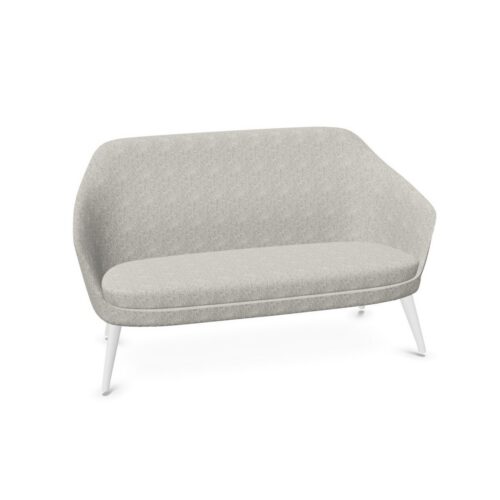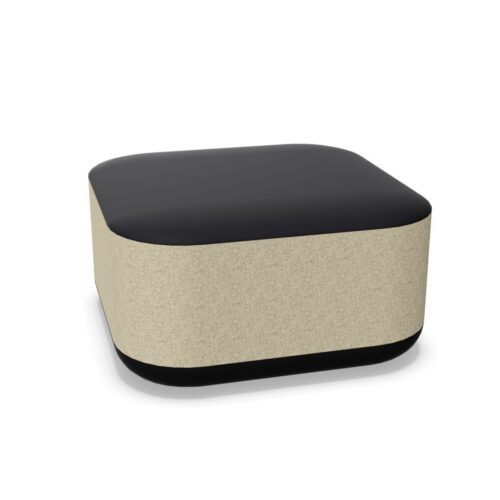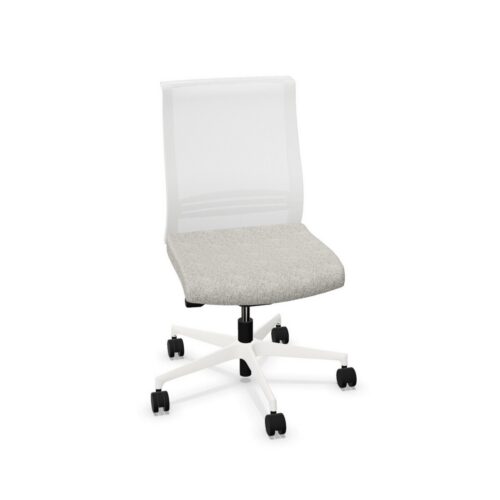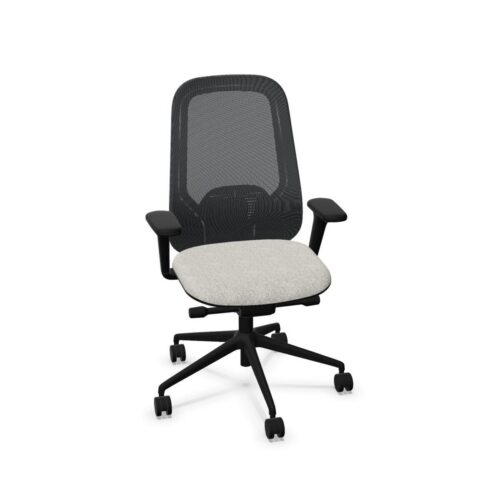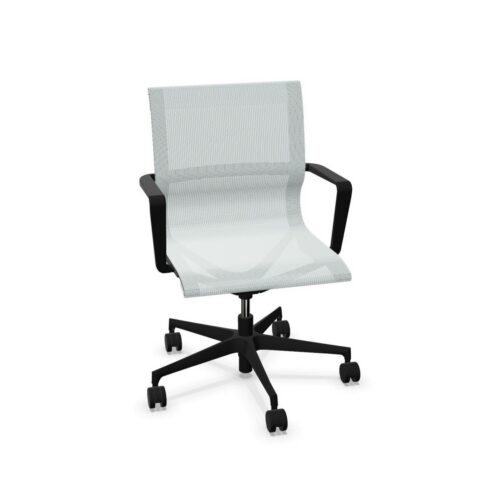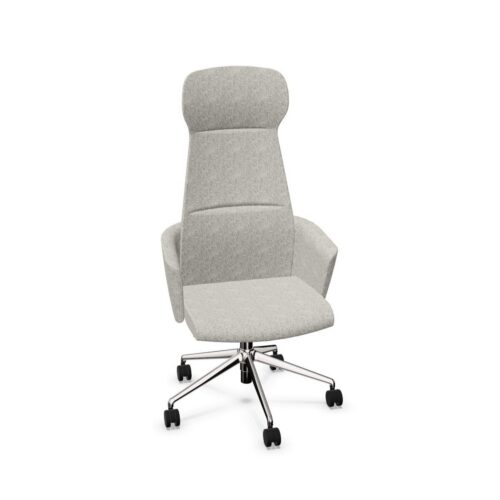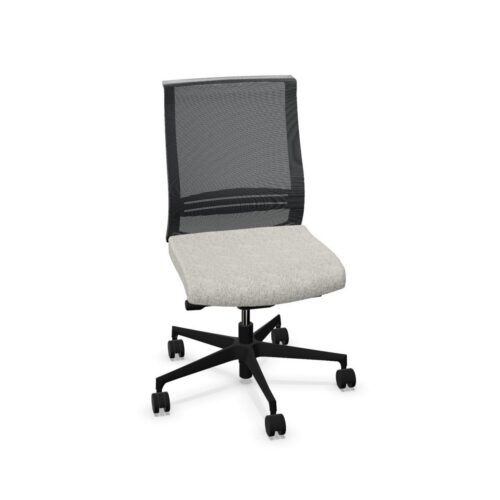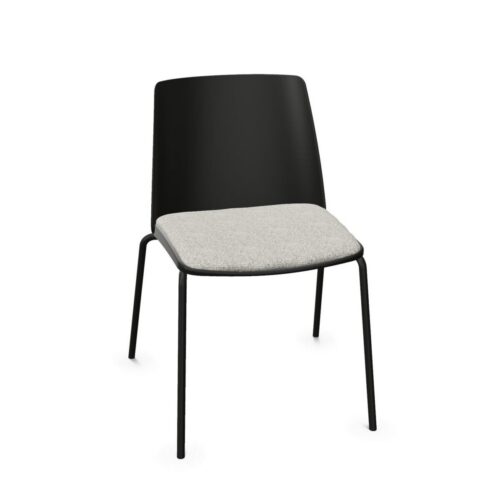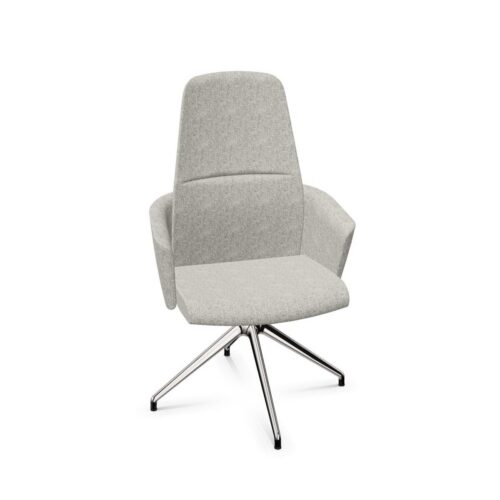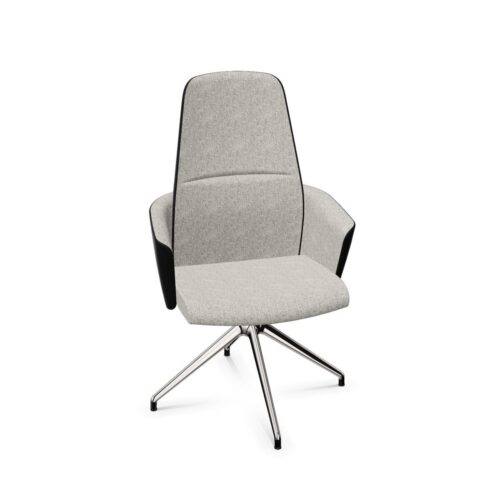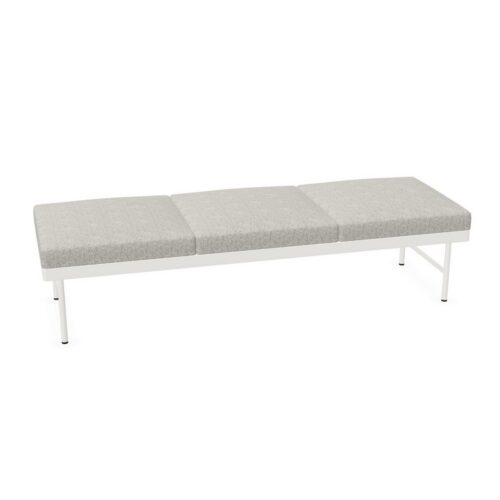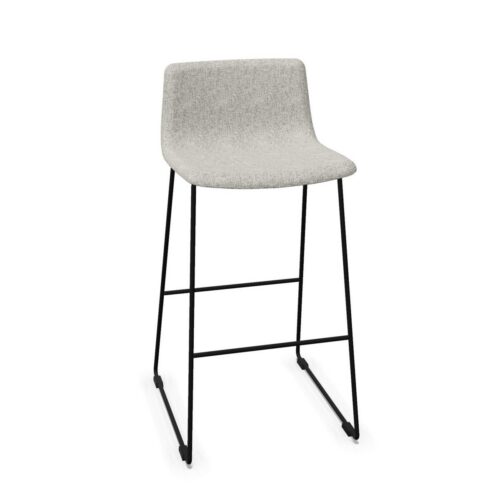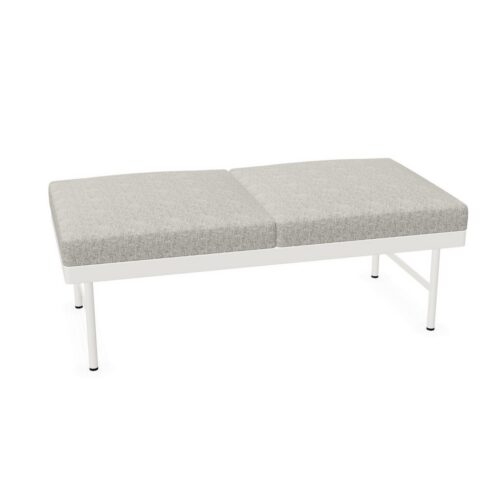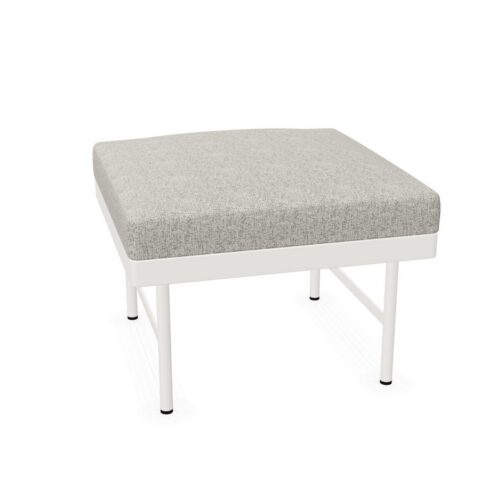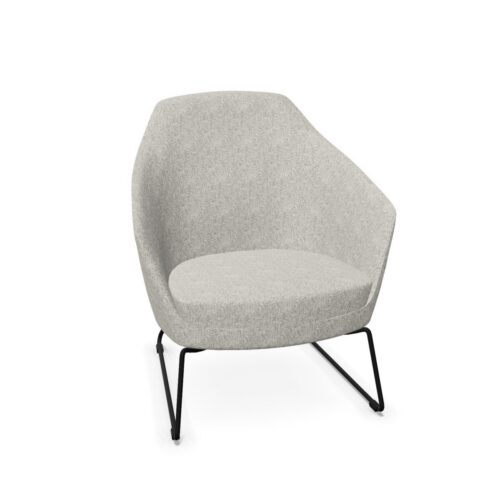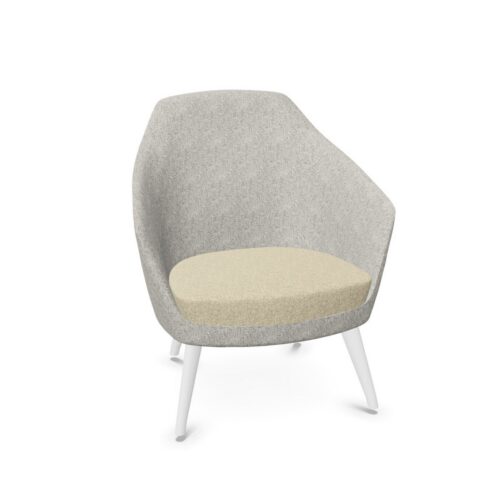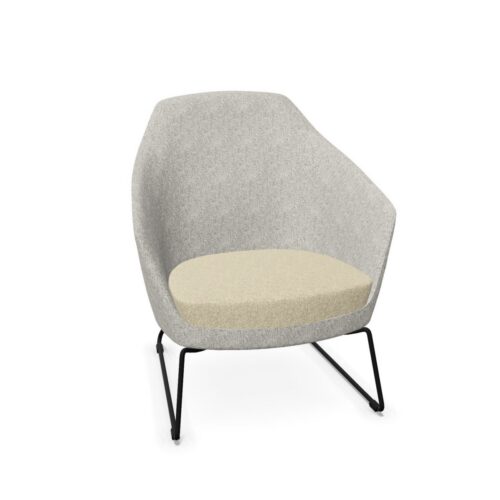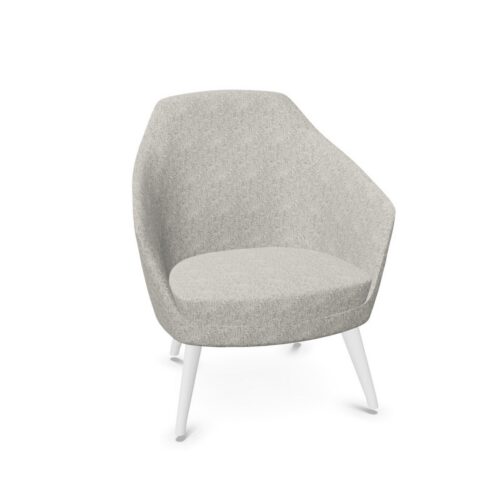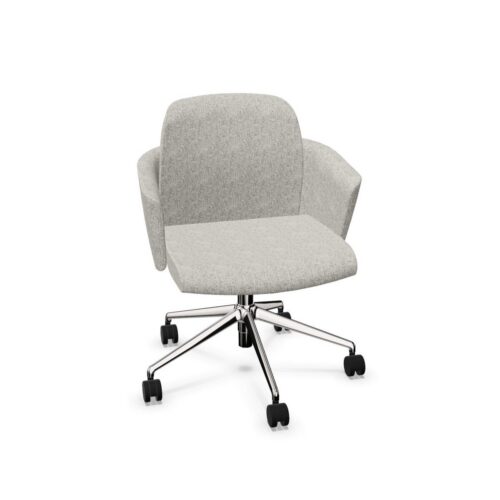


Beige upholstered office furniture brings a calm, adaptable finish to workplaces that need seating with a softer visual presence. On this page, beige refers specifically to the fabric, leather or other upholstered covering on a product; it does not describe the colour of its legs, frame, shell or base.
From pale oatmeal and stone through to warmer sand and taupe-leaning neutral tones, beige upholstery can sit comfortably alongside many workplace palettes. The exact shade, texture and material can vary between products, so it is useful to review the individual specification when selecting furniture for a coordinated scheme.
What does beige upholstery colour mean?
Upholstery colour describes the visible covering used on padded seating and upholstered elements. This may include task-chair seats and backs, lounge chairs, sofas, benches, meeting chairs, booth seating and acoustic screens where a fabric finish is specified.
Beige is a broad neutral family rather than one fixed colour. A product described as beige may have creamy, greyed, sandy or natural undertones, and its appearance can change with pile direction, weave, surrounding finishes and daylight. It should therefore be considered separately from product attributes such as overall colour, base colour, material or frame finish.
Why choose beige upholstered furniture for an office?
Neutral upholstery can help establish a settled, professional setting without making the room feel stark. Beige is often considered where a workplace needs furniture that complements timber, black metal, white desks, stone-look surfaces or muted accent colours without competing for attention.
- It can create a warmer alternative to cooler grey or black upholstery.
- It works well in schemes that use natural materials, plants and timber finishes.
- It can provide a consistent backdrop for branded graphics, artwork or coloured accessories.
- It may help visually soften informal spaces such as reception areas, lounges and collaboration zones.
- It offers flexibility when furniture is intended to remain suitable through future interior refreshes.
The practical suitability of any upholstery still depends on the product and environment. Consider the fabric type, intended frequency of use, cleaning guidance and the contrast between the chosen shade and likely everyday marks.
Where beige upholstery is commonly used
Beige upholstered seating can be used across shared and individual work settings, especially where comfort and an inviting appearance are important. In a reception, it can support a composed first impression. In a breakout area, it can make a space designed for informal conversation feel more relaxed. In meeting rooms, neutral chairs or banquettes can keep the focus on the table, technology and people using the room.
It is also relevant to hospitality-inspired workplace areas, quiet rooms and executive spaces where a more residential character is desired. For high-traffic locations, the chosen tone and upholstery specification should be assessed carefully in relation to maintenance routines, site access and the expected level of wear.
Furniture types available with beige upholstery
The products shown in this archive may span different furniture categories and upholstery constructions. A beige finish can appear as a fully upholstered piece, a padded seat only, a fabric back panel or an upholstered screen. Always check the individual product details to understand which parts of the item are upholstered in beige.
- Office and task chairs with upholstered seats, backs or both.
- Meeting and visitor chairs for boardrooms, training rooms and touchdown spaces.
- Soft seating, including lounge chairs, sofas and modular seating arrangements.
- Reception seating and waiting-area furniture.
- Booth seating, banquettes and collaborative pods.
- Upholstered desk screens, privacy panels and selected acoustic products.
Different categories serve different operational requirements. A meeting chair may prioritise stackability or a compact footprint, while lounge seating may be selected for comfort, layout flexibility and its relationship to surrounding tables.
How to select the right beige shade and finish
Start by viewing beige upholstery in the context of the whole space. Compare it with flooring, walls, desk finishes, storage and the proposed colour of bases or frames. A warm beige can complement oak and other warm woods, whereas a stone or greige tone may suit cooler metals and contemporary neutral interiors.
Lighting is equally important. Natural light, warm LEDs and cooler task lighting can each alter how an upholstered surface reads. Where a consistent result matters across a larger project, consider samples and evaluate them in the intended setting before confirming a final combination.
Questions to consider
- Which upholstered component is beige: the seat, back, screen or entire item?
- Does the shade have warm, cool or grey undertones when seen with existing finishes?
- Will the furniture be used in a client-facing, high-traffic or quieter area?
- What cleaning and care guidance applies to the specified upholstery?
- Do the frame, legs and base provide the contrast or coordination required for the scheme?
- Are there other upholstery colours needed to zone spaces or support wayfinding?
Planning a coordinated workplace palette
Beige can form part of a restrained palette or work alongside more expressive colours. For example, a neutral lounge setting may be paired with darker tables for definition, while brighter cushions, planting and accessories introduce character without changing the core furniture finish. In larger offices, repeating one beige upholstery family across several zones can help create continuity between reception, meeting and breakout spaces.
Coordination does not require every upholstered item to match exactly. Combining related neutrals can add depth, provided their undertones are compatible. Consider how colour supports the function of each area: quieter zones may benefit from a more subdued composition, while social spaces can carry stronger contrast around a neutral seating base.
Related office furniture ranges
Browse the wider office furniture collection to compare seating, tables, storage and workplace accessories across different finishes. For guidance on balancing comfort, use requirements and visual consistency, see our resource on choosing office furniture. The office space planning guide also covers the considerations involved in arranging furniture for the way teams use each area.
- Reset all
- Schwarz