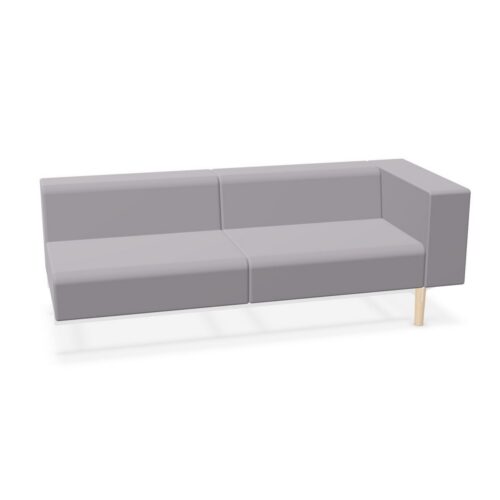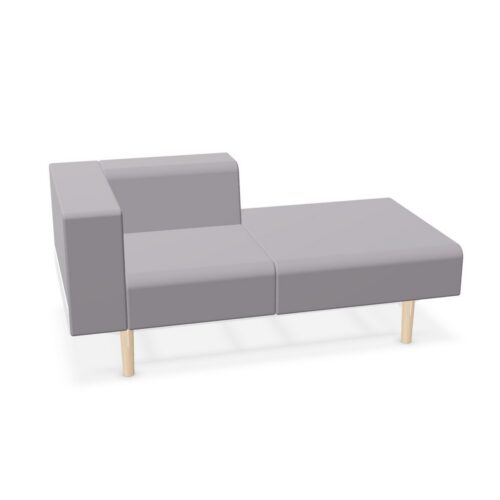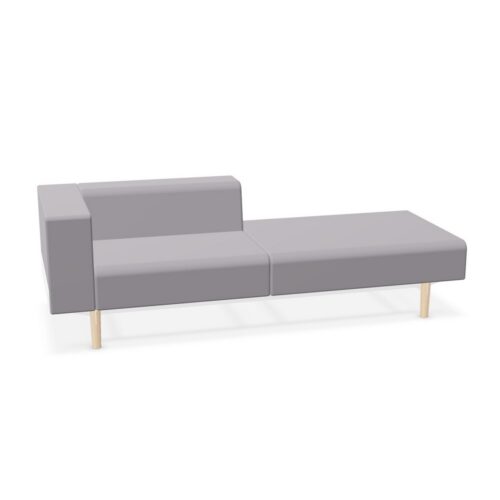


Black upholstered office furniture brings a composed, practical finish to workplaces that need seating and soft furnishings to work across different rooms, brands and interior schemes. This filter refers specifically to the colour of the fabric or other upholstery material; it does not describe the colour of a chair frame, leg, base or shell.
Black upholstery is used across a broad mix of workplace furniture, from task chairs and meeting seating to sofas, booths and occasional chairs. Its neutral appearance can support a consistent specification in a single office or provide a visual anchor alongside lighter finishes, timber surfaces and coloured acoustic elements.
What does black upholstery colour mean?
Products in this selection have black upholstery on the visible padded, fabric-covered or otherwise upholstered parts of the item. Depending on the product, this may include a seat pad, backrest, arms, cushions or fully upholstered body.
The supporting components may be a different colour or material. For example, a black-upholstered chair might have a polished, white or black base, while a sofa may have timber, metal or concealed feet. Check the individual product specification and imagery when the finish of the frame or base is important to the scheme.
Why choose black upholstered furniture?
Black is a versatile upholstery choice for commercial interiors because it creates clear definition without requiring a close match to every surrounding finish. It can suit formal client-facing settings, focused work areas and shared spaces with frequent use. In larger projects, it can also make it easier to repeat seating types across floors while retaining a coherent visual language.
- It works alongside many neutral and natural material palettes, including white, grey, timber and metal finishes.
- It can give meeting rooms and reception areas a more grounded, considered appearance.
- It provides contrast where walls, desks or flooring are light in colour.
- It can be combined with brighter upholstery pieces to distinguish collaboration zones or informal areas.
Colour is only one part of an upholstery specification. Fabric composition, texture, pattern, cleaning requirements and the intended level of use should all be reviewed before selecting a particular product.
Where black upholstery works well
Black-upholstered seating can be specified throughout a workplace, although the right application depends on the atmosphere and practical needs of each setting. In boardrooms and enclosed meeting spaces, it can offer a restrained finish that keeps attention on the room’s table, technology and presentation surfaces.
In reception areas, lounges and waiting zones, black sofas or lounge chairs can establish a defined seating area, especially when paired with lighter tables, rugs or planters. For desk-based work, black task-chair upholstery may be chosen where a consistent operational finish is needed across a large number of workstations.
It is also useful in mixed-use offices. A darker upholstered piece can help visually separate a touchdown area from an open-plan desk zone without the need for solid partitions. Consider the available daylight, wall colour and floor finish so that the overall room does not become unnecessarily dark.
Furniture types available in black upholstery
The range may include different furniture categories with black upholstered surfaces. Availability varies by product, but common options include seating for individual work, group discussion and relaxed use.
- Task and operator chairs with upholstered seat pads or backs.
- Executive, boardroom and meeting chairs for formal discussion spaces.
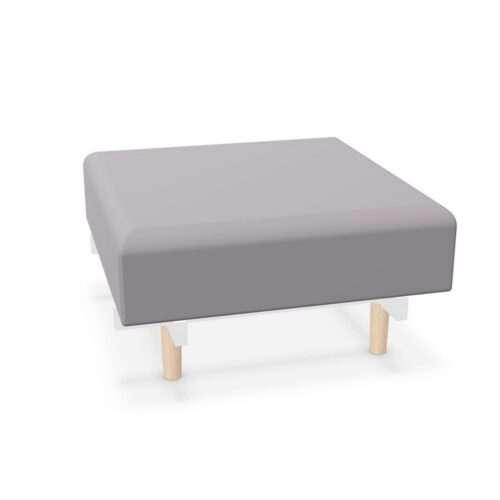
- Lounge chairs, occasional seating and reception chairs.
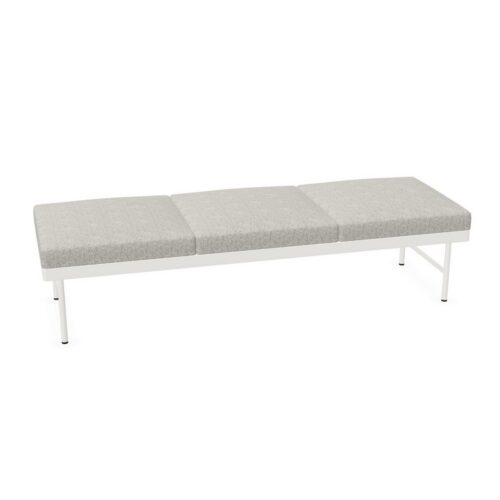
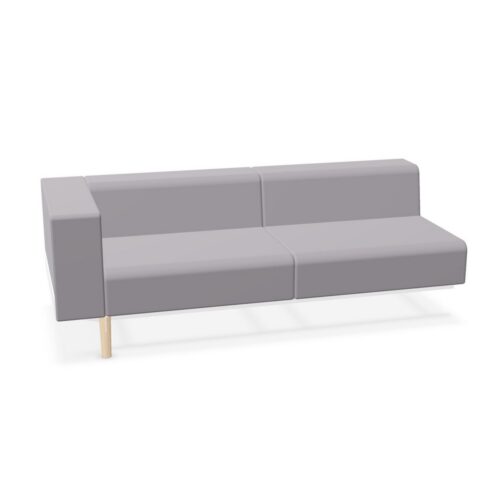
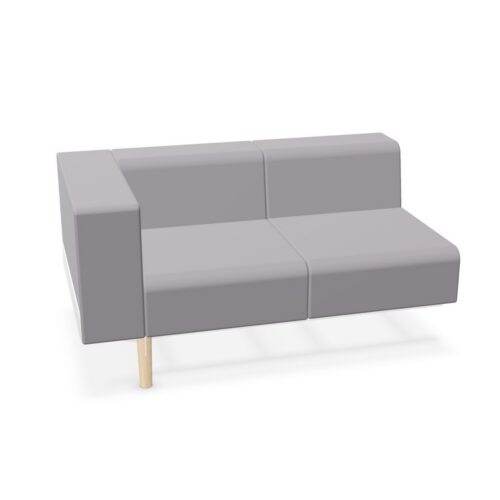
- Sofas, modular seating and upholstered benches for shared areas.
- Booth seating and privacy-oriented furniture for collaboration zones.
- Stools and perch seating with upholstered tops or cushions.
Use the other catalogue filters to narrow the selection by furniture category, dimensions, material, configuration or features relevant to the project. This helps distinguish an upholstered finish from the functional requirements of the item itself.
Choosing the right black upholstery
Start with how and where the furniture will be used. A chair selected for all-day individual work needs a different level of adjustment and support from a chair intended for short meetings. Likewise, a reception sofa should be considered in relation to its scale, seat height, access routes and the number of people likely to use the space.
Then assess the upholstery in the context of the interior. Black can appear soft and warm in a textured woven fabric, or sharper and more formal in a smooth finish. Compare samples or product imagery with the proposed floor, desk, wall and lighting finishes where possible. Under strong daylight or warm artificial light, the same black material may present differently.
Questions to consider
- Which upholstered sections are black, and which components have separate finish options?
- Is the item intended for individual work, meetings, visitors, waiting or informal collaboration?
- How will the upholstery sit with existing desk frames, table bases and storage finishes?
- Does the room have sufficient light and contrast for darker seating?
- What cleaning, maintenance and replacement considerations apply to the chosen upholstery material?
- Will a consistent black finish help standardise furniture across several rooms or sites?
Using black with other office finishes
Black upholstery can form part of a calm monochrome scheme, but it does not need to dominate the room. Pairing it with pale worktops and walls can make seating more legible, while timber tables or storage add warmth. In collaborative spaces, selected coloured chairs, screens or accessories can introduce wayfinding and character around a stable black seating base.
When specifying several furniture types, check whether apparently similar black fabrics are actually the same material and shade. Differences in weave, sheen and undertone can be noticeable when products sit close together. A deliberate mix can work well, but it should be chosen as part of the wider finish schedule rather than assumed from colour names alone.
Planning an upholstered furniture scheme
A considered furniture plan balances visual consistency with the needs of each work setting. Map the required seating positions, circulation space and room functions before finalising colours. This is particularly useful where black upholstered chairs, sofas and booths are being used across reception, meeting and open-plan areas.
For broader product options, view the office furniture collection. Guidance on matching furniture to workplace requirements is available in our resource on choosing office furniture, while the office space planning guide can help place seating and shared furniture within the wider layout.