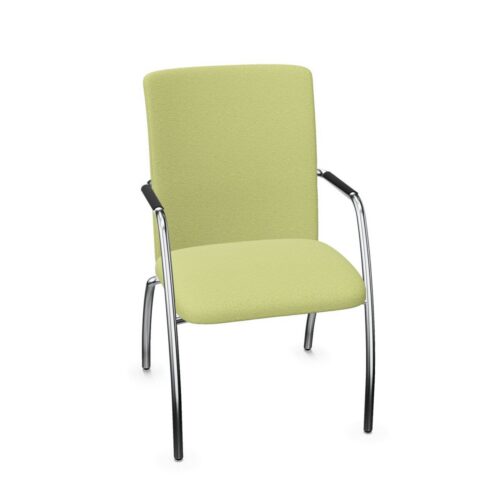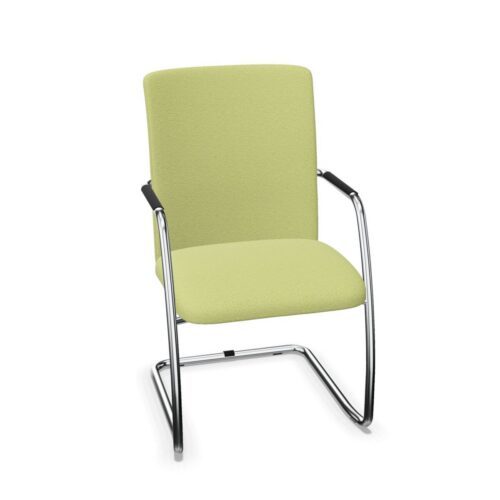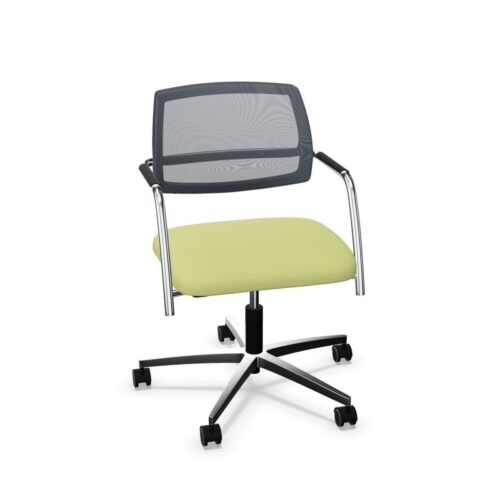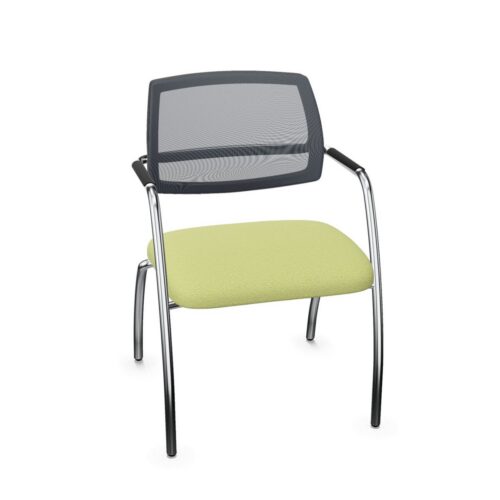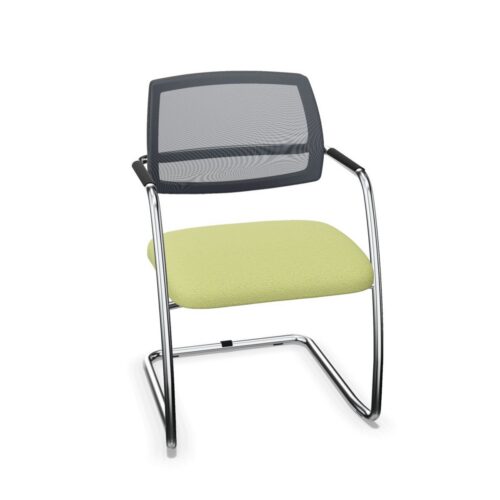


Blue upholstered office furniture brings a composed, adaptable colour choice to workplaces while keeping the focus on comfort and task suitability. On this page, blue refers specifically to the visible fabric, leather or other upholstered finish on a product; it does not describe the colour of its frame, legs, mechanism or base.
From restrained navy task seating to lighter blue lounge pieces, this filter brings together furniture with blue upholstery for offices, meeting settings and shared spaces. The precise shade, material, texture and pattern can vary between products, so it is useful to review individual product details when creating a coordinated specification.
What does blue upholstery mean?
Upholstery is the soft covering applied over cushioning or a supporting structure. In an office setting, it is commonly found on desk chairs, meeting chairs, sofas, booths, stools and occasional seating. A blue upholstery colour may range from deep ink and navy through mid-blue tones to brighter or softer shades, depending on the manufacturer and fabric range.
This attribute identifies the upholstered surface rather than the whole item. A chair with blue fabric may, for example, have a black five-star base, chrome legs, wooden feet or a white shell. Likewise, a blue upholstered booth may incorporate contrasting panels, screens or trim. For complete finish information, compare the imagery and specification for each product.
Why choose blue upholstered furniture for an office?
Blue can provide a calm, professional visual anchor in a workplace. Darker blues often work well where a more formal, grounded appearance is wanted, while mid and lighter blues can introduce definition to collaborative areas without relying on highly saturated accent colours.
It can also be a practical choice within a wider finish palette. Blue upholstery can sit alongside neutral workstations, timber surfaces, dark metal frames and many common floor finishes. The right tone depends on the amount of natural light, the scale of the room and the colours already present in the interior.
- Deep blue upholstery can help give boardrooms, executive spaces and client-facing settings a measured appearance.
- Mid-blue seating can distinguish team areas or shared meeting points within an open-plan floor.
- Lighter blue finishes may suit informal collaboration spaces where a fresher visual feel is required.
- Repeated blue accents can help create continuity across several floors or workplace zones.
Where blue upholstery is commonly used
Blue upholstered seating is suitable for a broad range of office environments. In focused work areas, it may be used for task chairs and visitor seating. In meeting rooms, blue can help establish a consistent scheme across conference chairs, meeting booths and occasional pieces. Reception and breakout spaces often use upholstered lounge furniture to offer a more comfortable contrast to desk-based areas.
Consider how the furniture will be seen from adjoining spaces. A single blue sofa can act as a focal point in a reception area, whereas a larger group of matching chairs can provide a more uniform setting for training, dining or team meetings. In larger offices, using related blue tones across different product types can support visual wayfinding between neighbourhoods.
Product types available with blue upholstery
The products shown under this filter may include different furniture categories, each intended for a particular use. Upholstery should be considered alongside dimensions, ergonomics, support, mobility and the way a space will operate.
- Task chairs: upholstered office chairs for individual desk work, often selected according to adjustment requirements and daily use.
- Meeting and visitor chairs: seating for conference rooms, touchdown spaces and guest positions.
- Lounge seating: sofas, armchairs and modular seating for receptions, waiting areas and informal work zones.
- Booths and pods: upholstered elements that can help define areas for conversation, focused work or small-group meetings.
- Stools and occasional seating: flexible options for cafés, project spaces, high tables and informal collaboration.
Choosing the right shade and upholstery material
Blue is a broad colour family, so selecting by colour alone may not be enough. Start by deciding whether the scheme needs a dark, mid or light blue, then assess samples or product imagery in relation to surrounding finishes. Daylight and artificial lighting can alter how a fabric appears, particularly where a shade contains grey, green or violet undertones.
Material selection is equally important. Woven textiles, felted surfaces, leather-look finishes and other upholstery types can give the same nominal colour a very different character. Texture affects how light reflects from the surface and can influence whether a blue finish looks formal, soft, technical or relaxed. Where several products are being specified together, check whether their upholstery ranges use matching or merely complementary shades.
Questions to consider when specifying blue upholstery
- Is the intended blue a subtle background finish or a clear feature within the interior?
- Will the upholstery be used in a high-contact area such as a breakout space or reception?
- Does the selected product provide the support, dimensions and functions needed for its users?
- How will the upholstery coordinate with the frame, base, desks, flooring and wall finishes?
- Is a consistent shade needed across multiple seating types, or is a tonal mix more appropriate?
- Will the furniture remain suitable if the layout or team use changes over time?
Planning blue seating across the workplace
A considered furniture plan helps prevent colour from becoming disconnected from function. Use blue upholstery in relation to circulation routes, desk locations, meeting capacity and the balance between individual and shared settings. A darker tone may be reserved for a quieter meeting zone, for instance, while a lighter related tone can identify social or collaborative seating nearby.
For larger projects, it can be useful to map furniture types and finishes room by room before finalising a palette. The office space planning guide provides a useful starting point for considering layout, activity and available floor area together. Product dimensions, clearances and access requirements should always be checked separately from colour and upholstery choices.
Blue upholstery within a leased furniture specification
When arranging office furniture through a leasing model, selecting a coherent upholstery palette can help make different product groups feel intentional, even where the workplace contains a mix of task, meeting and lounge seating. Begin with the functions each area needs to support, then narrow the selection by finish, scale and visual fit.
Blue upholstered furniture can form part of a neutral scheme or provide a recurring colour across a more expressive interior. For broader guidance on balancing furniture use, style and workplace requirements, see our resource on choosing office furniture. Browse the wider office furniture collection to compare blue upholstered options with other furniture categories and finishes.