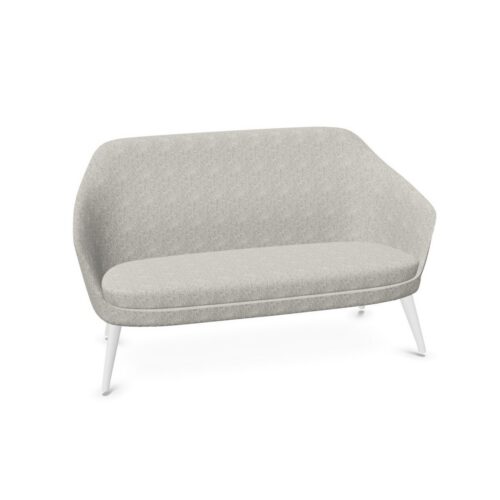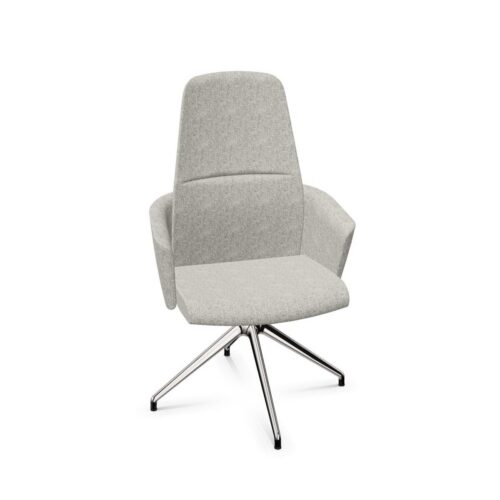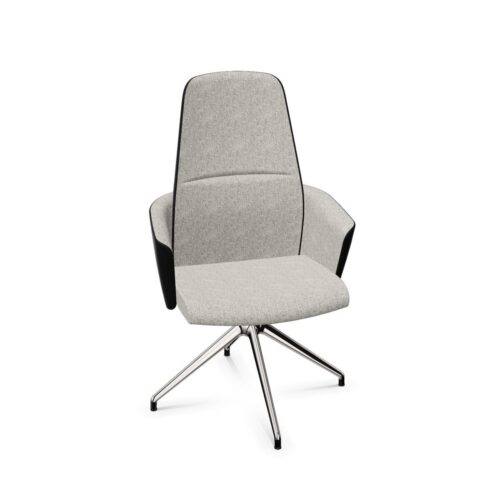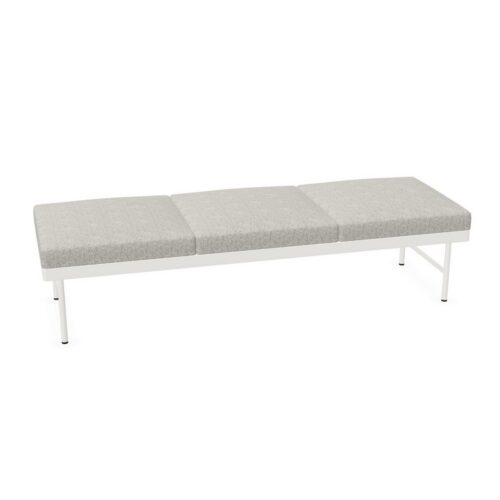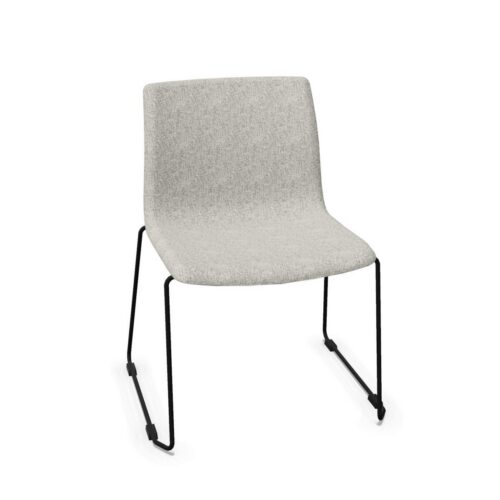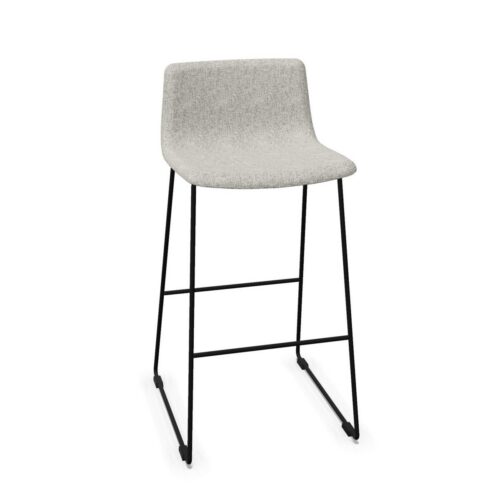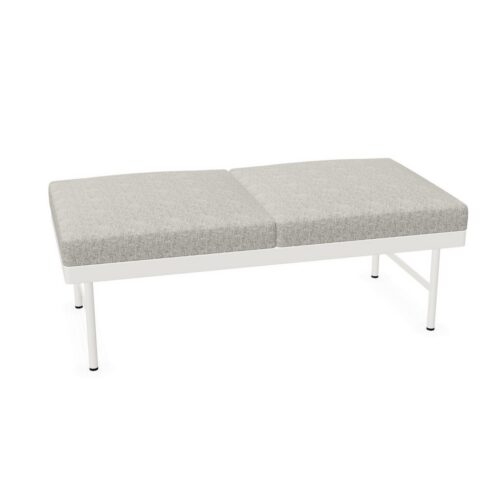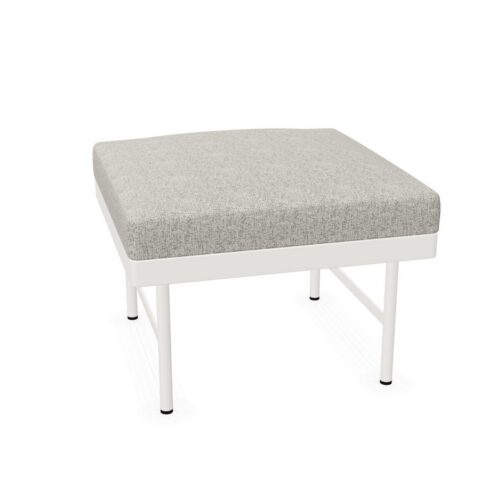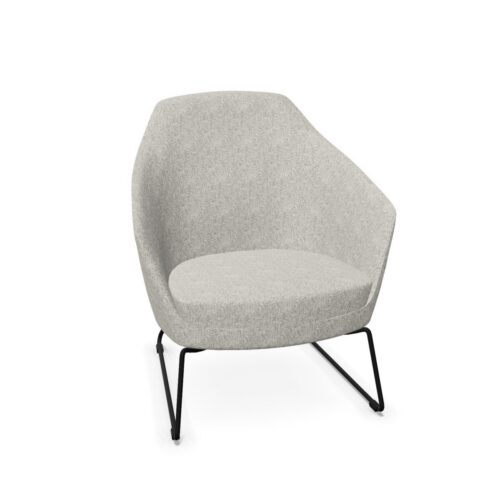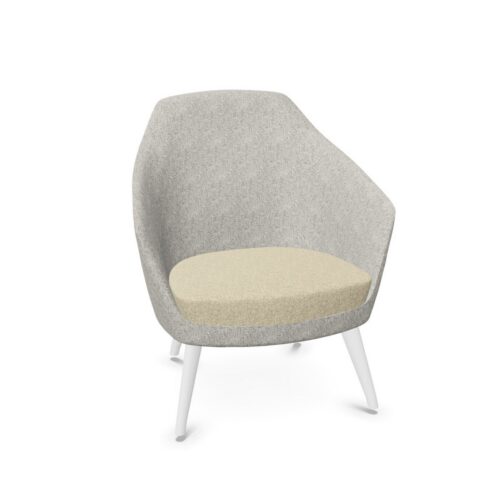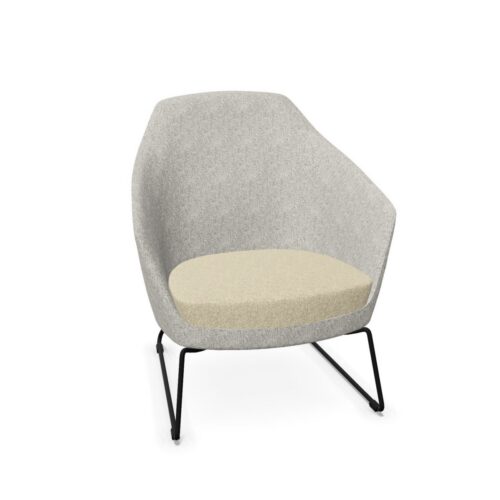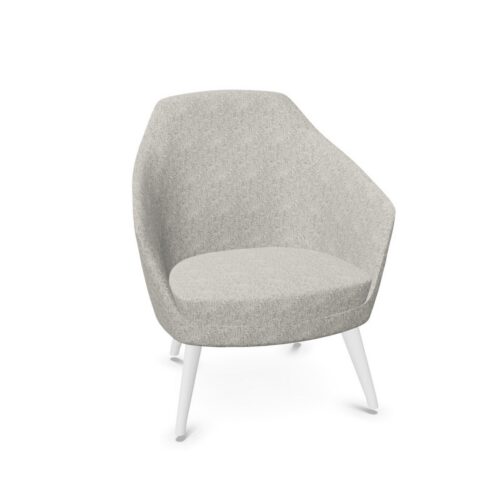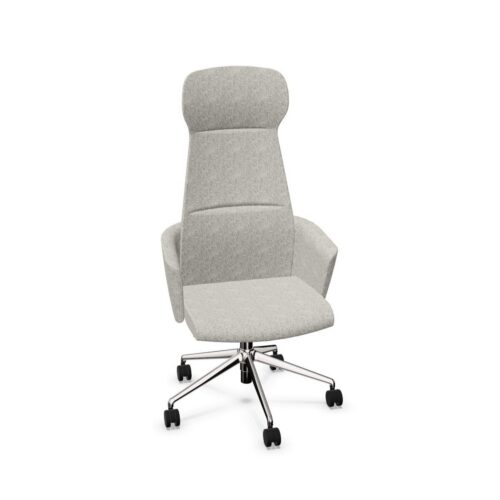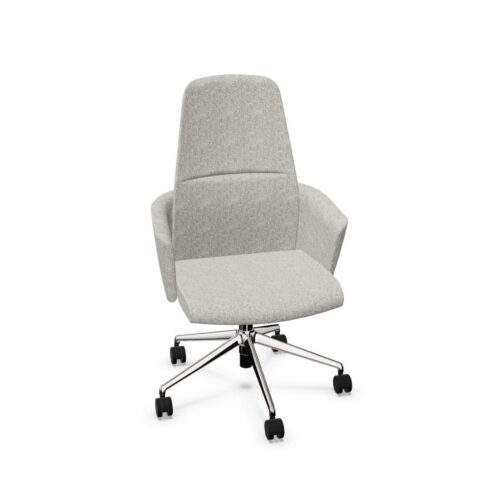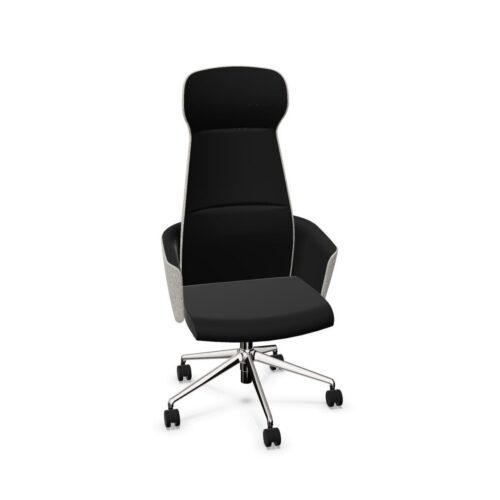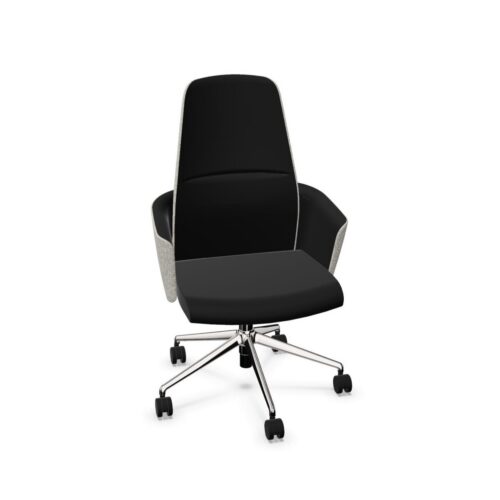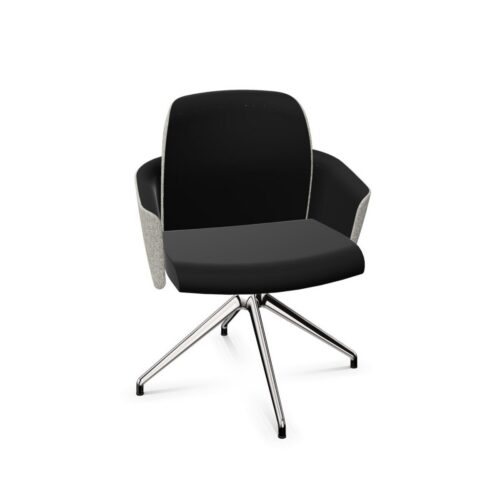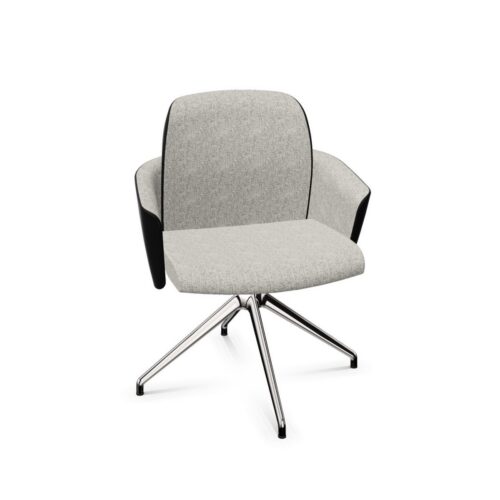


Green upholstered office furniture brings a considered use of colour to workplace settings while keeping the focus on comfort, function and layout. This filter covers the colour of the fabric or other upholstery on a product, rather than the finish of its frame, legs or base.
From muted moss and olive tones to deeper forest shades and brighter greens, upholstery can influence how seating, screens and soft furnishings sit within an overall scheme. Green can be used as a calm background colour, a wayfinding cue between zones or an accent alongside neutral workstation furniture.
What does green upholstery mean?
Upholstery is the padded, covered surface of a furniture item: for example, the seat and back of an office chair, the cushions on a sofa, or the fabric panels of a booth. Selecting Green in this archive identifies products with green upholstery. It does not necessarily indicate that the whole item is green, as the shell, frame and base may be specified separately.
Individual product finishes can vary between manufacturers and ranges. A green fabric may appear different under daylight, warm lighting or in contrast with surrounding flooring and wall finishes. Review the product imagery and available finish information when coordinating several items in one project.
Why choose green upholstered furniture?
Green is often chosen for workplaces that need a connection to natural materials, planting or biophilic design principles without relying on a single uniform finish. It can complement timber, black metal, grey desk systems and neutral architectural surfaces, while offering more character than an all-grey seating plan.
- Soft sage and muted green upholstery can work well in calm, residential-style breakout settings.
- Mid-tone greens can help distinguish informal meeting spaces, touchdown areas or team neighbourhoods.
- Darker greens can add visual weight to lounge seating, reception furniture and enclosed focus areas.
- Green can be repeated across a floorplate in small quantities to support a consistent visual identity.
The appropriate shade depends on the space, lighting and intended use. In busy shared areas, a mid or darker tone may be practical where a very pale fabric would show everyday use more readily; however, suitability should always be considered alongside the upholstery material and maintenance requirements.
Where green upholstery is commonly used
Green upholstered seating is adaptable across office, education, hospitality and customer-facing environments. In reception areas, it can create a welcoming first impression when paired with restrained finishes elsewhere. In staff spaces, it can make lounges and cafés feel distinct from formal desk zones.
It is also useful within larger office plans where colour supports orientation. Different green tones may identify a meeting suite, quiet zone or social hub, provided the palette remains clear and manageable. For projects with extensive planting, green upholstery can either blend with the setting or provide a more deliberate tonal contrast.
Furniture types available with green upholstery
The products shown in this archive may include a range of upholstered office furniture types, depending on current catalogue availability. Green upholstery can be specified on task seating, visitor chairs, lounge chairs, sofas, stools, benches and collaborative seating, as well as selected acoustic or privacy-focused furniture.
- Task and operator chairs for assigned desks and shared workstations.
- Meeting and visitor chairs for boardrooms, project spaces and welcome areas.
- Soft seating for breakout rooms, receptions and informal collaboration.
- Booths, high-back seating and modular pieces for focused conversations or touchdown work.
- Upholstered stools and benches for cafés, communal tables and flexible spaces.
Not every product type will have the same fabric choices, upholstery construction or level of support. Use the product details to assess dimensions, configuration, base options and suitability for the intended setting.
Coordinating green with an office interior
Green upholstery can be introduced as a single accent or used across multiple furniture categories. A simpler palette may combine green seating with light walls, timber details and neutral flooring. A more layered scheme may mix several related green shades with complementary blue, rust or warm neutral accents.
Consider the scale of each item. A single green lounge chair can act as a focal point, whereas a bank of sofas or a large run of meeting chairs will have a greater visual effect. Sample-led decisions are particularly useful when matching upholstery to existing carpet, paint, joinery or branding elements.
How to choose green upholstered office furniture
Start with the activity the furniture needs to support. Desk seating should be assessed for adjustment and working posture, while reception or breakout seating may prioritise comfort, occupancy patterns and the relationship to circulation routes. Colour is an important specification decision, but it should follow the functional requirements of the space.
Questions to consider
- Is the green upholstery intended to be a feature colour or a quieter part of a wider palette?
- Will the item be used for focused work, meetings, waiting or informal collaboration?
- How will the upholstery tone appear under the site’s natural and artificial light?
- Does the fabric need to coordinate with existing seating, screens, flooring or finishes?
- Are different zones easier to navigate when particular colours are assigned to them?
- Does the selected product offer the required size, layout and base configuration?
For larger schemes, plan upholstery choices alongside furniture placement rather than selecting colours in isolation. The office space planning guide can help frame decisions around circulation, work settings and shared areas.
Green upholstery within a leased furniture scheme
Leasing can support workplace projects where furniture requirements may change with team size, location or layout. When selecting green upholstered pieces, consider how they will sit with the wider collection over time. Choosing adaptable seating types and a palette that works with neutral core furniture can help create continuity as spaces evolve.
It is useful to group products by setting: operational chairs at desks, smaller meeting chairs in enclosed rooms, and more relaxed upholstered seating in social or collaborative zones. This approach keeps the visual character of green upholstery while ensuring each item is selected for a clear operational purpose.
Related Myntwork furniture ranges
Browse the wider office furniture collection to compare seating, tables, storage and workplace accessories across different finishes and uses. For a structured approach to specifying items for each area, see our guidance on choosing office furniture.