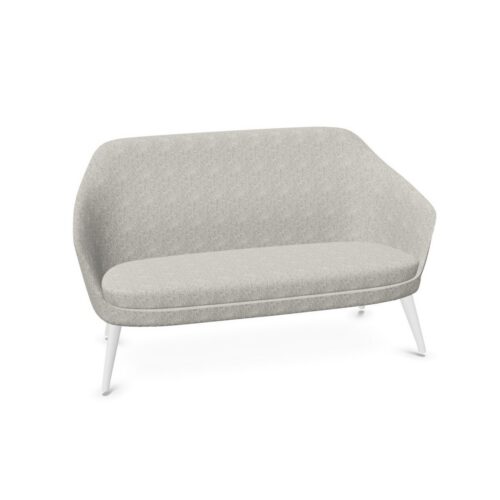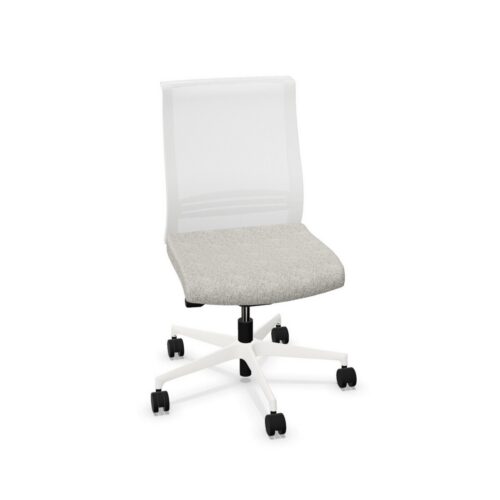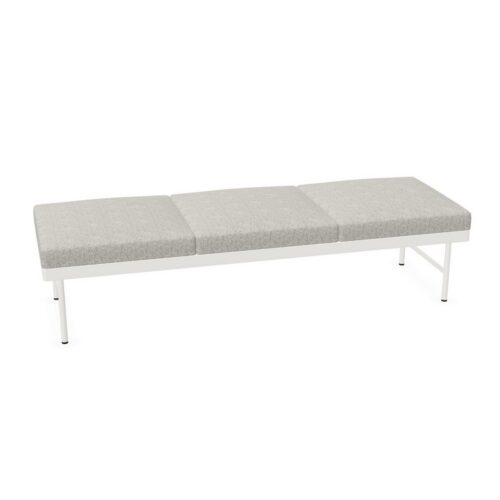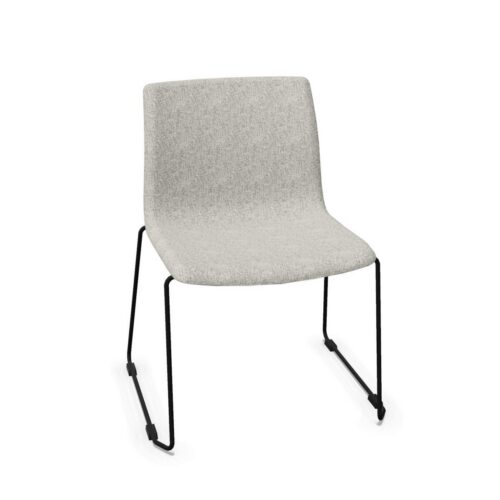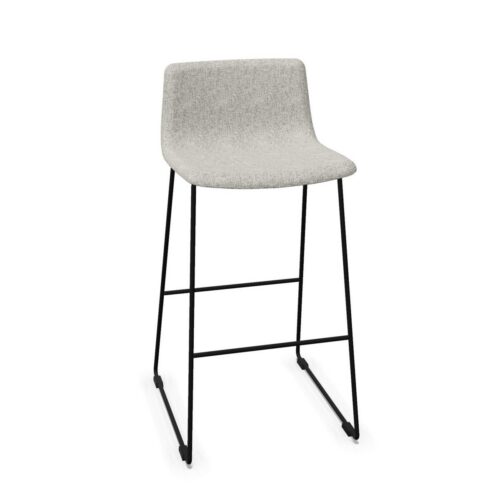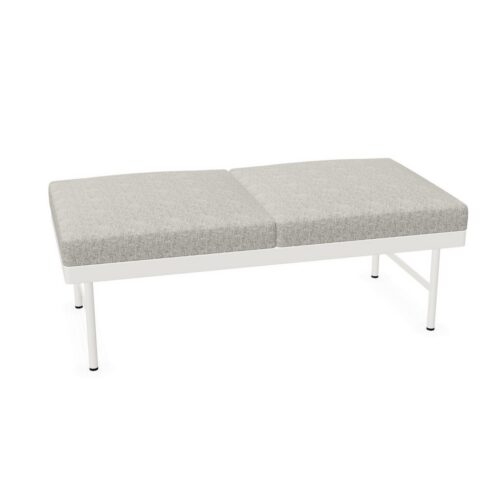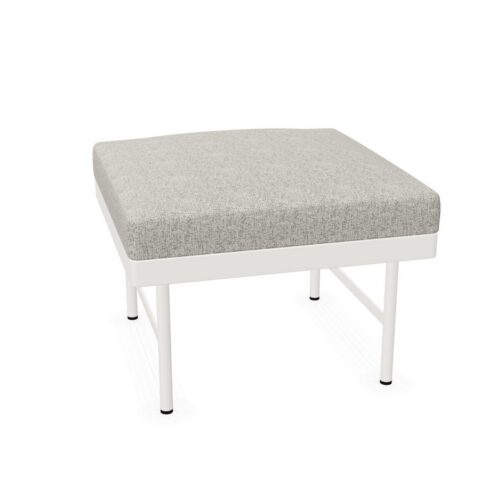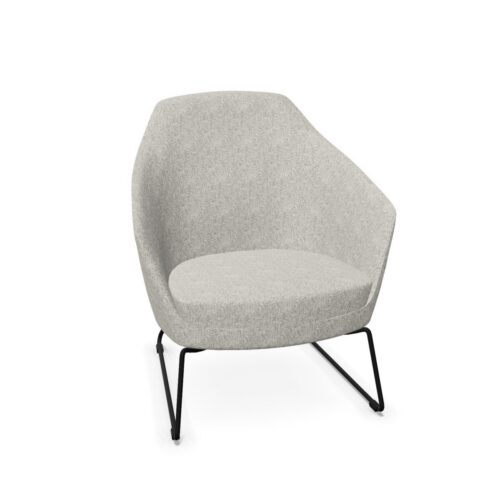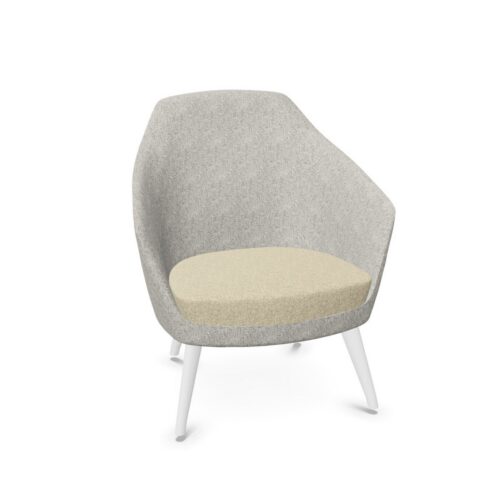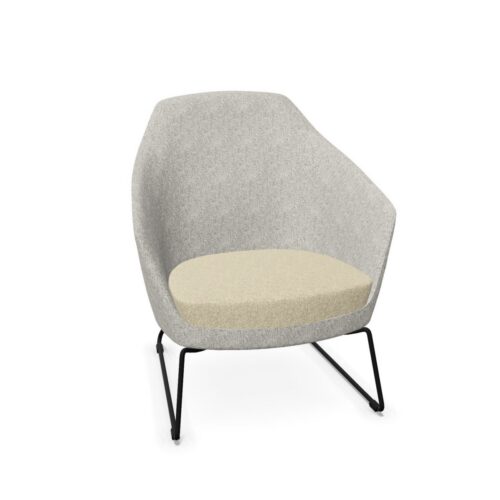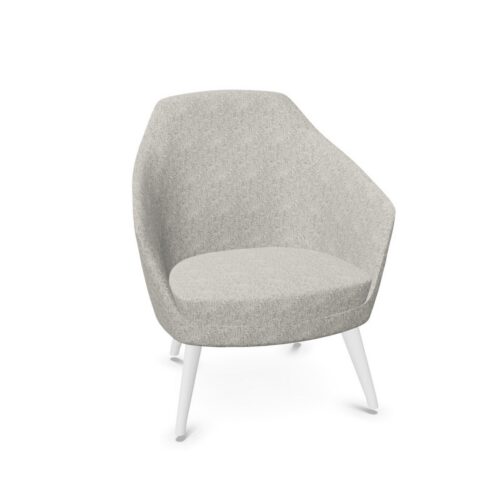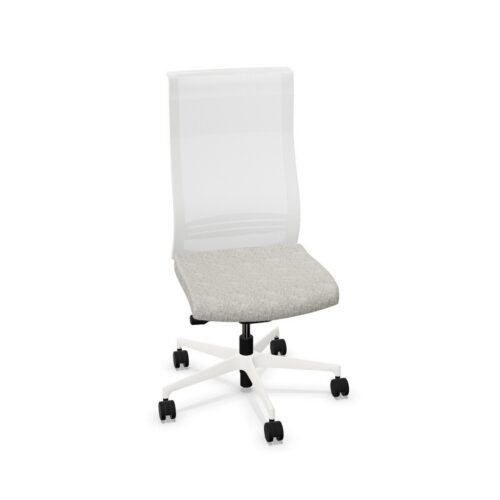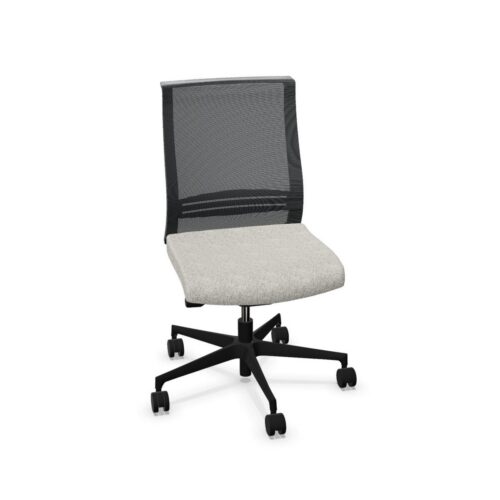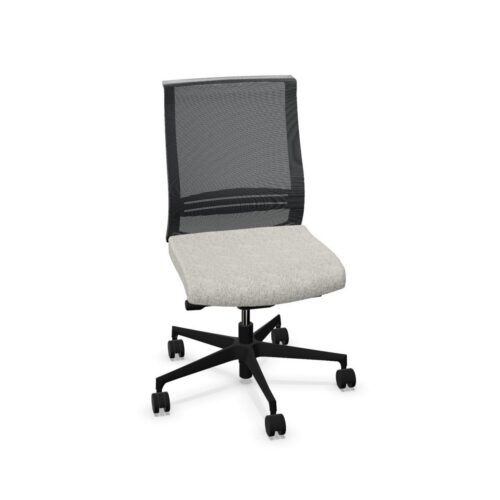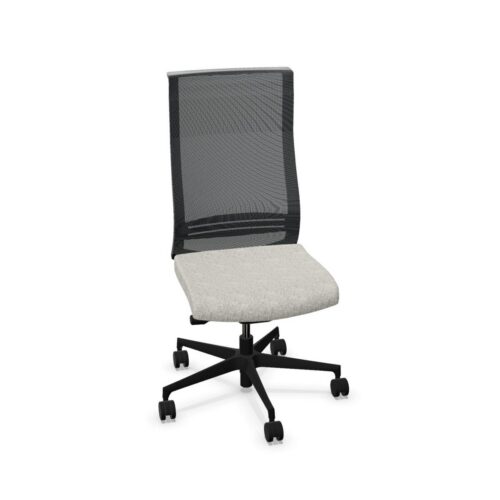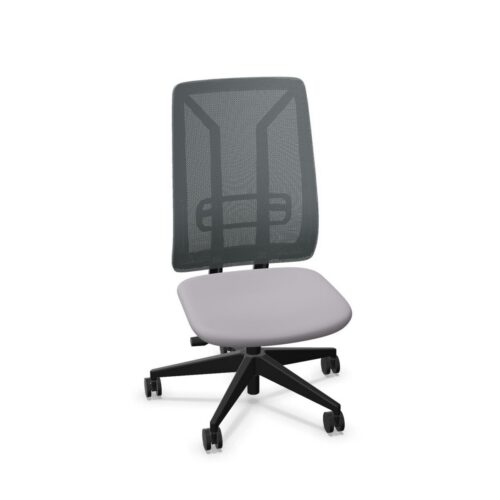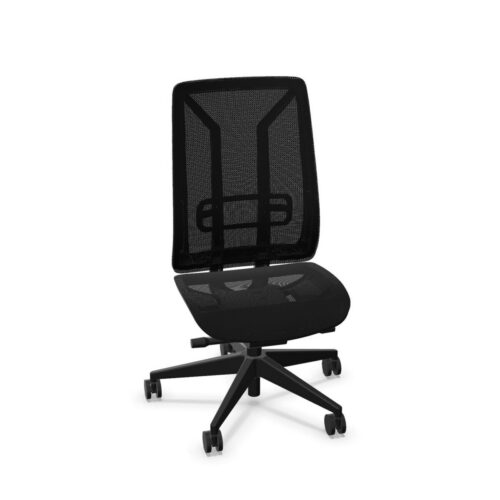


Grey upholstered office furniture brings a practical, considered finish to workplaces of many styles. This filter covers the colour of the fabric, leather or other upholstered surface on each item; it does not describe the colour of its frame, legs, base or other structural components.
From pale silver and soft dove grey to mid-grey, charcoal and deeper graphite tones, grey upholstery can sit comfortably within both restrained and more expressive office schemes. It is commonly specified for task seating, meeting chairs, lounge seating, booths, sofas and other furniture where a covered seat, back or panel forms part of the product.
What does grey upholstery mean?
Upholstery is the material applied over padded or cushioned parts of furniture. Depending on the product, it may be a woven fabric, felted textile, leather, faux leather or another covering. Selecting grey under this attribute means that this visible upholstered material is grey.
It is important to separate upholstery colour from the rest of the specification. A chair with grey fabric may have a black, white, chrome, timber or coloured base, while a sofa may combine grey cushions with contrasting legs. Product imagery and individual specifications should therefore be checked when the finish of every component matters to a project.
Why grey is widely used in office interiors
Grey is a versatile neutral that can provide visual calm without making a space feel stark. Lighter shades can support an open, airy look, while darker grey upholstery may add definition around meeting settings, collaboration areas and shared amenities. Its broad compatibility also makes it useful where furniture is being introduced gradually into an established workplace.
- It works alongside common office finishes, including white, black, natural wood, metal and glass.
- It can provide a neutral background for branded colours used in walls, screens, artwork or accessories.
- Different grey tones can help distinguish zones while retaining a coherent overall palette.
- Mid and darker shades may be a considered choice for heavily used shared seating, subject to the material and maintenance requirements.
Grey need not mean one uniform finish. The texture, weave, pile and tonal variation of an upholstery material can substantially affect its appearance. A warm grey fabric can feel quite different from a cool blue-grey textile, even where both are described as grey.
Where grey upholstered furniture is commonly used
Grey seating can be used across focused, collaborative and informal areas. In open-plan offices, grey task chairs may create a consistent desk layout without competing with screens or workstation finishes. In meeting rooms, upholstered conference chairs can offer a composed setting that suits a range of client-facing uses.
For reception areas, breakout spaces and project zones, grey lounge furniture can form a stable foundation for accent cushions, side tables and planting. Booths and high-back seating in grey may also help give a quieter visual character to areas intended for conversation or concentrated work, depending on the product design.
- Workstations: task chairs and operator seating with upholstered seats or backs.
- Meeting spaces: conference chairs, visitor chairs and upholstered benches.
- Breakout areas: lounge chairs, sofas, modular seating and café-style furniture.
- Reception and waiting areas: guest seating that complements a professional front-of-house scheme.
- Collaboration zones: booths, pods and soft seating arranged for small groups.
Choosing the right shade and material
Start with the wider interior palette rather than choosing upholstery in isolation. Consider daylight, artificial lighting, floor finishes, wall colours and the materials already present in the building. Pale greys can appear brighter in a well-lit room but may show contrast differently against dark carpet. Charcoal and graphite shades can add depth, though they can make a compact or poorly lit area feel heavier when used extensively.
Material selection is equally important. The intended use of the item will influence whether a softer domestic-style fabric, a more structured commercial textile, leather or an easy-wipe surface is appropriate. Look at the product-level information for available options, cleaning guidance and the exact finish represented by the selected configuration.
Questions to consider
- Is the grey warm, cool, light, mid-toned or dark when viewed with your existing finishes?
- Will the furniture be used occasionally, daily or in a high-turnover shared setting?
- Do you need the same upholstery across chairs, booths and lounge seating, or complementary grey tones?
- What base, frame or leg finish is required alongside the grey upholstered elements?
- Would a textured fabric, smooth surface or patterned weave better suit the intended space?
Planning a coordinated workplace scheme
Using grey upholstery across several furniture types can help connect different areas without making the workplace overly uniform. For example, a mid-grey desk chair can sit alongside darker grey soft seating and lighter grey meeting chairs, with the differences helping users read each zone. Alternatively, one grey upholstery family can be repeated across a floor for a more consistent visual language.
Think about scale as well as colour. Large sofas, booths and acoustic-style panels occupy more visual area than individual chairs, so their grey tone may have a stronger effect on the room. Smaller guest chairs or stools can be a useful way to introduce a darker shade without dominating the overall scheme. A considered layout should also allow for circulation, access and the practical needs of teams using the space.
For guidance on setting out furniture around work areas, meeting rooms and shared zones, consult the office space planning guide. It can help place colour and finish decisions within the wider requirements of a workplace layout.
Checking product specifications before selection
Archive filters are useful for narrowing a large range, but the exact appearance of an item should be confirmed on its product page. Manufacturers may describe closely related shades differently, and screen settings can affect how fabric colours are displayed. Where a project depends on a particular tone, review the available product details and, where applicable, finish options before finalising the specification.
Also check dimensions, intended application, seat construction, upholstery coverage and any associated components. A grey-upholstered chair may have only a fabric seat, a fully upholstered shell, or separately upholstered seat and back cushions. These differences influence both the visual result and suitability for the location.
Related Myntwork furniture ranges
Grey upholstery is one route to a flexible office interior, whether you are furnishing a single meeting room or coordinating several workplace settings. Browse the wider office furniture collection to compare seating, desks, storage and collaborative furniture, or read our guidance on choosing office furniture when assessing finishes, uses and layouts together.