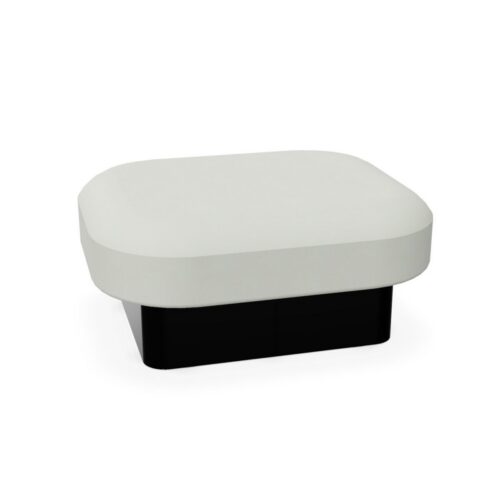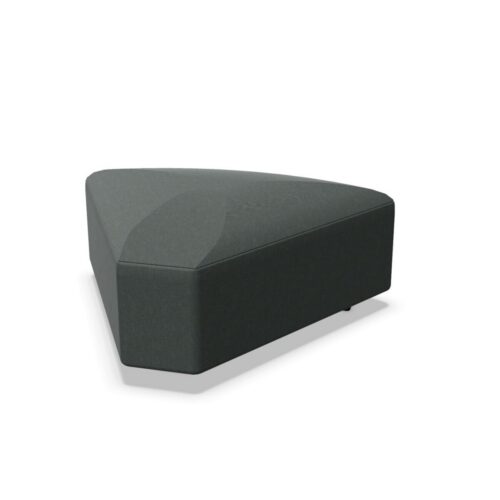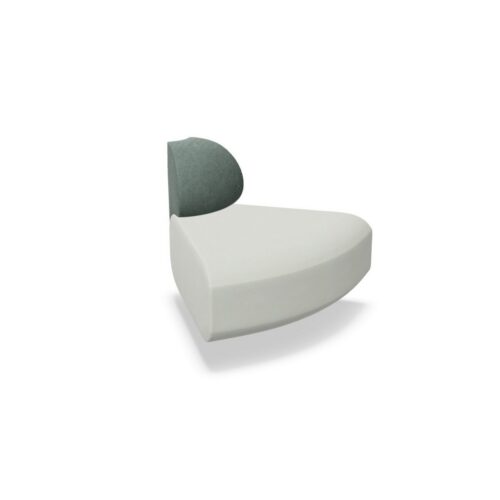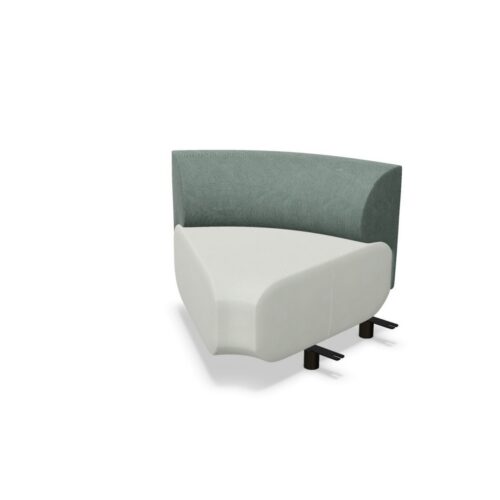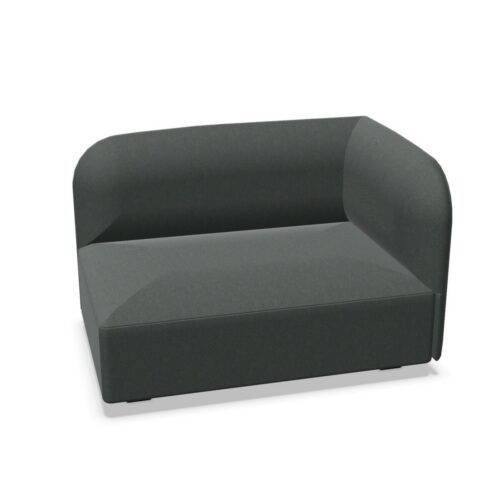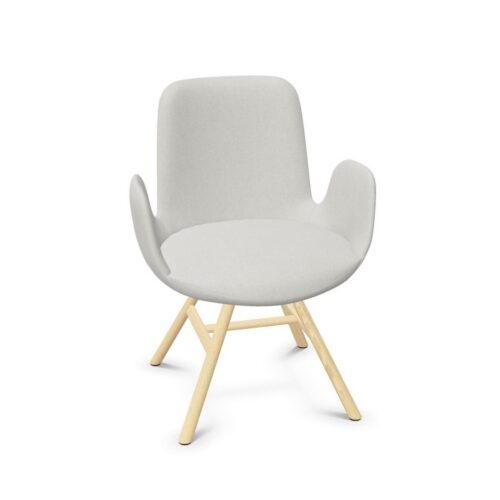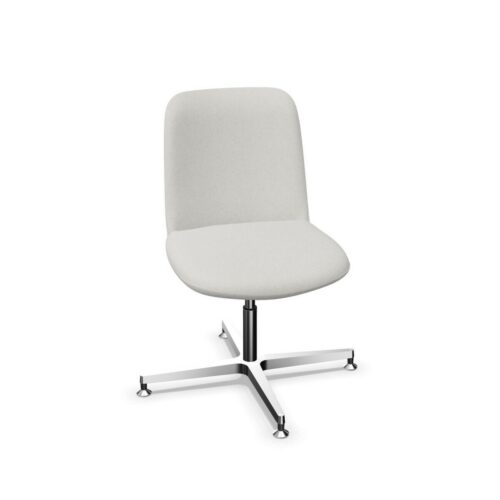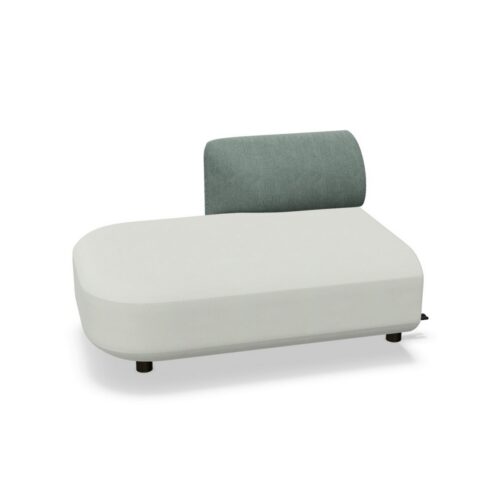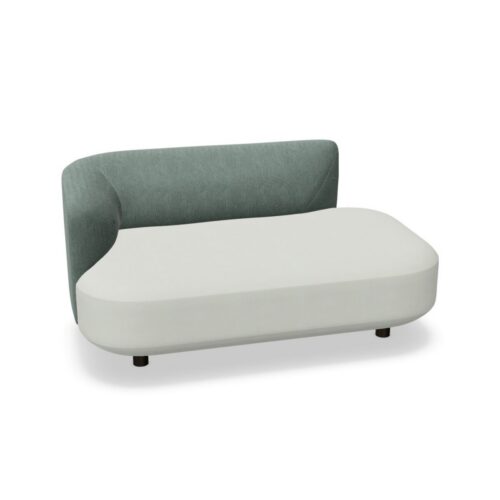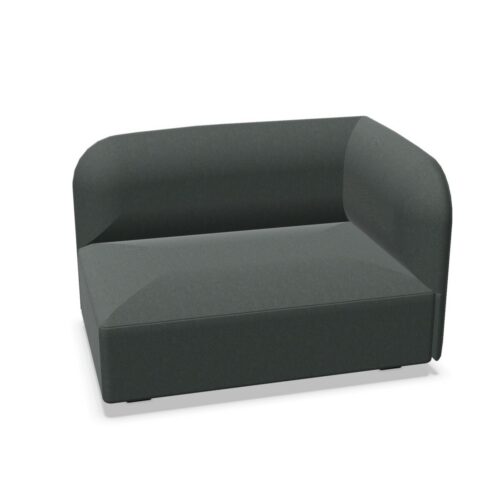


Pink upholstered office furniture brings a considered accent colour to workplaces while retaining the comfort associated with fabric, leather or other upholstered finishes. On this page, pink refers specifically to the visible upholstery on the product, such as a chair seat, backrest, sofa, booth or stool; it does not describe the frame, legs or base.
From soft blush tones to deeper rose and berry shades, pink can support a distinctive interior scheme in reception areas, collaborative settings and hospitality-inspired workspaces. The exact tone, material and pattern vary by product, so it is useful to assess each item alongside surrounding finishes, lighting and the practical demands of the space.
What does pink upholstery mean?
Upholstery is the padded or covered surface intended for sitting, leaning or resting against. For office furniture, it may be fabric, faux leather, leather, vinyl or another specified covering. Filtering by pink upholstery colour helps identify products where this usable, visible surface is presented in a pink shade.
It is distinct from an overall colour filter. A chair with pink fabric may have a black, chrome, timber or coloured base, while a pink-framed chair may have upholstery in an entirely different shade. Always review the product imagery and specification where coordination with existing furniture is important.
Why use pink in an office interior?
Pink can introduce warmth and character without requiring every item in a room to be colourful. In more restrained schemes, a small number of upholstered pieces can act as a visual marker for a waiting point, informal meeting area or social zone. Lighter pinks often sit comfortably with pale timber, neutral flooring and soft grey finishes, while richer tones can create more contrast against dark frames and surfaces.
- It can differentiate customer-facing or communal areas from desk-based work settings.
- It offers a softer alternative to primary accent colours in lounges and breakout spaces.
- It can be paired with neutral upholstery to create a measured palette rather than a uniform finish.
- It can help visually group seating within larger open-plan rooms.
Colour should be considered as part of the wider workplace design, rather than in isolation. The perceived shade may change under daylight, warm lighting or cool LED lighting, and neighbouring colours can make the same upholstery appear more muted or more vivid.
Where is pink upholstered furniture commonly used?
Pink upholstery is often selected for spaces where comfort, welcome and informal interaction are priorities. Reception seating can use it to establish a clear arrival area, while lounge chairs, sofas and modular seating can give breakout zones a more relaxed identity. It may also be appropriate in meeting rooms intended for less formal conversations, creative studios, education settings and hospitality-led workplace interiors.
In larger offices, colour can assist with wayfinding when it is applied consistently to one type of setting. For example, pink seating might identify quiet touchdown points or a particular shared amenity area. This approach works best when it is balanced with clear signage, suitable circulation space and a coherent furniture layout.
Furniture types available with pink upholstery
The products shown may include different furniture categories, depending on the current catalogue. Pink upholstery can be found across seating designed for individual work, meetings, waiting areas and social spaces. The construction, dimensions and level of support remain more important than colour when determining whether a product suits a particular use.
- Task, operator and visitor chairs for workstations and meeting tables.
- Lounge chairs, armchairs and sofas for receptions, waiting rooms and breakout areas.
- Booth seating and modular units for collaboration, dining or informal meetings.
- Stools and occasional seating for cafés, high tables and flexible shared spaces.
- Acoustic seating products where the upholstery forms part of a more enclosed seating arrangement.
Some product families offer several upholstery options, whereas others are supplied in a fixed finish. Check the individual listing to establish whether pink is a standard configuration, a selected variant or one of several available materials.
Choosing the right pink upholstered seating
Start with the function of the furniture. A workstation chair should be selected around adjustment, support and the user’s working posture. A reception sofa or occasional chair should be assessed for its size, seat height, comfort and suitability for the expected visitor use. Once the functional requirement is clear, compare pink upholstery samples or images with the intended palette.
Consider how the colour will perform at the scale of the project. One or two pink chairs can provide an accent, while multiple sofas, booths or desk chairs will have a stronger effect. A mixture of pink shades may be intentional, but close tones can look inconsistent if they are sourced from different ranges or materials. For coordinated projects, note the upholstery name, supplier reference and any applicable finish details in the product specification.
Questions to consider before specifying
Colour, material and upkeep
- Which pink tone works with the existing flooring, walls, joinery and branded elements?
- Is the upholstery intended for high-turnover visitor use, everyday staff use or occasional seating?
- What cleaning and maintenance guidance applies to the specific upholstery material?
- Will the selected shade be viewed under varied natural and artificial light?
- Does the product’s base, frame and surrounding furniture complement the upholstered finish?
- Are dimensions, access routes and layout clearances suitable for the proposed location?
For shared projects, it can help to document colour decisions alongside furniture plans. The office space planning guide provides useful context for arranging furniture around circulation, activity zones and available floor area.
Coordinating pink upholstery with the workplace scheme
Pink can be used as a single accent or as part of a broader layered palette. Neutral desk systems, black metal details, white surfaces and natural timber often provide a practical backdrop, allowing upholstered seating to bring visual softness. Complementary shades may include warm greys, off-whites, muted greens, terracotta tones or deep burgundy, depending on the desired contrast.
In settings that need a quieter appearance, use pink in limited areas and repeat it through small details rather than across every seating type. In more expressive interiors, combine a stronger pink with varied seating forms while retaining consistency in base finishes, table materials or lighting. Practical selection guidance is available in our resource on choosing office furniture.
Explore related Myntwork furniture ranges
Pink upholstery can be a useful filter when narrowing a broad furniture specification, but it should sit alongside requirements for use, comfort, dimensions, material and layout. Browse the wider office furniture collection to compare seating, breakout furniture, reception options and other workplace products that can support a coordinated interior scheme.