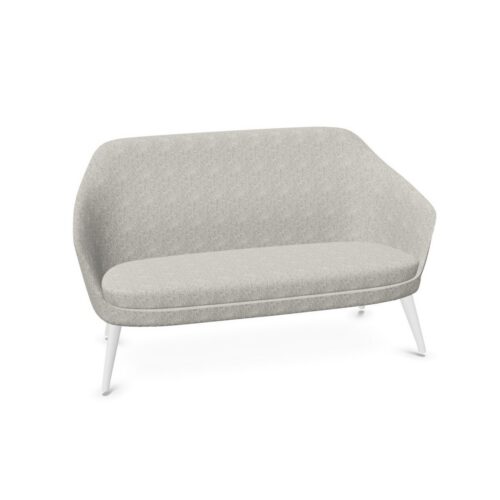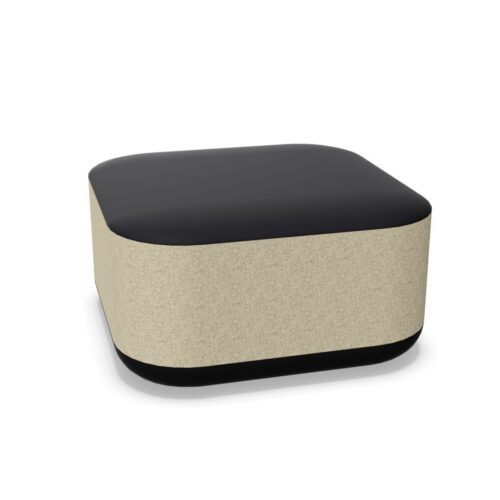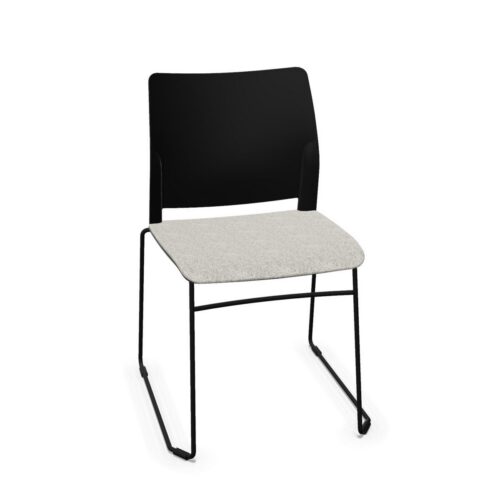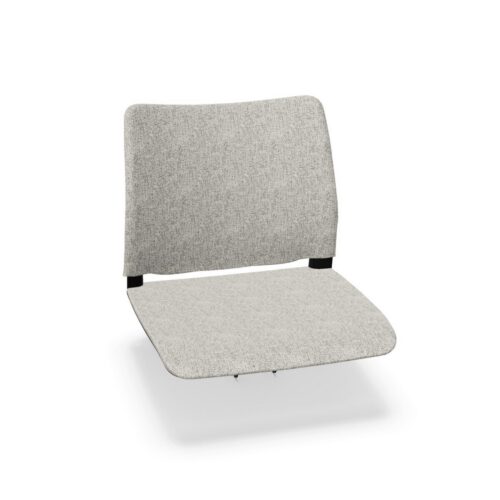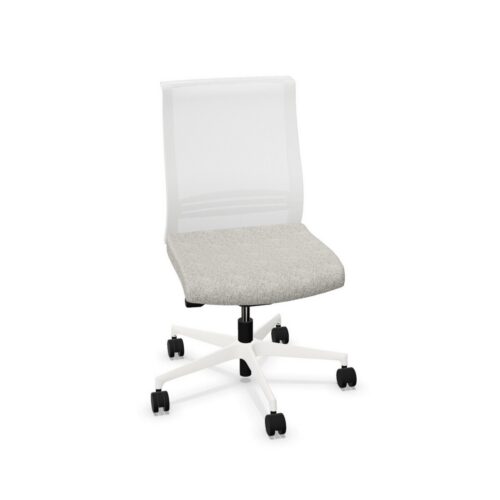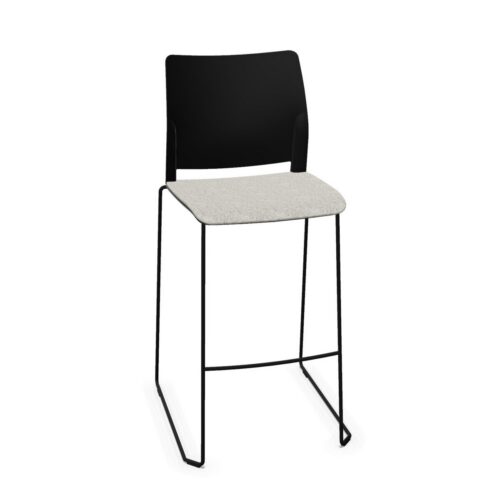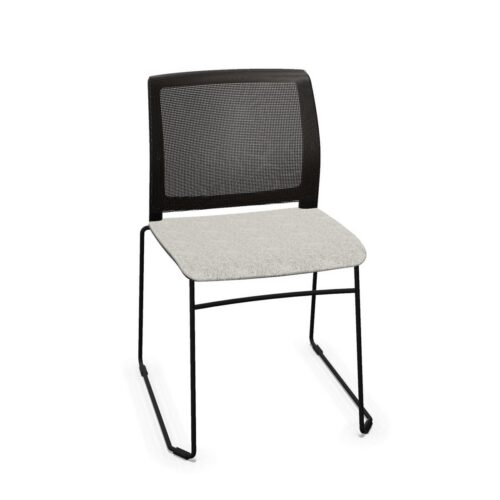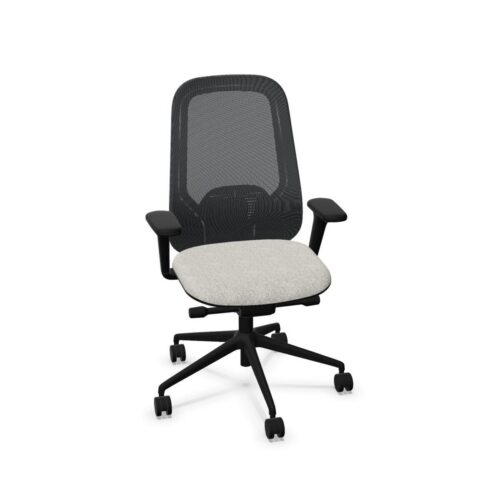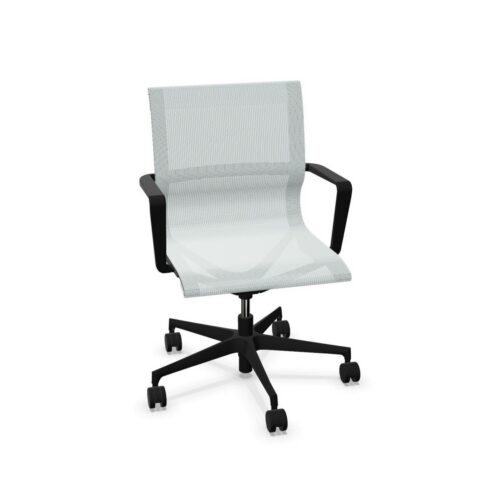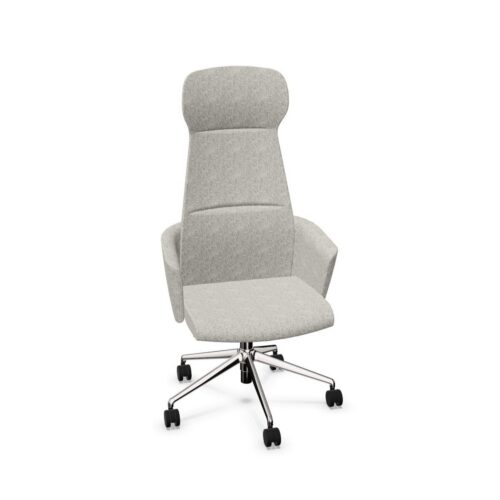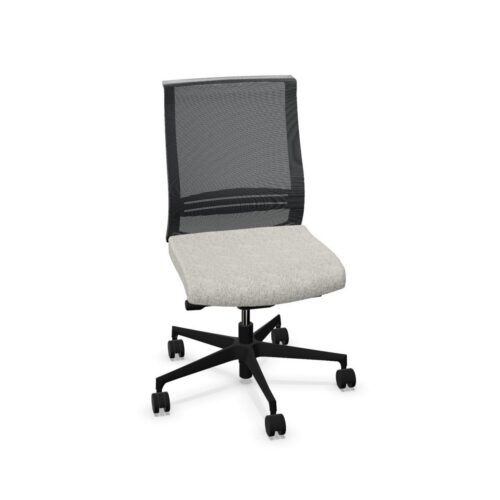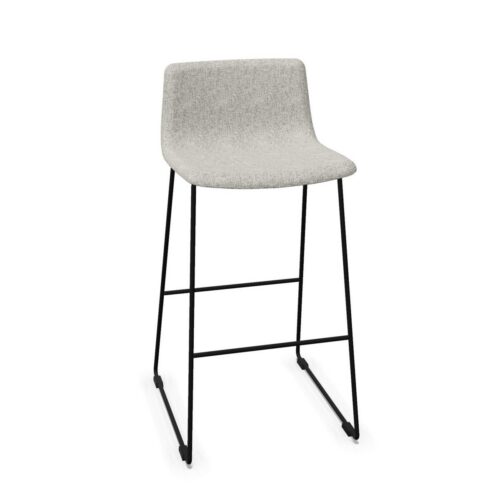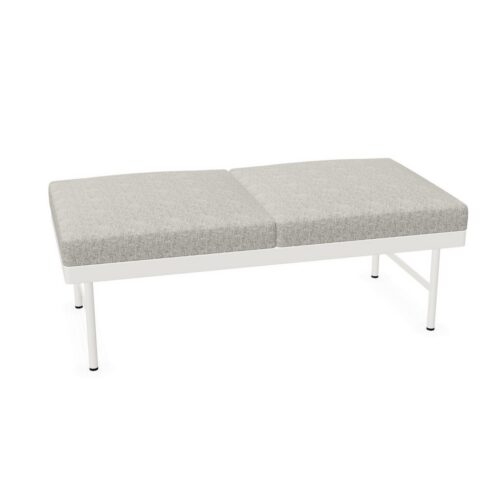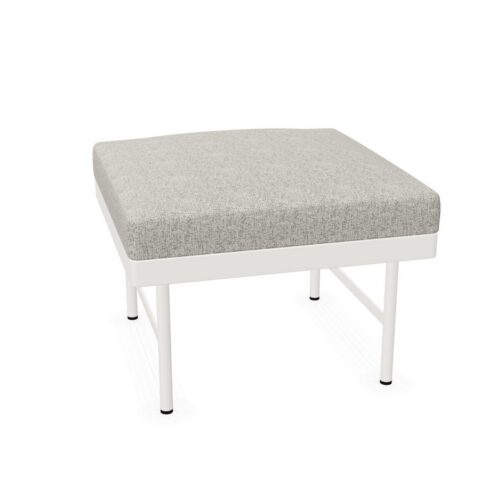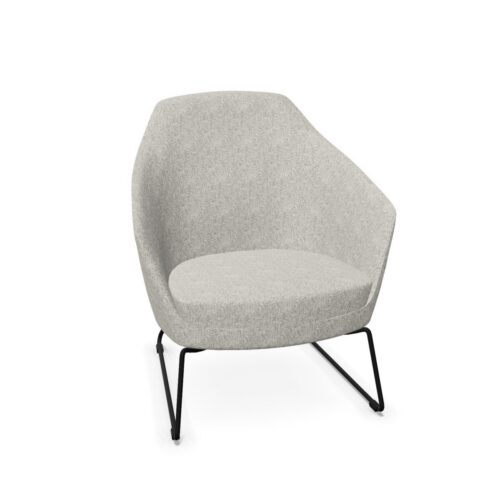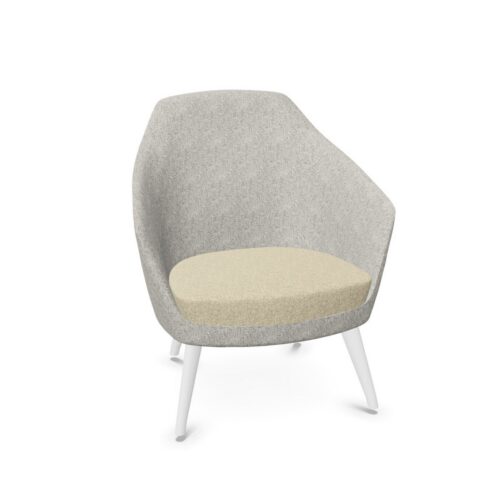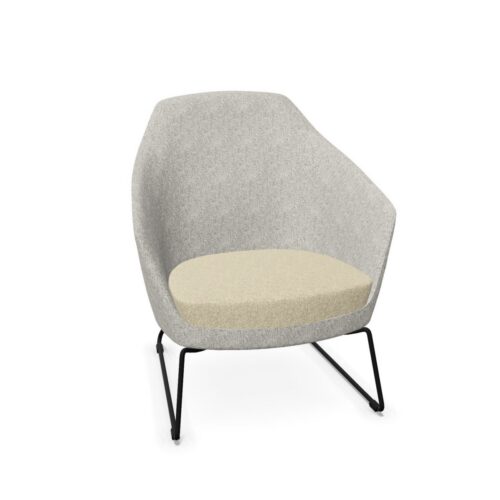


Red upholstered office furniture brings a clear, considered colour accent to workplaces while retaining the comfort associated with fabric-covered seating. On this page, red refers specifically to the visible upholstery or fabric finish of a product, rather than the colour of its frame, legs or base.
Red can range from deep burgundy and muted brick tones to brighter scarlet shades, depending on the product and material. It is often selected to support a defined interior palette, identify an area within a larger workplace, or add warmth to shared spaces. Review individual product details and imagery when a particular shade, textile type or finish is important to a scheme.
What does red upholstery mean?
Upholstery is the padded, textile, leather or leather-look covering on seating and related furniture. A red upholstery filter can therefore include chairs, lounge seating, stools, sofas, booths and other products where the principal upholstered surface is red. It does not describe a red metal base, timber leg, shell or structural frame unless that product also has red upholstery.
The exact appearance of red is influenced by the weave, pile, texture and lighting around it. A wool-blend fabric may show colour differently from a smooth vinyl or leather-look surface, while daylight, warm lighting and adjacent finishes can make the same red appear lighter, darker or more saturated.
Why choose red upholstered furniture?
Red is a strong but adaptable accent colour when used with proportion. In an office, it can create a focal point in a reception area, introduce energy to informal meeting spaces, or help make a breakout setting feel more distinct from banks of desks. Deeper reds can give a more settled, formal character, whereas brighter reds may suit lively collaborative or visitor-facing areas.
- It can provide contrast against neutral walls, flooring and workstation finishes.
- It can support a workplace colour scheme without changing the underlying furniture layout.
- It may help visually distinguish touchdown, waiting or collaboration zones.
- It works alongside materials such as pale timber, black metal, grey fabric and selected warm-toned finishes.
Colour alone does not determine suitability. The intended use, required seating posture, cleanability, dimensions and compatibility with the wider interior all remain important procurement considerations.
Where is red upholstery commonly used?
Red upholstered pieces are frequently used where people meet, wait, pause or work away from a conventional desk. A single chair can bring colour to a quiet corner, while a coordinated group of seats can establish a recognisable shared setting. The amount of red chosen should reflect the scale of the room and the visual balance required.
- Reception and visitor areas: lounge chairs, sofas and occasional seating can make an arrival space more memorable and welcoming.
- Breakout spaces: upholstered seating can define relaxed places for informal conversation, breaks and short laptop sessions.
- Collaboration zones: stools, booths and soft seating can separate team settings from open-plan workstations.
- Meeting rooms: red task, visitor or meeting chairs can be used as an accent within a restrained room palette.
- Education and hospitality-inspired workplaces: durable upholstered seating may be selected for shared, high-use settings where a lively visual identity is wanted.
Furniture types available in red upholstery
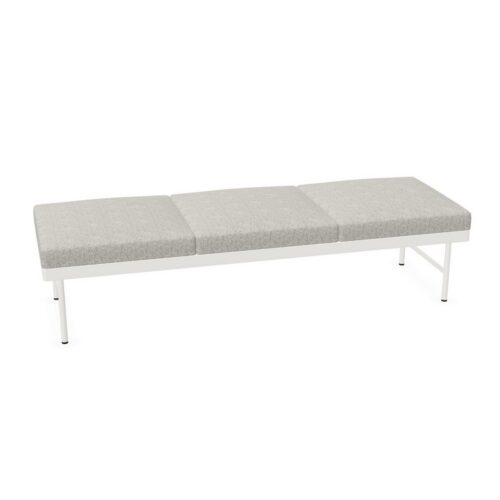
The products shown under this finish can cover a broad range of office and commercial furniture types. Task chairs may use red upholstery on a seat, backrest or both, while lounge and modular seating often presents a larger upholstered surface. Booths and banquette-style pieces can use red to shape more enclosed meeting or dining-style areas.
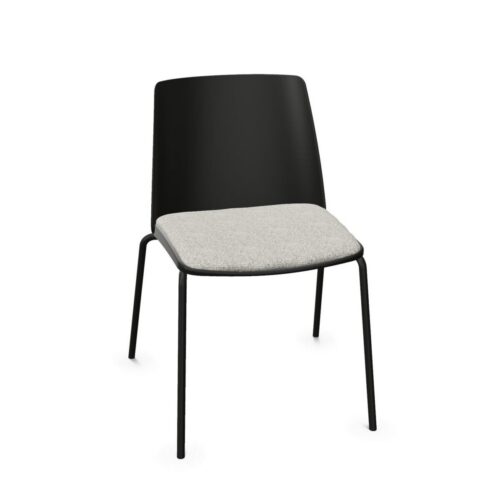
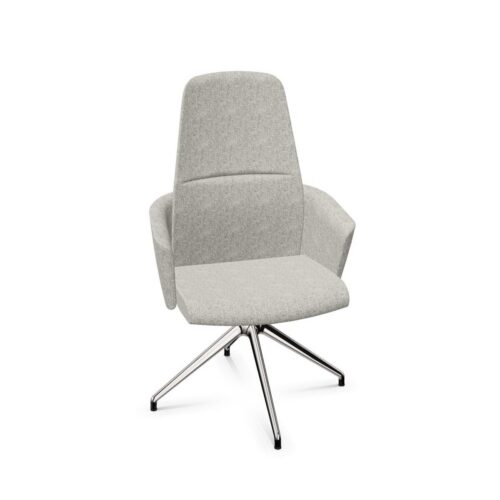
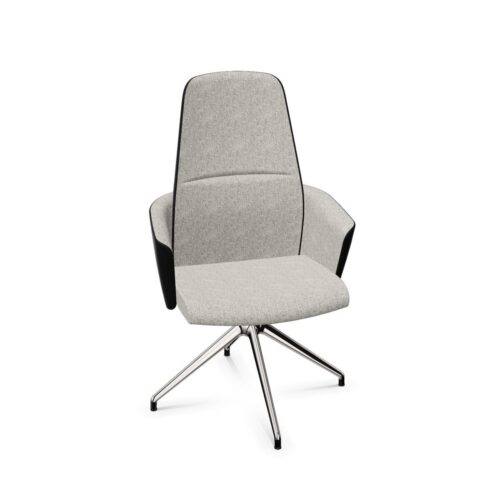
When comparing products, look beyond the filter result to establish where the red finish appears. Some designs have an upholstered seat with a contrasting back shell; others have red panels within a multi-part configuration. Product imagery, specifications and available options are useful for confirming the visible finish on the exact item being considered.
Balancing red with an office colour palette
Red upholstery is often most effective when paired with calmer surrounding finishes. Grey, off-white, charcoal and natural timber can give it space to stand out, while black bases and frames can provide a defined, practical contrast. For a softer overall effect, consider darker red tones alongside warm neutrals and textured fabrics.
In larger projects, consistency does not always mean using red throughout. It can be used at key touchpoints instead: a reception chair, a run of meeting stools or selected lounge modules. Repeating a colour in a few well-positioned areas can create continuity while preserving visual calm in concentrated work areas.
How to choose red upholstered office seating
Start with the activity the furniture needs to support. A chair intended for sustained desk work has different ergonomic and adjustment requirements from a lounge chair used for short conversations. Similarly, a reception sofa, a high stool and a meeting chair require different heights, footprints and circulation allowances.
Questions to consider
- Which red tone works with the existing walls, flooring, joinery and brand colours?
- Is the furniture for focused work, meetings, waiting, eating, collaboration or informal breaks?
- What upholstery material and texture suit the expected level of use and cleaning routine?
- Will the product be seen from all sides, and is the red finish applied to the surfaces that will be visible?
- How many pieces are needed, and should red be a focal accent or a more dominant part of the scheme?
- Do dimensions, seat height and access routes work within the planned room layout?
It is also sensible to consider future changes. A flexible palette of neutral core furniture with selected red upholstered items can make it easier to refresh a space or reconfigure zones as teams and working patterns change.
Planning red furniture within the workplace
Plan red upholstered furniture as part of the room rather than in isolation. Allow sufficient space around chairs and sofas for movement, and consider sightlines from entrances, workstations and meeting areas. In open environments, a red seating group may act as a useful visual landmark, but it should not obstruct circulation or make a compact area feel crowded.
For projects with several room types, a shared red accent can connect reception, breakout and collaboration spaces while each area uses furniture appropriate to its function. The office space planning guide can help place seating, work settings and circulation in context.
Related Myntwork furniture ranges
Red upholstery is one way to refine a workplace scheme, whether you are selecting a single accent chair or furnishing several communal settings. For broader comparisons across styles and functions, browse the Myntwork office furniture collection. For help weighing use, layout and specification before selecting products, see our guidance on choosing office furniture.