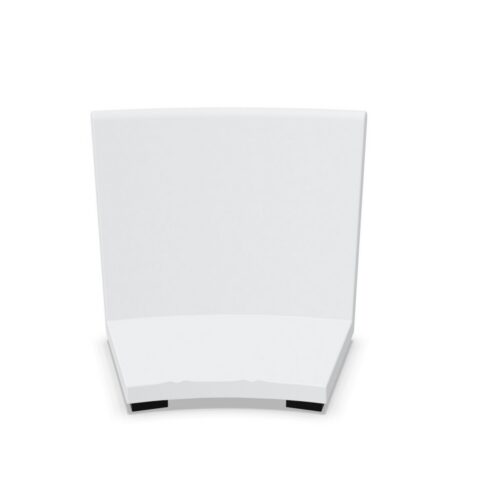


Yellow upholstered office furniture brings a warm, recognisable accent to workplace settings while retaining the comfort associated with fabric-covered seating. On this page, yellow refers specifically to the colour of the upholstery or fabric; it does not describe the chair frame, legs, base or other supporting components.
Yellow can range from soft mustard and ochre through to brighter tones, depending on the product and fabric specification. It is often selected to introduce contrast in neutral interiors, support a defined visual identity or make informal areas easier to recognise within a larger office layout.
What does yellow upholstery mean?
Upholstery is the material covering a padded seat, backrest, panel or other cushioned furniture element. For the products shown here, the visible upholstered portion is yellow. The precise shade, weave, texture and extent of coverage can vary: one item may have a fully upholstered yellow shell, while another may use yellow fabric only on a seat pad or back cushion.
This distinction matters when specifying furniture for a project. A yellow upholstered chair may still have a black, white, chrome, timber or differently coloured base. Review product imagery and specifications alongside the upholstery colour when coordinating individual pieces with the wider scheme.
Why use yellow in an office?
Yellow upholstery can make a workspace feel more animated without requiring permanent changes to walls or flooring. It works particularly well as an accent within palettes based on grey, white, black, natural wood or muted blue, where it can create a clear point of visual interest.
- It can distinguish collaboration, breakout or reception areas from focused work settings.
- It can help create a more welcoming appearance in visitor-facing spaces.
- It can support colour zoning across a larger floorplate or multi-purpose workplace.
- It offers a practical way to introduce an organisation’s preferred palette through movable furniture.
Colour is only one part of workplace performance. Consider comfort, dimensions, intended duration of use and the furniture’s suitability for its setting before making a selection.
Where yellow upholstered furniture is commonly used
Yellow seating is frequently used where a workplace needs a sociable, approachable atmosphere. Lounge chairs and sofas can provide a focal point in a reception, while smaller upholstered chairs can bring character to meeting rooms, cafés and touchdown spaces.
In open-plan offices, a controlled use of yellow can help identify a shared area without enclosing it. A cluster of matching chairs, stools or modular seating may signal a place for informal conversation, waiting or short meetings. In education, hospitality and creative settings, yellow can also sit comfortably alongside varied finishes and flexible layouts.
Furniture types available with yellow upholstery
The archive may include different furniture formats with yellow fabric or upholstery, subject to the current catalogue. These can include task and meeting chairs, lounge seating, sofas, benches, stools, ottomans and acoustic or booth-style products where an upholstered surface forms part of the design.
- Meeting seating: yellow upholstery can give a small meeting room or project table a distinct identity.
- Breakout seating: lounge chairs, sofas and stools can create an informal destination within a shared workplace.
- Reception furniture: upholstered visitor seating can introduce colour at the first point of contact.
- Collaborative settings: flexible chairs and modular pieces can be arranged for workshops, conversations and short-term work.
Not every yellow upholstered item serves the same purpose. A compact dining-height chair, for example, should be assessed differently from a high-back lounge chair or a sofa intended for a waiting area.
Choosing the right yellow shade and material
Start with the surrounding finishes and the amount of yellow already planned for the space. A deeper mustard or ochre upholstery may suit timber, dark metal and earthy tones, whereas a brighter yellow can provide stronger contrast against pale finishes. Ordering a consistent upholstery colour across several product types can make a distributed workplace feel more coherent, but a single accent piece may be more appropriate in a restrained interior.
Also consider how the fabric will appear in the room’s lighting. Daylight, warm artificial light and adjacent colours can all affect the perceived shade. Where exact colour matching is important, product-specific upholstery information should guide the final specification.
Questions to consider when specifying upholstered seating
Practical checks for a furniture schedule
- Which upholstered surfaces need to be yellow, and which can remain neutral?
- Will the furniture be used for short visits, meetings, focused work or extended periods of sitting?
- Does the proposed shade complement the floor, wall finishes, tables and storage already selected?
- Are the base finish, frame material and overall dimensions suitable for the intended location?
- Will several yellow items define one zone, or will individual pieces act as accents across the office?
- Does the selected product offer the configuration needed, such as arms, a swivel base, linking options or modular elements?
These questions help procurement teams compare products on more than appearance. They also support a clearer brief when furniture is being selected for multiple spaces or phased workplace projects.
Using yellow upholstery within a wider office plan
Colour can be a useful planning tool when it is applied with purpose. Yellow upholstery may identify a social hub, indicate guest seating or provide an easily understood visual break between work modes. Used alongside other furniture finishes, it can add variety while allowing desks and core task areas to remain visually calm.
For a balanced scheme, consider repeatable elements such as matching textiles, complementary table finishes or consistent base colours. Avoid assuming that all yellow fabrics are identical across manufacturers or ranges; tone and texture should be checked at product level. The broader layout, circulation routes and capacity requirements remain central to a successful furniture plan.
Related Myntwork furniture ranges and planning resources
Browse the wider office furniture collection to compare seating, tables, storage and workplace accessories across different finishes and uses. For guidance on balancing appearance, function and day-to-day requirements, see our resource on choosing office furniture.
When colour is being used to support zoning or a change in workplace layout, the office space planning guide offers useful context for arranging furniture around the needs of the space.




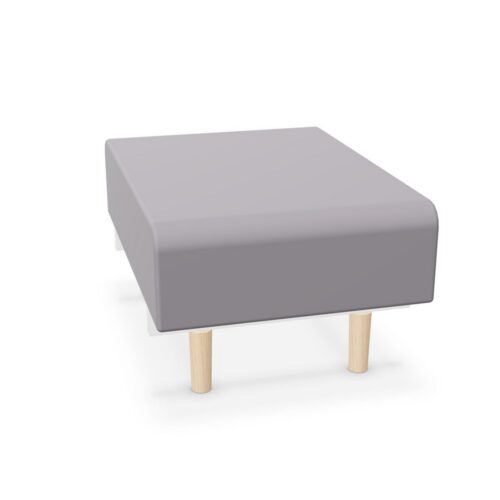


Diemme