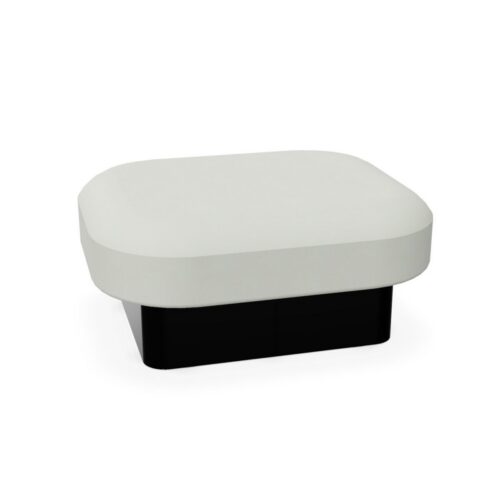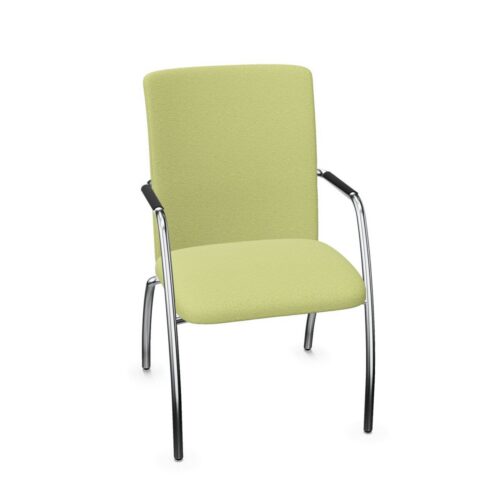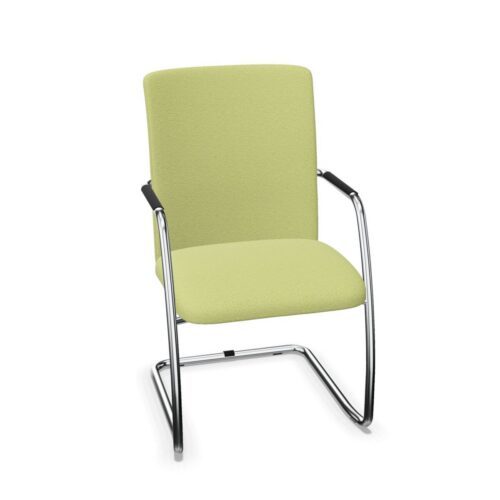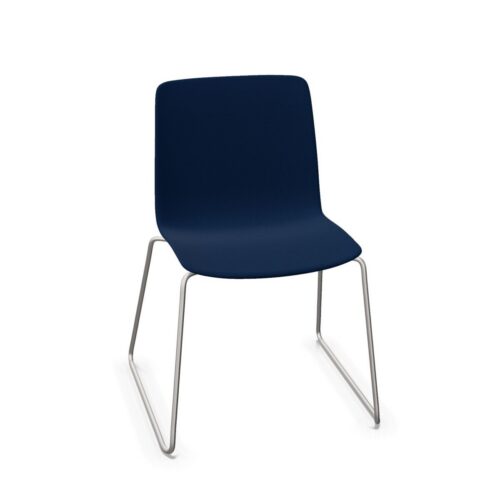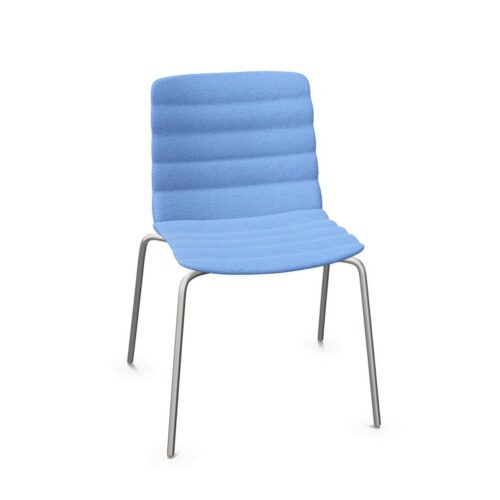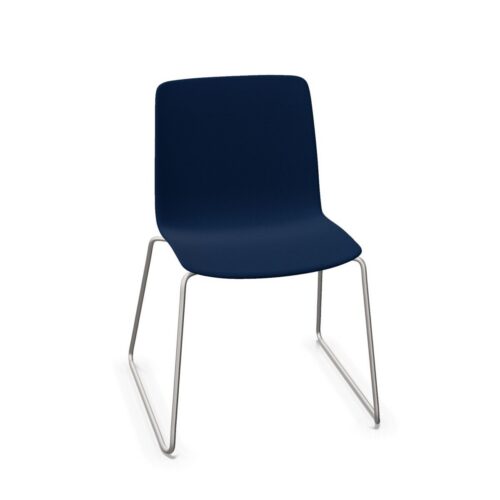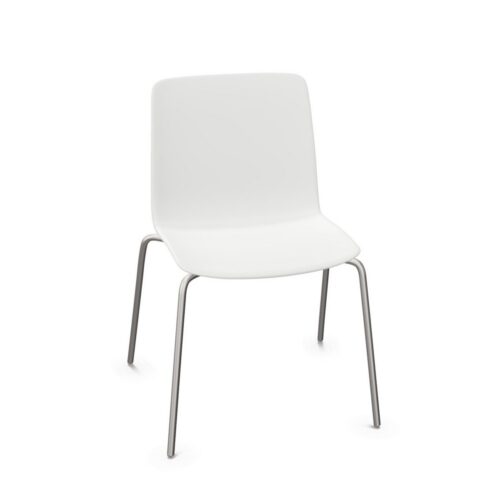


Fabric upholstered office furniture includes seating and workplace pieces with a textile covering on the seat, back or both. It is a practical specification for organisations looking to balance comfort, appearance and suitability for everyday use across a range of work settings.
On this page, Fabric refers specifically to the upholstery material rather than the colour, frame finish or construction of a product. Individual items can differ in their fabric type, level of padding, upholstery coverage and intended setting, so product information should always be reviewed alongside the needs of the space.
What does fabric upholstery mean?
Fabric upholstery is a woven or textile covering applied to a chair, sofa, booth, acoustic screen or other upholstered office item. It commonly sits over foam, cushioning or another supporting layer, although the exact construction varies by product. A fabric finish may cover a seat only, a back only, or a larger upholstered surface.
Unlike a colour filter, this attribute does not indicate a particular shade. Fabric-upholstered items may be available in neutral, bold, patterned or mixed tones, depending on the product range. It also does not necessarily describe the materials used in the base, shell, arms or frame.
Why fabric is widely used in workplaces
Textile upholstery can help make shared and individual workspaces feel considered and comfortable. It gives specifiers a broad visual choice when coordinating furniture with flooring, partitions, wall finishes and existing workplace branding, without making assumptions about the performance of a particular fabric.
Fabric-covered seating is often selected where people are likely to sit for meetings, focused work, training or informal conversations. The tactile finish can also provide a useful contrast to hard surfaces such as desks, storage and tables.
- It offers a wide range of colour and texture possibilities across office furniture ranges.
- It can suit both task-oriented spaces and more relaxed collaborative settings.
- It allows seating groups to be coordinated with a wider interior scheme.
- It is available across many furniture formats, from individual chairs to larger shared seating.
Where fabric-upholstered furniture is used
Fabric furniture can be specified throughout an office, but the right product depends on how the area is used and how frequently it will be occupied. A desk chair for daily individual use calls for different considerations from a lounge chair in a reception area or a banquette in a breakout zone.
Common applications include:
- Workstations and touchdown areas, where upholstered task or operator seating may support regular desk work.
- Meeting rooms, with conference chairs that contribute to a coherent visitor-facing setting.
- Reception and waiting areas, where lounge seating can set the tone for guests and colleagues.
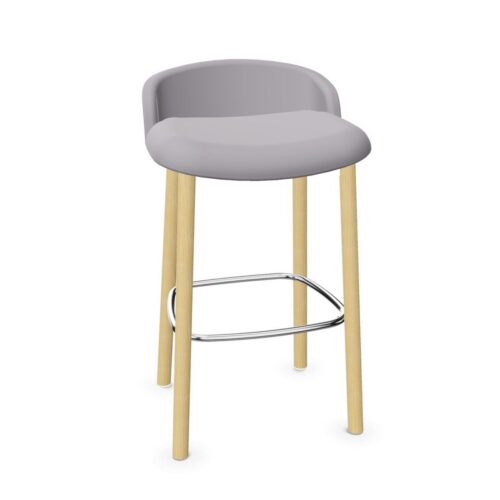
- Breakout spaces and collaboration zones, using sofas, occasional chairs, booths or stools.
- Training rooms and project spaces, where adaptable seating arrangements may be needed.
- Quiet areas, where upholstered panels or seating may form part of a more sheltered layout.
Furniture types available with fabric upholstery
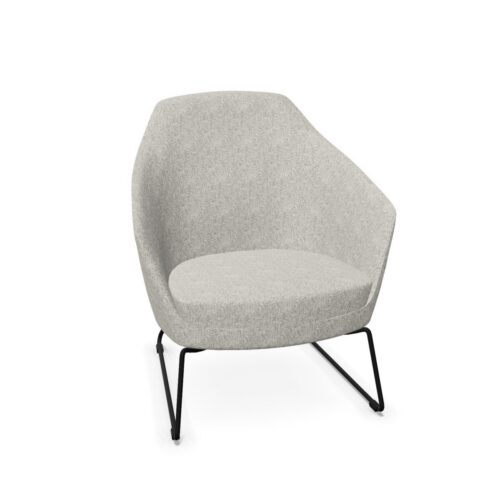
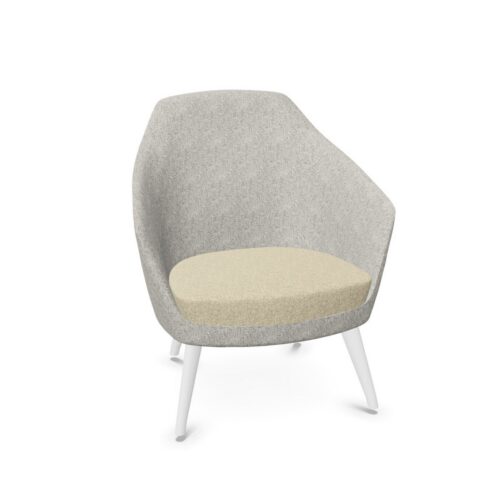
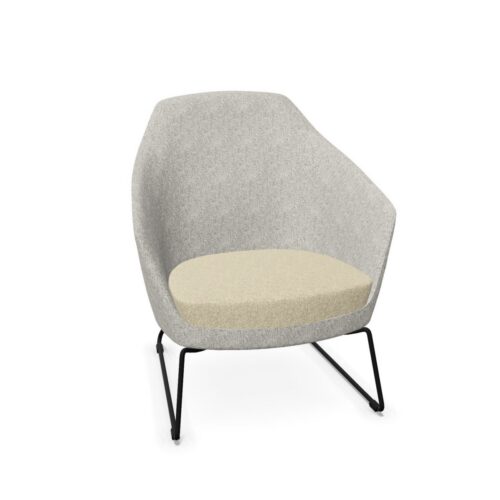
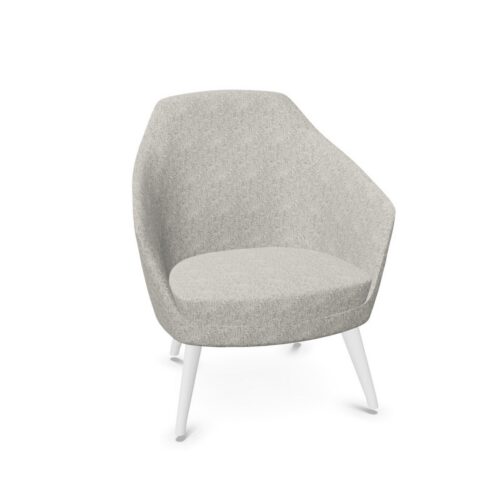
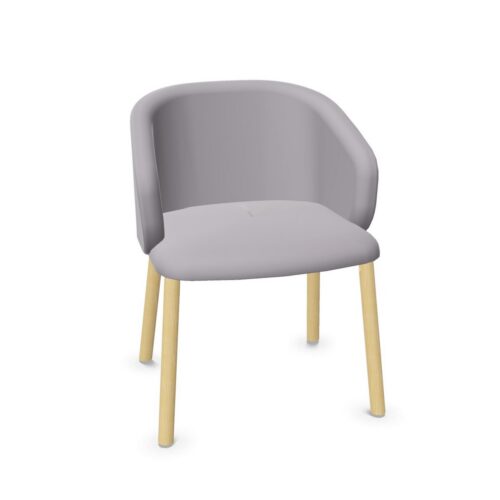
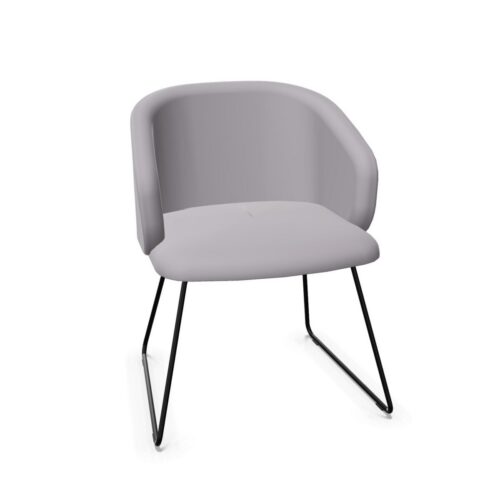
The Fabric filter may include several types of office furniture, rather than one uniform product category. Office chairs are a familiar example, with fabric often used on the seat, backrest or both. Visitor chairs, meeting chairs and lounge chairs may use it in different ways according to their design.
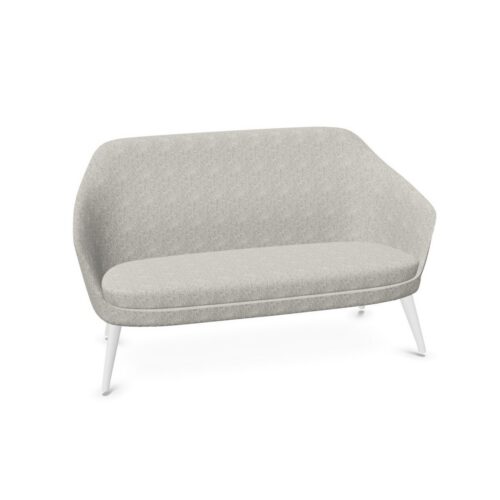
Larger pieces can include sofas, modular seating, booths and bench seating. Some workplace accessories and spatial elements may also have a fabric surface, such as upholstered screens or panels. Check the product description and images to establish which areas are upholstered, whether cushions are fixed or loose, and what other materials are present.
How to choose fabric office furniture
Start with the working pattern and occupancy of the intended area. A heavily used shared zone may require a different approach to care, construction and colour selection than an executive office or lightly used meeting room. Think about the number of users, duration of use, cleaning arrangements and how the item fits within the overall layout.
Visual coordination is equally important. Consider the fabric colour in normal room lighting, how it sits with the base finish, and whether several pieces need to match or complement one another. A darker or more textured fabric may present differently from a pale, plain finish over time, but suitability should be judged against the actual product specification and workplace maintenance policy.
Questions to consider before specifying
- Is the upholstery on the seat, back, arms or the complete item?
- Will the furniture be used daily by assigned users or intermittently by visitors?
- What cleaning and upkeep procedures can the workplace support?
- Does the selected colour work with the surrounding finishes and lighting?
- Are dimensions, seat height, mobility and access appropriate for the space?
- Does the product’s form suit focused work, meetings, waiting or informal use?
Care and longer-term use
Care requirements depend on the particular fabric and product construction. Following the manufacturer’s care guidance is important, particularly for regular vacuuming, prompt attention to spills and the use of suitable cleaning methods. Avoid assuming that all textile upholstery has the same resistance to marks, wear or cleaning products.
During workplace planning, it is useful to think ahead about likely use, replacement cycles and whether components can be maintained or renewed within the chosen furniture arrangement. Procurement teams can find further practical considerations in our guide to how to extend the lifespan of office furniture.
Planning a coordinated office scheme
Fabric upholstery is one part of a wider specification. Combine it with the right desk, table, storage and seating choices for the way teams work, rather than selecting on finish alone. Reviewing dimensions, layouts and product-level details early can help avoid unsuitable combinations and support a more functional workplace.
Explore the wider office furniture collection for related product types, or consult our resource on choosing office furniture when comparing options for a new office, refurbishment or changing workplace layout.





Diemme