


Mesh office furniture uses a woven or knitted textile covering on the seat, back or both, depending on the product design. On this page, the upholstery-material filter refers specifically to the visible covering material rather than the frame, base or colour of the furniture.
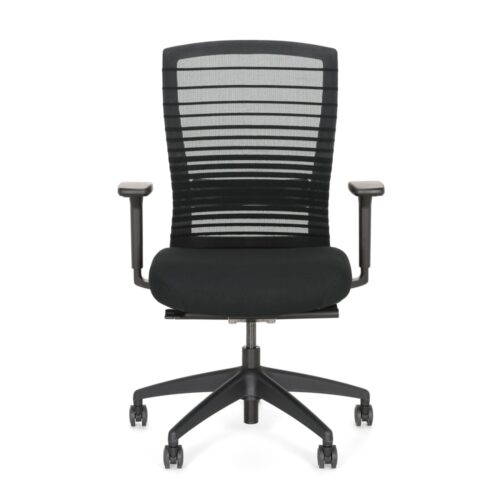
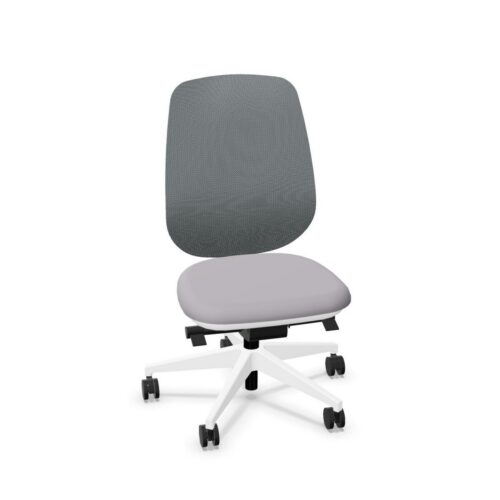
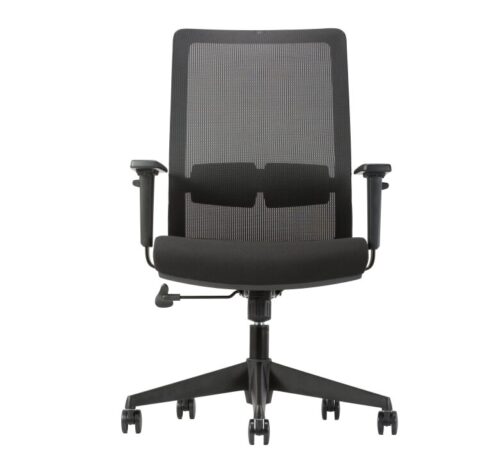
Mesh is particularly common on task seating, where a flexible back can support day-to-day movement while allowing air to pass through the surface. The selection may also include other workplace seating with mesh elements, so it is useful to review each product specification for the exact areas covered and the adjustment features provided.
What does mesh upholstery material mean?
Mesh is a textile formed from interconnected yarns or fibres with small openings between them. In office furniture, it is often tensioned across a chair back, sometimes combined with a padded upholstered seat. Its appearance can range from fine and closely woven to more open, visibly structured patterns.
Unlike a fabric-upholstered chair, where foam and cloth commonly create a continuous soft surface, a mesh back generally follows the structure of the frame and moves with the user. It should not be assumed that every mesh product has the same feel, degree of tension or level of padding. These details vary by model.
Why mesh is used in workplace seating
For organisations furnishing shared offices, mesh can be a practical material choice because it suits the changing postures and varied users often found in contemporary workplaces. Its open construction can also give seating a lighter visual presence, which may be useful where desks are closely arranged or sightlines across an office matter.
- Air can circulate through a mesh surface, which may be welcome in busy work areas.
- A flexible mesh back can accommodate natural movement during desk-based work.
- The material often creates a more visually open profile than solid upholstered backs.
- Mesh can work alongside padded seats, lumbar components and adjustable mechanisms, subject to the individual product specification.
Material alone does not determine whether a chair is appropriate for a particular role. Dimensions, adjustability, intended use and the needs of the people using it remain important procurement considerations.
Where mesh furniture is commonly used
Mesh-backed task chairs are frequently specified for individual workstations, hot-desking zones and project areas. In these settings, chairs may be used by more than one person, making straightforward adjustment and a neutral, adaptable finish useful factors to assess.
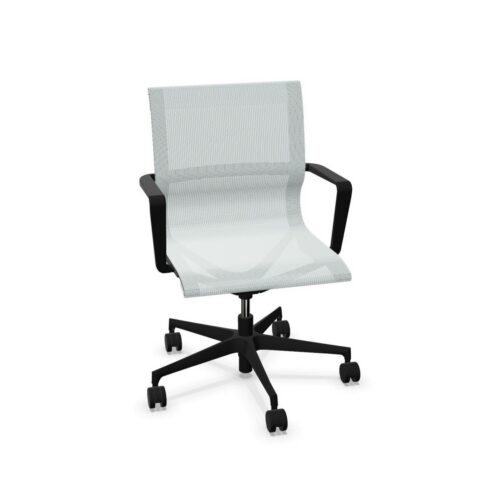
They can also be considered for meeting rooms, training spaces and home-working setups where the design and level of support are suitable. A mesh visitor or conference chair may have a different construction from a task chair, however, and may not offer the same range of controls. Match the product to the expected duration and style of use rather than selecting by material alone.
Mesh backs, seats and combined upholstery
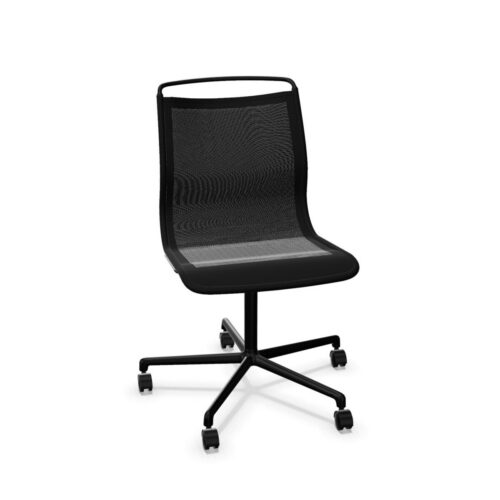
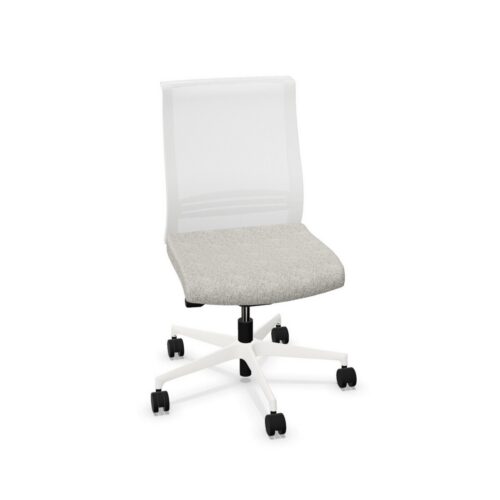
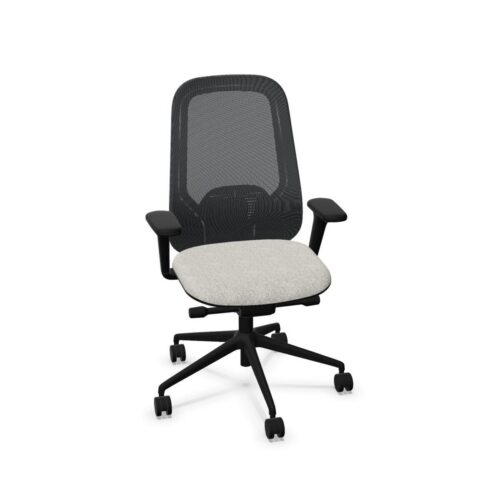
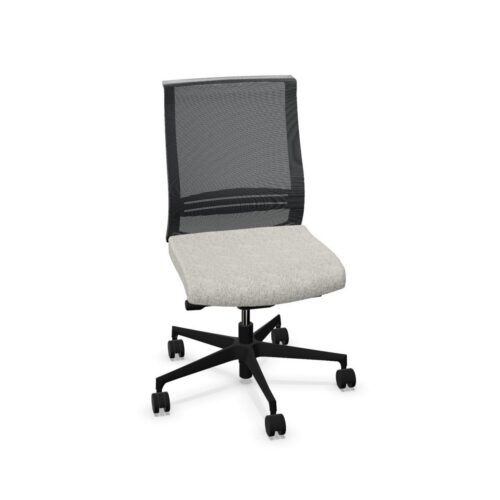
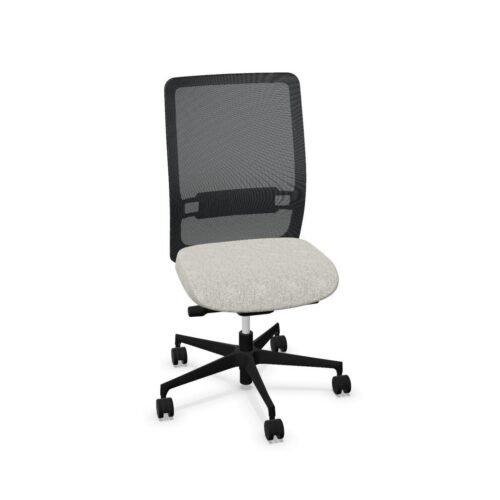
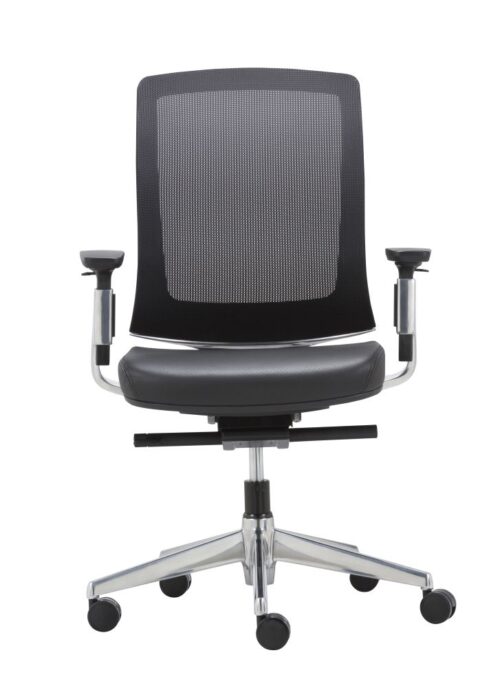
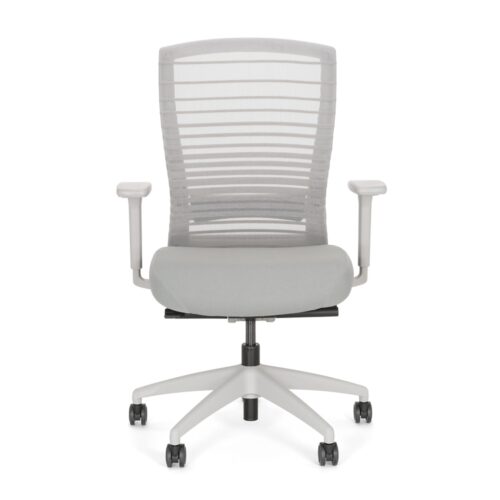
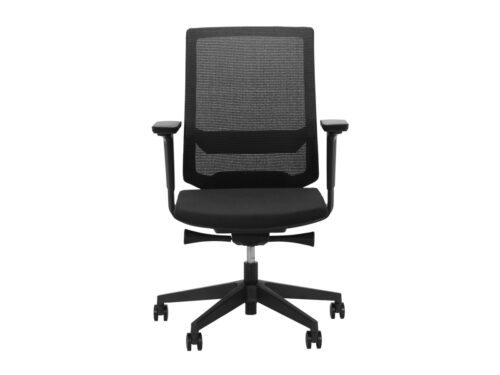
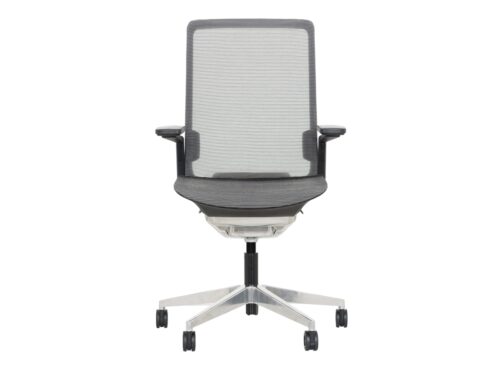
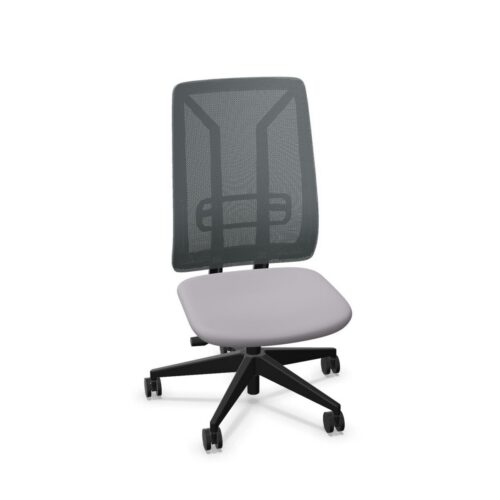
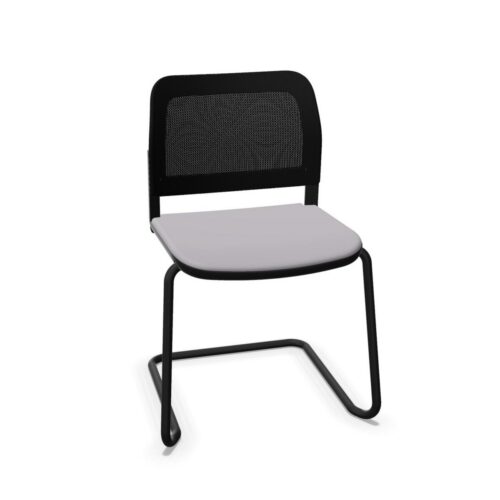
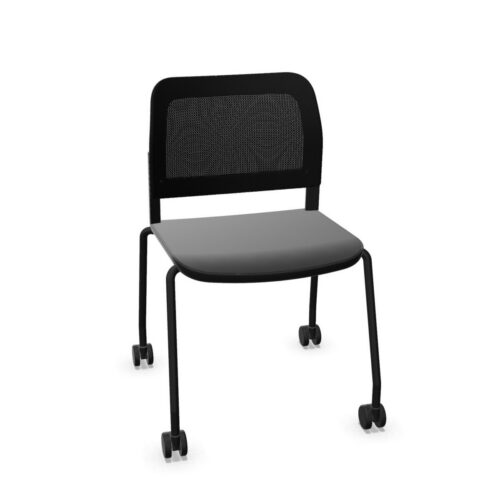
The mesh filter identifies products with mesh covering, but its position on a chair is significant. A mesh-back chair with a fabric or other padded seat is a common combination: the back provides the mesh surface while the seat provides a more conventional upholstered feel. Other designs may use mesh more extensively, or only as a panel within the backrest.
- Mesh back with upholstered seat: a familiar option for desk chairs and task seating.
- Mesh back with padded components: may combine a breathable back with headrest, lumbar or seat cushioning, where included.
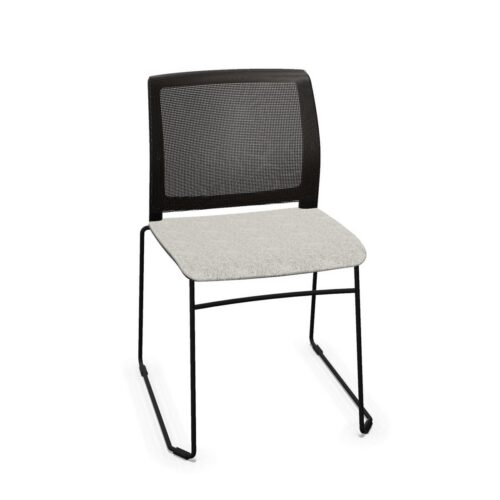
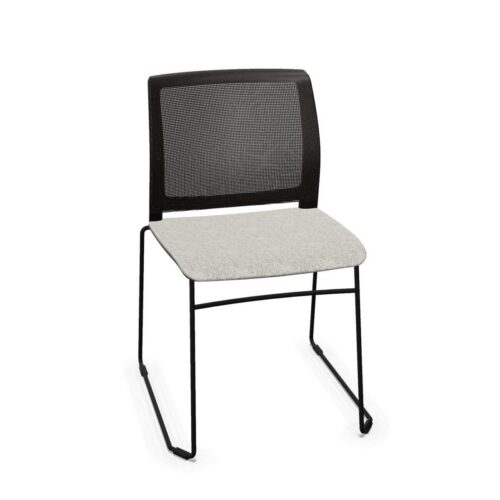
- Mesh visitor seating: can provide a lighter-looking choice for meeting and touchdown areas.
- Mesh panels: may form part of a back rather than the entire contact surface.
Check product images and descriptions to establish where mesh is used. This is especially relevant when coordinating finishes across a larger furniture scheme, as upholstery material, frame finish and base finish are separate attributes.
How to choose mesh office furniture
Start with the work setting. For a dedicated workstation used for prolonged periods, consider the chair’s adjustment range, back shape, seat depth and arm options alongside its mesh covering. For meeting or occasional-use seating, footprint, stackability where applicable, and the relationship to the meeting table may take priority.
Consider how the furniture will sit with existing desks, storage and screens. A dark mesh back can appear understated in a formal workspace, while lighter or more open designs may help maintain a less enclosed feel. If visual consistency is important, compare the stated material and finishes rather than relying solely on product photography.
Questions to consider
- Will the chair be used by one regular person or by different users?
- Is mesh present on the back, the seat, or both?
- Which adjustments are required for the intended workstation?
- Does the chair need arms, a headrest or a particular base type?
- How will the upholstery work with the surrounding furniture and interior palette?
- What cleaning and maintenance approach is appropriate for the workplace?
Care and longer-term use
Mesh should be cared for in line with the manufacturer’s guidance. Routine attention can include removing loose dust from the surface and addressing spills promptly with suitable methods. Avoid assuming that all mesh can be cleaned in the same way: fibre composition, colour, backing materials and adjacent upholstered components can affect care requirements.
In shared workplaces, simple checks of the chair mechanism, castors, arms and frame can be as relevant as the condition of the covering. Using furniture for its intended purpose and maintaining moving parts where recommended can help support continued use. Our guide on how to extend the lifespan of office furniture provides broader considerations for looking after workplace assets.
Planning a coordinated furniture scheme
Mesh seating can form part of a wider office plan that includes desks, meeting furniture, storage and collaborative settings. Establishing the activities taking place in each area helps determine whether task chairs, visitor chairs or other seating types are most appropriate. It also helps distinguish the material preference from the functional requirements of each space.
For a useful starting point, see our advice on choosing office furniture, then browse the wider office furniture collection to compare categories and finishes relevant to your workplace.



Myntwork
Myntwork
Myntwork
Myntwork
Myntwork


Myntwork