


Metal upholstery office furniture refers to seating and related products where the seat or back surface is formed from metal, rather than being covered in fabric, leather or another soft upholstery material. On this archive, it can also describe designs with no conventional upholstery, where the visible metal structure provides the sitting surface or back support.
This material choice is commonly considered for practical, hard-wearing workplace settings and for interiors that favour a clean, industrial or utilitarian look. The precise construction, finish, comfort features and intended use vary by product, so the individual product specification remains important when comparing options.
What does metal upholstery mean?
In office furniture terminology, upholstery normally means the material covering a padded seat or back. A metal upholstery-material designation instead identifies a product with a metal seating or back surface, or an unupholstered construction in which metal is the principal contact material.
It does not necessarily mean that every component is metal. A chair may combine a metal seat shell with a separate frame, feet, arms or fittings made from other materials. Equally, the term should not be confused with a metal base or frame: this filter concerns the seat and/or back covering or exposed seating surface.
Metal may appear as a shaped sheet, perforated panel, mesh-like formed surface or another engineered construction. Its appearance and feel can differ considerably between products, as can the presence of contours, edge detailing and supplementary pads.
Why choose furniture with metal seating surfaces?
Metal seating can suit organisations looking for a straightforward material specification with a distinct visual character. It is often selected where a soft upholstered finish is not required, where surfaces need to be easy to inspect, or where a consistent material palette is wanted across shared spaces.
- A crisp, architectural appearance that can complement industrial, contemporary or pared-back interiors.
- A non-textile surface where fabric colour, weave and pile are not part of the selection process.
- A practical option for spaces used by different people throughout the day.
- A material that can coordinate visually with metal tables, storage, shelving and workplace fittings.
- Clear contrast with softer lounge furniture in a mixed-use office layout.
Comfort should be assessed in relation to the task and expected duration of use. A metal chair suitable for a short meeting, café-style break or waiting area may not be the appropriate choice for an all-day desk position. Shape, support, dimensions and any specified cushioning matter as much as the surface material.
Suitable workplace settings
Furniture with metal seats or backs can be useful in shared, informal and operational areas where a robust-looking, simple finish supports the wider workplace design. It can also help create visual continuity in spaces that use exposed structural materials, polished concrete, timber or neutral finishes.
- Breakout areas and office cafés, particularly for short stays and informal conversations.
- Meeting rooms that use stackable, movable or occasional seating, subject to the product design.
- Reception, waiting and visitor spaces where the furniture contributes to a concise first impression.
- Training, event and multipurpose rooms where layouts may change regularly.
- Studios, workshops and creative workplaces seeking a functional, less domestic aesthetic.
- Shared amenity spaces, including kitchen and dining zones within an office.
For client-facing or high-traffic locations, consider the complete environment. Acoustics, floor finishes, room temperature and the availability of alternative seating can all affect how a metal-surfaced chair performs in day-to-day use.
Product types to compare
The metal upholstery-material filter may include different furniture formats, rather than one uniform product category. Comparing like with like will make the shortlist more useful for procurement and planning teams.
Look for visitor chairs, dining-height chairs, stools, occasional seating and other designs intended for shared spaces. Some products may be freestanding, while others may be designed to stack, link or work around tables. These are product-specific features and should be checked individually rather than assumed from the material alone.
When reviewing a product, distinguish between the visible seating surface and the supporting construction. The same metal surface can be paired with a sled base, four legs, castors or a central pedestal, each affecting movement, floor contact, cleaning access and the overall appearance.
How to select the right option
Start with the activity the furniture needs to support. Short-duration seating can prioritise compactness and a consistent visual finish, whereas longer conversations or focused work may call for more shaping, flexibility or additional comfort features. The room’s capacity and circulation routes should also inform the chosen footprint.
Questions to consider
- Will people use the seating briefly, repeatedly throughout the day, or for extended periods?
- Is the priority a dining, meeting, waiting, collaboration or task setting?
- Does the design provide the back support, seat shape and dimensions appropriate to its intended use?
- Will the product be moved, stored or reconfigured frequently?
- How will the metal finish sit alongside existing desks, tables, lighting and flooring?
- Are there site-specific cleaning, facilities or maintenance requirements to account for?
- Would a mix of metal and upholstered seating give users suitable choice across the space?
It is also useful to review finish details in the context of the whole scheme. Depending on the design, a metal surface may be painted, coated, brushed or otherwise finished. Compare available information for colour, texture and care guidance, particularly where furniture will be placed close to other metal elements.
Planning for maintenance and longevity
A clear maintenance approach helps furniture remain appropriate for its working environment. For metal seating surfaces, follow the care information supplied for the particular item and avoid assuming that every finish responds to cleaning in the same way. Surface coatings, joins and adjacent materials may each have different requirements.
During planning, allow enough space around seating for cleaning and for users to move comfortably. In communal areas, a layout that separates circulation from tables and chairs can reduce avoidable contact and make the space easier to manage. Where items are moved often, consider how they will be handled and where they will be kept when not in use.
Thoughtful selection, sensible use and routine care can all contribute to keeping furniture in service for longer. Myntwork’s guide on how to extend the lifespan of office furniture offers broader considerations for managing workplace furniture over time.
Coordinating metal furniture in an office scheme
Metal seating need not define an entire office. It can be used as a practical counterpoint to softer task chairs, acoustic elements and upholstered meeting furniture, helping different zones feel distinct while still belonging to one workplace. Repeating a compatible finish across chair frames, table legs or storage can create a considered visual connection without making every item identical.
When preparing a specification, assess material choices alongside room purpose, user needs and the existing furniture inventory. For wider guidance on balancing these requirements, see our resource on choosing office furniture. You can also browse the wider office furniture collection to compare metal-surfaced options with other workplace furniture categories.
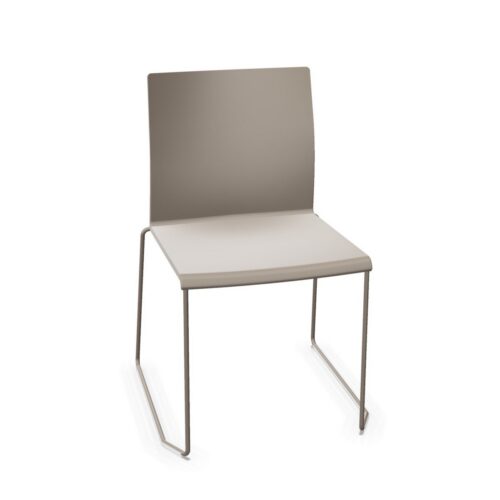
Gaber
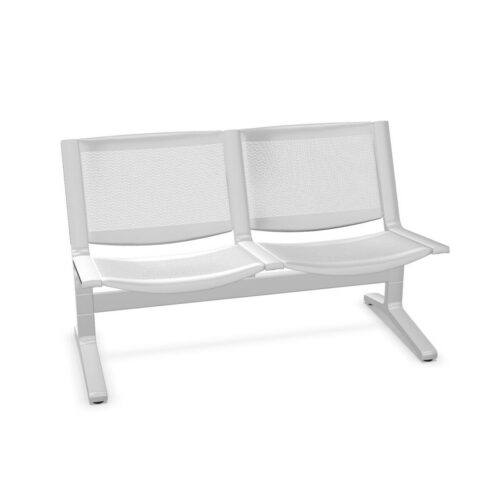
Kusch + Co

Nowy Styl

Nowy Styl