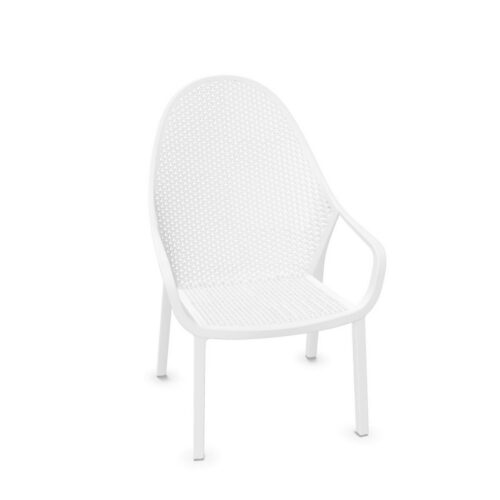


Plastic office seating covers chairs and stools with a plastic seat, back or shell, as well as designs where plastic forms the principal sitting surface rather than a padded textile or leather upholstery. This archive brings together practical furniture options for workplaces that need a clear, durable-looking finish and straightforward day-to-day use.
In this context, plastic describes the seat and back covering material, or the absence of conventional upholstery. Individual products can differ in shape, construction, frame material, colour, finish, adjustment options and intended setting, so the product specification remains the right place to confirm the details that matter to a project.
What does plastic upholstery material mean?
Plastic is often used for moulded chair shells, one-piece seats and backs, and simple seating surfaces. It may be visible across the whole seating shell or used alongside another material, such as a metal, timber or plastic base. A chair listed here is not necessarily fully made from plastic: the attribute relates specifically to the surface a user sits against, or to an unupholstered plastic shell.
This makes the filter useful when a procurement brief calls for seating without fabric upholstery. It can help narrow a large furniture selection to products whose appearance and material treatment suit the planned workplace, hospitality area, education space or shared amenity.
Why choose an unupholstered plastic seat or back?
Plastic seating has a distinct visual character. Its clean lines can work well in interiors where furniture needs to look considered without introducing the texture of upholstered finishes. Moulded forms also allow for a broad range of profiles, from compact, simple shells to more shaped backs designed for particular seating positions.
- A consistent material appearance across a bank of chairs or stools.
- A practical option for spaces where fabric upholstery is not part of the design brief.
- Shapes and colours that can support wayfinding, zoning or a defined interior palette.
- A suitable starting point for projects needing stackable, mobile or occasional seating, where available on the individual product.
The suitability of any chair depends on its complete design rather than its surface material alone. Check dimensions, ergonomics, mechanism, base type and care guidance before selecting for regular desk work or high-use shared areas.
Common workplace settings
Plastic seat and back surfaces are frequently considered for spaces with varied occupancy and different types of activity. In a café or breakout area, they can create a lighter, more informal furniture arrangement. In meeting rooms, they may support flexible layouts where chairs are moved between tables or stored away after use. Reception and waiting areas can also benefit from a simple shell chair where the desired look is tidy and welcoming.
Other common applications include training rooms, touch-down zones, staff dining areas, education settings and event spaces. For these environments, it is important to assess how long people will typically be seated. A chair for a short meeting or informal pause may need different features from one intended for concentrated work throughout the day.
Types of furniture in this selection
The plastic upholstery-material filter can include more than one type of seating. Reviewing the wider product category and individual listing will help identify the right format for the intended use.
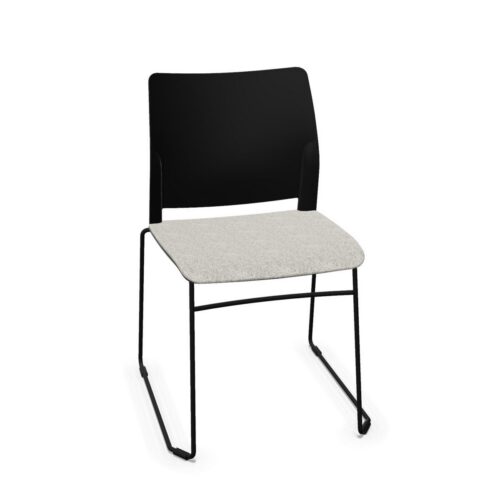
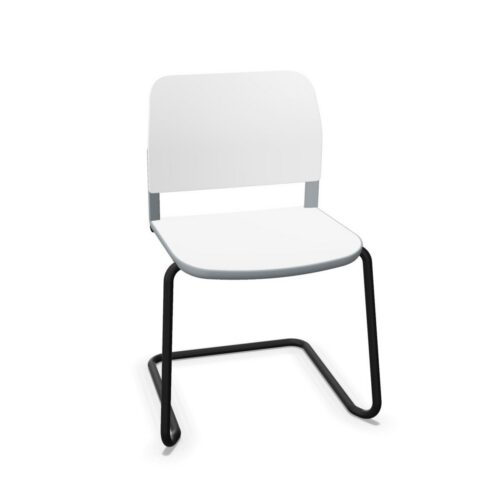
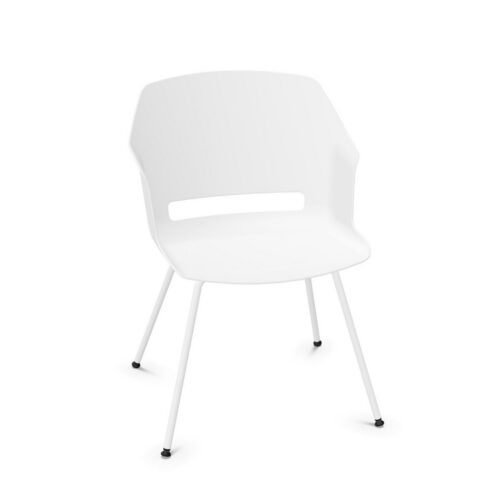
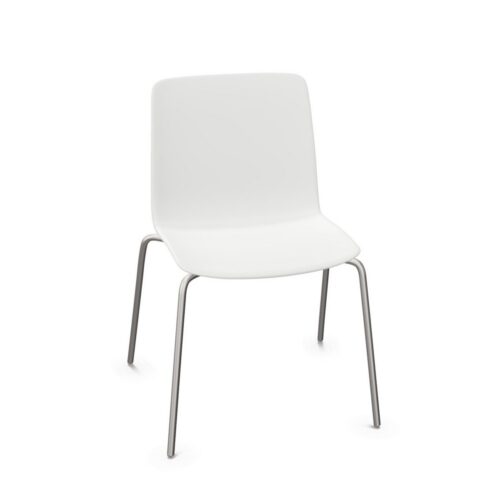
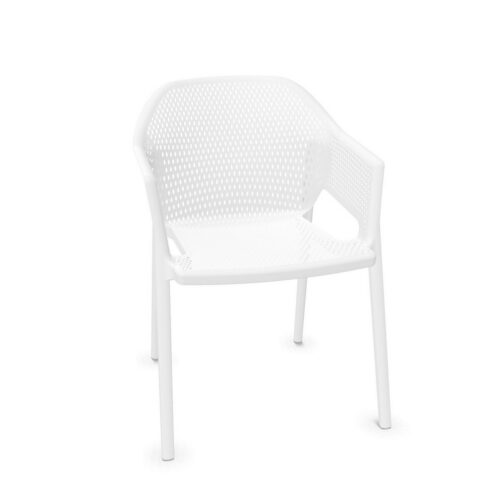
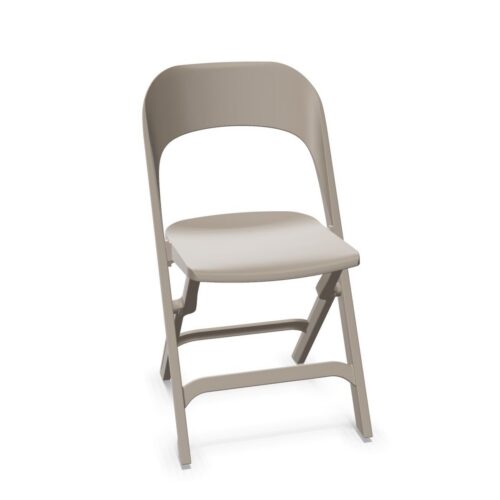
- Visitor and meeting chairs with moulded plastic shells.
- Dining and café chairs for workplace social spaces.
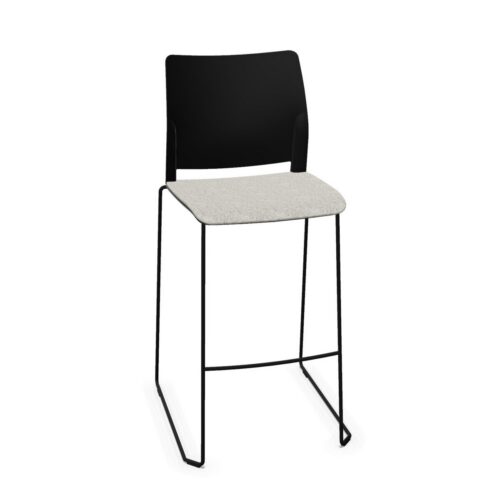
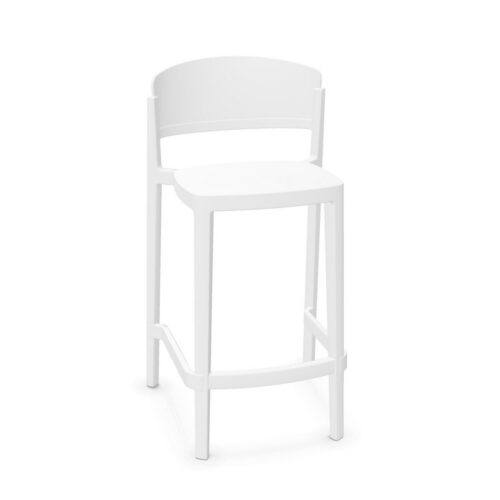
- Bar-height stools and counter stools with plastic seats.
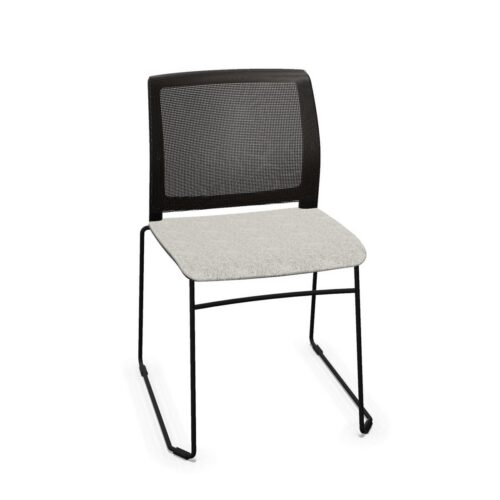
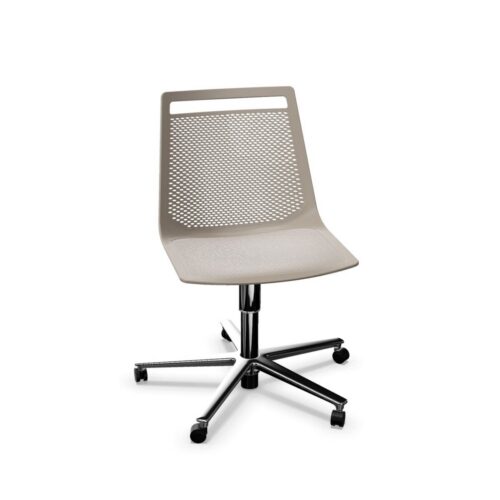
- Task or multi-purpose chairs that combine a plastic back or seat with an adjustable frame.
- Benches, occasional seating or outdoor-suitable designs where stated in the product information.
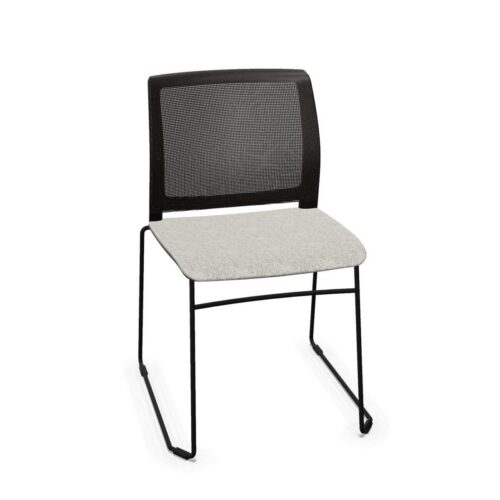
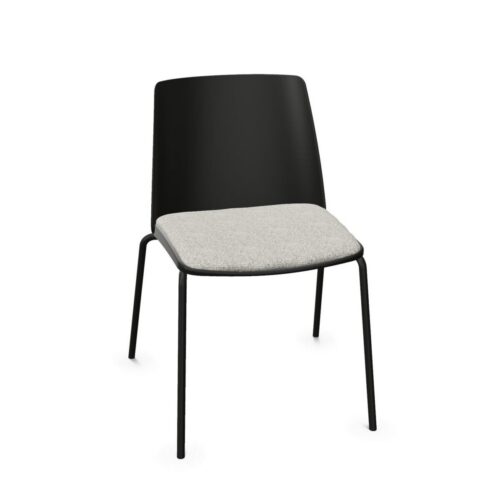
Some pieces may combine plastic with upholstered pads, while others have a fully exposed shell. Where comfort, acoustic character or a specific finish is central to the scheme, compare the product imagery and specification carefully rather than relying on the attribute alone.
How to select plastic seating for a project
Start with the activity the furniture needs to support. For collaborative areas, consider the relationship between chair shape, table height and the number of seats required. For focused work, look at whether the design offers the adjustment and support appropriate to the expected period of use. For multi-use rooms, practical matters such as weight, stacking capability and ease of moving furniture may be relevant where specified.
Next, consider the surrounding finishes. Plastic can read as crisp and contemporary, or more restrained, depending on the colour and form. It may contrast with timber tables and soft furnishings, or create continuity with similarly toned storage, screens and bases. Remember that a plastic seat shell is separate from a product’s frame and base finish; use the relevant filters where a particular base colour or material is also required.
Questions to consider
- Is the seating for short visits, meetings, dining, training or longer periods of desk work?
- What seat height and overall footprint work with the tables, counters or available floor area?
- Does the room need chairs that can be rearranged, nested or stacked?
- Will a fully unupholstered shell suit the desired comfort level and visual scheme?
- Which frame, leg or base option complements the rest of the furniture specification?
Care and long-term use
Care requirements vary by product and finish, but plastic seating generally benefits from routine attention that keeps surfaces presentable and helps avoid unnecessary wear. Follow the manufacturer’s cleaning and maintenance guidance, particularly where a chair has mixed materials, textured surfaces, painted components or integrated upholstery. Avoid assuming that every plastic product has the same resistance to marks, cleaning agents or outdoor conditions.
Thoughtful placement, appropriate cleaning and prompt attention to loose fittings can all contribute to continued use. For broader guidance on maintaining furniture in a circular workplace, see how to extend the lifespan of office furniture.
Planning a coordinated furniture scheme
Plastic seating can form one part of a balanced workplace scheme alongside desks, tables, storage and softer seating. It is often helpful to review furniture by setting first, then refine by material, dimensions and functional requirements. This approach keeps finish choices connected to the practical needs of each zone rather than treating every room in the same way.
Browse the wider office furniture collection to compare seating with complementary workplace furniture, or refer to our guide to choosing office furniture when assessing layouts, uses and product types.

Bralco











Gaber