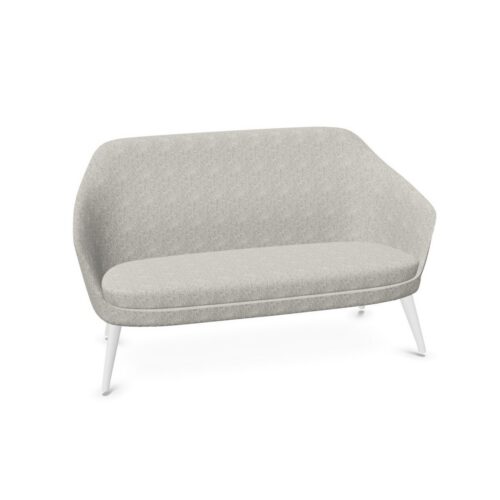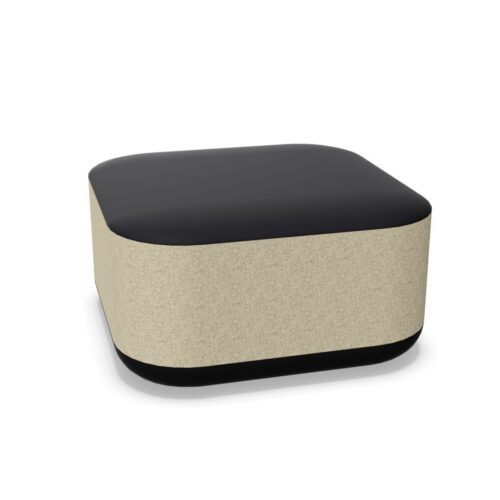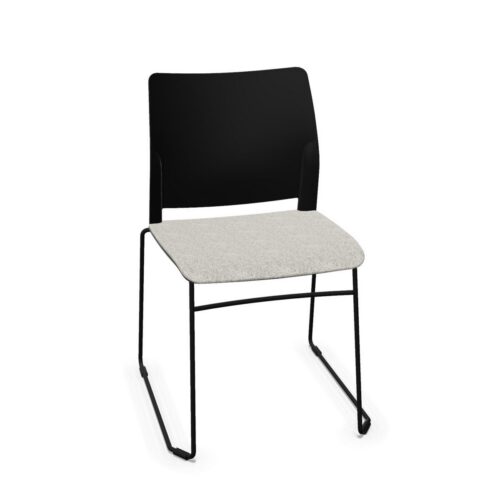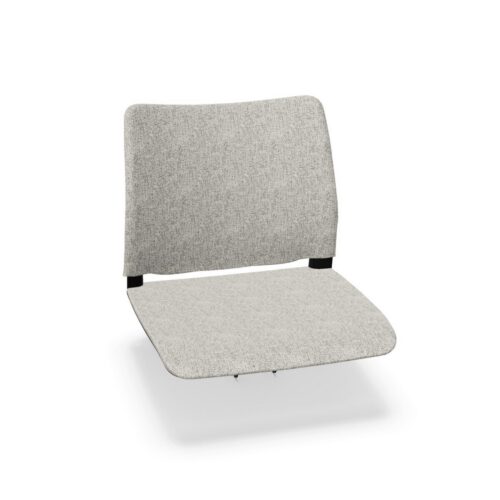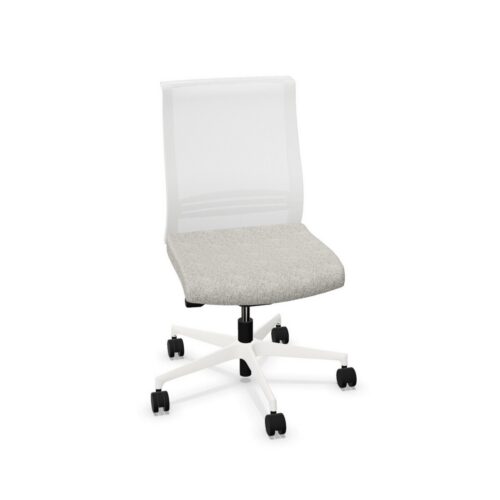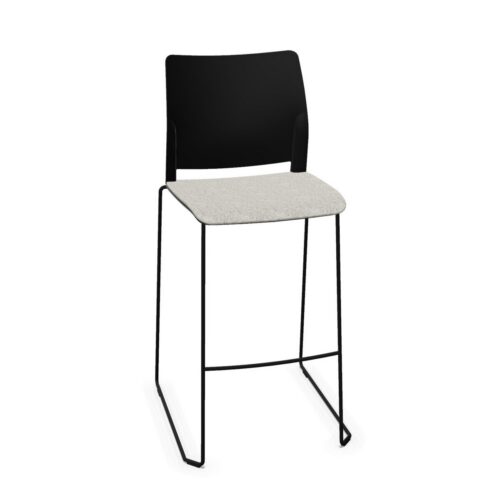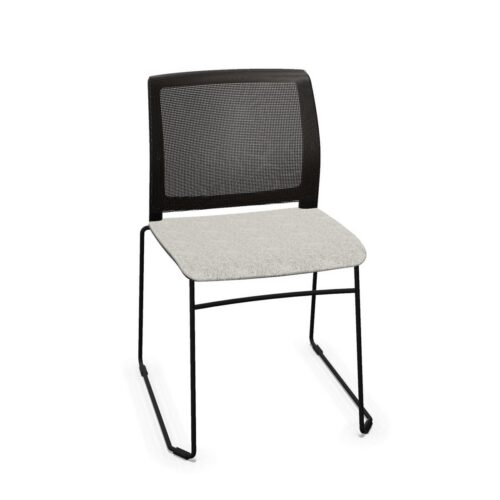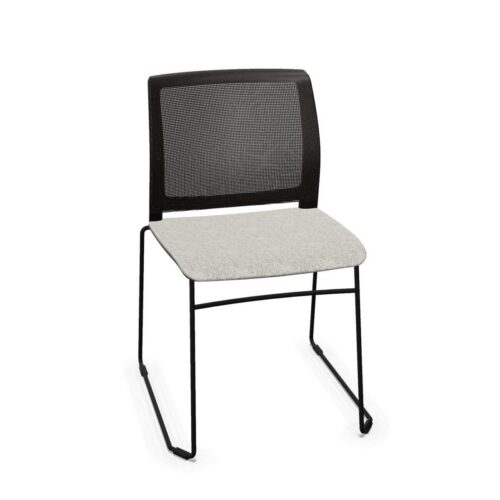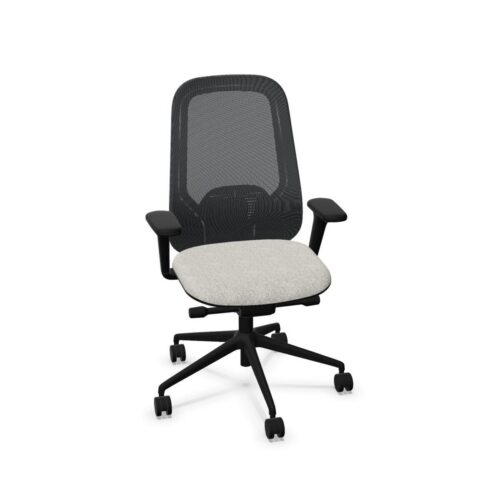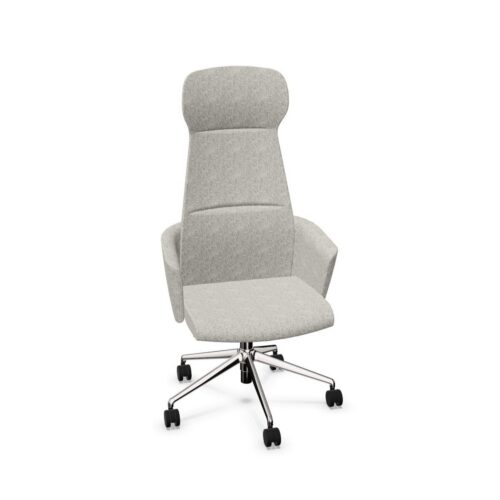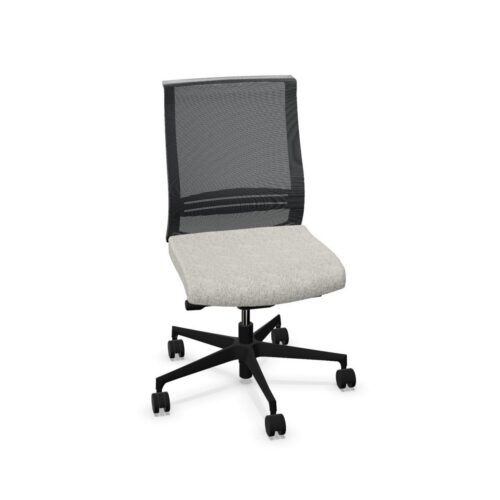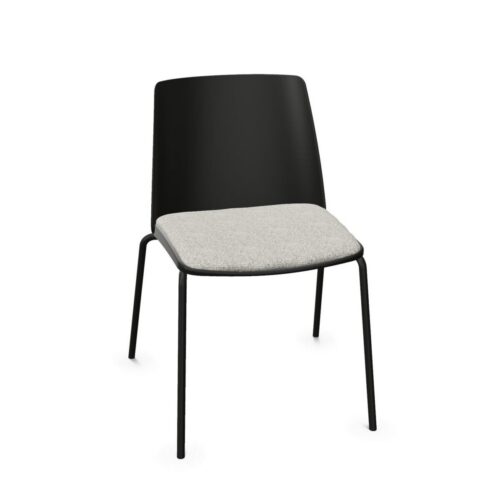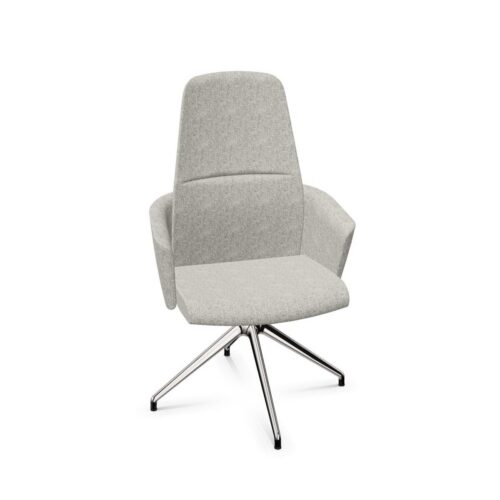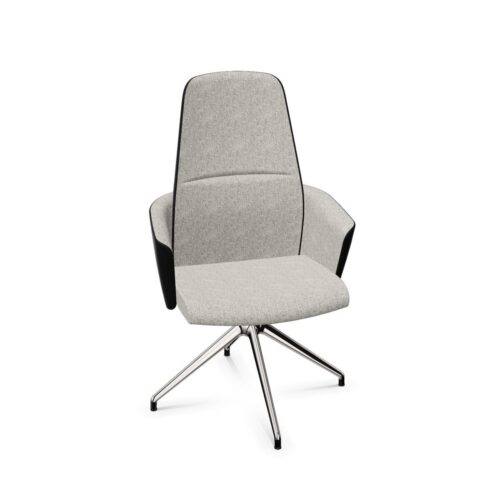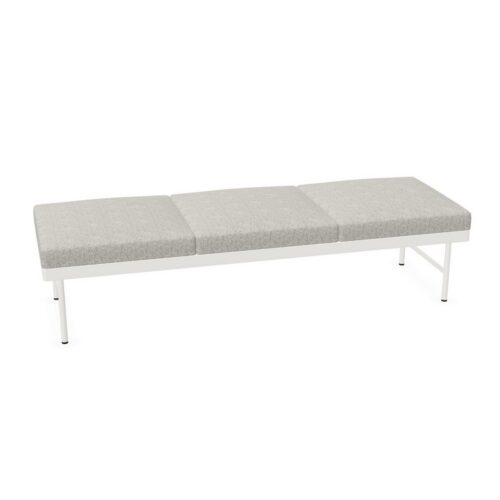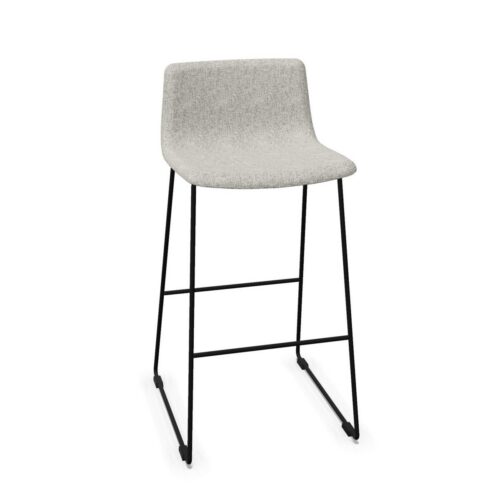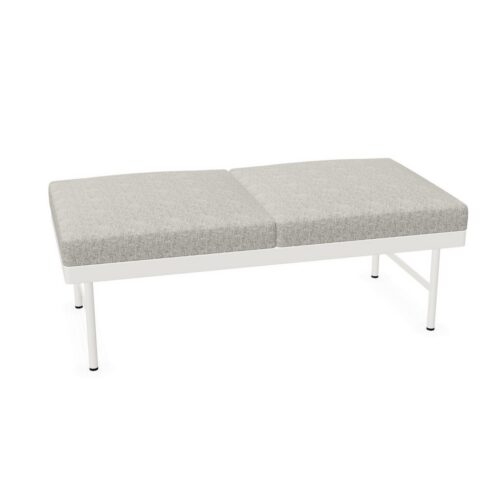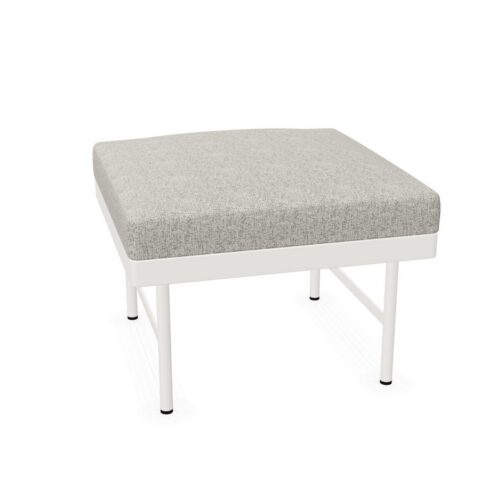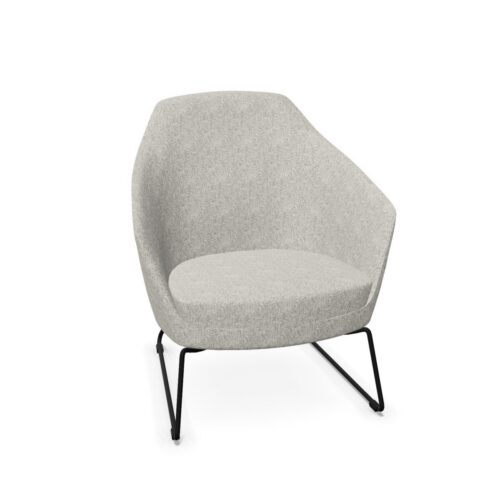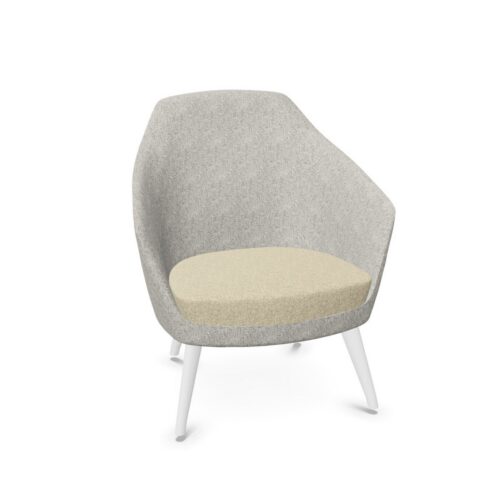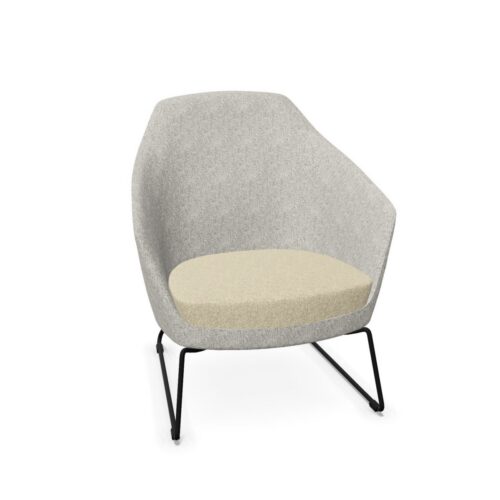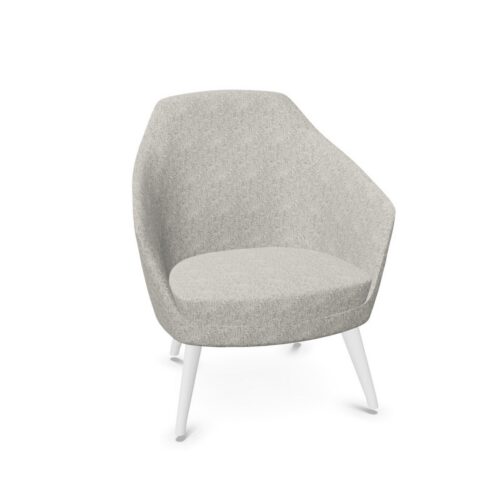


PU leather office furniture uses a polyurethane-based covering on upholstered seating and related workplace pieces. It provides a smooth, leather-look finish while allowing buyers to specify a practical, consistent surface for offices, meeting areas and visitor settings.
On this archive, PU leather refers specifically to the material covering a seat, back or other upholstered element. It does not describe the frame, base, mechanism or internal cushioning, which can vary between products. Reviewing the individual product specification remains important when comparing options for a project.
What is PU leather upholstery?
PU leather, often called polyurethane leather or synthetic leather, is an upholstery material designed to give the appearance and feel associated with leather without using an animal hide. In office furniture, it is commonly applied over foam-padded seats and backrests, although the exact construction differs by product.
The material is available in a broad range of finishes and colours, from understated black, grey and brown through to more distinctive workplace shades. A PU leather surface may be used across an entire chair or only on selected upholstered sections. Product imagery and descriptions help establish precisely where it is used.
Why PU leather can suit workplace interiors
For procurement teams, PU leather can be a useful option where a neat, uniform appearance and a wipeable surface are priorities. Its smooth finish can complement both formal and informal spaces, making it relevant to furniture specifications that need to work across several settings.
- A leather-look finish can support a polished appearance in client-facing areas.
- The non-textile surface may be straightforward to wipe as part of a suitable cleaning routine.
- It can create visual consistency where several chair types are needed across one workplace.
- A wide choice of colours and designs can help coordinate upholstery with the wider interior scheme.
Suitability will depend on the intended use, level of traffic and the cleaning guidance for the particular item. PU leather is one material choice among many, rather than a guarantee of performance in every environment.
Typical furniture with PU leather coverings
PU leather is frequently seen on task seating, executive chairs and visitor chairs, where an upholstered contact surface contributes to comfort and presentation. It can also feature on meeting chairs, reception seating, stools and selected soft-seating designs. The products shown on this page may cover different furniture categories, dimensions and adjustment options.
When assembling a coordinated scheme, consider more than the upholstery alone. A chair with a chrome sled base will read differently from one with a black five-star base, even when both use the same upholstery material. Likewise, arm style, stitching, seat profile and back height all affect the final look and practical fit.
Where PU leather furniture is commonly considered
This upholstery material can be considered for spaces that need durable-looking, easily presented seating without relying on a textile finish. The right application depends on the individual product and the operational needs of the space.
- Meeting rooms: chairs with a uniform finish can help create a composed setting around a shared table.
- Reception and waiting areas: visitor seating may use PU leather to provide a smart first impression.
- Private offices: executive and task chairs can combine upholstered comfort with adjustable workplace features.
- Training and multi-use rooms: stackable or mobile chair designs may be suitable where layouts change regularly.
- Breakout spaces: stools, lounge chairs and booth-style pieces can introduce a softer seating choice alongside desks.
For higher-use locations, assess the specific chair construction, cleaning requirements and maintenance plan rather than selecting solely on its surface appearance.
How to choose PU leather office seating
Start with the role of the furniture. A chair intended for sustained desk work needs different adjustment, support and movement features from one used for short meetings or occasional visitors. Once the function is clear, the upholstery can be assessed alongside dimensions, base type and visual requirements.
It is also useful to compare the finish with adjacent materials in the space. Desk surfaces, table frames, storage units and flooring may influence whether a matt, lightly textured or more polished PU leather option is appropriate. Where colour matching is important, use the product information and any available samples rather than relying on screen images alone.
Questions to consider
- Which parts of the item are upholstered in PU leather?
- Will the furniture be used for focused work, meetings, waiting or flexible seating?
- What seat height, back height, arms or adjustment features are required?
- How will the chosen colour work with the base, frame and surrounding finishes?
- What cleaning approach is appropriate for the product’s stated care guidance?
- Is a consistent material needed across several room types or furniture categories?
Care and longer-term use
Regular, gentle cleaning can help maintain the appearance of PU leather upholstery. Follow the care instructions supplied for the individual product, as finishes and construction can vary. In general, avoid assuming that a cleaning product suitable for one synthetic covering is suitable for another, and address spills in line with the manufacturer’s guidance.
Furniture longevity is influenced by use, handling, maintenance and the condition of components beyond the upholstery, including castors, mechanisms and frames. Planning for inspection, cleaning and appropriate repairs can help organisations keep furniture useful for longer. Read more about how to extend the lifespan of office furniture when developing a considered workplace furniture strategy.
Specifying for a complete office scheme
PU leather may be one part of a wider specification that includes workstations, tables, storage and acoustic elements. Recording the upholstery material separately from colour, frame finish and product type can make comparisons clearer, particularly for larger orders or phased projects. It also helps ensure that a leather-look covering is selected intentionally, rather than being confused with genuine leather or fabric upholstery.
Browse the wider office furniture collection to place upholstered seating within a complete workplace scheme, or consult our guide to choosing office furniture for further planning considerations.