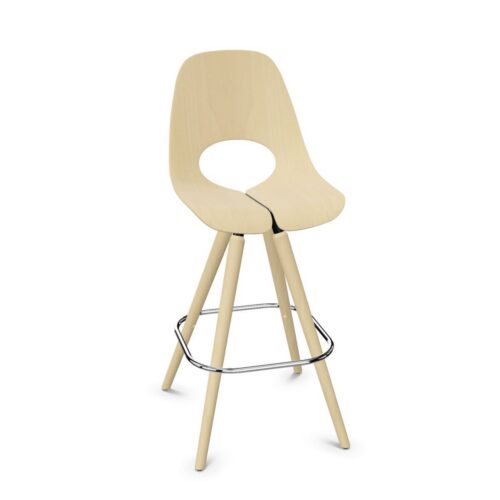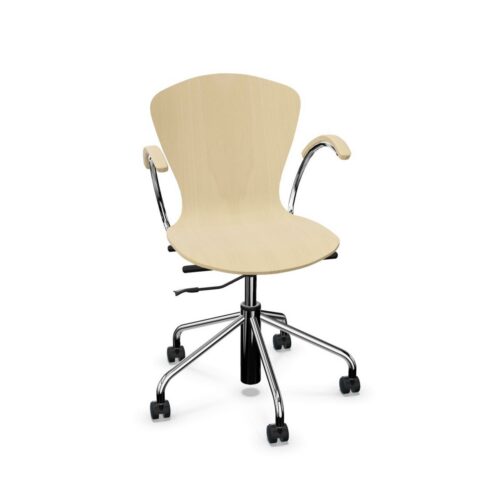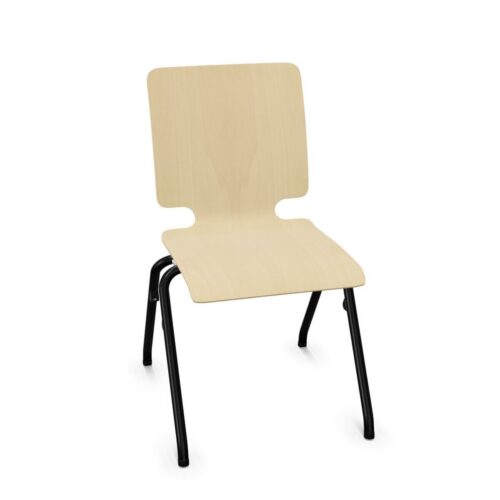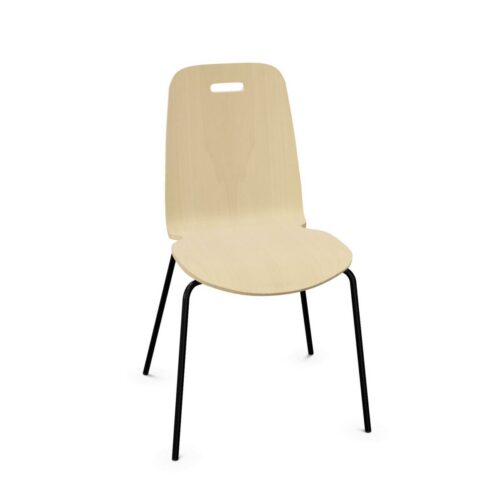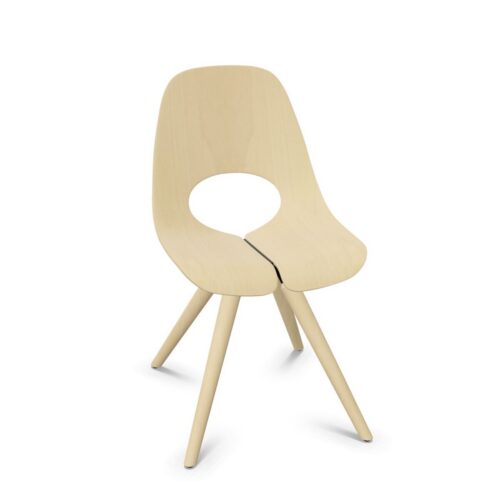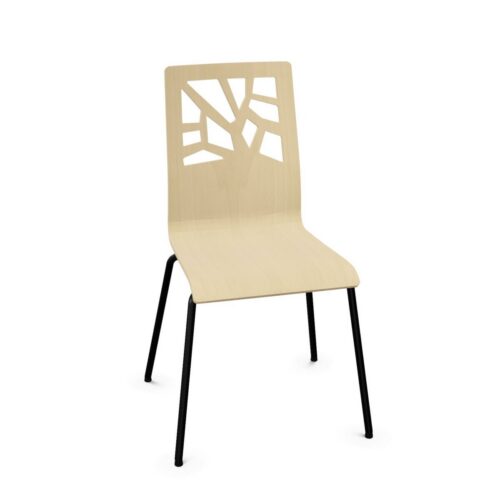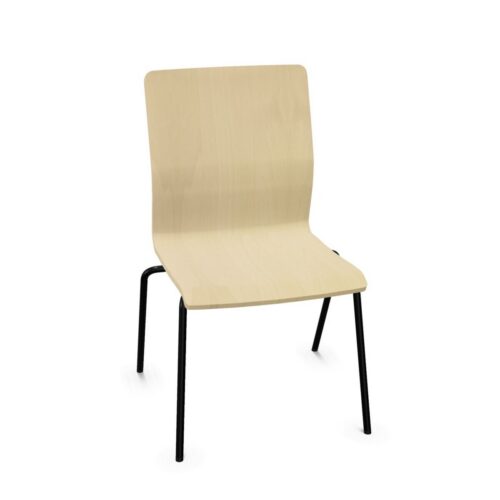


Wood office furniture brings a solid, practical finish to workplace settings where a non-upholstered seat or back is preferred. On this page, Wood refers to the material used for the seating surface or backrest, and can also describe products supplied without fabric, leather or other soft upholstery.
Wooden seating and furniture components are often selected for their clear visual character, straightforward upkeep and suitability for shared spaces. The products shown may differ in construction, finish, frame material, shape and intended use, so the product specification remains important when comparing options for a project.
What does wood upholstery material mean?
For this attribute, wood describes the visible seating or back-contact material rather than the colour of a frame, leg or base. A chair may have a timber seat, a timber back, or both, and may be paired with a metal, plastic or wooden structure. In some cases, the term identifies a furniture item with no padded upholstery at all.
This distinction matters when specifying furniture. A product with a wooden base and a fabric seat would not necessarily meet the same requirement as a chair whose sitting surface is wood. Review product imagery and descriptions to establish which elements are wooden, whether a seat pad is included, and how the item is configured.
Why choose wooden seating surfaces?
Wood is a familiar choice for workplace areas that need durable-looking, easy-to-understand furniture. It can create a more structured feel than soft upholstered seating and is particularly useful where a consistent material palette is required across meeting, dining and visitor areas.
- Non-upholstered surfaces can be simpler to wipe down between users, subject to the manufacturer’s care guidance.
- Timber finishes can complement natural materials, joinery and hospitality-inspired workplace interiors.
- A solid seat or back can suit settings where cushions and loose textile finishes are not required.
- Wooden furniture may be easier to visually coordinate with tables, storage and shared-space fittings.
Wood is not automatically the right answer for every workstation or long-duration task setting. Comfort depends on the chair’s form, dimensions, back support and the way it will be used, not solely on the presence or absence of upholstery.
Where is wood furniture commonly used?
Wood seating is frequently considered for spaces with varied, shorter-term use. Café-style breakout areas, canteens, training rooms, informal meeting spaces and reception zones can all benefit from furniture that is visually robust and easy for users to understand at a glance.
It can also be appropriate in project rooms, touchdown areas and visitor settings, especially where the interior scheme calls for a warmer or more domestic character. For a workplace with a mixture of individual focus work and collaboration, wooden chairs can be combined with more supportive task seating rather than used as a single solution throughout.
Product types with wood seat or back materials
The Wood filter can include different types of furniture, depending on the catalogue. Rather than assuming that all results serve the same purpose, compare the format and intended environment of each item.
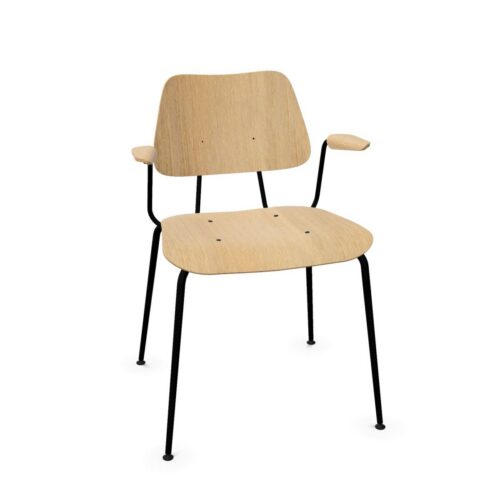
- Dining and café chairs for staff dining, social spaces and collaborative tables.
- Visitor chairs for reception, waiting and short meetings.
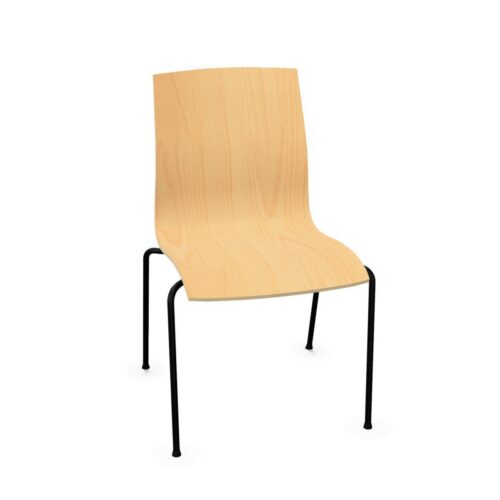
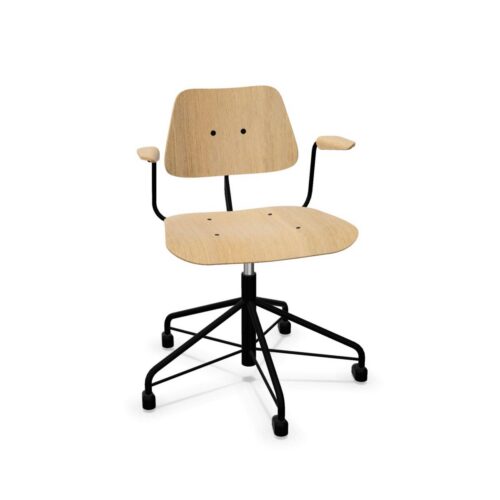
- Meeting chairs with timber seats, backs or shells.
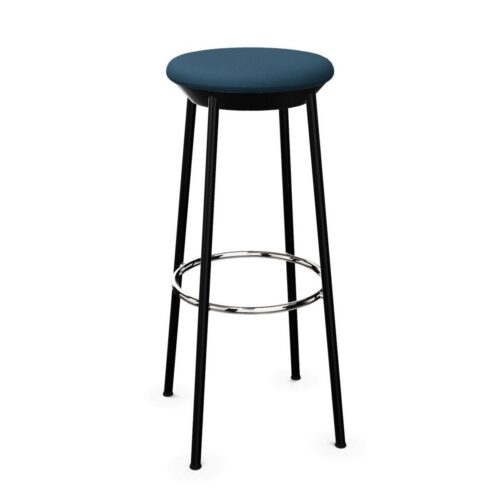
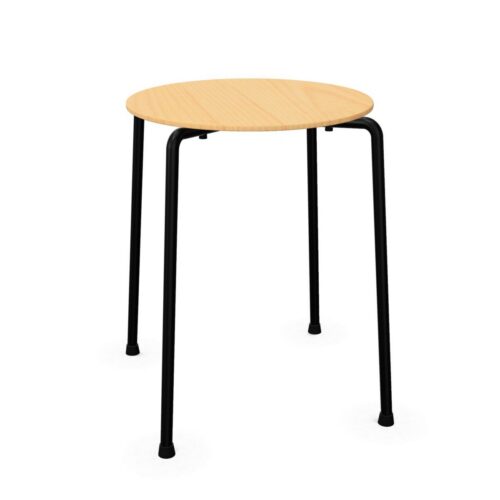
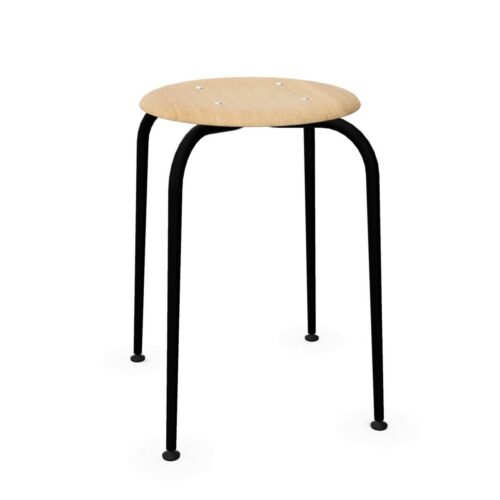
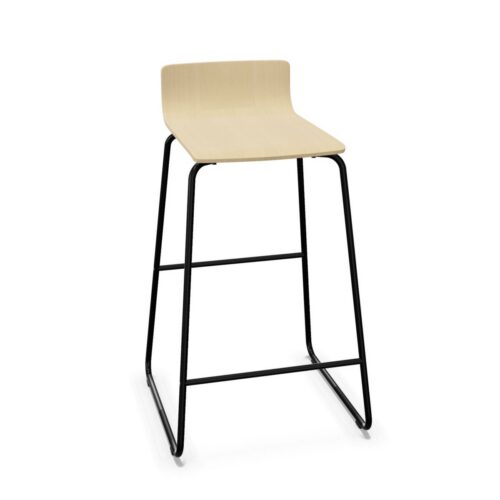
- Stools for high tables, counters and informal perch points.
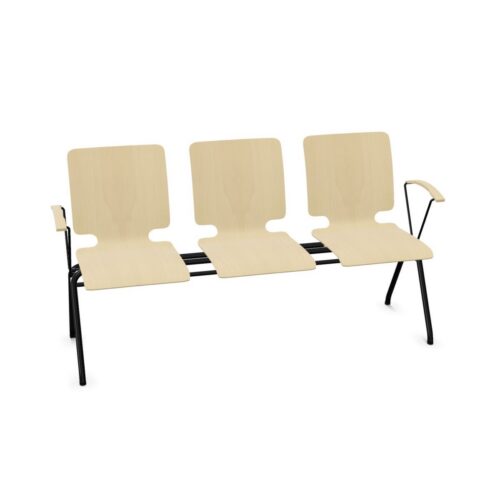
- Benches or occasional seating with wooden contact surfaces.
Some products may use shaped plywood, veneer, solid timber or wood-effect construction. These materials can look similar from a distance but may have different finishes, edge details and care requirements. Confirm the listed construction before finalising a selection.
How to choose wood office furniture
Start with the activity, duration of use and number of users. A timber chair for a quick coffee break has different demands from one used for regular team meetings. Consider the height of the table or counter, the need for arms, the available circulation space and whether chairs will need to stack, move or be rearranged frequently.
Also consider the overall workplace palette. The visible wood tone may sit alongside neutral desks, metal bases, flooring or existing timber finishes. Product photography is useful for initial selection, but project teams should check the stated finish and dimensions when consistency across a larger order matters.
Questions to consider
- Is the wooden material on the seat, back, or both?
- Will people use the furniture briefly, intermittently or for extended meetings?
- Does the layout require stackability, compact storage or easy reconfiguration?
- What table, desk or counter height will the seating accompany?
- How will the surface be cleaned and maintained in the intended environment?
- Does the item need to coordinate with existing furniture rather than match it exactly?
Care and lifespan considerations
Care instructions vary by finish and construction. In general, use the recommended cleaning approach for the specific product, avoid unnecessarily abrasive materials and address spills promptly where relevant. Regular checks of fixings, glides and frames can help keep shared seating in suitable working condition.
For organisations planning a circular workplace, selecting furniture that remains useful through layout changes is often as important as the immediate appearance. Understanding the product’s intended use, maintaining it appropriately and reusing it in another suitable setting can all support longer service. Read more about how to extend the lifespan of office furniture when planning for ongoing use.
Wood in a considered workplace specification
A wood seat or back can provide contrast within a wider furniture specification. It may be used to differentiate dining zones from desk areas, bring a more tactile finish to customer-facing spaces, or create a coherent look around meeting tables. Balance this with practical needs such as ergonomics, acoustics, cleaning routines and the quantity of seating required.
When comparing results on this archive, use the individual product information to assess materials, dimensions and suitability. The Wood attribute narrows the selection by seat or back material; it does not indicate that every item has the same frame, finish, level of comfort or workplace application.
Explore related Myntwork furniture ranges
Wood-finished seating can form part of a broader workplace scheme alongside desks, tables, storage and collaborative furniture. Browse the wider office furniture collection to compare relevant product categories, or consult our guide to choosing office furniture for practical considerations around use, layout and specification.