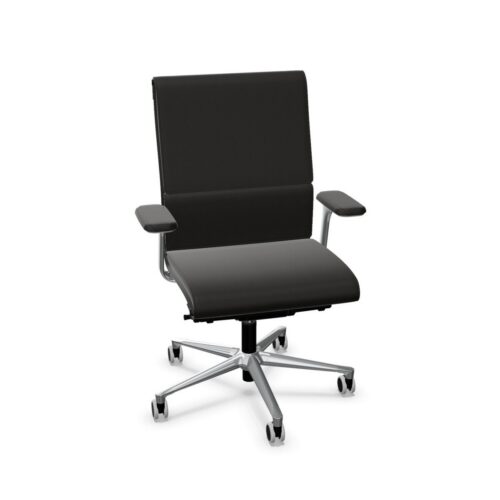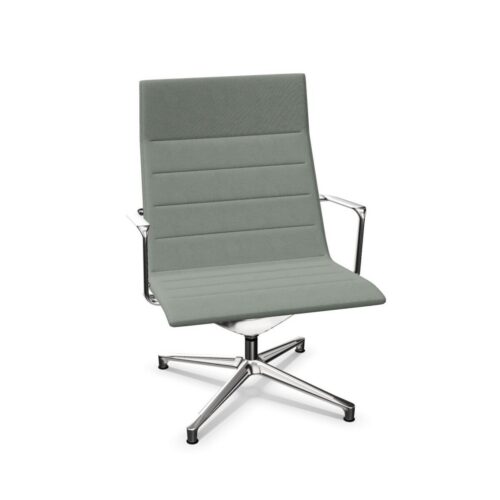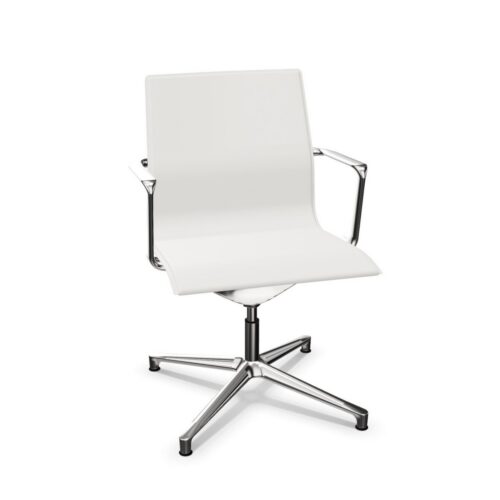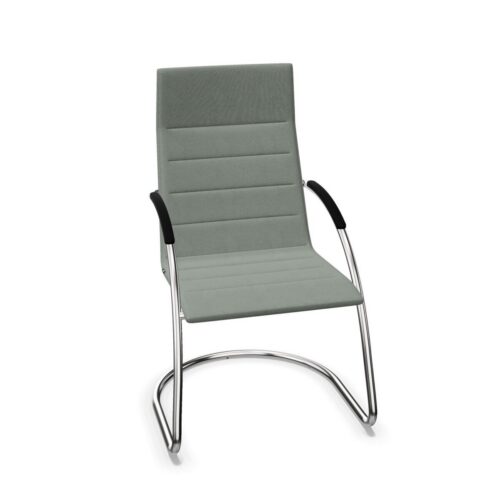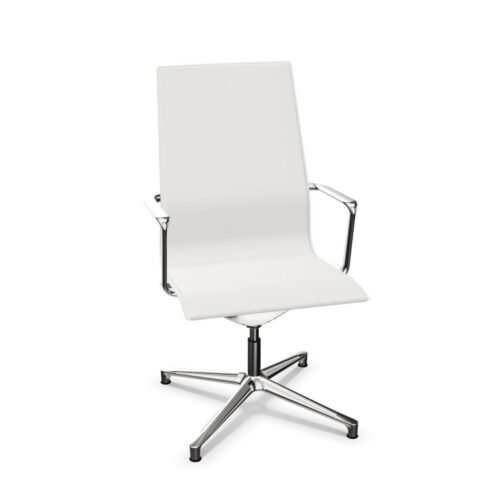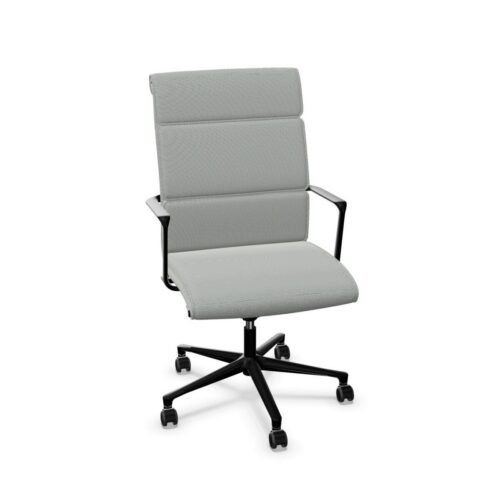


ANSI/BIFMA X5.1 office furniture refers to general-purpose office chairs associated with a recognised American standard for chair safety, durability and performance. For procurement teams, facilities managers and workplace designers, the reference offers a practical way to compare seating intended for regular office use.
This filter brings together products identified with ANSI/BIFMA X5.1. The standard is particularly relevant when a chair will be used by a range of people across a working day, rather than selected solely for its appearance or a single user’s preferences. It should be considered alongside the chair’s specification, adjustment range, intended setting and the manufacturer’s documentation for the exact model.
What is ANSI/BIFMA X5.1?
ANSI/BIFMA X5.1 is a standard covering general-purpose office chairs. ANSI is the American National Standards Institute, while BIFMA is the Business and Institutional Furniture Manufacturers Association. The standard sets out test methods and performance requirements intended to assess aspects of chair construction and use.
Its scope is centred on task and office seating rather than every type of workplace chair. Requirements and test methods can address areas such as structural strength, stability, durability of moving components and the performance of elements including bases, castors, arms and back supports. The precise applicability depends on the chair design and the version of the standard referenced in its product information.
Why buyers look for this standard
Office seating is a working asset: it is adjusted, moved, leaned on and used repeatedly by different people. A recognised performance standard gives buyers a common reference point when reviewing products from more than one supplier or planning a larger furniture programme.
For many organisations, specifying a standard can also make procurement conversations more consistent. It helps distinguish a chair’s documented performance criteria from visual features such as upholstery, colour or silhouette. It is not a substitute for considering the needs of the people using the chair, but it can be a useful part of a considered selection process.
- It provides a familiar benchmark when comparing general-purpose office chairs.
- It supports clearer specification schedules and product review processes.
- It can be relevant where chairs will see frequent, shared or long-term use.
- It encourages attention to construction and functional components as well as finish.
- It gives facilities and procurement teams a reference to discuss with manufacturers and suppliers.
What the standard does and does not tell you
An ANSI/BIFMA X5.1 reference concerns defined chair performance and test requirements; it does not describe every aspect of suitability for a particular workplace. It does not, by itself, establish that a chair is the right size for every user, that its upholstery is appropriate for a particular cleaning regime, or that it will meet a project’s aesthetic brief.
Likewise, a standard reference should not be read as a universal statement about all configurations. Options such as arms, mechanisms, bases, castors and finishes can vary by model. When a project has specific compliance, documentation or configuration requirements, check the information supplied for the selected chair and its intended specification. Products shown here are identified with this standard; Myntwork does not imply that every product has been independently retested by Myntwork.
Where ANSI/BIFMA X5.1 seating is commonly considered
This type of standard is often part of the brief for workplaces that need dependable, adaptable seating across a number of desks or users. The practical importance will vary with the setting, the working pattern and how chairs are managed after installation.
- Assigned desk areas, where individuals need adjustable everyday seating.
- Shared desks and hot-desking areas, where chairs may be adjusted frequently.
- Open-plan offices with a mixture of teams and workstyles.
- Project rooms and administrative spaces requiring standardised seating specifications.
- Corporate fit-outs, refurbishments and multi-site furniture programmes.
In a meeting room, reception space or breakout area, a different chair type and set of requirements may be more relevant. Consider the expected duration of use, mobility needs and whether users need task-chair adjustments before using a general-purpose seating standard as a key selection criterion.
How to choose a chair with the right specification
Start with the work people will do while seated. A task chair for computer-based work may need meaningful seat-height adjustment, back support and controls that users can understand easily. In a shared environment, intuitive adjustments and robust finishes may matter as much as the chair’s standard reference.
Then review the full product specification. Look at the dimensions, adjustment functions, back and seat materials, arm options, base finish and castor type. Floor surface matters: castors suited to carpet may not be the right choice for hard flooring, and vice versa. If chairs will be used in varied spaces, consistency in key components can simplify maintenance and replacement planning.
Questions to consider during procurement
- Is the chair intended for focused desk work, occasional use or a shared workstation?
- Which adjustments are needed by the expected range of users?
- Does the documented standard apply to the chosen model and configuration?
- What floor type will the castors run on?
- Are there project requirements for materials, cleaning, colour or base finish?
- Will the chair need to sit alongside existing desks, monitor arms or storage?
Standards alongside ergonomics and workplace planning
Standards information is most useful when combined with ergonomic assessment and space planning. A chair can be associated with ANSI/BIFMA X5.1 and still require correct adjustment for the user, desk height and screen position. Training or simple guidance can help people make use of the features already built into a chair.
For a broader view of layouts, product categories and practical selection criteria, see Myntwork’s guide to choosing office furniture. Where seating is the main focus, the guide on how to choose an office chair provides further points to consider alongside a standard reference.
Related Myntwork seating ranges
Use this Standards filter as one part of narrowing a seating range, then compare the chair category, design, adjustments and finishes needed for the project. Relevant Myntwork office chair and task seating ranges can be reviewed alongside the planning and ergonomics guidance above, helping keep performance requirements aligned with the day-to-day needs of the workplace.