


EN 1335 office chairs are associated with a European standard for office work seating. For procurement teams, facilities managers and workplace planners, the reference can provide a useful starting point when comparing chairs intended for regular desk-based work.
EN 1335 is not a description of a chair’s style, upholstery or suitability for every individual. It is a standards reference relating to aspects of office work chair design, safety, strength and durability. Products shown in this range are identified with EN 1335 in their product information; buyers should still review the individual specification and supporting documentation for the chair being considered.
What is EN 1335?
EN 1335 is a European standard series concerning office work chairs. It is commonly used when assessing seating designed for use in office environments, including task chairs with adjustable components and wheeled bases.
The standard addresses defined requirements and test methods rather than setting out a single ideal chair for all users. Depending on the relevant part of the standard and the product declaration, this may cover dimensions, safety, stability, strength and durability. It gives purchasers a recognisable point of reference when specifying seating for a workplace project.
Standards and their editions can change over time. Where compliance is important to a tender, framework or internal policy, confirm the exact EN 1335 part and edition cited by the manufacturer or supplier, along with the scope of the declaration.
Why buyers look for this standard
Office chairs are used frequently and by different people across the working week. A stated EN 1335 reference can help procurement teams make a more structured comparison between products, particularly where chairs are being selected in volume for shared workstations, meeting rooms or managed offices.
- It offers a recognised benchmark to include in specifications and comparison schedules.
- It helps focus attention on chair construction and intended office use, not appearance alone.
- It can support more consistent decisions across sites, departments and furniture categories.
- It provides a useful prompt to request product data, instructions and declarations before approving a model.
- It may align with organisational requirements for workplace seating, subject to the wording of the relevant policy or tender.
Compliance with a standard should be considered alongside practical suitability. A chair may meet a stated standard yet still need appropriate adjustment, user guidance and consideration of the tasks carried out at the workstation.
What EN 1335 does and does not indicate
An EN 1335 reference is useful evidence about the standard stated for a chair, but it is not a complete ergonomic assessment of a workplace. It does not automatically mean that a particular chair will fit every user, solve a display-screen equipment assessment, or provide specialist support for a specific health need.
Equally, the reference does not tell a buyer everything about the product’s configuration. Seat depth range, backrest design, arm options, headrests, lumbar adjustment, upholstery, castors and finish can vary substantially between models. Check the product page for the configuration available through Myntwork and clarify which options apply to the item being leased.
Myntwork’s listing of an EN 1335 attribute should not be read as a claim that each chair has been independently retested by Myntwork. For projects requiring formal evidence, ask for the applicable manufacturer documentation and ensure it relates to the exact chair and configuration specified.
Where EN 1335 seating is commonly specified
This standard is most relevant to office work chairs used at desks and workstations. It can be particularly helpful where seating needs to be selected systematically for a larger workplace, rather than chosen one chair at a time.
- Assigned desks in administrative and professional offices.
- Hot-desking and shared workstation areas, where adjustment range is important.
- Homeworking equipment programmes that use a defined office-chair specification.
- Project, operations and customer-service teams undertaking regular screen-based work.
- Refurbishments and relocations where furniture schedules need clear, comparable requirements.
It may be less directly relevant to visitor seating, lounge furniture, stools or dining-height chairs, as these products can be intended for different uses and assessed against other standards. Match the standard to the furniture type and the way it will be used.
Choosing a chair beyond the standard reference
Use EN 1335 as one part of the selection process, then assess whether the chair works for the people, tasks and layout involved. For an adjustable task chair, the range and ease of use of its controls can matter as much as the presence of a standards reference.
Questions to consider
- Who will use the chair: one regular user, or a changing group of colleagues?
- How many hours a day is the workstation likely to be occupied?
- Are seat height, backrest and armrest adjustments appropriate for the intended users and desk setup?
- Does the chair’s footprint work with the desk, under-desk storage and circulation space?
- Which castor type is suitable for the finished floor?
- Does the product information identify the EN 1335 part or relevant declaration needed for your records?
- Are there workplace-assessment or occupational-health requirements that need a more individual review?
For a broader overview of fit, adjustability and workstation use, see Myntwork’s guide on how to choose an office chair. It can help teams distinguish between a general product specification and the practical considerations that affect everyday comfort and use.
Using EN 1335 in a procurement specification
When including EN 1335 in a furniture brief, be precise. State that the requirement applies to office work chairs, identify any required part or edition where your policy specifies one, and request the relevant evidence as part of the supplier’s response. Avoid relying only on a short catalogue label when the project has compliance-sensitive requirements.
It is also sensible to record the selected configuration. Optional arms, bases, castors and mechanisms may affect the final product supplied, and clear records make it easier to check that the furniture aligns with the agreed schedule. This approach is useful for leased furniture too, where consistency across an estate can simplify planning, moves and future changes.
Planning an effective seating range
Standardised criteria can make a seating range easier to manage, but workplaces rarely need one chair for every setting. A focused task-chair specification may sit alongside meeting chairs, collaboration seating and occasional-use furniture selected for their own purpose.
Consider workstation dimensions, power and screen arrangements, floor finish, cleaning needs, visual continuity and the anticipated pace of change in the office. A balanced brief helps prevent a standard reference from becoming the only decision criterion. Myntwork’s resource on choosing office furniture provides further context for building a practical furniture schedule.
Related Myntwork office furniture
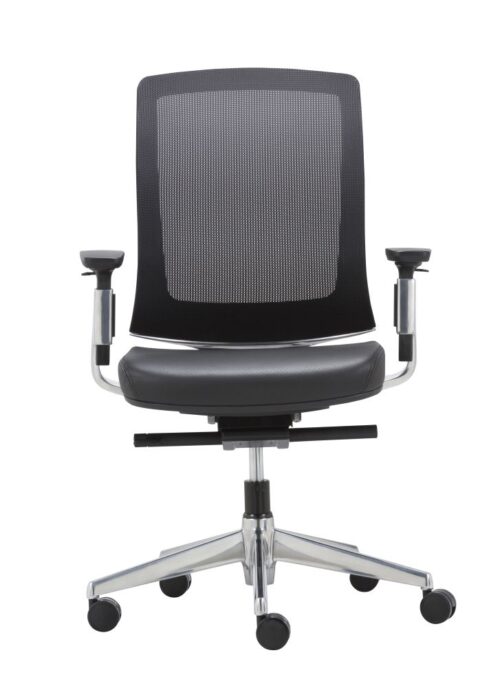
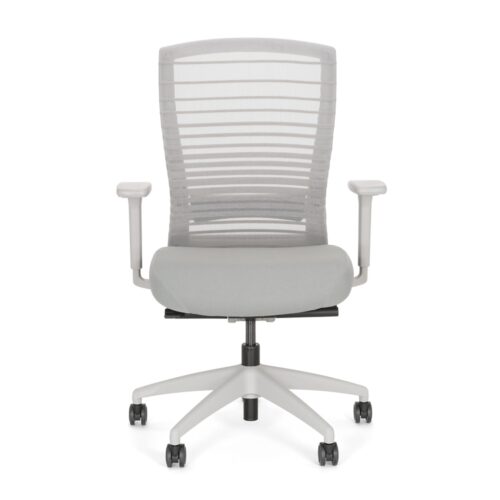
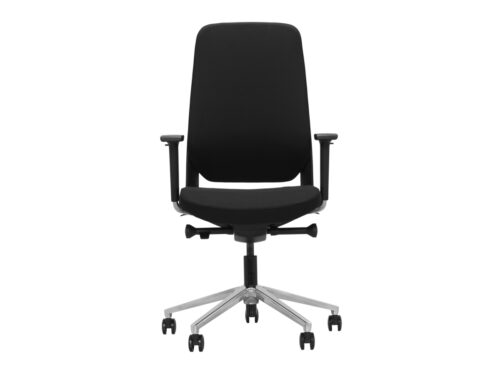
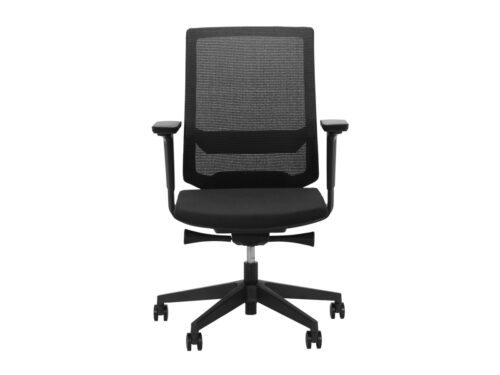
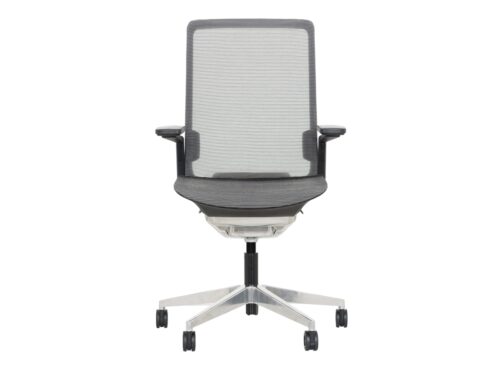
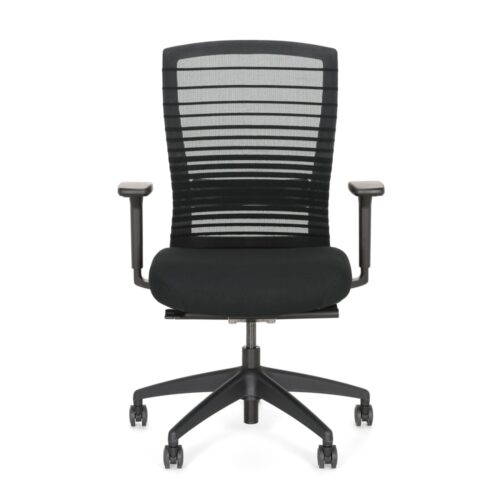
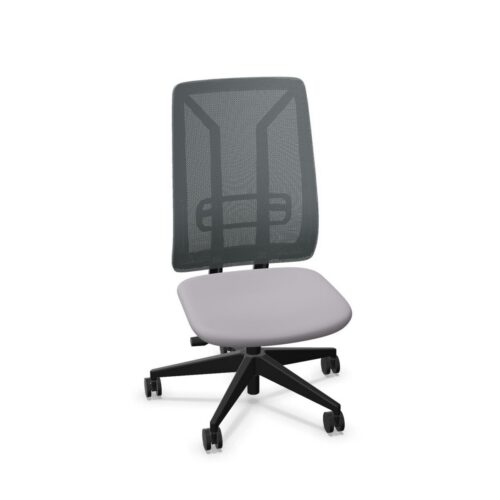
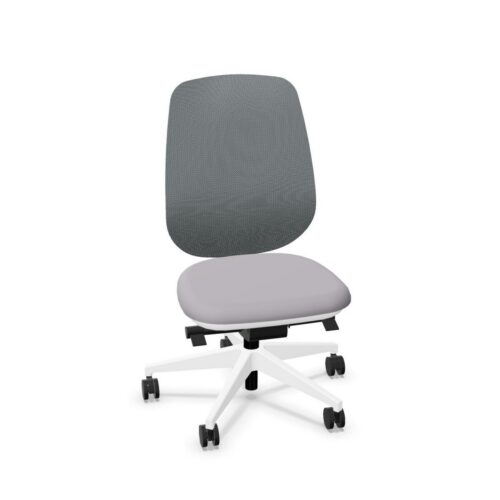
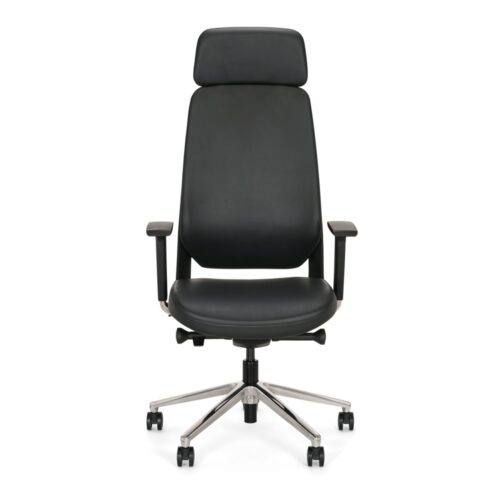
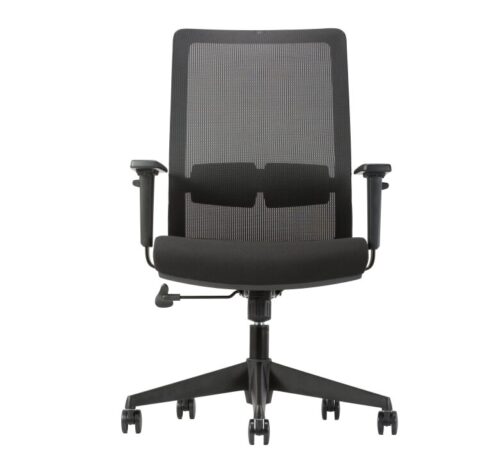
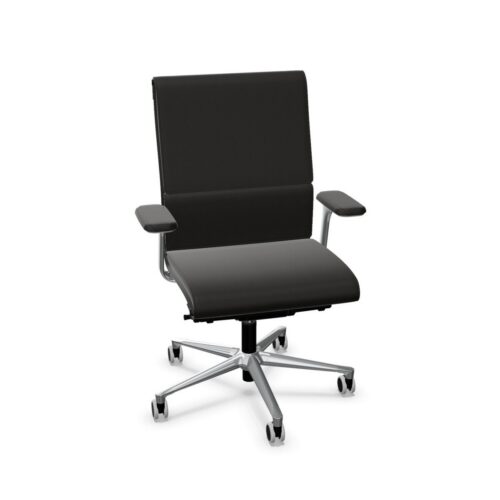
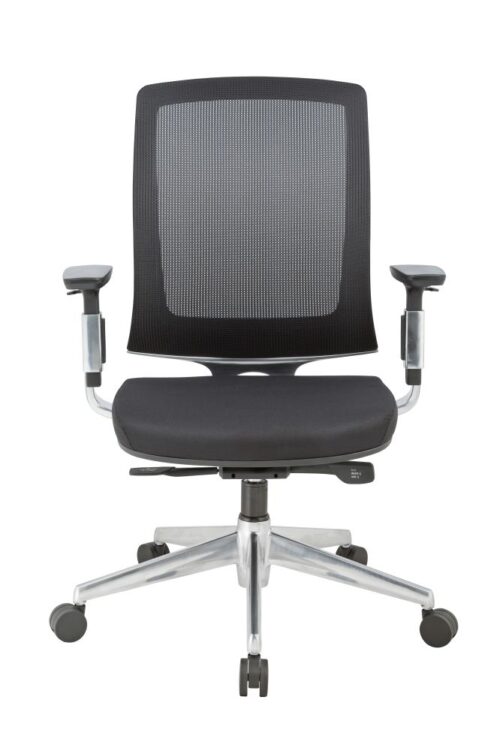
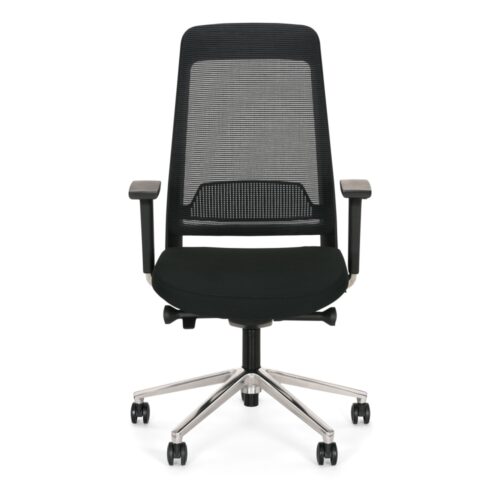
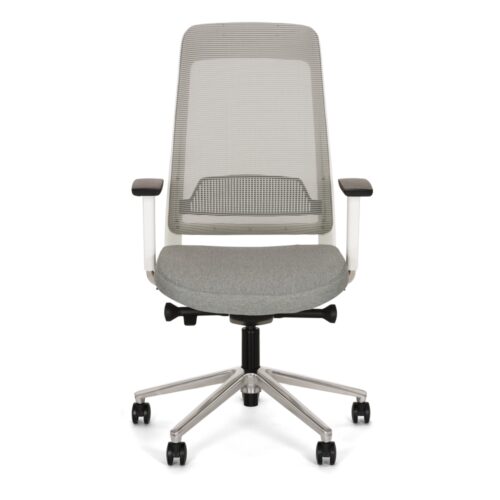
Browse the products in this EN 1335 selection when comparing office work chairs with a stated standards reference. For a complete workplace scheme, review the wider seating, desk and workspace categories alongside individual product specifications, and use the relevant category pages to assess furniture by function as well as by standards information.
Myntwork
Myntwork
Myntwork
Myntwork
Myntwork
Myntwork

Myntwork
Myntwork


Myntwork
Myntwork
Myntwork