


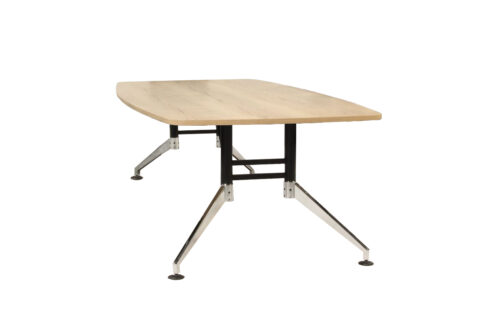
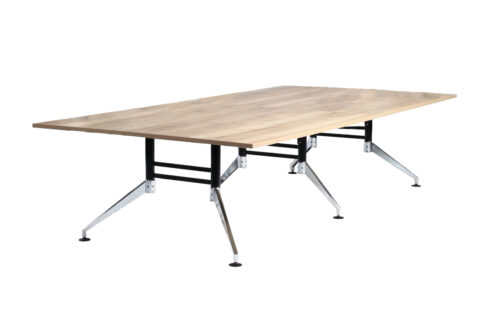
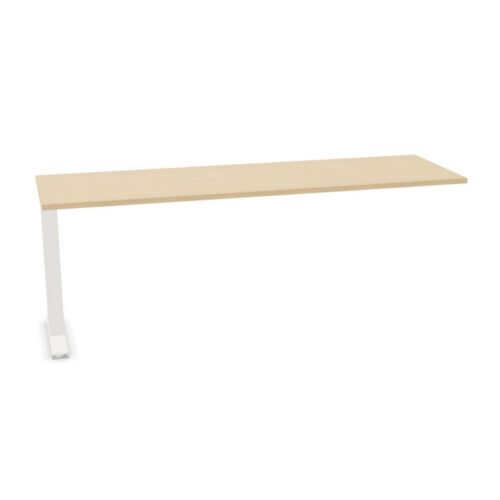
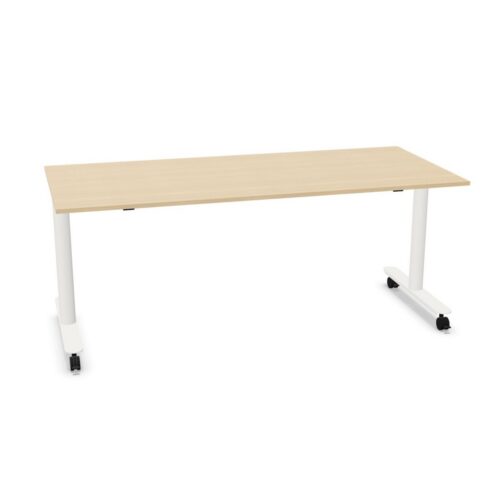
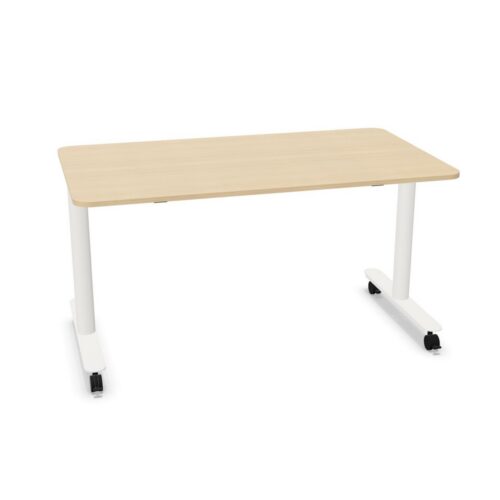
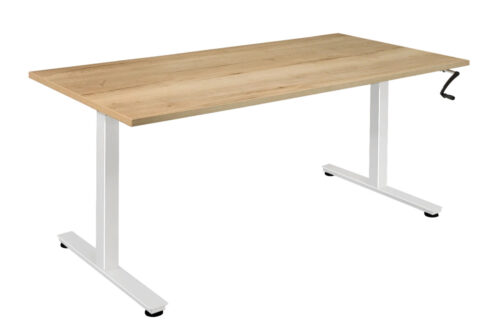
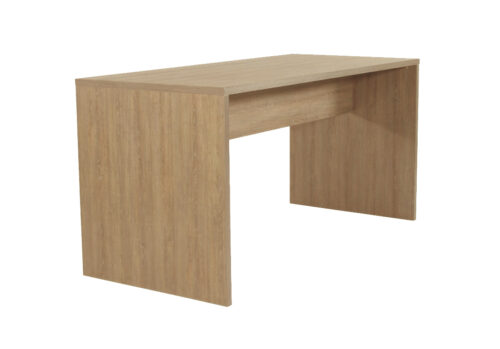
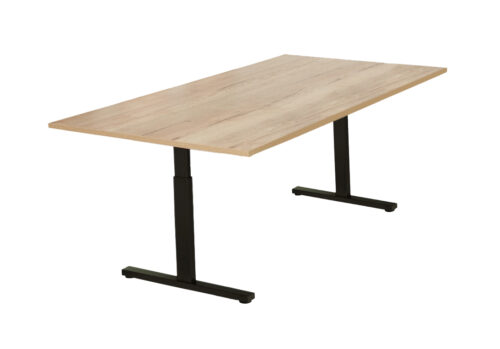
Straight blade table tops have a linear, rectangular plan shape, creating a familiar and efficient worksurface for individual tasks, shared offices and meeting settings. In this filter, the term describes the outline of the tabletop rather than its finish, edge profile, frame or base.
A straight blade format is a practical choice where furniture needs to align neatly with walls, run in banks or form clear rows. It can suit a wide range of workplace layouts, from focused desk positions to larger tables used for discussion, project work and everyday administration.
What does straight blade mean?
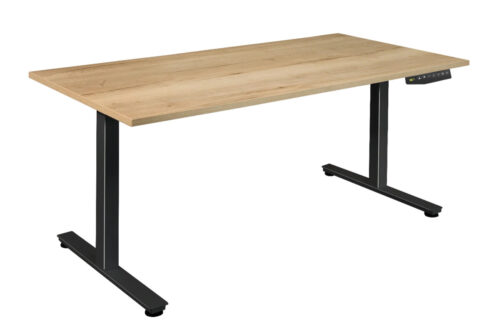
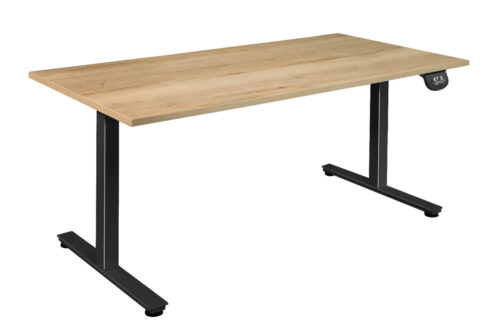
A straight blade top is generally a tabletop with straight front and rear edges, with straight sides creating a simple rectangular footprint. The shape makes the full depth of the worktop readily usable and provides a consistent edge line when several items are placed beside one another.
It is a plan-shape description only. Products shown under this value may differ in dimensions, materials, leg styles, cable-management options and intended use. Check each product specification to confirm the details needed for your project.
Why choose a straight blade tabletop?
Rectangular tops remain common in commercial interiors because they are straightforward to position and easy to incorporate into a measured floor plan. Their regular form supports orderly workstation layouts while giving users a predictable surface for screens, paperwork and shared equipment.
- They can sit flush against a wall or within a room perimeter.
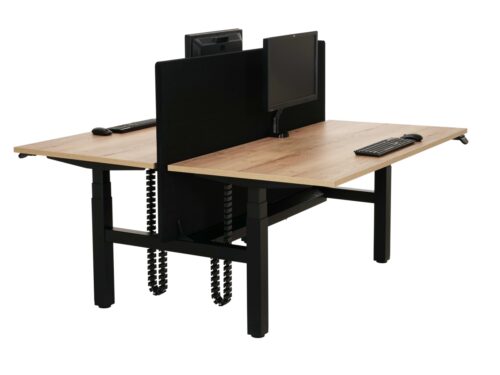
- They are suited to side-by-side desk runs and back-to-back workstation arrangements where compatible products allow.
- The straight edges can make it simpler to establish consistent aisle widths and circulation routes.
- They provide a familiar layout for meeting and collaboration tables.
- The shape can work in both formal office settings and adaptable project spaces.
For procurement teams, the uncomplicated footprint can also help when comparing dimensions across a larger furniture schedule. Width and depth remain important, however: two straight blade tops may have very different capacities and space requirements.
Suitable workplace settings
Straight blade furniture is useful wherever a clear, efficient arrangement is required. In open-plan offices, individual desks can be organised into regular clusters, with screens, storage and access routes planned around them. In private offices, a straight top can create a conventional desk position along a wall or near a window, subject to the room layout.
The same shape is also widely applicable to training rooms, touchdown areas and project spaces. A series of aligned tables may support teaching, temporary teams or reconfigurable work zones, depending on the table construction and the room’s operational needs.
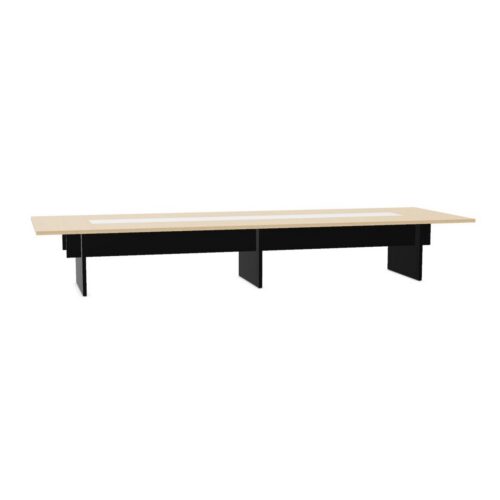
For more formal spaces, a rectangular plan can support a structured seating arrangement. Browse relevant conference tables when planning boardrooms, client meeting rooms or larger collaborative settings.
Desk and table applications
The straight blade shape appears across several furniture types. It is often associated with individual work desks, but it should not be assumed that every item in this archive is intended for the same task. Review the product category, dimensions and supporting components before specifying.
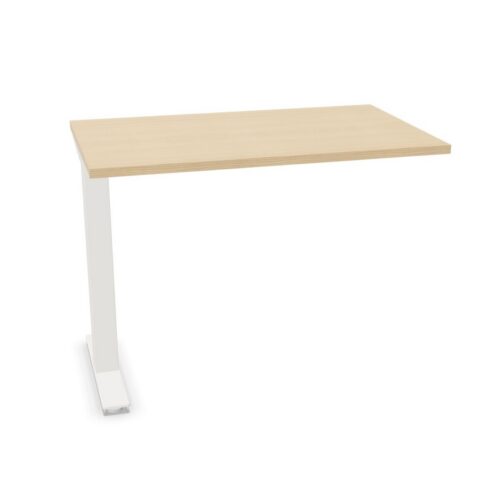
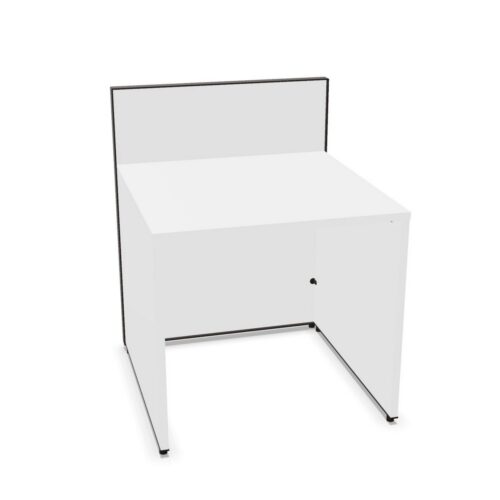
- Individual workstations: for dedicated desk positions in private or shared offices.
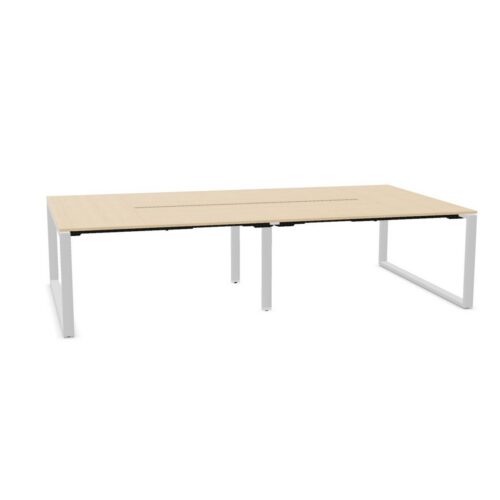
- Bench-style layouts: where compatible straight tops are combined to create organised runs of workspaces.
- Meeting tables: for face-to-face discussions, presentations and small group work.
- Training and multipurpose tables: where a straightforward surface supports writing, laptops and documents.
- Project tables: for teams that need a regular shared surface for ongoing work.
When the principal requirement is a personal workstation, the wider range of office desks can help narrow the selection by product type as well as top shape.
Planning a straight blade layout
Start with the available room dimensions and the number of users or seats required. A straight blade top can make efficient use of linear wall space, but a successful plan must also allow for chair movement, walkways, doors, storage and any equipment that projects beyond the tabletop.
For desk areas, consider whether people will work facing a wall, facing one another or in parallel rows. This affects privacy, access to power and visibility across the room. In meeting spaces, consider the required seating positions, access at the table ends and sightlines to displays or presentation walls.
It is also useful to coordinate the top shape with adjoining furniture. Matching widths or depths can produce a more coherent run, whereas intentionally varied sizes may better serve different roles within the same area.
How to select the right size and specification
Shape is only one part of the decision. Use the product information to assess whether a particular straight blade top is appropriate for its intended setting. Measure existing room features rather than relying on nominal plans, particularly in refurbished spaces where walls, columns and services may affect placement.
Questions to consider
- What width and depth are needed for the intended number of users and their equipment?
- Will the tabletop be used by one person, several people, or a changing group?
- Does the layout require desks to join, align or remain freestanding?
- Where will power, data leads and chargers be located?
- How much clearance is needed for chairs, access routes and nearby storage?
- Does the chosen product’s base configuration work with the proposed seating positions?
Confirm the actual dimensions, finish options and product-specific features on the relevant listing before finalising an order or space plan.
Comparing straight blade tops with other shapes
A straight blade top is often selected for its regular footprint, but other shapes may be preferable where the room or task calls for a different arrangement. Curved, wave or angled desk tops can alter the user position and may suit particular workstation layouts. Round and other meeting-table forms can encourage a different seating pattern and may be useful in compact collaboration areas.
Consider how the chosen shape affects usable surface area, access around the furniture and the relationship between people seated at it. In a room requiring repeatable rows or a clean perimeter, the straight blade format is often the most readily planned option.
Related Myntwork furniture ranges
Explore Myntwork’s office desks for individual and shared work settings, or view conference tables for meeting rooms and collaborative spaces. These category pages provide a useful next step when combining tabletop shape with the required furniture function, room capacity and workplace layout.
Myntwork
Myntwork
Myntwork
Myntwork





Myntwork
Myntwork