


Plastic cabinet doors provide a practical door-material option for workplace storage, enclosing the contents of cabinets while giving the unit a clean, functional finish. On this page, the filter refers specifically to the material used for the cabinet doors, rather than the cabinet carcass, handles, shelves or any other part of the product.
For procurement teams planning storage across offices, educational settings, studios, staff areas or shared workplaces, door material is one useful detail alongside cabinet dimensions, locking arrangements, internal layout and overall condition. Plastic doors can suit schemes where straightforward maintenance and a consistent appearance are important.
What does plastic mean for cabinet doors?
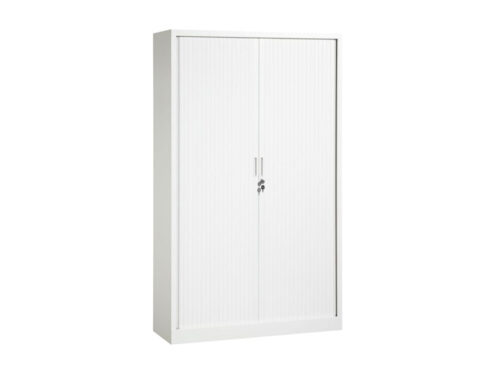
A plastic door is a door panel made from plastic or a plastic-based material. It is the visible moving part that opens and closes the storage compartment. The rest of the cabinet may be made from a different material, so it is useful to assess the full product specification rather than assuming that the whole unit has the same construction.
Door material can influence the cabinet’s appearance, day-to-day care and suitability for its intended location. It should be considered together with the door style, hinge arrangement, closure type and whether access needs to be restricted.
Why door material matters in workplace storage
Storage furniture is often selected for a long working life and used by many different people. Cabinet doors help keep supplies, documents, equipment and personal items out of sight, while also contributing to the visual order of a room. Plastic is a relevant filter when matching storage units to practical operational requirements.
- It helps buyers distinguish door finishes and constructions when comparing otherwise similar cabinets.
- It can support a coordinated look where plastic components are already used elsewhere in a workspace.
- It gives facilities teams a clear point to consider when setting cleaning and care routines.
- It allows project teams to separate cabinet-door requirements from choices about frames, bodies and worktops.
Door material alone does not determine a cabinet’s load capacity, security, fire performance, acoustic properties or resistance to particular substances. Those requirements should be checked against the individual product information and the needs of the site.
Where cabinets with plastic doors can be used
Cabinets with plastic doors may be considered wherever enclosed storage is needed and the selected unit meets the dimensions and functional needs of the area. In an open-plan office, they can be used to reduce visual clutter around shared supplies. In support spaces, they may hold consumables, stationery or items used by a team during the working day.
They can also be relevant in reception back offices, print areas, meeting-room stores, learning environments, workshops and staff facilities. The most appropriate location depends on the cabinet’s configuration and on how frequently doors will be opened. A low cabinet can potentially provide a useful surface in addition to storage, whereas a taller unit may make better use of vertical space.
Cabinet types to compare
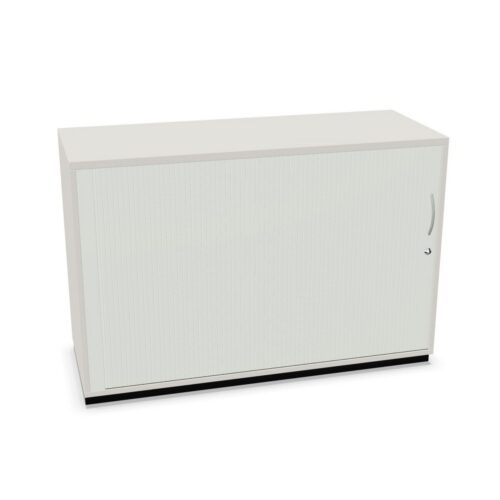
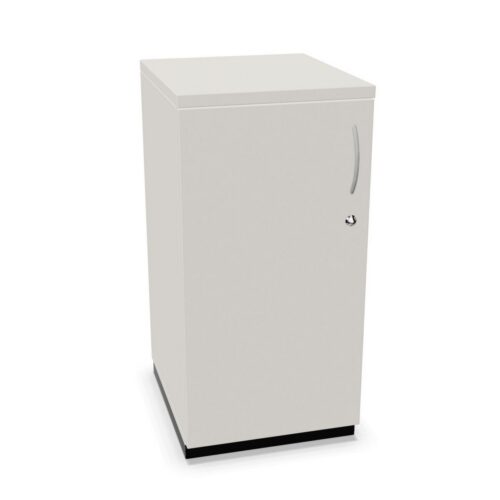
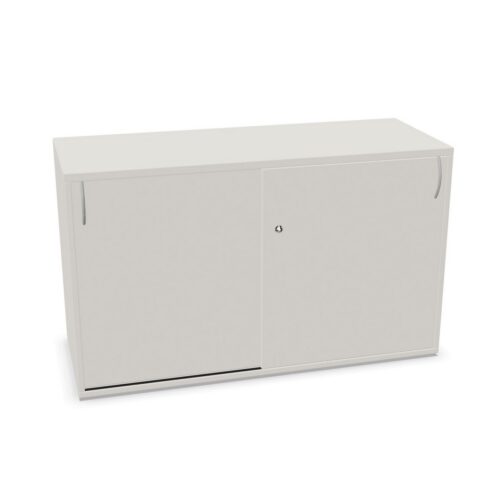
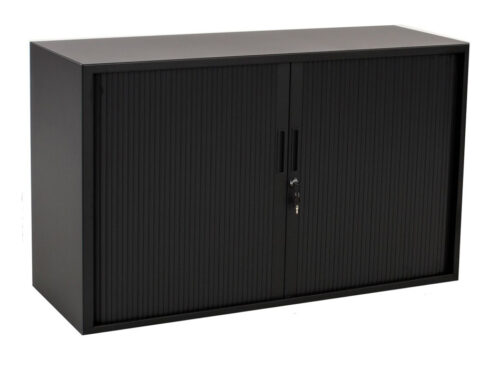
The plastic door material filter can return different forms of storage furniture. Comparing the complete cabinet format will help ensure the selected item works in the proposed setting.
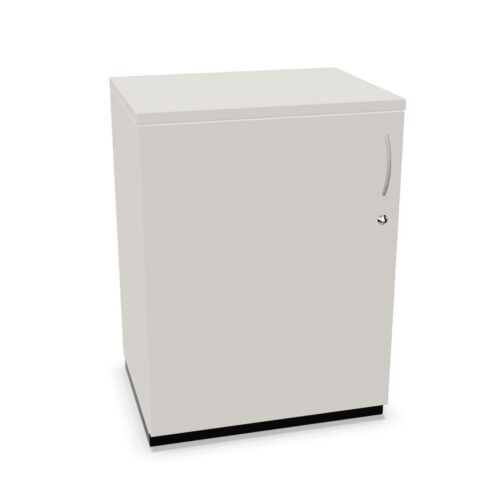
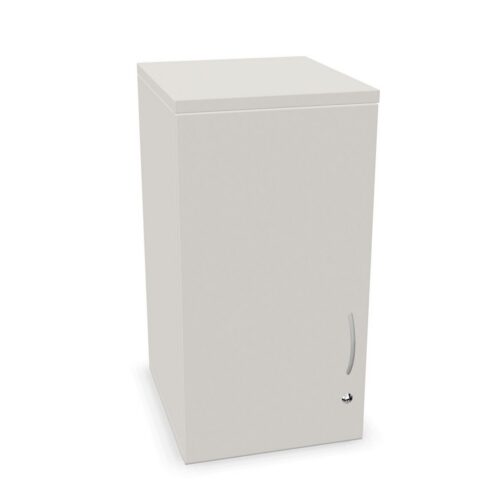
- Storage cupboards: suitable for general workplace supplies, folders or larger shared items, subject to their internal dimensions.
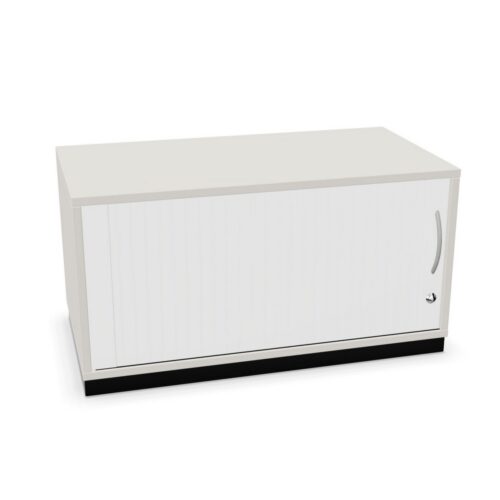
- Low cabinets: useful where storage is required beneath windows, alongside work areas or within a room layout with limited height.
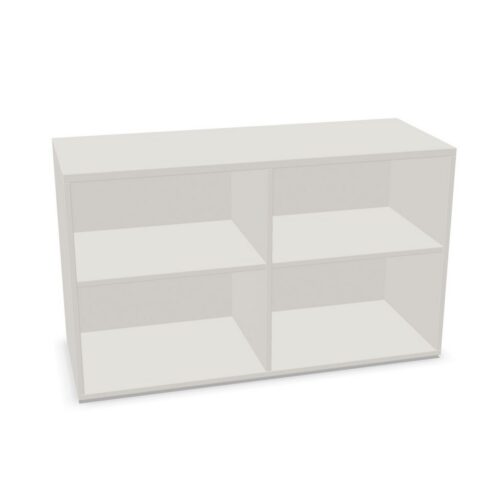
- Multi-compartment units: worth considering when teams need separate sections for different categories of equipment or materials.
- Mobile or compact storage: potentially helpful in flexible spaces, provided the individual product is designed for the required movement and use.
Check whether the cabinet has shelves, drawers, dividers or an open internal compartment. These details affect what can be stored efficiently and whether additional organisers will be needed.
Choosing plastic cabinet doors for a project
Start with the storage task rather than the material in isolation. List the items to be stored, their approximate sizes, the number of users and the intended cabinet location. Then review the product’s external footprint, internal capacity and access arrangement. This approach helps avoid selecting a cabinet that fits the aesthetic brief but not the operational one.
Where a workplace has a material palette, consider the relationship between the door surface and neighbouring desks, seating, flooring and wall finishes. Remember that a plastic door does not necessarily indicate the colour or material of the cabinet body. Product images and descriptions should be used to confirm the final appearance.
Questions to consider
- What needs to be stored, and how often will it be accessed?
- Is the cabinet intended for shared supplies, individual users or restricted items?
- Are locks, keys or another access arrangement required for the application?
- Will the unit fit the available width, depth and height without obstructing circulation routes?
- Does the internal shelf layout accommodate the items being purchased?
- How will the cabinet sit alongside existing furniture and finishes?
Care and longer-term use
Appropriate routine care helps storage furniture remain presentable and serviceable. Follow the care information supplied for the particular cabinet, including any guidance for the door surface, hinges, handles and locking components. Avoid assuming that one cleaning method is appropriate for every plastic formulation or finish.
In busy shared environments, it is sensible to include cabinets in regular checks for loose fittings, misaligned doors and signs of wear that may affect closure. Planning for repair, reuse and thoughtful reconfiguration can also form part of a more circular approach to workplace furniture. Our guidance on how to extend the lifespan of office furniture considers wider ways to keep furniture in use.
Planning a coordinated storage scheme
Cabinets rarely work alone. They are usually part of a wider setting that may include desks, meeting tables, seating, lockers and display or filing storage. When specifying several units, record the door material, cabinet size, handle treatment and access requirements so that alternatives can be compared consistently.
For broader project decisions, see our resource on choosing office furniture. You can also browse the wider office furniture collection to place plastic-door storage within a complete workplace scheme.







Myntwork