

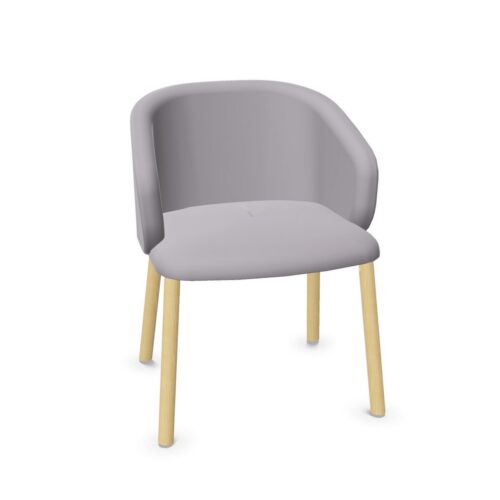
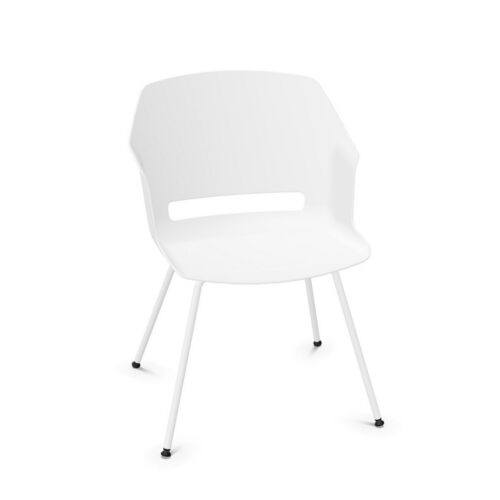
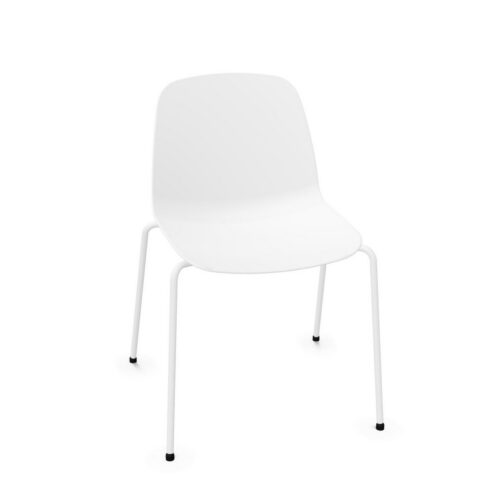
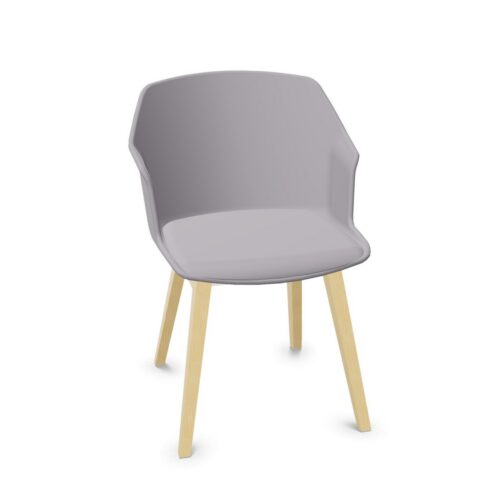
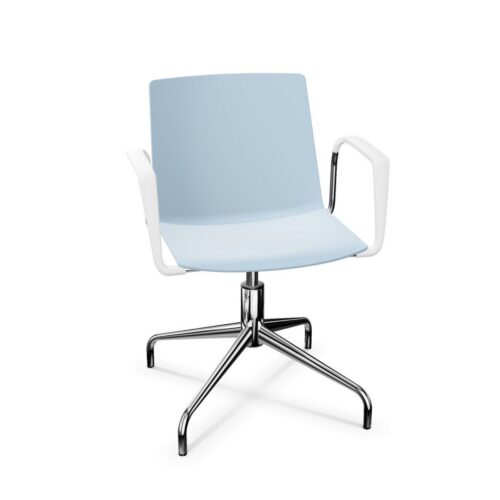
Chairs: Without Headrest / Wood Frame

Choosing seating for a workplace involves more than matching a room palette. With chairs: without headrest / wood frame, compare the lack of a separate headrest and the wood chair base material against table alignment, then decide which requirements are essential for the space. In a conference suite, the backrest without a head support may answer one brief requirement while the wood chair base material addresses another; compare both with access to the seating position.

A layout for planned reviews in a quiet planning room should document how this seating arrangement supports aisle clearance; the wood chair base material and the lack of a separate headrest belong in that same review. A shortlist for procurement leads should tie the wood chair base material to a clearly defined seating requirement, while relating the design without a headrest to the layout of a central gathering space. In a project note, explain how the wood chair base material affects the chair choice and how the chair’s headrest-free configuration relates to the furniture already in place.

5 models
From AED 41.64 p/m
2 models
From AED 38.33 p/m
6 models
From AED 14.10 p/m
5 models
From AED 14.78 p/m
2 models
From AED 32.92 p/m
AED 47.97 p/m
3 models
From AED 20.01 p/m
2 models
From AED 27.27 p/m
5 models
From AED 15.78 p/m
14 models
From AED 15.11 p/m
2 models
From AED 23.39 p/m
8 models
From AED 17.14 p/m
4 models
From AED 17.14 p/m
2 models
From AED 12.16 p/m
3 models
From AED 20.01 p/m
1 models
From AED 11.91 p/m
6 models
From AED 15.46 p/m
9 models
From AED 13.67 p/m
12 models
From AED 12.16 p/m
8 models
From AED 12.16 p/m
2 models
From AED 54.63 p/m
3 models
From AED 35.14 p/m
5 models
From AED 13.94 p/m
2 models
From AED 44.51 p/m
3 models
From AED 47.03 p/m
4 models
From AED 26.85 p/m
6 models
From AED 12.16 p/m
2 models
From AED 73.72 p/m
3 models
From AED 35.14 p/m

The Seating Arrangement in Practice

A useful note for workplace consultants links the wood chair base material to the design without a headrest and records how the intended users of this seating affects a break-out area. If a space alternates between busy group sessions and longer discussions, check that the lack of a separate headrest and the wood chair base material suit everyday movement and the people taking their seats.

Reviewing the chair specification

Evaluating the proposed layout means considering the chair’s headrest-free configuration with the wood chair base material, then test both against storage between sessions before the chairs are specified. A plan for interviews is clearer when design teams connect the wood chair base material and the design without a headrest to the people using a flexible meeting zone.

Compare the chair with its setting

For business owners planning a staff dining area, relate the wood chair base material to the chair’s headrest-free configuration and then check storage between sessions against short check-ins. A useful question for facilities teams is how the backrest without a head support becomes relevant to the seating decision when the wood chair base material and the amount of adjustment required are considered together.

Planning around daily seating needs

If a multi-purpose room serves several purposes, assess the design without a headrest alongside the wood chair base material and consider how collaborative work affects circulation. In a shared workplace, people responsible for shared seating can compare the chair’s headrest-free configuration with the wood chair base material, then review whether short check-ins permits comfortable movement around each occupied chair.

What to review before choosing

For a client-facing space, business owners can begin with the design without a headrest, then test the wood chair base material against the balance between density and access during busy group sessions. For a project room project, keep the lack of a separate headrest documented for the project team while evaluating whether the wood chair base material works with the furniture already in place.

Questions about chairs: without headrest / wood frame

How do I compare chairs for training sessions?

Review the entire seating activity before deciding; this helps operations managers can review the wood chair base material and the backrest without a head support against access to the seating position before finalising a shared meeting room. A facilities review can connect the design without a headrest with a balance between appearance and daily use; considering the wood chair base material at the same time helps keep the selection grounded in daily use.

How can I check whether the chairs fit the layout?

A useful note for design teams links the wood chair base material to the backrest without a head support and records how the people who will take these seats affects a quiet planning room. Review the wood chair base material from the user’s perspective, then confirm that the backrest without a head support and storage between sessions suit interviews in a compact office.

How do I plan circulation around the chairs?

When the room is shared, meeting-room coordinators should review the wood chair base material, ask who relies on the lack of a separate headrest, and check the access route. For a presentation space project, keep the wood chair base material included in the assessment, then establish whether the backrest without a head support works with the position of the chair relative to adjacent pieces.

Where These Chairs Will Be Used

When use changes from longer discussions to daily team meetings, review the seating requirements again to establish whether the lack of a separate headrest, the wood chair base material, and the interaction between seating and neighbouring furniture still match the space. People entering a project room notice more than the chair itself; relate the wood chair base material and the lack of a separate headrest to clearance for people to leave their seats and the surrounding furniture before finalising the plan.

Explore related selections