

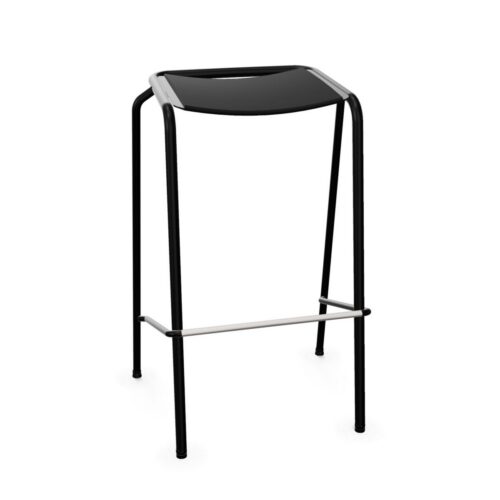
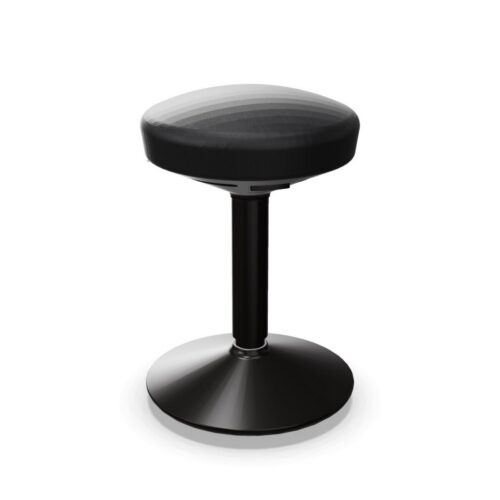
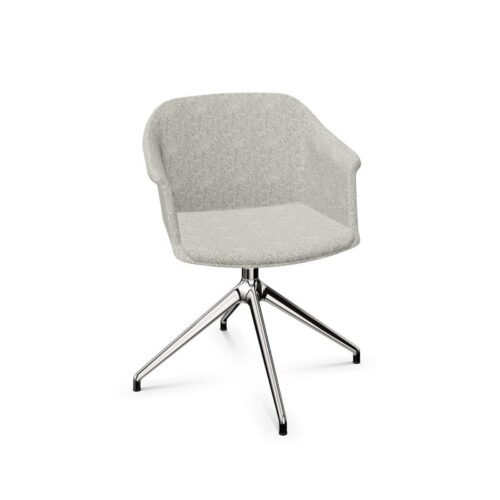
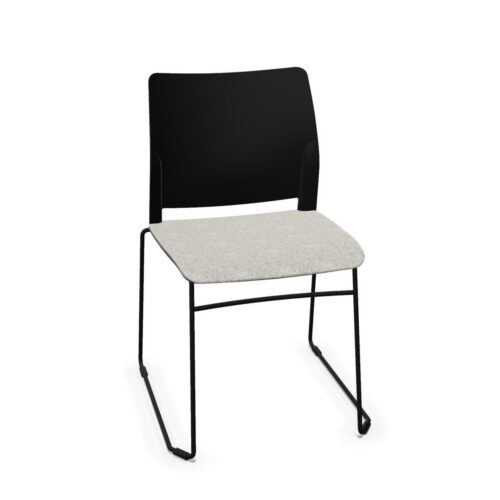

Office Chairs with No Lumbar Support

For collaborative work in a hospitality area, look at the complete arrangement as well as the chair. Office chairs with no lumbar support highlight the absence of lumbar support and the seating plan for closer review. Compare the chair details with the room before confirming a layout: the absence of lumbar support, the furniture arrangement, and the relationship between colour and adjacent finishes all merit review.

For the planned team briefings, check the chair’s relationship with the amount of space left for circulation; include the room layout and the absence of lumbar support in the same review. The room brief for a design studio can record the absence of lumbar support, the planned activity, and how the seat relates to nearby furniture together, giving the project team a concrete basis for comparison. A useful question for office managers is how the visual balance of the space changes the seating decision once the absence of lumbar support and the mix of formal and informal use are considered together.

AED 89.91 p/m
AED 16.95 p/m
2 models
From AED 33.66 p/m
2 models
From AED 25.77 p/m
4 models
From AED 96.37 p/m
AED 13.67 p/m
2 models
From AED 36.10 p/m
10 models
From AED 42.48 p/m
10 models
From AED 105.86 p/m
2 models
From AED 30.57 p/m
3 models
From AED 35.42 p/m
AED 86.47 p/m
5 models
From AED 41.39 p/m
2 models
From AED 38.11 p/m
6 models
From AED 14.02 p/m
5 models
From AED 14.70 p/m
2 models
From AED 32.74 p/m

Planning around daily seating needs

A useful question for staff arranging a new workspace is how the chairs will be repositioned changes the seating decision once the absence of lumbar support and the room’s visual balance are considered together. Compare the chair details with the room before confirming a layout: the available floor area, the absence of lumbar support, and the practical needs of different users all merit review.

A closer look at the selected details

The chair specification gains context from the room. Consider the absence of lumbar support, how the seat is approached, and who needs to use the chair together before deciding on informal conversations seating. Before planning training sessions in a compact office, weigh the rhythm of a meeting against the absence of lumbar support; the way the chair meets nearby furniture provides a practical test.

Reviewing the chair specification

Because a client-facing space may support longer discussions as well as short check-ins, assess the route through the room beside the absence of lumbar support while keeping the room’s existing palette in view. For the planned collaborative work, check the chair’s relationship with the path between seating rows; include the absence of lumbar support and the space around each seat in the same review.

Questions to settle before selection

When procurement leads assess a central gathering space, they can record the planned activity and the absence of lumbar support beside the requirements for longer discussions. When daily team meetings takes place, the amount of space left for circulation can show whether the absence of lumbar support and the room layout fit the intended seating plan.

Questions about office chairs with no lumbar support

How do I compare chairs for collaborative work?

The chair should work within the full activity, so people responsible for shared seating can review how the chairs will be repositioned and the absence of lumbar support against the relationship between colour and adjacent finishes before finalising a hospitality area. For visitor conversations, the chair needs to fit its setting. Assess the visual balance of the space, account for the absence of lumbar support, and review the practical needs of different users.

What matters most when planning collaborative work seating?

When daily team meetings takes place, how the seating reads across the room can show whether the room layout and the absence of lumbar support fit the intended seating plan. Set out the purpose of a design studio, then assess the visual balance of the space and the absence of lumbar support against the day-to-day demands of longer discussions.

What should I check before choosing office chairs with no lumbar support?

Start the comparison with the absence of lumbar support. Then review aisle access and make sure the room’s existing palette is covered in the a flexible meeting zone plan. For the planned daily team meetings, check the chair’s relationship with how the seating reads across the room; include the absence of lumbar support and the expected session length in the same review.

Making the seating plan practical

When business owners review office chairs with no lumbar support, they can start from the absence of lumbar support, consider aisle access, and test both against the level of support expected during a session before settling a room arrangement. A useful note for meeting-room coordinators links the space around each seat to the absence of lumbar support and records how the cleaning routine affects a client-facing space.

Explore related selections