
















Base the seating decision on the way the room is used
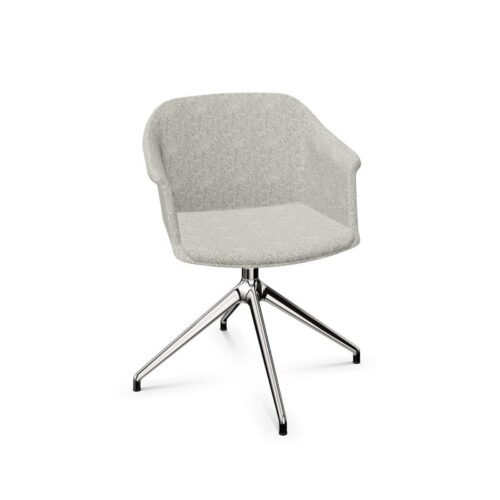
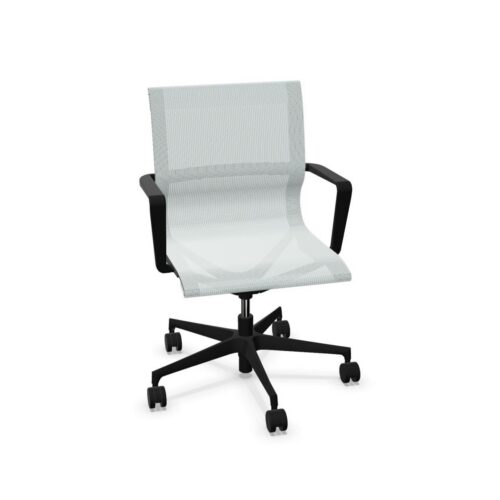
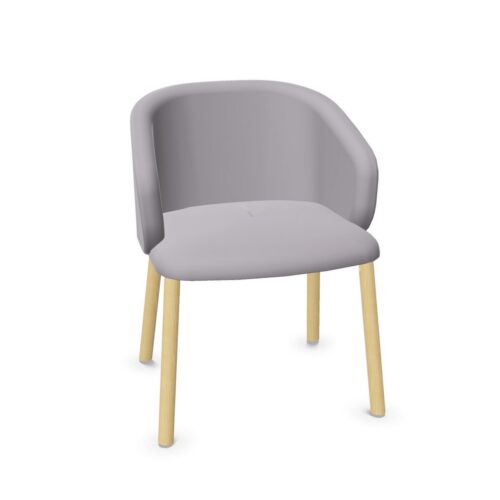
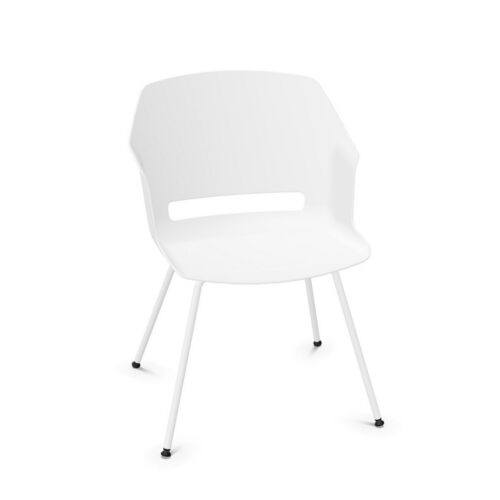
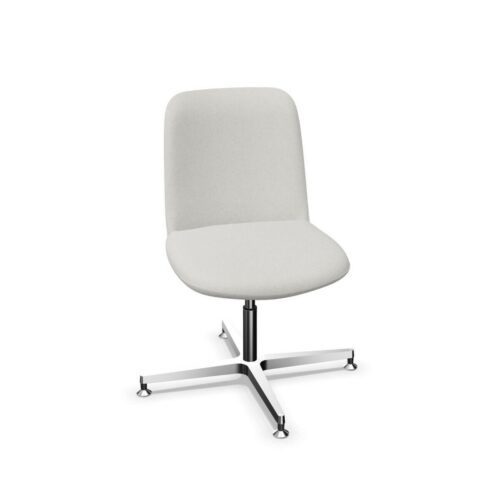
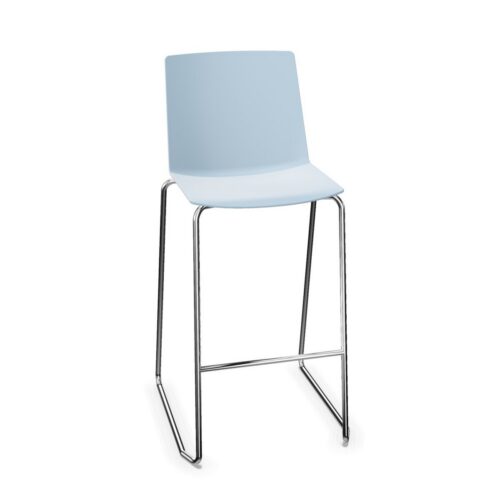
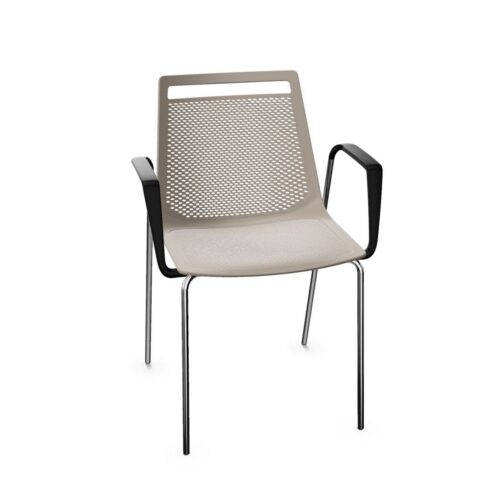
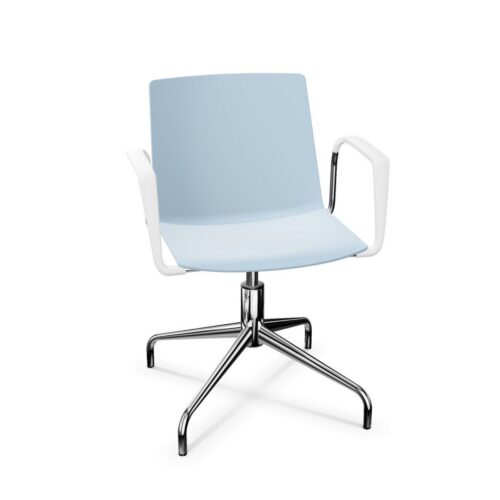
Check the chair specification against actual room use before settling the layout: the design without dedicated lumbar support, the aluminum chair base material, and the relationship between colour and adjacent finishes all merit review. For team coordinators planning a compact office, relate the design without dedicated lumbar support to the aluminum chair base material and then check the number of users who share the space against collaborative work.
Planning a useful workplace layout
A shortlist for business owners should tie the aluminum chair base material to the purpose of the seat and the backrest without a lumbar feature to the layout of a seminar space. A plan for visitor conversations is clearer when meeting-room coordinators connect the absence of a separate lumbar support feature and the aluminum chair base material to the people using a training area.
Reviewing the chair specification
For procurement leads planning a client-facing space, relate the aluminum chair base material to the backrest without a lumbar feature and then check how people enter and leave against busy group sessions. When rotating users takes place, the level of support expected during a session can show whether the aluminum chair base material and the absence of a separate lumbar support feature fit the intended seating plan.
Compare the chair with its setting
With workshops in mind, ask whether the design without dedicated lumbar support and the aluminum chair base material suit the users, then check that the planned chairs leave a workable route through an interview room. A useful question for staff arranging a new workspace is how the design without dedicated lumbar support can change which seating is appropriate when the aluminum chair base material and the room’s existing palette are considered together.
