

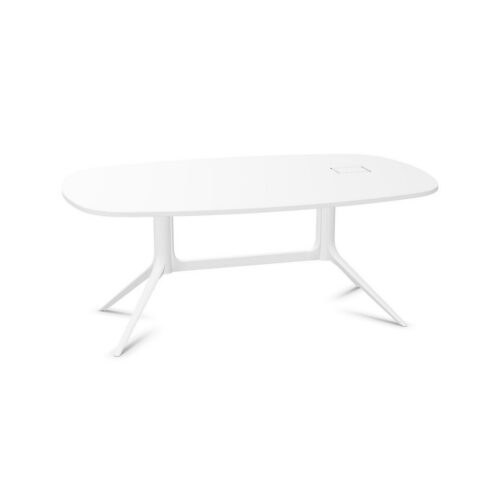
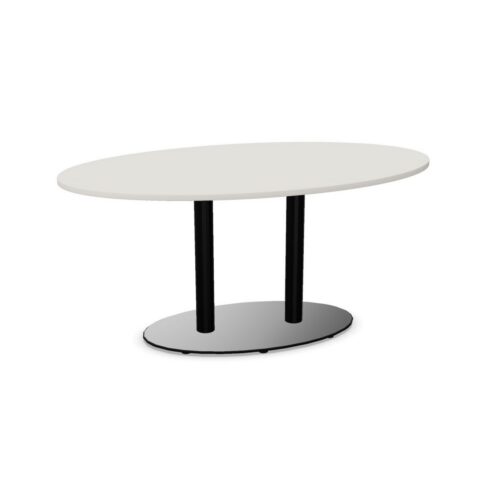
Elliptical Tops for Conference Room Discussion

Conference tables with elliptical tops bring a continuous curved outline to the meeting area. The shape creates a different relationship between seats along the sides and seats toward the ends, so the room arrangement deserves attention before chairs are positioned. Think about where people will look during discussion, how shared papers will be used and which routes need to remain clear when a meeting is underway.

An elliptical top can serve as the visual center of a conference room without establishing a sharp corner at each change of direction. That does not remove the need to plan circulation around occupied chairs. Position the table in relation to the entrance, presentation wall and other furniture, then review the curved perimeter from each intended seat. The most useful arrangement connects the tabletop outline with the actual habits of the team using the room.

10 models
From AED 197.60 p/m
7 models
From AED 108.55 p/m

Planning Around Conference Tables With Elliptical Tops

Begin with the route people take from the door to their seats. An elliptical outline has no tabletop corners, but the chairs and their occupants still define the working boundary of the meeting area. Keep the main approach away from places where someone needs to stand, turn or reach for a bag. Consider the table and occupied seating together when deciding its position. A clear route should remain usable during discussion, rather than only when chairs are tucked away. This is particularly relevant near the curved ends, where chair angles may differ from those along the sides.

Give Each Seat a Useful View

The curve changes the direction people naturally face as they move around the perimeter. For discussion, arrange chairs so participants can look toward one another without continually turning away from their work. If a screen is part of the room, assess the view from the ends as carefully as from the sides. A table aligned neatly with the room may still leave an awkward viewing position. Start with the meeting's main activity, then decide whether the table should follow the presentation wall or another room feature. Keep shared reference material where it can be discussed without constant passing.

Compare the Curve With Other Outlines

Conference tables with elliptical tops are worth considering when a continuous curve suits the room's circulation and visual layout. Compared with a rectangular outline, the absence of corners changes where chairs can be placed and how the ends relate to nearby furniture. It does not establish how much working space each person will have. Review the actual perimeter and intended chair positions together. If the room regularly supports paper reviews, consider where documents will sit during discussion. If conversation is the priority, focus on participants' facing directions and the ease of making eye contact across the table.

Relate the Table to the Whole Room

Use the elliptical outline as a reference when positioning storage, presentation equipment and visitor seating. Avoid creating a narrow passage between a curved end and a nearby cabinet that needs to open. Also consider what happens when someone leaves midway through a meeting: the route should not depend on others moving their chairs. Check the arrangement with everyday items present, including coats and work bags. Keep these outside the main circulation route. The goal is a room in which the curved tabletop, seating and supporting furniture make sense together throughout the meeting, including arrival and departure.

FAQ About Elliptical Conference Tables

Does an elliptical top remove the need for circulation space?

No. The top has a continuous curve, but occupied chairs still require room around them. Review routes with people seated and allow for someone standing or leaving. An empty room gives an incomplete picture of how the arrangement will work.

Where should the table face in a presentation room?

Use the presentation wall as a starting point, then assess each intended seat. Conference tables with elliptical tops have changing seating angles around the perimeter, so an orderly room alignment alone does not establish a useful view for everyone.

What should guide the final chair arrangement?

Let the meeting activity guide it. Discussion needs comfortable facing directions, while document work needs usable tabletop space at each seat. Review both together, paying particular attention to the transition between the side positions and the curved ends.

Explore related selections