

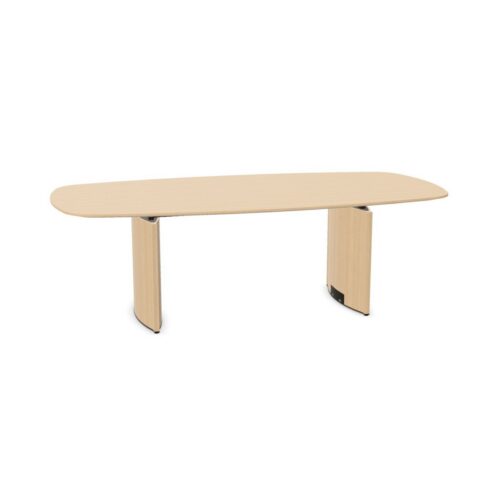
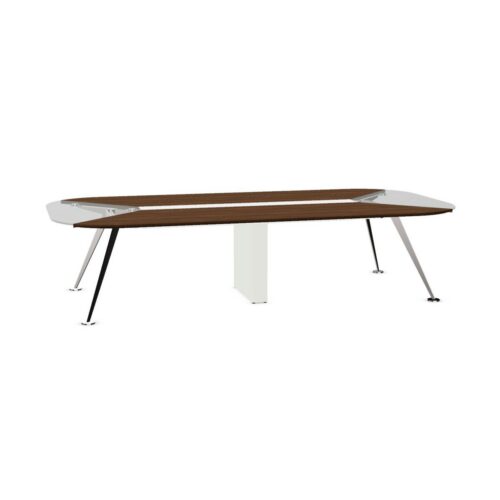
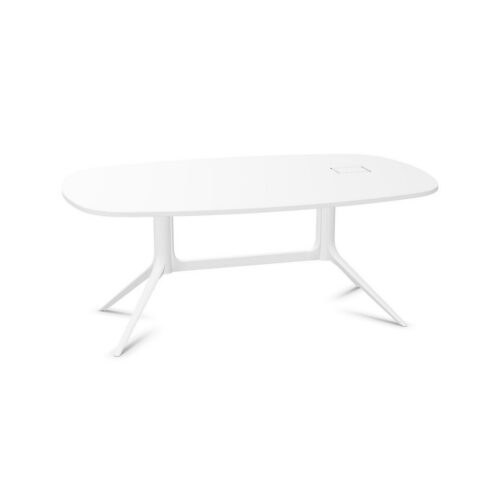
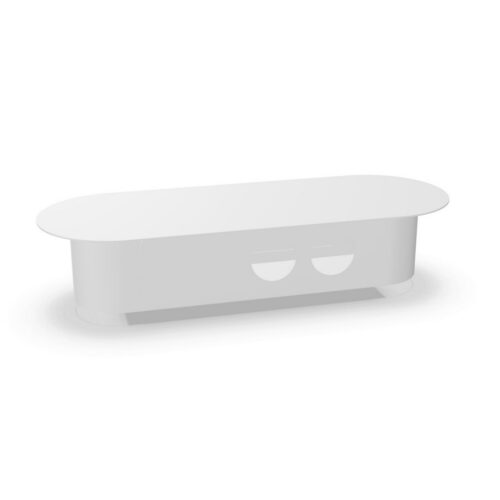
Oak Oval Tables for Shared Meetings

Conference tables with oval tops and oak tops pair a curved meeting outline with an oak tabletop. Both choices influence how the table belongs in the room: the outline guides seating relationships, while the material can be considered alongside existing wood furniture. Begin with the room’s working pattern and its established interior elements. Oak does not establish a particular color or construction, and an oval shape does not prescribe a fixed seating arrangement.

Oval oak conference tables can become the organizing surface for discussions involving individual notes and shared reference material. Plan where those activities take place before arranging furniture around the perimeter. Give the curved ends a clear purpose and preserve access behind occupied chairs. Review the actual oak surface against neighboring furniture under the room’s normal lighting. A successful arrangement connects those visual decisions with the way colleagues arrive, work together and leave the room.

8 models
From AED 127.00 p/m
30 models
From AED 67.63 p/m
10 models
From AED 121.18 p/m
10 models
From AED 198.77 p/m
31 models
From AED 105.47 p/m
AED 39.26 p/m
5 models
From AED 228.53 p/m
9 models
From AED 181.71 p/m

Place conference tables with oval tops and oak tops

Consider where the table should sit in relation to the entrance, existing furniture and the room's main working area. The oval perimeter gives the central surface a curved outline, but it still needs a deliberate relationship with straight walls and storage fronts. Start with the occupied arrangement so that chairs are included from the outset. Then compare the oak tabletop with the surfaces that will remain nearby. A considered placement addresses both questions together: how the furniture relates visually and how participants will approach and use it. Neither the material nor the outline can resolve those decisions on its own.

Build a coherent relationship between wood surfaces

When the room already contains wood furniture, decide whether the meeting tabletop should closely coordinate with it or introduce a visible difference. Compare the actual oak surface rather than relying on the material name to predict a match. View it alongside storage, doors and chairs, paying attention to the room as a whole. Oval oak conference tables can establish a distinct central shape even within a closely coordinated interior. Keep that shape visible in the arrangement by avoiding unnecessary furniture immediately around the perimeter. The aim is a readable relationship between the table and its surroundings, supported by direct visual comparison.

Make end seating part of the discussion

People seated at the curved ends should have a clear role in the meeting rather than feel added around its edges. Review how they face colleagues, where they place notes and how shared papers reach them. If the room uses a presentation display, check those views separately from conversational sightlines. An end may also be better left clear when the entrance or a walking route requires access nearby. Choose the arrangement according to meeting tasks, not the expectation that every part of the perimeter must carry a chair. Revisit the plan with participants seated before treating it as settled.

Organize papers without losing a shared work area

A meeting can become difficult to follow when personal notes, reference packs and active documents spread across the same surface. Give each type of material a recognizable place. Keep individual work close to its owner and identify the area used for the document currently under discussion. Around an oval tabletop, review access from the ends as well as the sides. Pass material where that is more practical than expecting participants to reach across. Leave unused documents off the active surface when possible. This keeps the oak tabletop available for the exchange of information that gives the meeting its purpose.

Questions about oval oak conference rooms

Does an oak tabletop require matching chairs?

No particular chair material is established by this combination. Consider the actual oak surface alongside the chairs and surrounding furniture, then choose a coherent visual relationship. Matching every material is optional; the useful comparison is how the complete arrangement appears and functions in the room.

How should the curved ends be used?

Assign them according to the meeting routine. They may support active seating or shared materials, while an end beside a circulation route may need to remain clear. For oval oak conference tables, review each end individually rather than assuming both should serve the same purpose.

Where should the table sit relative to storage?

Allow access to storage without forcing people through occupied seating positions. Consider cabinet doors and the route taken by someone retrieving papers during a meeting. The table's oval perimeter belongs within that circulation plan, even where its curved edge faces the storage area.

For conference tables with oval tops and oak tops, map the intended seats before deciding how the table will sit within the room.

Keep conference tables with oval tops and oak tops in view while comparing placement, access and the surrounding interior.

Explore related selections