


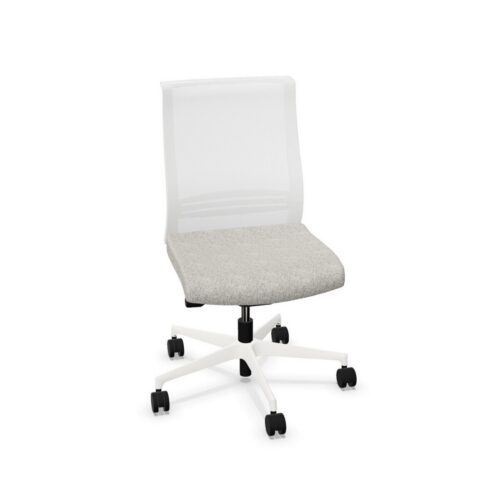

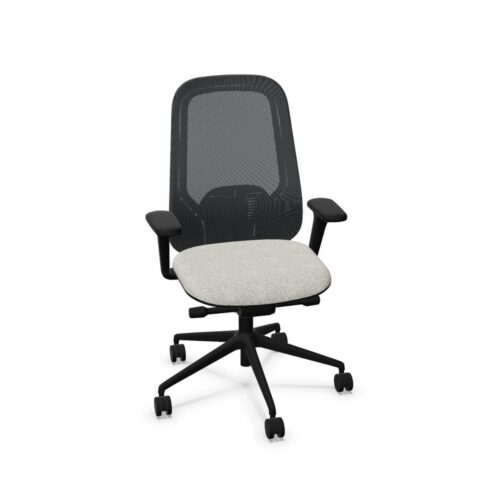
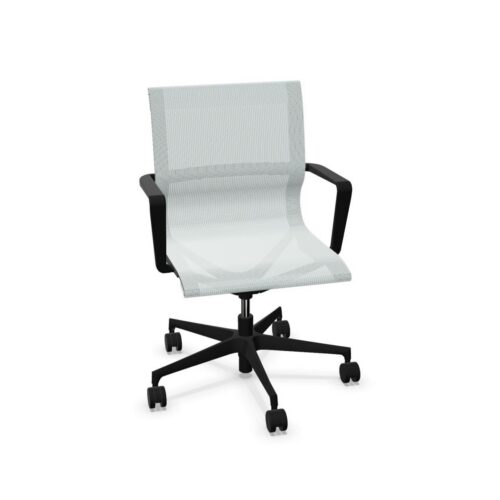
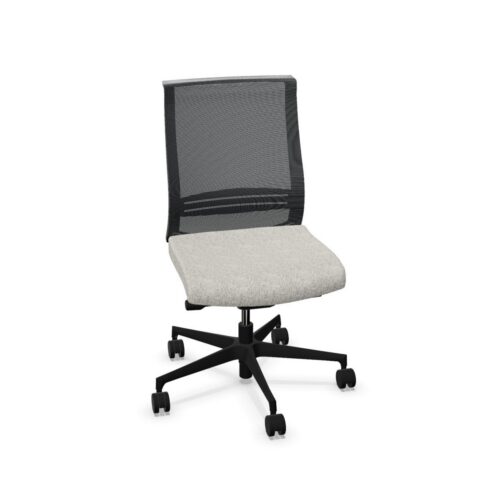

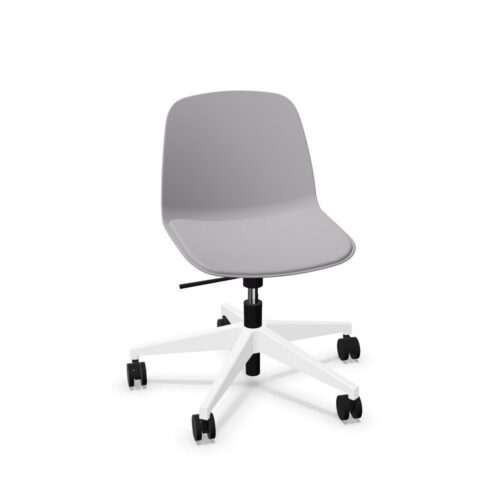

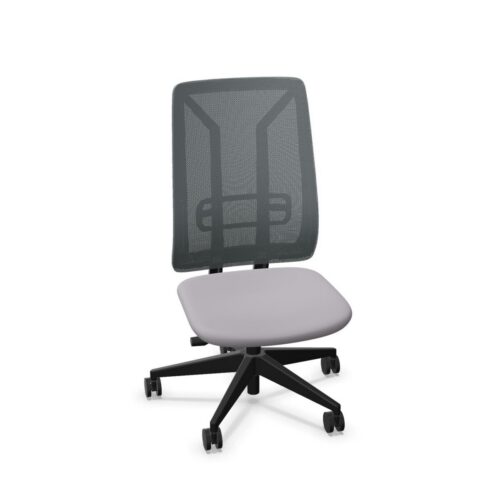


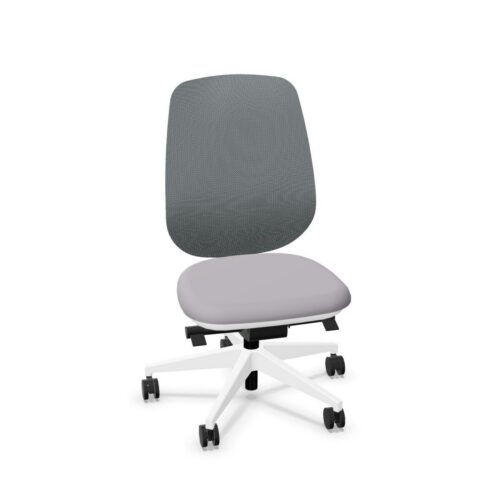

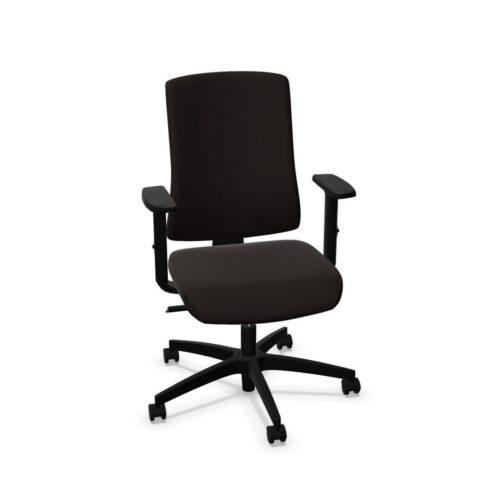



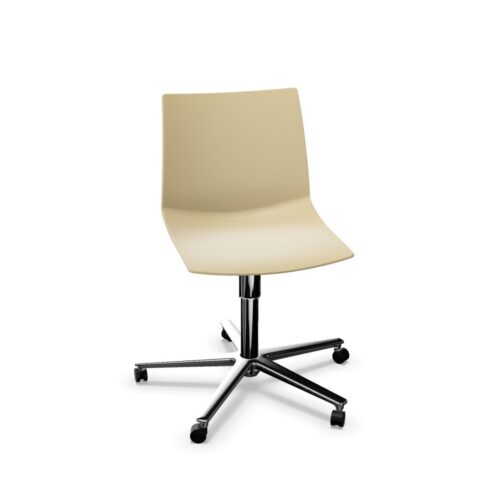
Plan movement around the whole chair
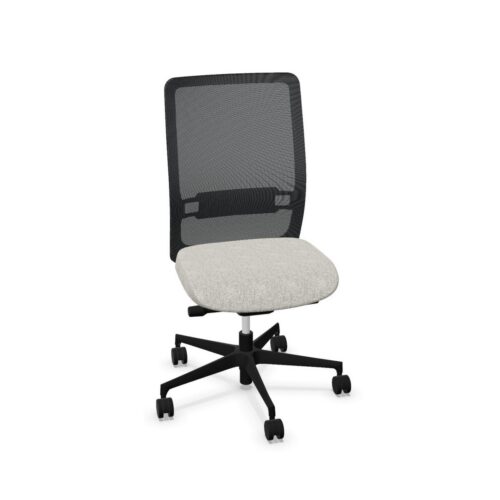
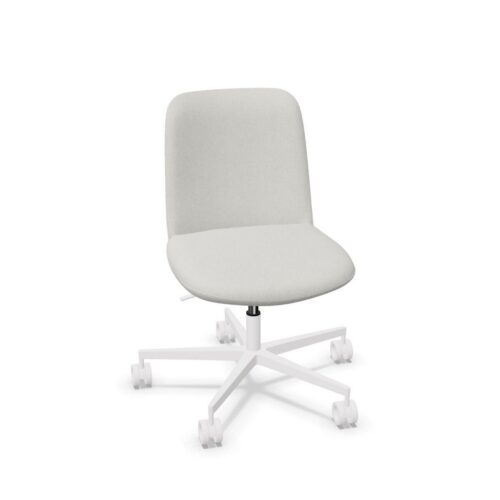
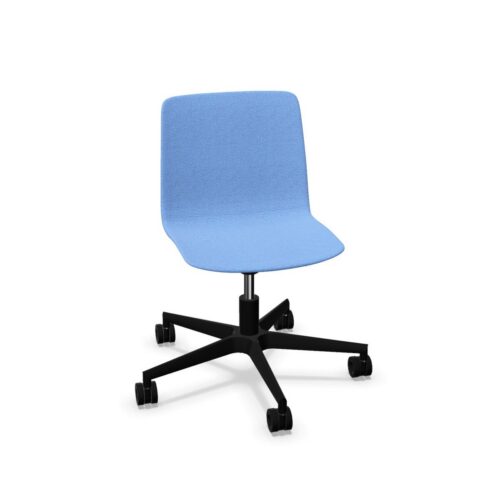
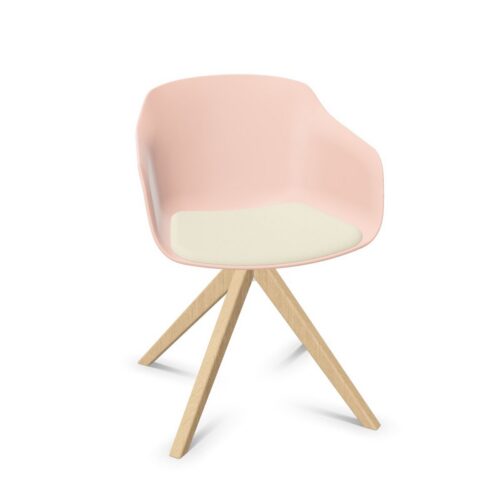
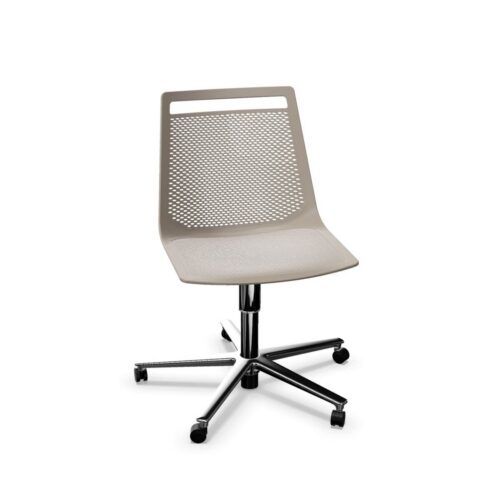
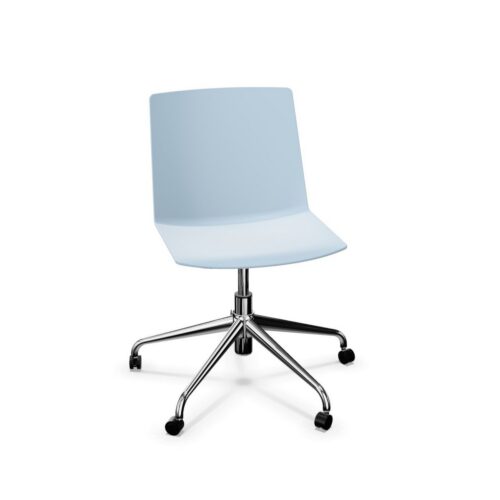
Start with the route into and out of the seat. Armless office chairs without headrests have no armrests alongside the user, but their overall footprint still needs checking. Measure the available space between desks, nearby furniture and any circulation route. Observe a person pulling the chair out and returning it to a working position. Include bags, desk pedestals and other objects normally present in the room. This turns a general impression of openness into a practical assessment of access, while avoiding assumptions about chair width based solely on the absence of arms.
Locate support during desk work
Ask users where they place their forearms while typing, reading or writing. With no chair armrests, that position depends on the person and the workstation arrangement. Assess the distance to the keyboard, the usable desk surface and the position of the shoulders during ordinary tasks. Office chairs should be evaluated with the equipment people actually use, including any items that occupy the front of the desk. A clear desktop in a demonstration may create a different impression from a working desk with documents, input devices and personal equipment in regular use.
