

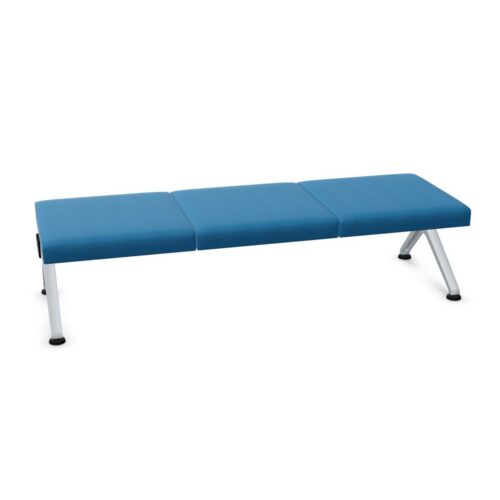
Lounge Furniture With Plastic Upholstery and Aluminum Bases

lounge furniture with plastic upholstery and aluminum bases brings two material choices into the same lounge setting. For a workplace reception area or shared waiting space, the useful starting point is how the upholstered body relates visually to the base. Consider if you want the upper section to lead the composition or whether the aluminum base should remain equally noticeable. Neither material determines the color, surface appearance, or seating experience, so assess those qualities separately.

Plan the furniture from the main approach into the room as well as from the seated position. A base that appears discreet from the front may become more prominent beside a walkway. Compare the relationship between the furniture, surrounding floor, and nearby architectural details before settling on an arrangement. This combination is most clearly assessed through its overall outline, the transition between materials, and the space left around each piece.

35 models
From $35.08 p/m
79 models
From $49.49 p/m
2 models
From $51.76 p/m

Planning lounge furniture with plastic upholstery and aluminum bases

Begin with the view visitors encounter when entering the lounge. The plastic upholstery establishes one part of the furniture's appearance, while the aluminum base establishes another. Decide whether these should read as a clear contrast or a quieter pairing. Review the actual colors and finishes before making that judgment; the material names alone do not establish either effect.

Then inspect the same relationship from adjacent areas. A lounge beside an open corridor is seen from several directions, so the side and rear views deserve the same attention as the front.

Relate the base to the surrounding floor

The floor provides the immediate background for an aluminum base. Compare their tones under the lighting used in the room, including any daylight that reaches the seating area. Look for a relationship that makes the furniture's outline easy to understand without drawing attention away from the wider interior.

Keep this assessment separate from assumptions about surface behavior. Aluminum does not establish a particular sheen, and plastic upholstery does not establish a particular texture. Use confirmed finish information and representative samples wherever possible.

Arrange groups around real routes

When arranging lounge furniture with plastic upholstery and aluminum bases, start with the path between the entrance, reception point, and onward destination. Position seating groups so that approaching visitors can understand where to sit without crossing through an occupied conversation area.

Study the base outline alongside the upper body. Both contribute to the space a piece occupies, but neither should be judged from a front view alone. Compare proposed positions on a room plan and check them against the actual surroundings. Include the routes people take when leaving a seat, joining a group, or moving past it.

Compare details without assuming shared features

For a focused comparison, review the meeting point between upholstery and base, the amount of base visible, and the relationship between the back and lower structure. These details help explain why two pieces using the same materials may suit different interiors. Record which visual qualities matter to the project before assessing individual designs.

Where several pieces will share a room, choose a consistent principle rather than expecting identical appearances. You might repeat an upholstery tone or maintain a similar degree of base visibility. Confirm the actual construction and care instructions independently; the selected material combination does not establish those details.

Frequently asked questions

Does an aluminum base always look bright?

No. Aluminum identifies the base material, but its visible appearance depends on the specified finish. Assess the actual surface alongside the upholstery and floor before deciding how prominent it should be.

What should be checked in a corridor-side lounge?

Review the furniture from the direction of approach and from the side. Check how the base outline relates to the passing route, and keep the route legible when the seating area is occupied.

How can different pieces form one coherent group?

With lounge furniture with plastic upholstery and aluminum bases, repeat a deliberate visual relationship across the group. Similar tones or a consistent balance between the upper body and base can guide the composition without requiring identical forms.

Explore related selections