


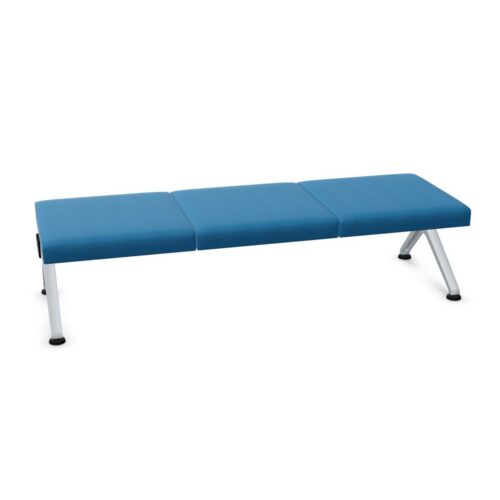
Assessing lounge furniture with plastic upholstery and silver bases
Begin by identifying what silver means in the actual finish being considered. Compare its visible tone and surface appearance with the upholstery rather than assuming a bright or reflective result. A silver base can only be assessed accurately through the specific appearance presented.
View the combination against the intended floor and background. The same base may appear more noticeable against one surface than another. This relationship helps determine whether the lower structure will act as a clear visual detail or remain secondary to the upper body.
Coordinate silver details selectively
Look across the interior for established silver-colored elements. Choose the references that are visually significant from the lounge, rather than trying to coordinate every small detail in the room. Compare actual appearances where consistency matters.
Different silver tones do not automatically conflict, but their relationship should be considered. Decide whether a close visual connection is part of the scheme or whether the furniture should stand apart. Keep this decision grounded in visible finishes; a silver appearance does not identify the base material or its treatment.
Give the upholstery an equally clear role
With lounge furniture with plastic upholstery and silver bases, the plastic upholstery remains a separate part of the composition. Assess its actual color and surface appearance alongside the base. Consider whether the pairing creates the intended emphasis when seen from the entrance and across the room.
For a group of pieces, establish which relationship should repeat. Similar upholstery appearances may connect the upper sections, while related silver finishes connect the bases. Review both together, since consistency in one area does not guarantee a coherent overall result. Look at the arrangement as a whole before judging individual details.
