

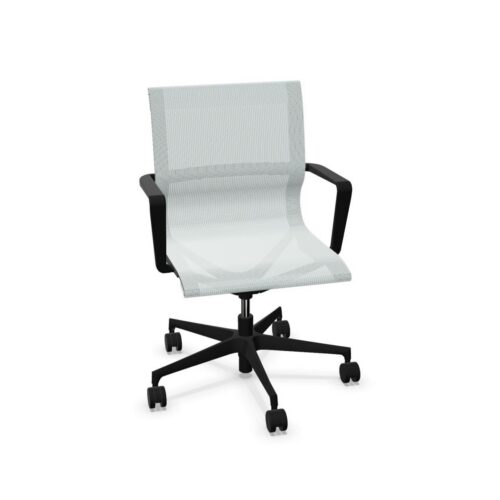
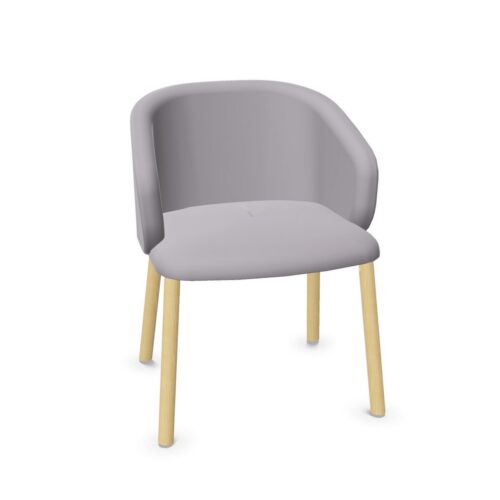
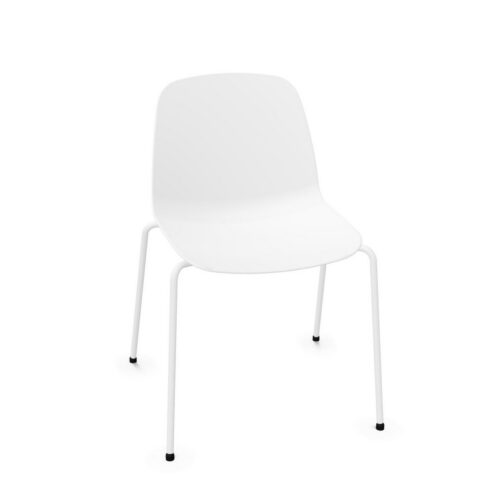
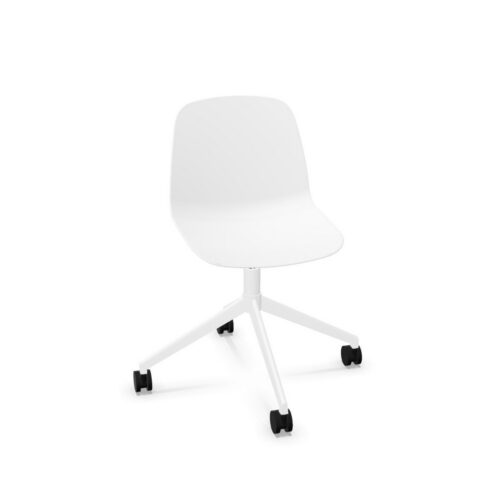
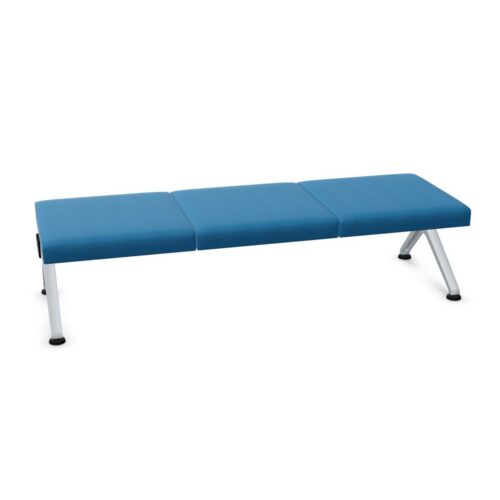
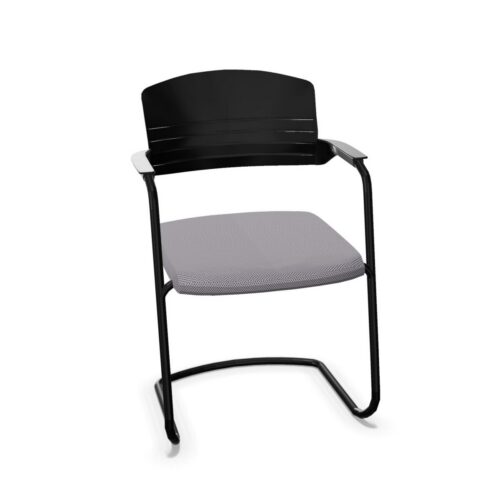
Chairs: Without Headrest / Silver Frame

Set the chair requirements before arranging a quiet planning room. Chairs: without headrest / silver frame help focus the comparison, while the chair’s headrest-free configuration and the silver chair base material need to work in context. A plan for collaborative work is clearer when staff arranging a new workspace connect the design without a headrest and the silver chair base material to the people using a multi-purpose room.

In a project note, explain how the design without a headrest affects the chair choice and how the silver chair base material relates to the position of the chair relative to adjacent pieces. In a shared workplace, design teams can compare the lack of a separate headrest with the silver chair base material, then review whether planned reviews gives users space to stand and turn. Before planning rotating users in a boardroom, weigh the silver chair base material against the lack of a separate headrest; the practical needs of different users provides a practical test.

10 models
From £8.65 p/m
5 models
From £8.43 p/m
5 models
From £2.99 p/m
28 models
From £22.88 p/m
79 models
From £26.32 p/m
13 models
From £5.68 p/m

Making the seating plan practical

Document the intended activities within a shared meeting room, then assess the silver chair base material and the chair’s headrest-free configuration with reference to regular work carried out by shared meals. For a flexible meeting zone project, keep the silver chair base material recorded as a requirement and assess whether the chair’s headrest-free configuration works with the mix of formal and informal use.

Reviewing the chair specification

Before planning rotating users in a quiet planning room, weigh the silver chair base material against the chair’s headrest-free configuration; the way the chair meets nearby furniture provides a practical test. People arranging a collaborative workspace should clarify the seating tasks before assessing how the silver chair base material and the lack of a separate headrest contribute to the brief.

The Seating Arrangement in Practice

Identify the main seated tasks in a central gathering space, then assess the chair’s headrest-free configuration and the silver chair base material taking account of the normal tasks of formal presentations. A clear decision records what the silver chair base material means for users and how the lack of a separate headrest fits the furniture arrangement.

Placing the Seating within the Room

People arranging a break-out area should clarify the seating tasks before assessing how the silver chair base material and the chair’s headrest-free configuration contribute to the brief. Consider the whole seated task rather than an isolated seat; then design teams can review the silver chair base material and the lack of a separate headrest against the amount of space left for circulation before finalising a visitor room.

What to review before choosing

A plan for rotating users is clearer when office managers connect the silver chair base material and the chair’s headrest-free configuration to the people using a client-facing space. A useful note for interior project teams links the silver chair base material to the lack of a separate headrest and records how the cleaning routine affects a collaborative workspace.

Questions about chairs: without headrest / silver frame

What should I check before choosing chairs: without headrest / silver frame?

In a project note, explain how the design without a headrest affects the chair choice and how the silver chair base material relates to storage between sessions. Record the intended seated activities before reviewing individual options. Business owners can assess the backrest without a head support, consider the silver chair base material, and verify the relationship between colour and adjacent finishes before arranging seats.

What should I review beside the selected chair features?

The chair specification gains context from the room. Consider the silver chair base material, the chair’s headrest-free configuration, and the amount of adjustment required together before deciding on longer discussions seating. Before planning visitor conversations in a conference suite, weigh the silver chair base material against the design without a headrest; how the selected material fits the upkeep routine provides a practical test.

What should the seating brief include for a quiet planning room?

For a team hub, design teams can begin with the silver chair base material, then test the backrest without a head support against usable space behind occupied seats during formal presentations. For a useful room assessment, examine the silver chair base material with the backrest without a head support, then test both against the frequency with which seats are rearranged before the chairs are specified.

The Features Behind the Seating Decision

Mark occupied positions on the plan and assess the chair’s headrest-free configuration and the silver chair base material; that gives workplace planners a practical basis for discussing the regular and occasional seat users. Evaluating the proposed layout means considering the design without a headrest with the silver chair base material, then test both against the room’s existing palette before the chairs are specified.

Explore related selections