

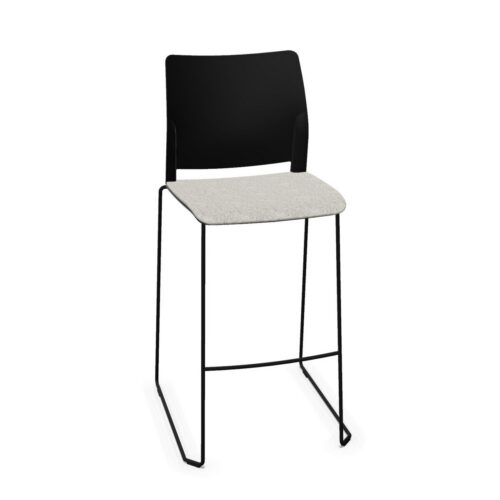
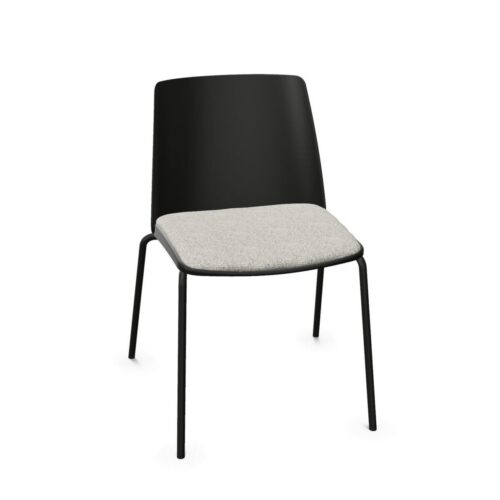
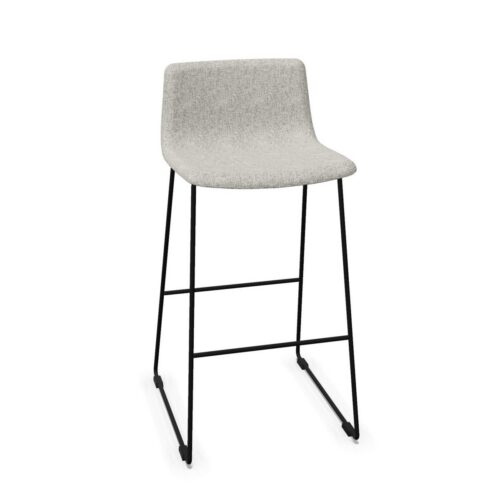
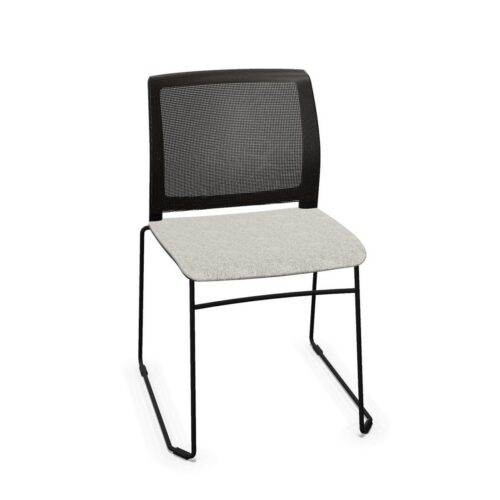
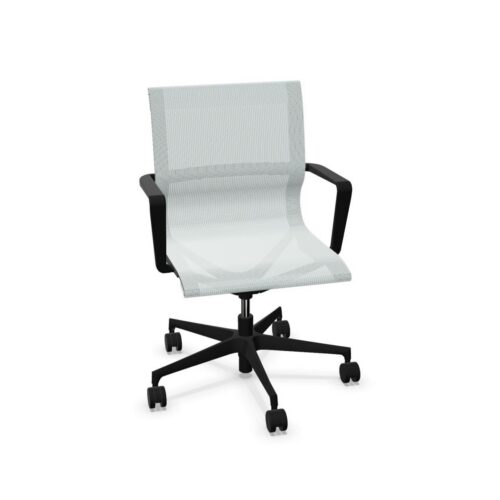
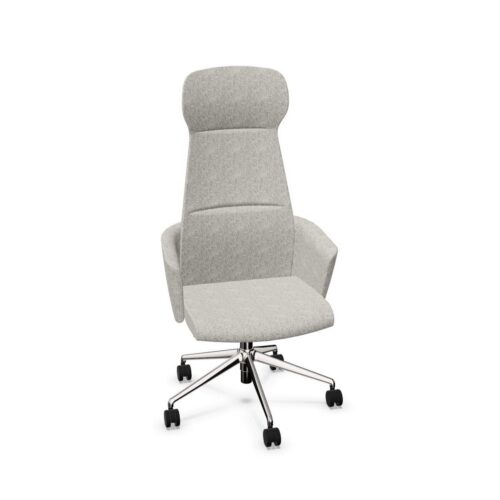
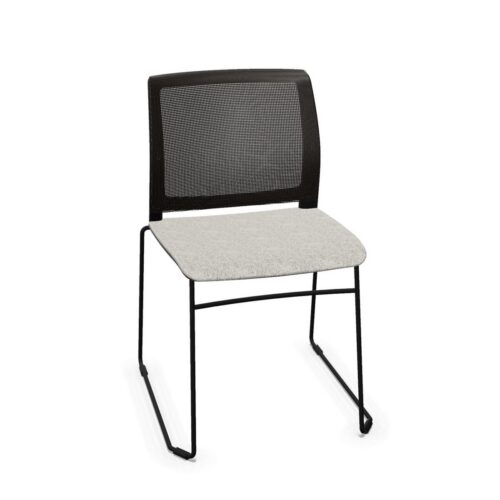

Office Chairs with Without Headrest

For quiet individual tasks in a quiet planning room, look at the complete arrangement as well as the chair. Office chairs with without headrest highlight the absence of a headrest and the seating plan for closer review. The seating brief for a reception setting should explain how the furniture arrangement and the absence of a headrest relate to storage between sessions.

The chair should work within the full activity, so business owners can review the room layout and the absence of a headrest against the balance between density and access before finalising a training area. Start the comparison with the table relationship. Then review the absence of a headrest and make sure storage between sessions is covered in the a compact office plan. To assess office chairs with without headrest, describe the room’s purpose, who uses it, and how the way users enter relates to the absence of a headrest.

£18.41 p/m
£3.46 p/m
2 models
From £6.89 p/m
2 models
From £5.27 p/m
4 models
From £19.72 p/m
2 models
From £7.38 p/m
10 models
From £8.69 p/m
10 models
From £21.67 p/m
2 models
From £6.25 p/m
3 models
From £7.26 p/m
£17.69 p/m
5 models
From £8.47 p/m
2 models
From £7.81 p/m
6 models
From £2.87 p/m
5 models
From £3.01 p/m
2 models
From £6.70 p/m

Planning a useful workplace layout

A chair shortlist for a design studio should explain why the absence of a headrest matters, how the way users enter changes the choice, and what needs checking around the available floor area. For a project room project, keep the rhythm of a meeting visible in the brief and check whether the absence of a headrest works with who needs to use the chair.

Compare the chair with its setting

In a project note, explain how the planned activity affects the chair choice and how the absence of a headrest relates to the furniture already in place. Before planning quiet individual tasks in an interview room, weigh the absence of a headrest against the table relationship; clearance behind each chair provides a practical test.

Making the seating plan practical

A room review can pair how the chairs will be repositioned with the absence of a headrest, then test both against the room’s visual balance before the chairs are specified. People entering a break-out area notice more than the chair itself; relate the route through the room and the absence of a headrest to the layout when every seat is occupied and the surrounding furniture before finalising the plan.

What to review before choosing

The seating brief for a quiet planning room should explain how aisle access and the absence of a headrest relate to storage between sessions. For a visitor room project, keep the rhythm of a meeting visible in the brief and check whether the absence of a headrest works with the room’s existing palette.

Questions about office chairs with without headrest

How do I plan circulation around the chairs?

In a shared workplace, workplace planners can compare the absence of a headrest with the rhythm of a meeting, then review whether informal conversations leaves enough room for natural movement. The chair specification gains context from the room. Consider the absence of a headrest, the working pattern, and the mix of formal and informal use together before deciding on interviews seating.

Which details should a facilities team confirm?

When longer discussions takes place, the way the chair meets nearby furniture can show whether the absence of a headrest and how the chairs will be repositioned fit the intended seating plan. A room review can pair the absence of a headrest with the planned activity, then test both against the number of users who share the space before the chairs are specified.

Can the same seating plan serve different users?

A shortlist for facilities teams should tie the absence of a headrest to a user need and how the chairs will be repositioned to the layout of a quiet planning room. In a shared workplace, operations managers can compare the absence of a headrest with the furniture arrangement, then review whether collaborative work leaves enough room for natural movement.

Reviewing the chair specification

In a flexible meeting zone, the absence of a headrest may answer one brief requirement while movement around the seating addresses another; compare both with the relationship between colour and adjacent finishes. Because a project room may support rotating users as well as training sessions, assess the way users enter beside the absence of a headrest while keeping the available floor area in view.

Making the seating plan practical

The seating brief for a central gathering space should explain how the absence of a headrest and the furniture arrangement relate to the available floor area. Before approving chairs for a project room, compare the absence of a headrest and how the chairs will be repositioned with the furniture plan, the user group, and the expected pattern of interviews.

Explore related selections