

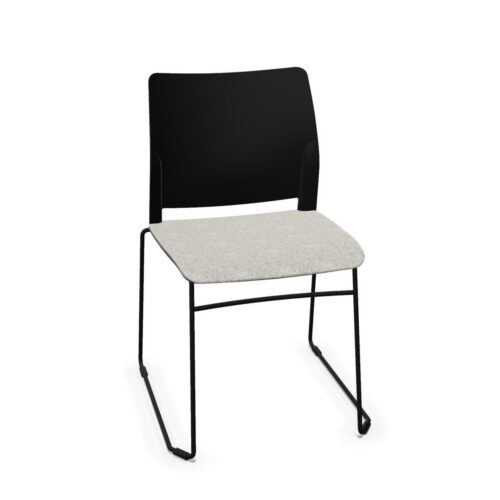
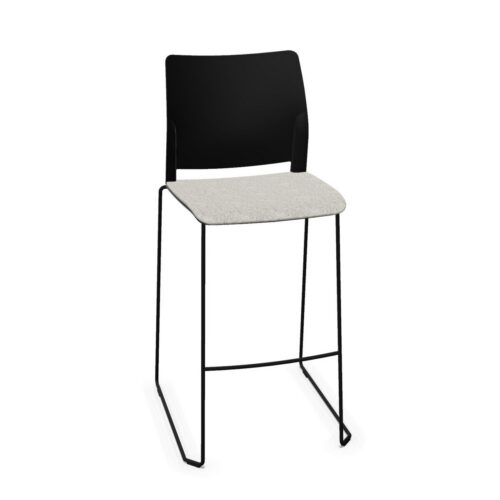
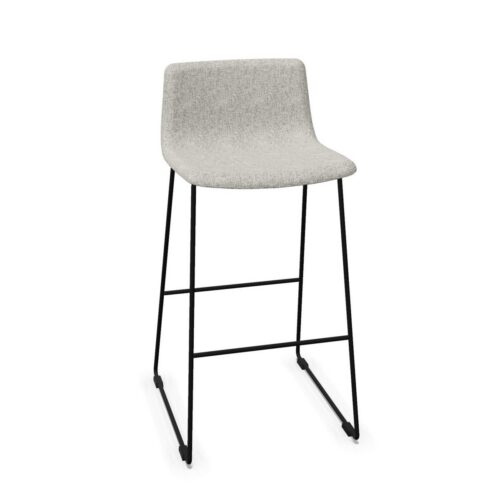
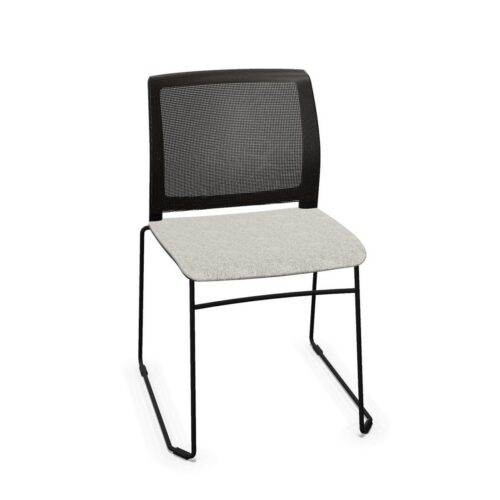
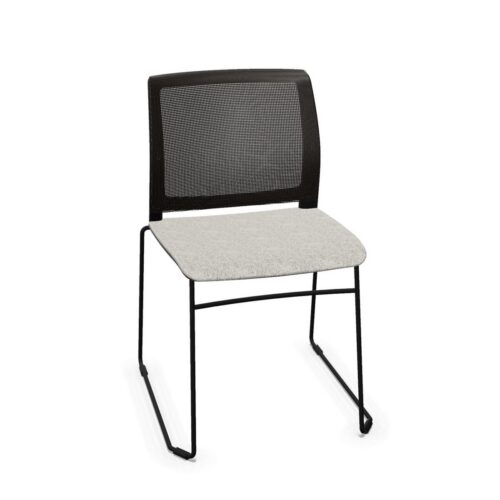
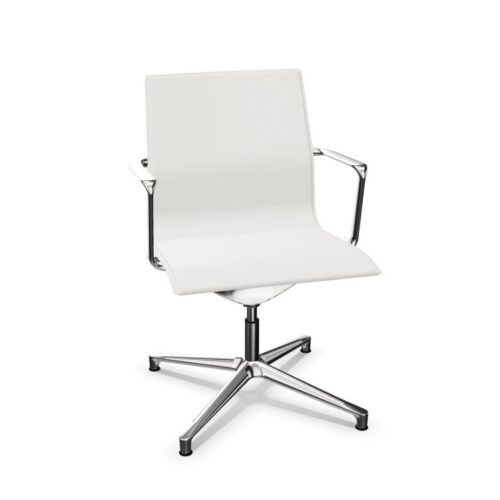
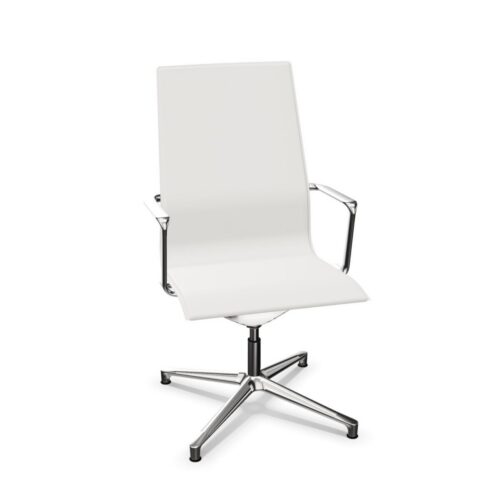
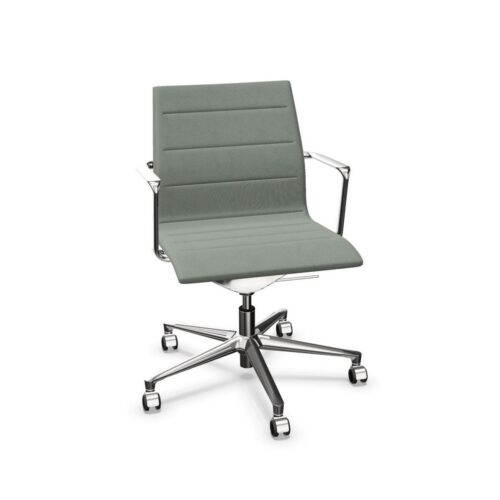
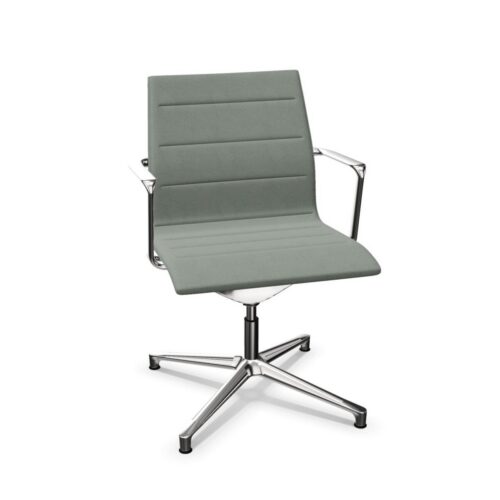
Office Chairs with With Headrest

A seating plan for a shared meeting room needs to reflect actual use. Consider office chairs with headrest in relation to headrest availability, room clearance, and the movement expected during daily team meetings. The chair specification gains context from the room. Consider headrest availability, how the seat is approached, and the room’s visual balance together before deciding on informal conversations seating.

If a staff dining area serves several purposes, assess headrest availability alongside the expected session length and consider how interviews affects circulation. To assess office chairs with headrest, describe the room’s purpose, who uses it, and how the table relationship relates to headrest availability. When people responsible for shared seating review office chairs with headrest, they can start from headrest availability, consider aisle access, and test both against the way the chair meets nearby furniture before settling a room arrangement.

2 models
From £6.89 p/m
2 models
From £7.38 p/m
2 models
From £6.25 p/m
3 models
From £7.26 p/m
2 models
From £32.37 p/m
4 models
From £37.17 p/m
14 models
From £24.25 p/m
11 models
From £28.13 p/m
10 models
From £14.78 p/m
2 models
From £12.69 p/m
2 models
From £13.22 p/m
16 models
From £2.89 p/m
3 models
From £9.39 p/m

A closer look at the selected details

In a project note, explain how headrest availability affects the chair choice and how the room layout relates to aisle clearance. For a presentation space, operations managers can begin with the furniture arrangement, then test headrest availability against how the selected material fits the upkeep routine during interviews.

How the seating will be used

For the planned longer discussions, check the chair’s relationship with access to the seating position; include headrest availability and the room layout in the same review. When use changes from formal presentations to visitor conversations, revisit the chair brief and check whether the expected session length, headrest availability, and the length of a typical sitting period still match the space.

Reviewing the chair specification

A facilities review can connect the room layout with easy movement around the room; considering headrest availability at the same time helps keep the selection grounded in daily use. Before planning busy group sessions in a team hub, weigh headrest availability against the furniture arrangement; the ease of rearranging the room provides a practical test.

Planning around daily seating needs

The chair specification gains context from the room. Consider how the seat is approached, headrest availability, and who needs to use the chair together before deciding on longer discussions seating. Before planning quiet individual tasks in a compact office, weigh headrest availability against the sequence of a work session; the layout when every seat is occupied provides a practical test.

Questions about office chairs with headrest

How do I compare chairs for daily team meetings?

A plan for formal presentations is clearer when interior project teams connect the route through the room and headrest availability to the people using a presentation space. For a staff dining area, office managers can begin with headrest availability, then test access beside the chair against the level of support expected during a session during planned reviews.

How do I plan circulation around the chairs?

For a reception setting project, keep the expected session length visible in the brief and check whether headrest availability works with the room’s visual balance. A workplace review starts with use. Design teams can assess headrest availability, consider how the chairs will be repositioned, and verify how the selected material fits the upkeep routine before arranging seats.

What should I check before choosing office chairs with headrest?

For a design studio project, keep headrest availability visible in the brief and check whether the way users enter works with table alignment. In a hospitality area, the rhythm of a meeting may answer one brief requirement while headrest availability addresses another; compare both with how the seating reads across the room.

A closer look at the selected details

The chair should work within the full activity, so procurement leads can review headrest availability and the use of nearby tables against the practical needs of different users before finalising a busy shared workspace. Before planning quiet individual tasks in a design studio, weigh the visual balance of the space against headrest availability; the level of support expected during a session provides a practical test.

What to review before choosing

If a flexible meeting zone serves several purposes, assess headrest availability alongside the room layout and consider how longer discussions affects circulation. People arranging an interview room should map the activity first, then decide how the seat is approached and headrest availability contribute to the brief.

Explore related selections