

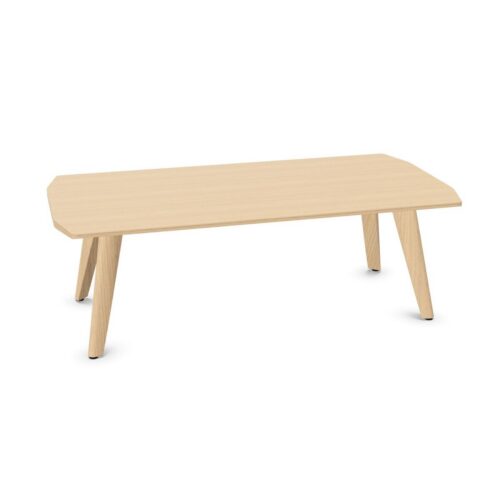
Lounge Furniture: Trigoon table top shape, Wood base material

Lounge furniture with trigoon tops and wood bases calls for a layout led by the particular tabletop outline. Trigoon is the shape designation, while wood identifies the base material; those terms alone do not establish every detail of the piece. The useful starting point is to examine how the actual perimeter relates to chairs, sofas, and the opening into the seating group. Assess the visible support as part of the same composition.

This combination is relevant when a lounge arrangement needs a table whose orientation deserves individual consideration. Rather than assigning a familiar geometric description to the trigoon name, work from the confirmed outline. Compare more than one position within the intended seating group and observe which parts of the perimeter face each seat. Keep the top material, finish, and base configuration separate until confirmed, so the planning reflects the actual furniture.

2 models
From £21.61 p/m

Read the Outline Before Choosing an Orientation

Begin by identifying the parts of the tabletop perimeter that will face the principal seats. The trigoon designation should not replace a close review of the actual shape. Look at the outline from above, then consider how it appears from the entrance and from seated positions. Each view answers a different planning question.

Try alternative orientations within the same seating arrangement. Observe how the perimeter relates to the front of a sofa, the gap between chairs, and the route into the group. Choose the orientation that gives these relationships a clear purpose rather than relying on the shape name.

Understand Lounge Furniture With Trigoon Tops and Wood Bases

The selected combination establishes a named top shape and a wood base. It does not establish the top material, the wood species, the base finish, or the position of individual supports. Keep these distinctions clear when comparing pieces, particularly if the table will sit beside existing furniture with a strong material presence.

For lounge furniture with trigoon tops and wood bases, review the base from the same viewpoints used to assess the top. A support that is prominent from the entrance may be less visible from a chair. Decide how that changing view affects the overall composition.

Connect Each Seat to the Shared Surface

Identify whether the table accompanies one sofa, neighboring chairs, or a wider conversation group. Then assess the portion of the perimeter facing each intended user. The shape may create different relationships around the table, so avoid assuming that a centered placement gives every seat the same connection to the surface.

Use ordinary lounge activities to guide the review. Consider where a visitor might place a cup or rest meeting papers. These scenarios help evaluate placement without making assumptions about additional functions. Check the actual base arrangement alongside the top outline before finalizing the positions of the chairs.

Give the Shape an Intentional Role

A distinct tabletop outline needs a clear relationship with the wider room. Decide whether it will be repeated across several seating areas or used within one particular group. Compare its orientation with nearby furniture rather than introducing additional shapes solely to echo it. The surrounding arrangement should explain why the table belongs there.

When assessing lounge furniture with trigoon tops and wood bases, coordinate the confirmed base appearance with other visible materials. Shared wood descriptions alone do not establish a match. Review the whole composition from the principal approach, then return to the seated views to check that the placement still makes sense.

Frequently Asked Questions

Should trigoon automatically be described as triangular?

No. Use the confirmed outline rather than substituting another shape name. The trigoon designation alone is not enough to establish the precise geometry or the way individual parts of the perimeter relate to surrounding seating.

How should I decide which way the top faces?

Compare alternative orientations against the actual seating positions. With lounge furniture with trigoon tops and wood bases, the useful orientation is the one that gives each intended seat and the entrance route a deliberate relationship with the perimeter.

Which material assumptions should be avoided?

Do not assume the top is wood because the base is wood. Confirm the top material and both finishes separately. The base material also does not establish a particular wood species or supporting configuration.

Explore related selections